
In the pharmaceutical industry, ensuring product integrity, operational reliability, and compliance with international regulations is non-negotiable. One of the most critical components of production is the air compressor in pharmaceutical industry applications. Compressed air is integral to processes ranging from tablet coating to sterile packaging and instrumentation automation. The wrong compressor can compromise air quality, cause costly downtime, and even result in regulatory non-compliance.

Understanding the Role of Compressed Air in Pharmaceuticals
Compressed air serves multiple functions in pharmaceutical plants:
- Direct Product Contact: Used in tablet filling, capsule coating, and powder transport. Contaminated air here can directly impact product safety.
- Cleanroom Environment: Compressed air powers laminar flow hoods, cleanroom instrumentation, and pneumatic doors while maintaining sterile conditions.
- Process Automation: Pneumatic valves, actuators, and sensors rely on stable, dry air. Pressure fluctuations can disrupt production.
- Packaging and Sterilization: Compressed air is used in filling machines, blister packaging, and sterilization equipment.
Because of these critical roles, the quality, consistency, and reliability of compressed air directly affect operational efficiency and product quality.
Types of Air Compressors and Their Pharmaceutical Applications
Selecting the correct type of compressor is the foundation of reliable operations. Below are the most relevant options for pharmaceutical environments:
Oil-Free Screw Compressors
Advantages:
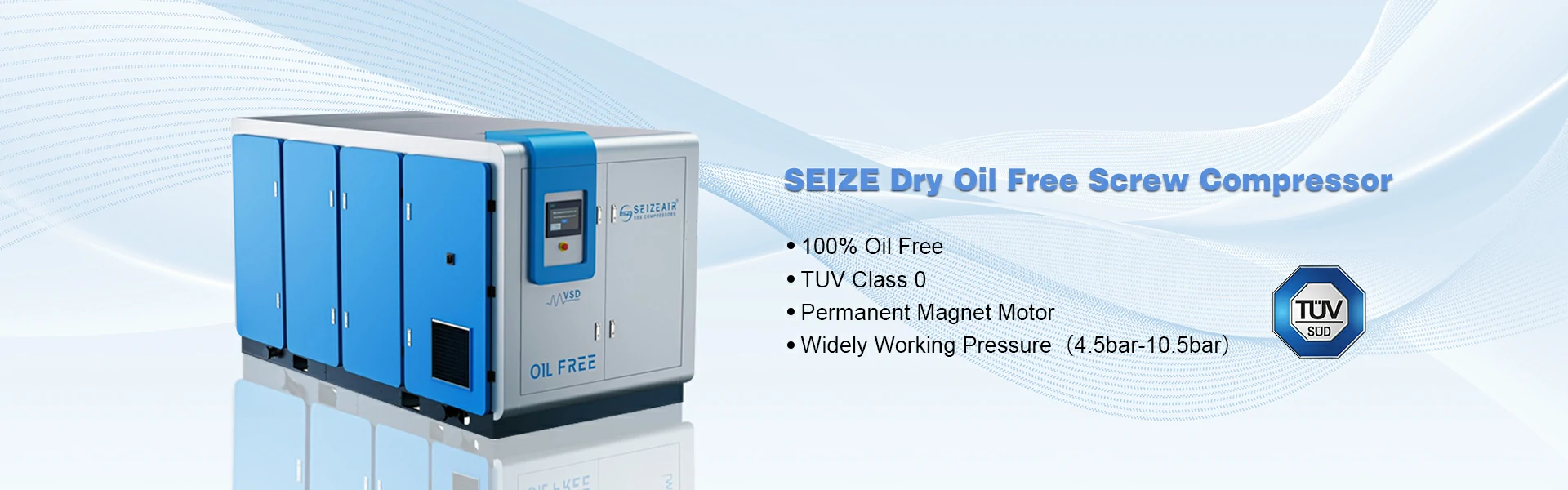
- Produce 100% oil-free air (Class 0 ISO 8573-1)
- Continuous operation with minimal maintenance
- Stable airflow and pressure for sensitive processes
Applications in Pharmaceuticals:
- Tablet coating lines
- Capsule filling machines
- Direct-contact compressed air applications
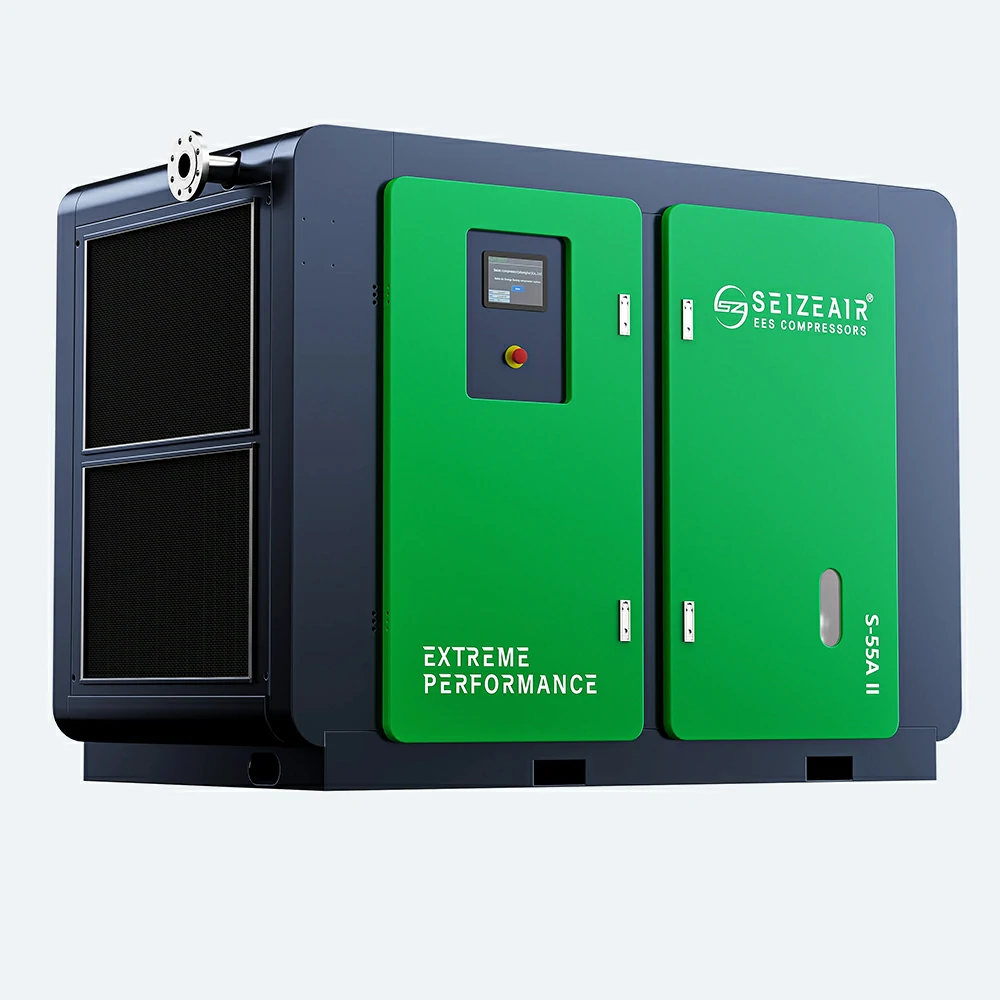
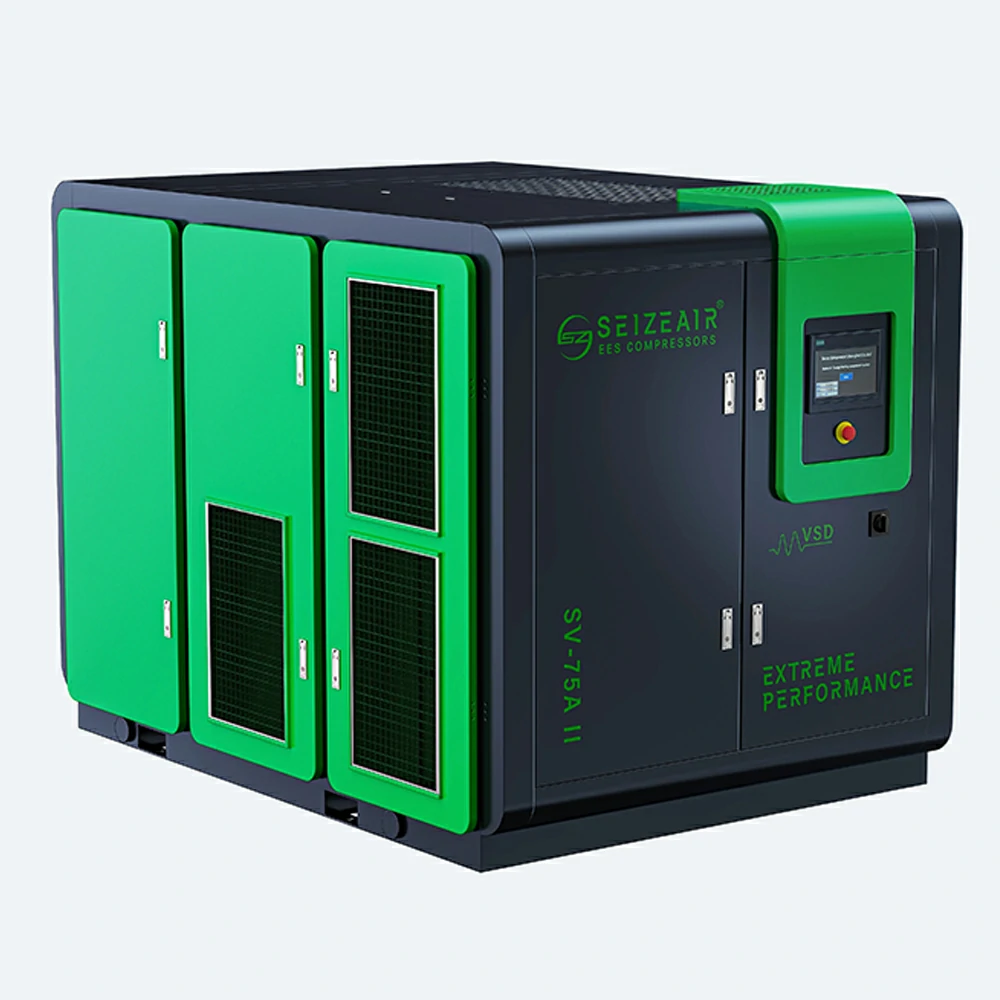
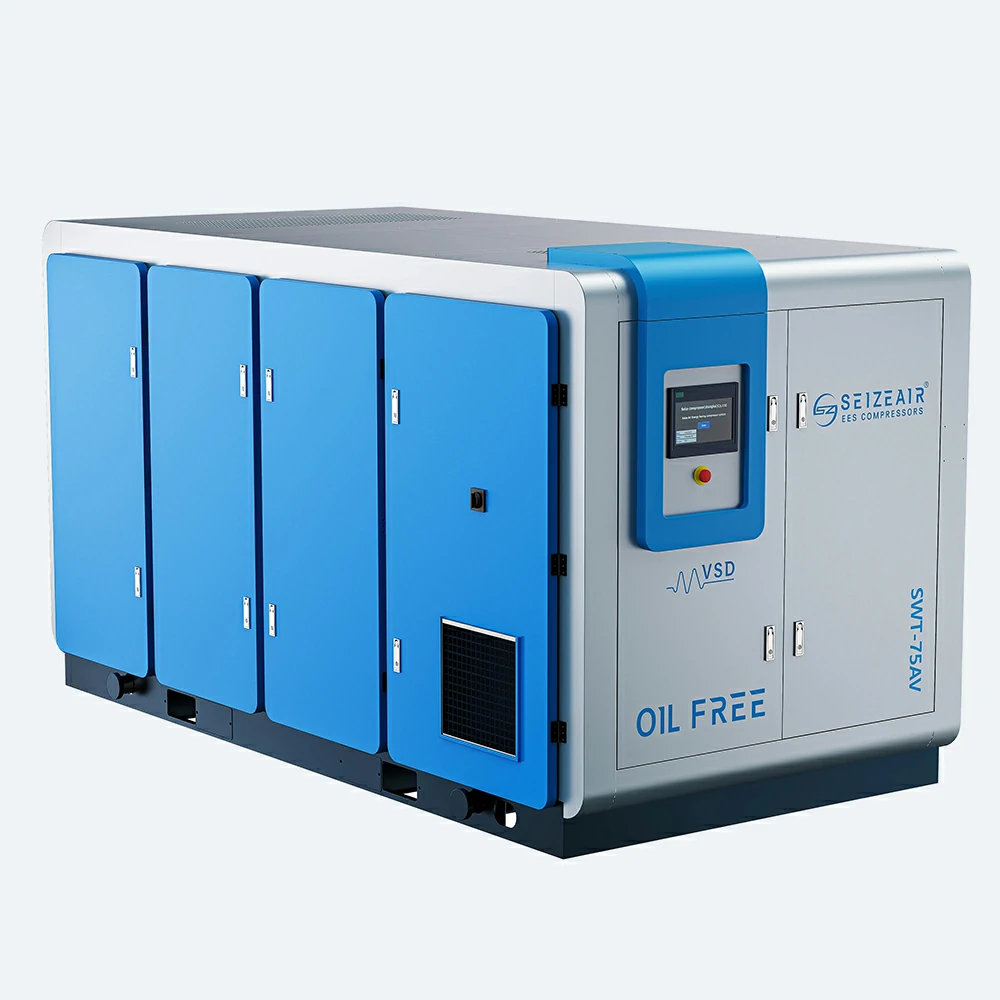
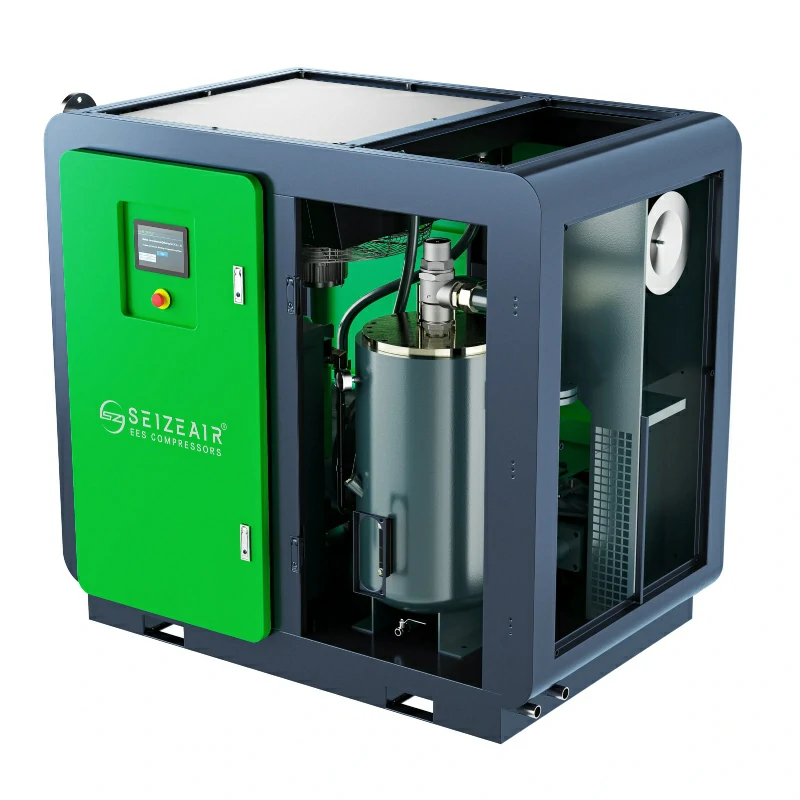
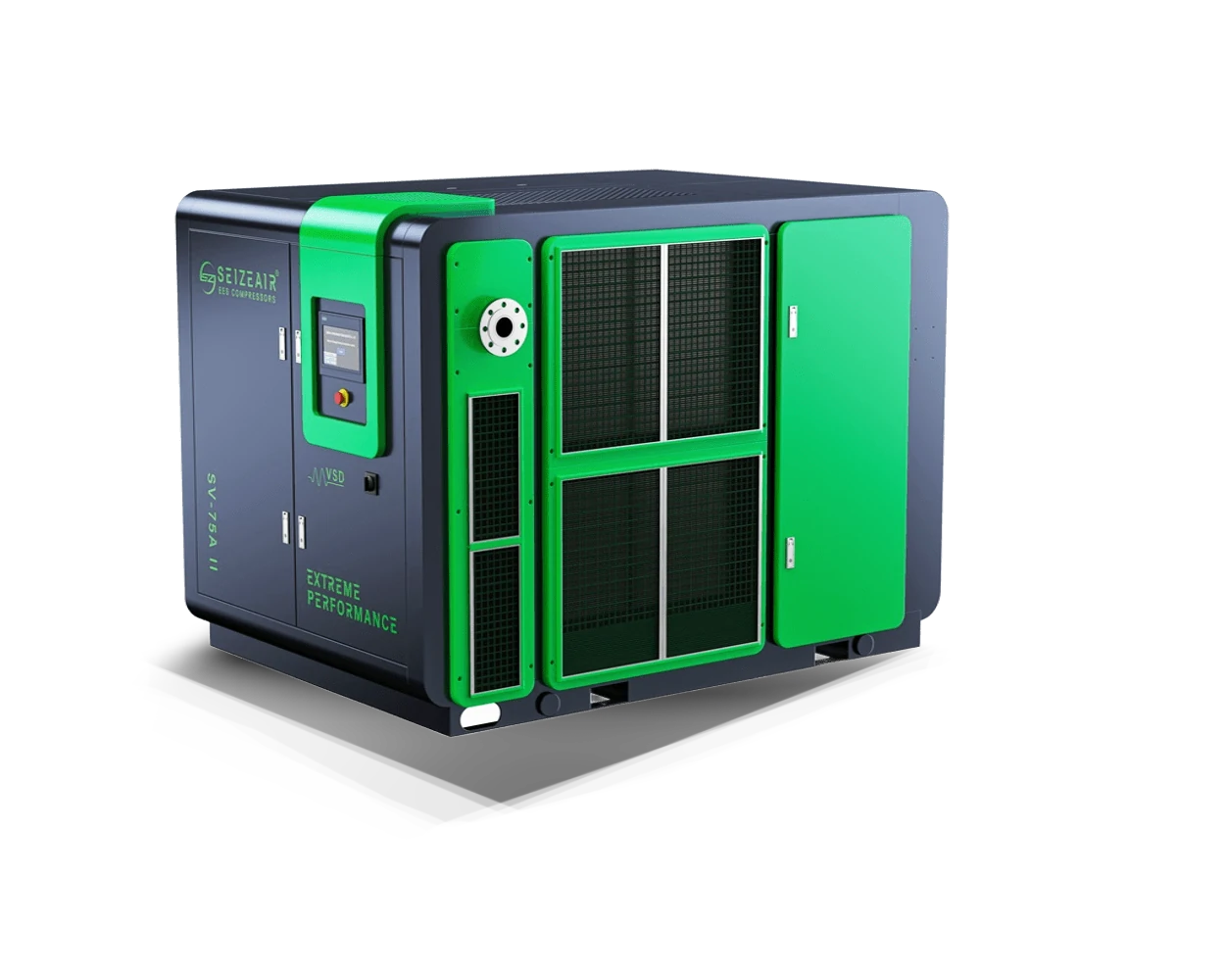
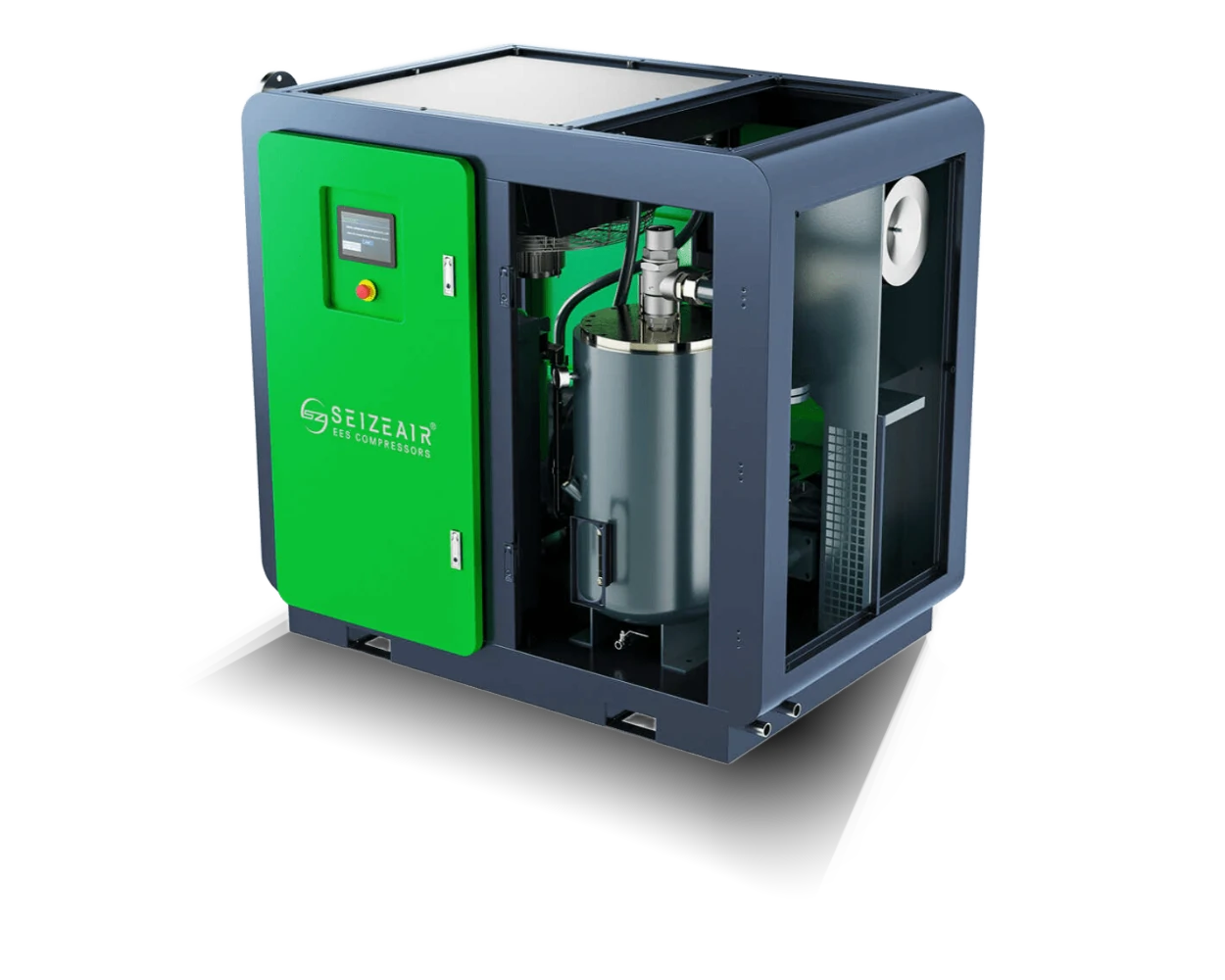
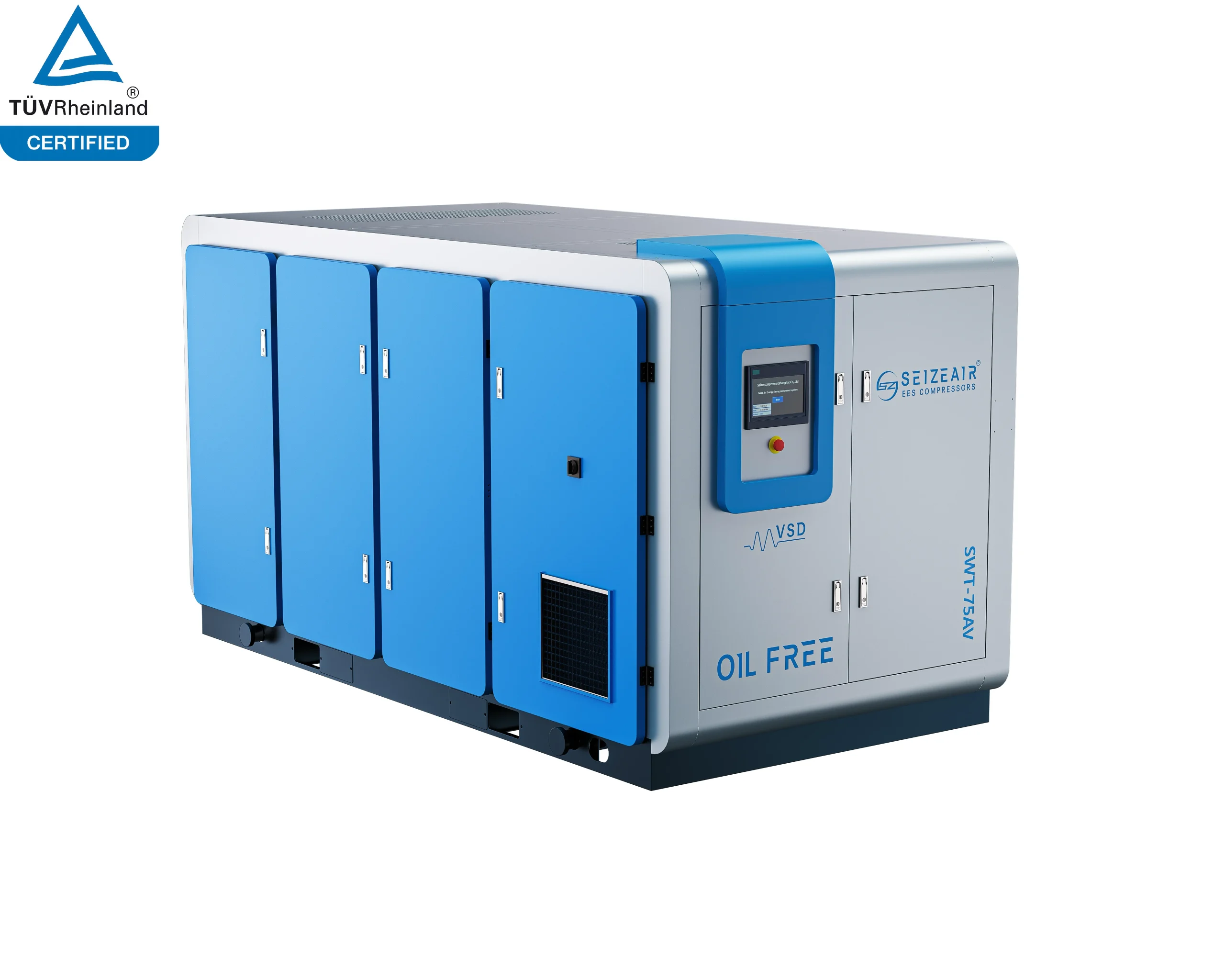
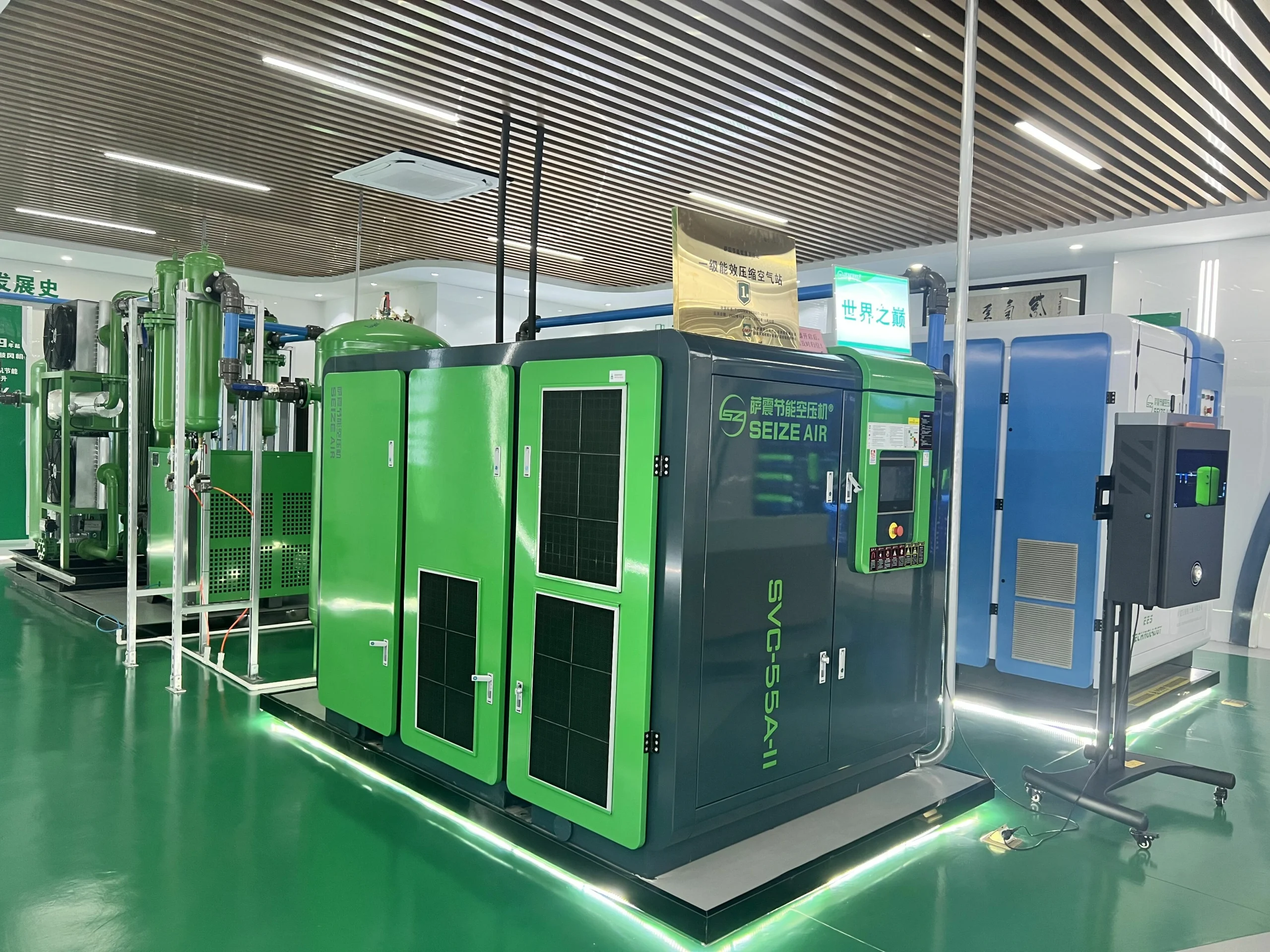
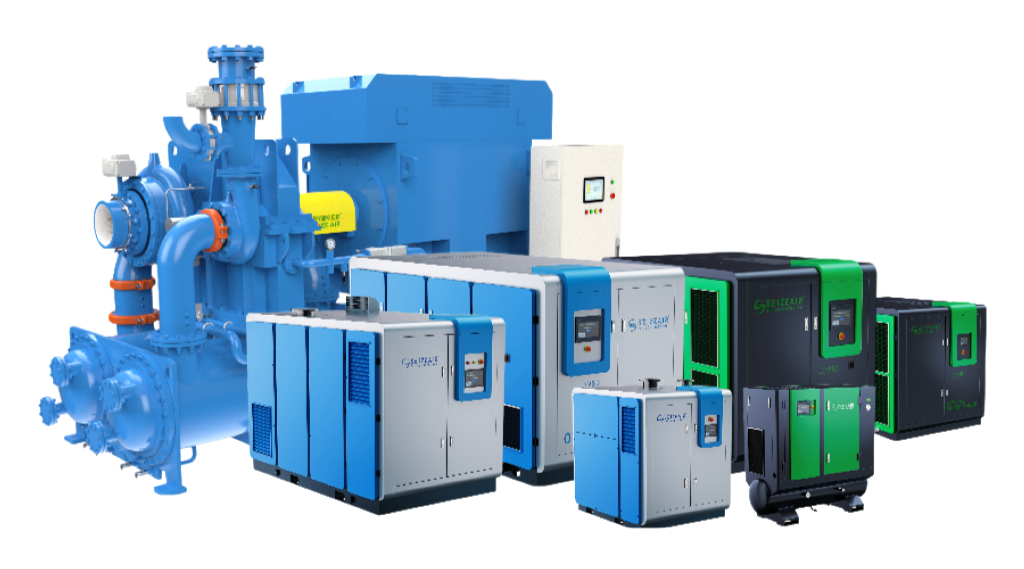
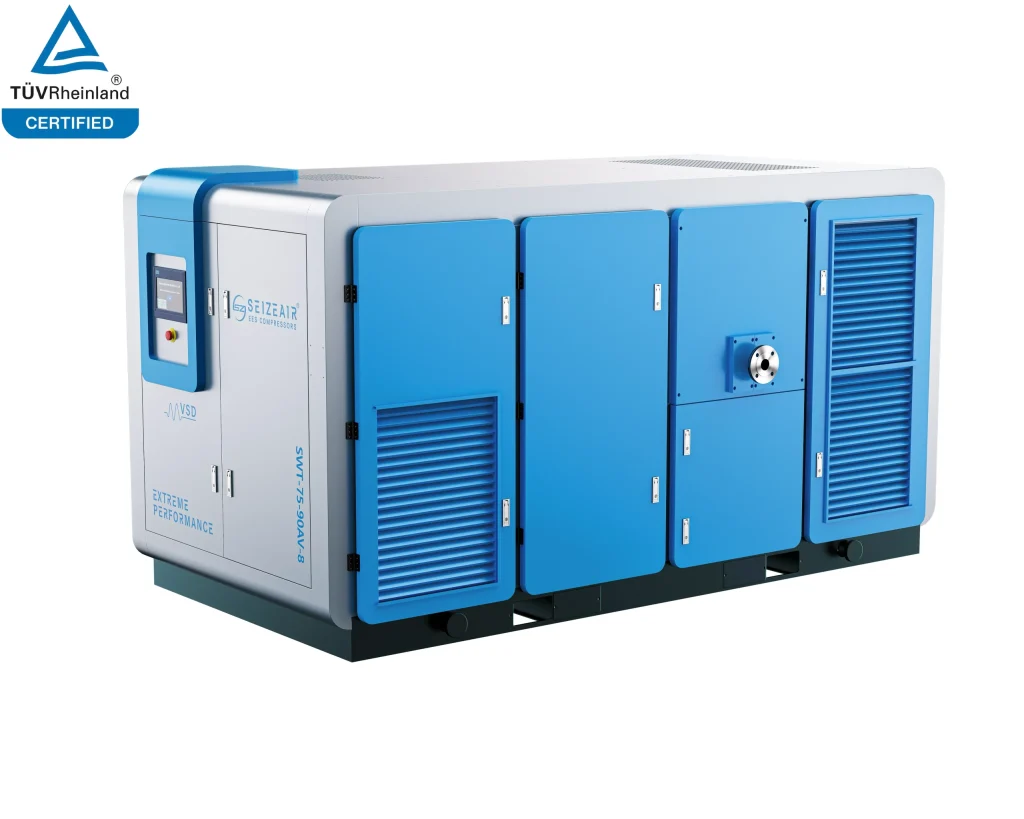
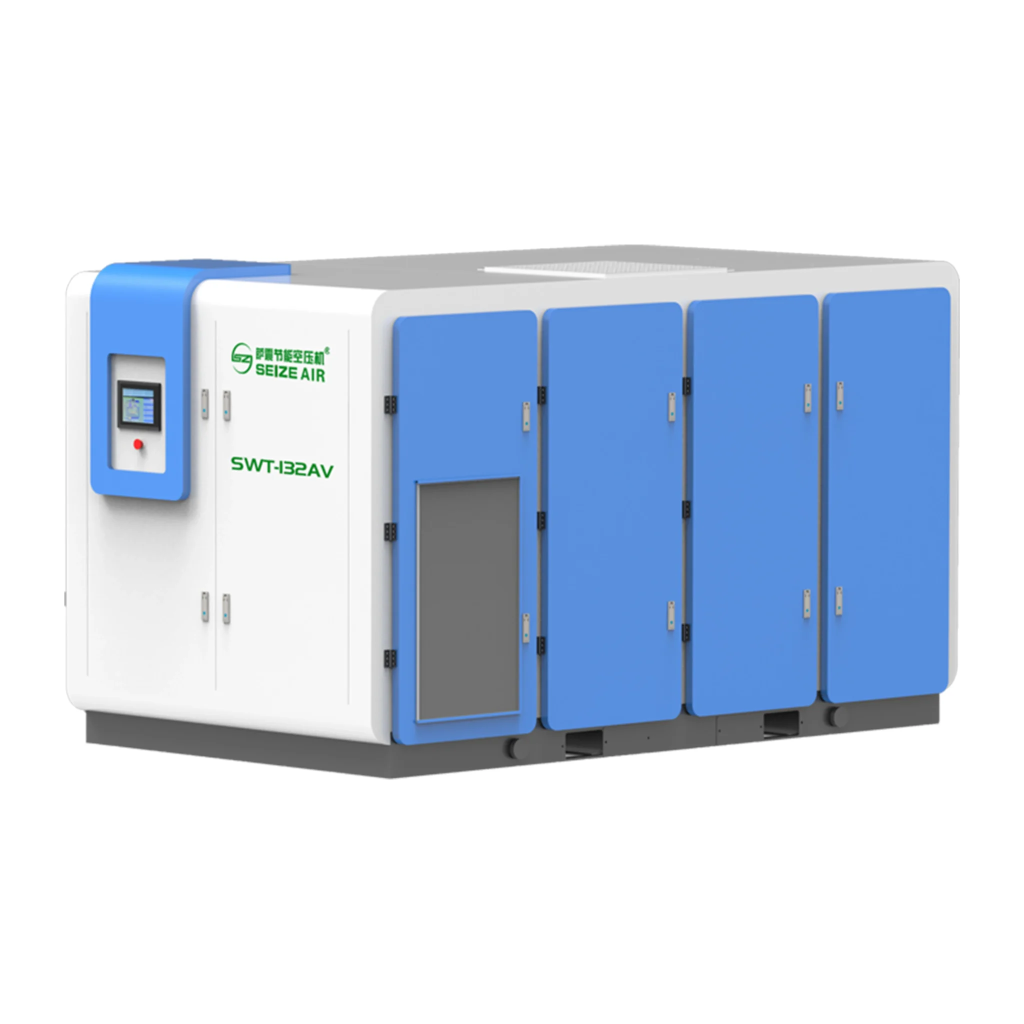
Seize offers oil-free screw compressors with integrated air drying and filtration, ensuring compliance and minimizing contamination risks.

Centrifugal Compressors
Advantages:
- High-capacity, energy-efficient for large-scale facilities
- Smooth, pulsation-free airflow suitable for cleanroom environments
- Lower maintenance for continuous operations
Applications:
- Centralized air supply for multiple production lines
- High-volume sterile packaging
- Automation-heavy facilities requiring stable air pressure

Piston Compressors
Advantages:
- Reliable for small-scale or backup operations
- High-pressure delivery
- Compact footprint
Applications:
- Backup systems
- Intermittent production lines
- Low-volume laboratories
Pharmaceutical Air Compressor Comparison
| Compressor Type | Air Purity | Maintenance | Energy Efficiency | Ideal Use Case |
|---|---|---|---|---|
| Oil-Free Screw | Class 0-1 | Low | High | Tablet/capsule filling & coating |
| Centrifugal | Class 1-2 | Medium | Very High | Large-scale sterile production |
| Piston | Class 2-3 | High | Medium | Backup or low-volume production |
Air Quality Standards for Pharmaceutical Compressed Air
Air quality is critical. Pharmaceutical plants typically adhere to the highest ISO air purity standards:
ISO 8573-1 Air Quality Classes Relevant to Pharmaceuticals
| Contaminant | Class 0-1 Requirement | Typical Application |
|---|---|---|
| Oil (liquid & vapor) | 0 (oil-free) | Direct product contact, sterile packaging |
| Particles | ≤1 μm, <100 particles/m³ | Critical instrumentation and cleanrooms |
| Moisture | Pressure dew point ≤ -40°C | Prevents powder caking and bacterial growth |
Using air that meets these standards ensures GMP compliance and reduces contamination risk.
Calculating Capacity and Pressure Requirements
Accurate sizing ensures the compressor can meet peak demand without unnecessary cycling:
Determine Flow Rate (CFM)
- Add the required CFM for each piece of equipment in simultaneous operation.
- Add 15–20% buffer for future expansion.
Determine Pressure (PSI)
- Evaluate each pneumatic system’s pressure requirement.
- Consider pressure losses in piping, filters, and dryers.
Select Compressor Type and Model
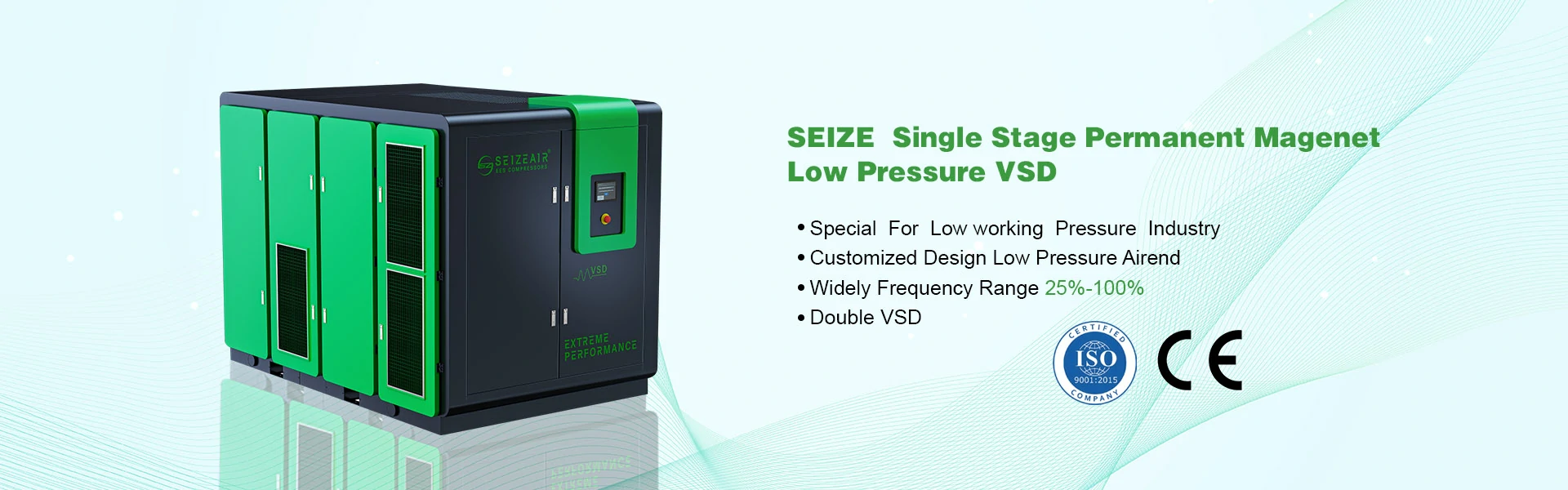
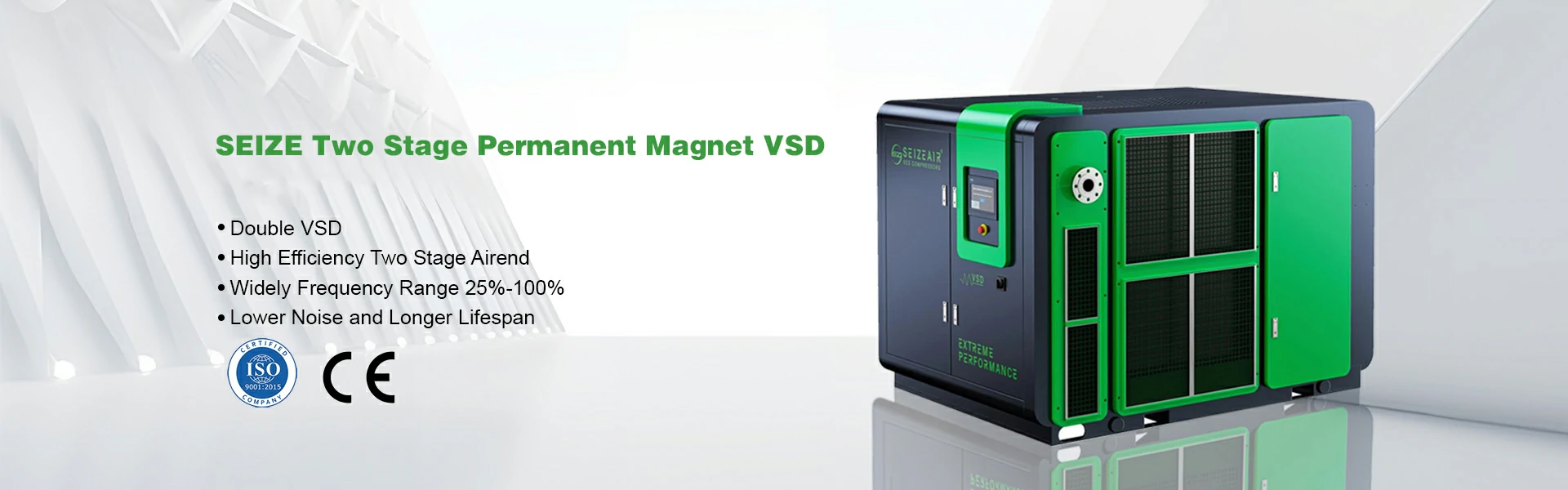
- Oil-free screw compressors with variable-speed drives can adjust output to actual demand, reducing energy costs.
Example Calculation:
- Capsule filling machine: 25 CFM at 90 PSI
- Tablet coating line: 40 CFM at 100 PSI
- Packaging station: 15 CFM at 90 PSI
- Total required CFM: 25+40+15 = 80 CFM
- Add 20% buffer: 80 × 1.2 = 96 CFM
- Recommended system: 100 CFM oil-free screw compressor

Regulatory Compliance Considerations
Air compressors in pharmaceutical facilities must comply with:
- GMP – Ensuring sterile and contaminant-free air
- FDA / EMA Guidelines – Air in direct/indirect contact with products
- ISO 8573-1 Standards – Air quality classes
- CE, UL, and Local Safety Certifications – Equipment safety and operational compliance
Continuous monitoring systems are often integrated to maintain documented compliance. Seize offers compressors with built-in monitoring and reporting capabilities to simplify regulatory audits.
Maintenance, Reliability, and Operational Best Practices
Downtime in pharmaceutical production is unacceptable. Consider the following:
- Redundancy: Backup compressors for critical lines
- Predictive Maintenance: Sensors detect pressure drops, leaks, or filter saturation
- Modular Design: Enables quick replacement of filters or components
- Training: Operators should understand GMP standards and correct compressor operation
Recommended Maintenance Intervals for Pharmaceutical Compressors
| Component | Interval | Notes |
|---|---|---|
| Filters | Monthly / Quarterly | Depending on usage and contamination risk |
| Desiccant Dryer Media | 6–12 months | Check pressure dew point |
| Oil-Free Screw Inspection | Annually | Ensure air purity and system integrity |
| Centrifugal Compressor Bearings | 12–18 months | Monitor vibration and temperature |
Energy Efficiency and Lifecycle Cost Considerations
Long-term operational costs can exceed initial investment by 70% due to energy use. Consider:
- Variable Speed Drives – Adjust compressor output to demand
- Energy-Efficient Models – Reduce electricity costs while maintaining performance
- Reduced Maintenance – Fewer breakdowns lower downtime and labor costs
Seize oil-injected screw compressors combine energy efficiency with compliance, providing reliable, low-maintenance operation and minimizing total cost of ownership.
Implementation Best Practices
- System Layout: Use stainless steel or treated aluminum piping to prevent contamination
- Air Monitoring: Continuous sensors track oil, moisture, and particulates
- Preventive Maintenance: Replace filters and check dryers proactively
- Training: Ensure operators understand GMP, ISO air classes, and correct system use
- Documentation: Keep records for audits and quality control
Real-World Applications and Case Studies
Tablet Production Facility
- Installed 2 Seize oil-free screw compressors
- Integrated with desiccant dryers and multi-stage filtration
- Achieved ISO Class 0 air for coating lines
- Reduced energy consumption by 18% over prior piston compressors
Sterile Packaging Plant
- Centralized centrifugal compressor system supplied multiple production lines
- Implemented continuous air quality monitoring
- Maintained Class 1 air purity with zero contamination incidents
Research Lab Backup System
- Piston compressor used as redundant backup
- Only activated during peak load or maintenance downtime
- Compact footprint and low initial investment

Conclusion
Choosing the right air compressor in pharmaceutical industry is a strategic investment that impacts product quality, compliance, and operational efficiency. By carefully selecting the compressor type, ensuring air purity, calculating capacity accurately, and prioritizing regulatory compliance, manufacturers can protect both products and reputation. Partnering with a trusted provider like Seize ensures tailored solutions, reliable support, and long-term performance.