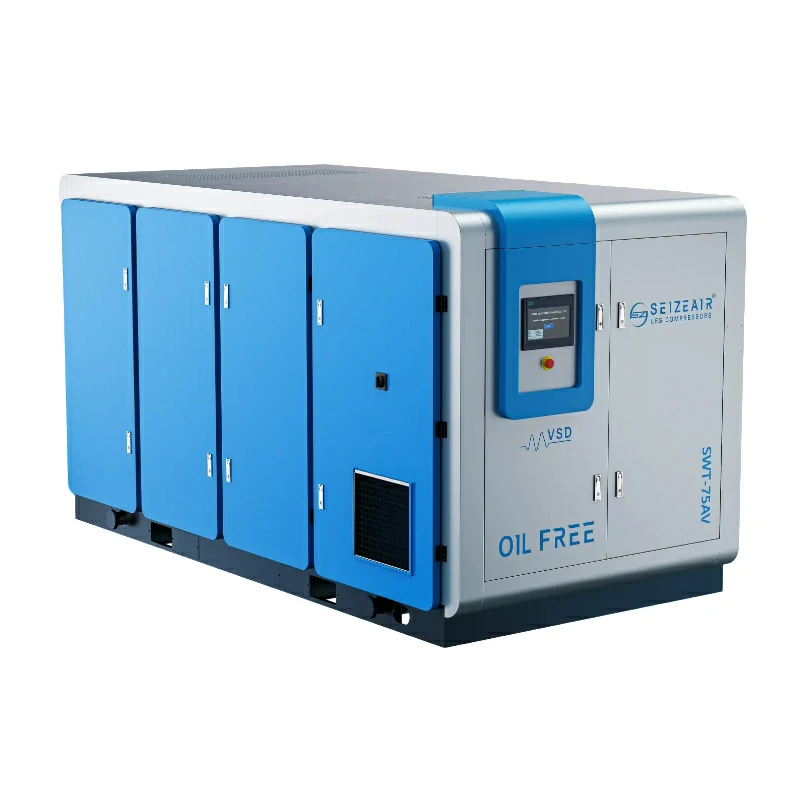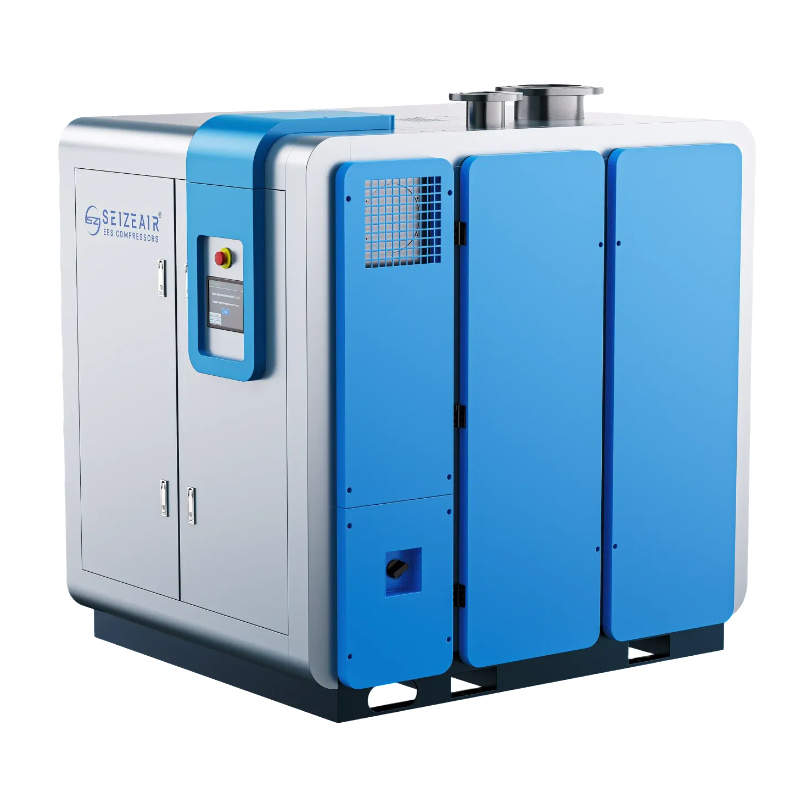


In the food industry, product safety is non-negotiable. While ingredients, water, and packaging materials are tightly controlled, compressed air is often overlooked—despite being one of the most widely used utilities in food production.
From ingredient conveying to packaging and cleaning, compressed air frequently comes into direct or indirect contact with food. When air quality is compromised, contamination risks increase silently but significantly. This is why oil-free air compressors have become a critical component of modern food processing facilities.
This guide explains what food manufacturers need to know when selecting an air compressor for food industry applications, with a strong focus on oil-free technology, compliance, real-world risks, and long-term operational performance.

Why Compressed Air Quality Is Critical in the Food Industry
Compressed air is used across nearly every stage of food production, including:
- Pneumatic conveying of powders and granules
- Mixing, fermentation, and aeration processes
- Cleaning and drying of products and containers
- Operation of valves, actuators, and automation systems
- Blow-off and bottle forming in packaging lines
If compressed air contains oil, moisture, microorganisms, or solid particles, it can contaminate food products without being immediately visible. Unlike mechanical failures, air quality issues may only surface during audits, customer complaints, or recalls.
For this reason, compressed air in food plants must be treated as a food-contact utility, not just a source of power.
Understanding Compressed Air Contamination Risks in Food Processing
Food manufacturers typically face five main categories of compressed air contamination:
Oil Aerosols and Oil Vapors
Even microscopic oil vapors can:
- Alter taste and aroma in sensitive products
- Bind to food powders, causing residue buildup
- Accumulate inside piping and release intermittently
Filtration alone cannot fully eliminate oil vapor risks in oil-injected systems.
Moisture and Condensation
As compressed air cools downstream, condensation forms. In food environments, excess moisture can lead to:
- Microbial growth
- Corrosion of piping
- Biofilm formation in dead zones
Proper drying combined with oil-free compression greatly reduces these risks.
Microorganisms
Compressed air can transport bacteria, mold spores, and yeast—especially when used for:
- Aeration
- Open product exposure
- Container cleaning
Oil-free air reduces microbial adhesion and improves sterile filtration effectiveness.
Solid Particulates
Dust, pipe scale, rust, and gasket debris may be blown directly onto food or packaging surfaces.
Clean, dry, oil-free air minimizes particle accumulation inside the system.
Chemical Carryover
Lubricant additives and degraded oil compounds can be detected by smell and taste, even at extremely low concentrations. This is a growing concern during sensory testing and customer audits.
What Is an Oil-Free Air Compressor?
An oil-free air compressor compresses air without oil in the compression chamber, eliminating oil contamination at the source. Instead of relying on lubricants, oil-free compressors use:
- Precision-engineered components
- Advanced coatings and materials
- Water injection or dry compression designs
For food industry applications, this source-level purity is far more reliable than correcting contamination downstream.
Oil-Free vs Oil-Injected Air Compressors in Food Applications
| Aspect | Oil-Free Air Compressor | Oil-Injected Air Compressor |
|---|---|---|
| Oil contamination risk | Eliminated at source | Always present |
| ISO 8573-1 compliance | Easily meets Class 0 | Dependent on filtration |
| Maintenance complexity | No oil management | Oil, filters, separators |
| Audit readiness | High | Requires strict monitoring |
| Long-term air stability | Consistent | Degrades if filters fail |
For any compressed air that may contact food, oil-free systems offer a significantly lower risk profile.
Class 0: The Food Industry Benchmark
defines compressed air quality in terms of:
- Particles
- Water
- Oil
For food manufacturers, oil content is the most critical parameter.
- Class 1 oil: ≤ 0.01 mg/m³
- Class 0 oil: No detectable oil
Class 0 is not a numerical limit—it is a guarantee of purity, validated through testing and documentation. Oil-free air compressors are specifically designed to achieve this standard without relying on downstream correction.
Key Food Industry Applications for Oil-Free Air Compressors
Ingredient Conveying
Powders such as flour, sugar, starch, cocoa, and milk powder are highly sensitive to contamination. Oil-free air prevents odor transfer, residue buildup, and cross-batch contamination.
Mixing, Fermentation, and Aeration
In bakery, dairy, beverage, and fermentation processes, compressed air often interacts directly with the product. Oil-free air protects flavor, texture, and microbial stability.
Packaging and Bottling
Compressed air is used to form bottles, clean containers, and operate high-speed filling lines. Oil contamination at this stage can affect thousands of units within minutes.
Cleaning and Drying
Air knives and blow-off systems are used after washing processes. Oil-free air prevents re-contamination of cleaned surfaces.
Types of Oil-Free Air Compressors Used in the Food Industry
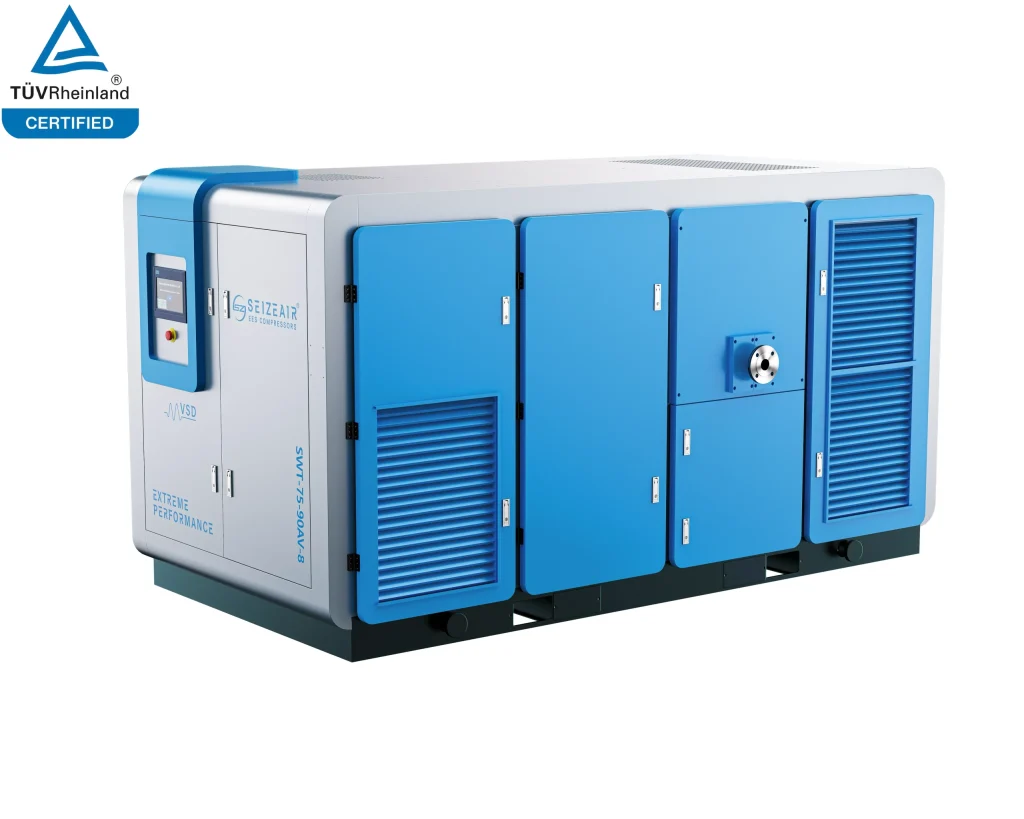
Oil-Free Screw Air Compressors
- Continuous operation capability
- Stable pressure and flow
- Ideal for medium to large food plants
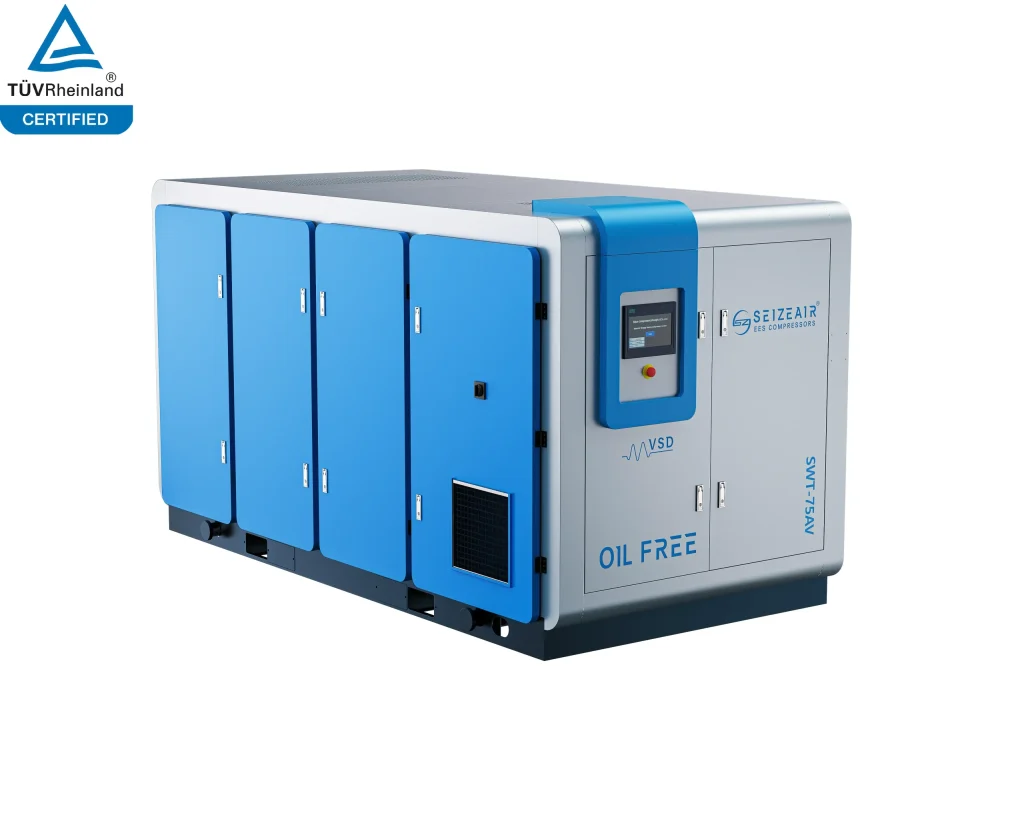
Water-Injected Oil-Free Screw Compressors
- Water replaces oil for cooling and sealing
- Low discharge temperatures
- Suitable for beverage and heat-sensitive processes
Oil-Free Scroll Air Compressors
- Compact and quiet
- Often installed in parallel
- Ideal for packaging rooms and laboratories
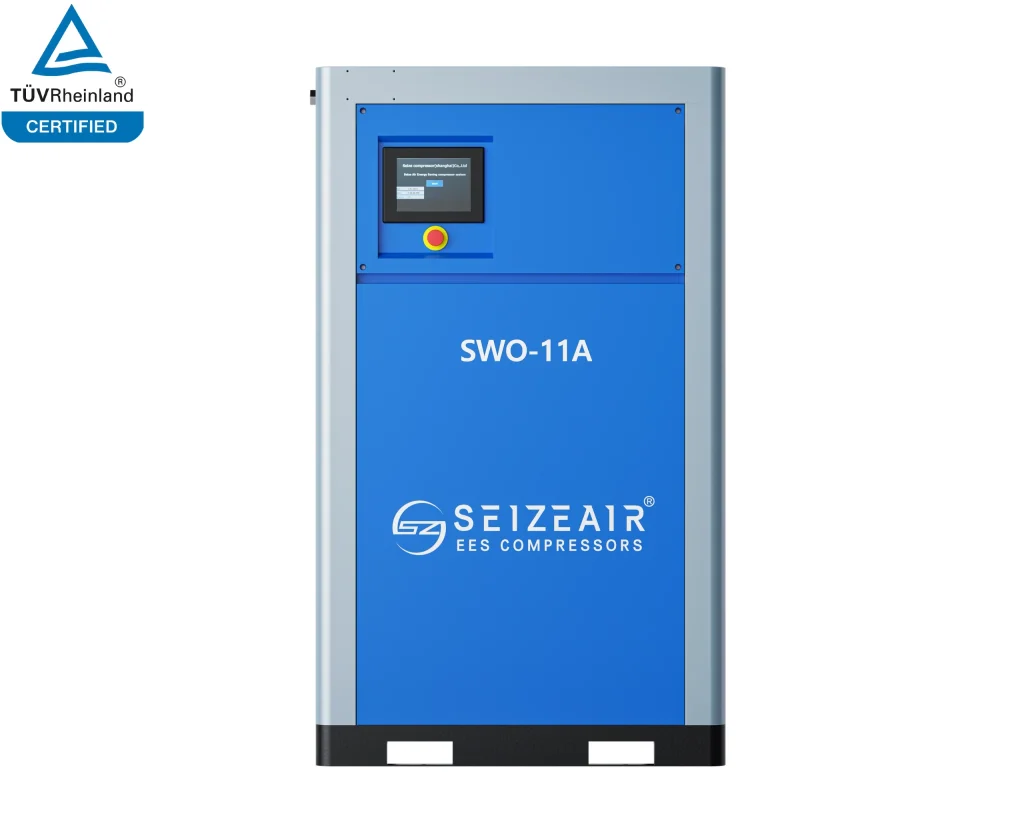
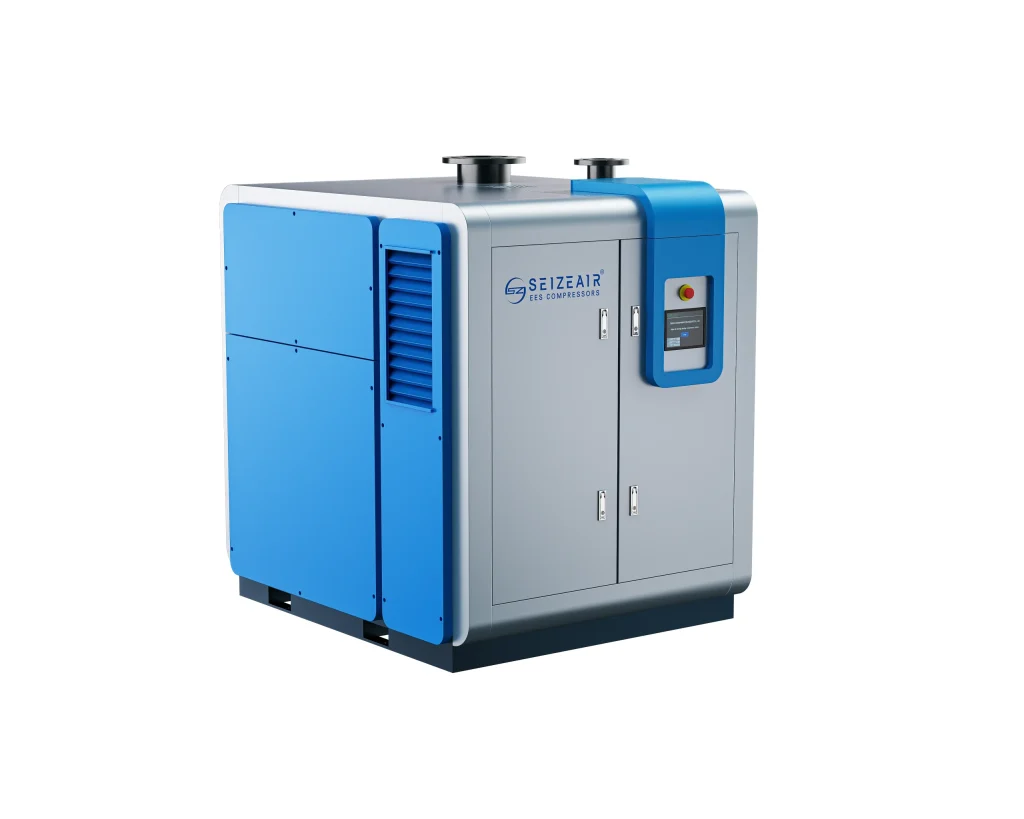
Oil-Free Centrifugal Air Compressors
- Dynamic, non-contact compression
- Extremely high capacity
- Best for large centralized systems in food and beverage plants
Building a Complete Food-Grade Compressed Air System
An oil-free air compressor is only part of the solution. A food-grade system also includes:
- Refrigerated or desiccant dryers
- High-efficiency particulate filters
- Sterile filters at critical points
- Food-grade piping materials
- Regular air quality monitoring
System design is what separates basic compliance from long-term audit security.
Energy Efficiency and Total Cost of Ownership
Modern oil-free air compressors often deliver lower total cost of ownership due to:
- No oil changes or disposal
- Fewer consumables
- Reduced downtime
- Lower contamination-related risks
With features like variable speed drives (VSD) and heat recovery, energy savings of 20–35% are achievable in variable-load food production environments.
Compliance With Global Food Safety Standards
Oil-free air compressors support compliance with:
- HACCP
- ISO 22000
- FSSC 22000
- BRCGS
- FDA and EU food safety regulations
During audits, demonstrating oil-free air generation at the source simplifies documentation and reduces corrective actions.
Choosing the Right Air Compressor for Food Industry Use
Key considerations include:
- Direct or indirect air contact with food
- Required ISO air quality class
- Production continuity and load variation
- Energy efficiency targets
- Long-term maintenance strategy
Selecting the right system is both a technical and risk-management decision.
Industry Perspective
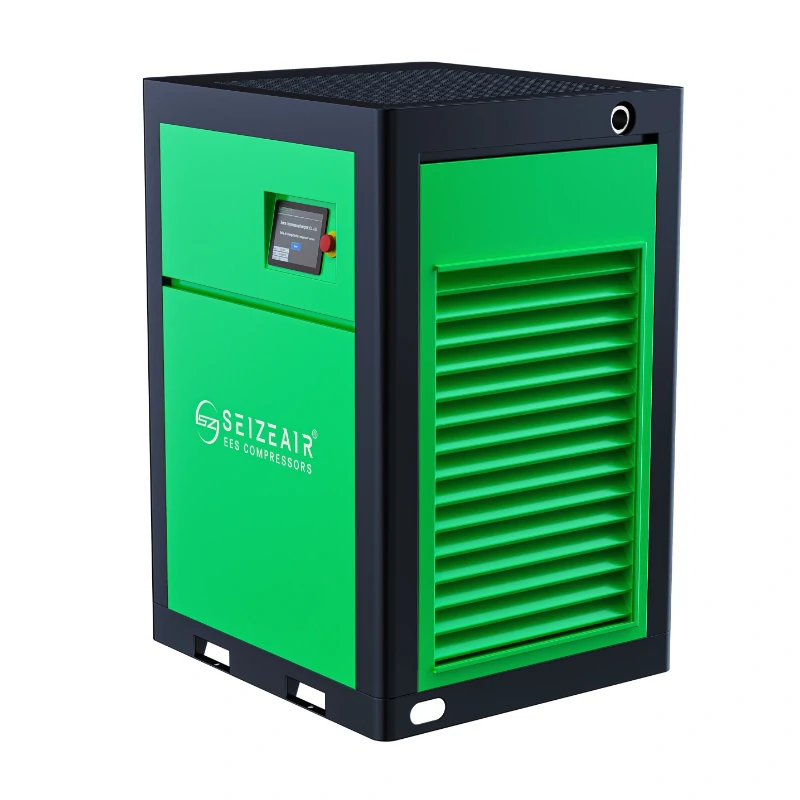
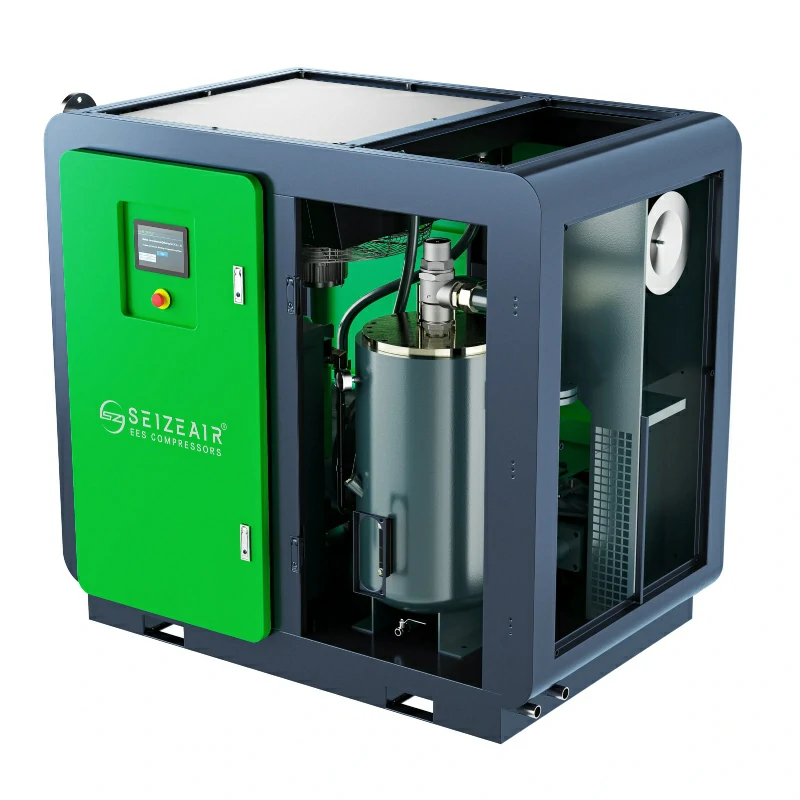
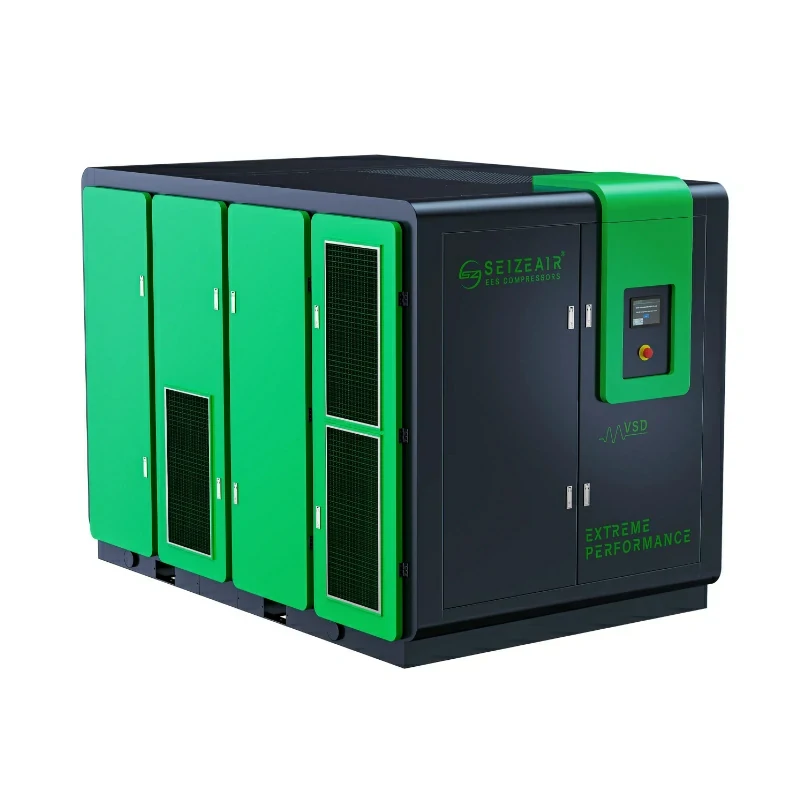
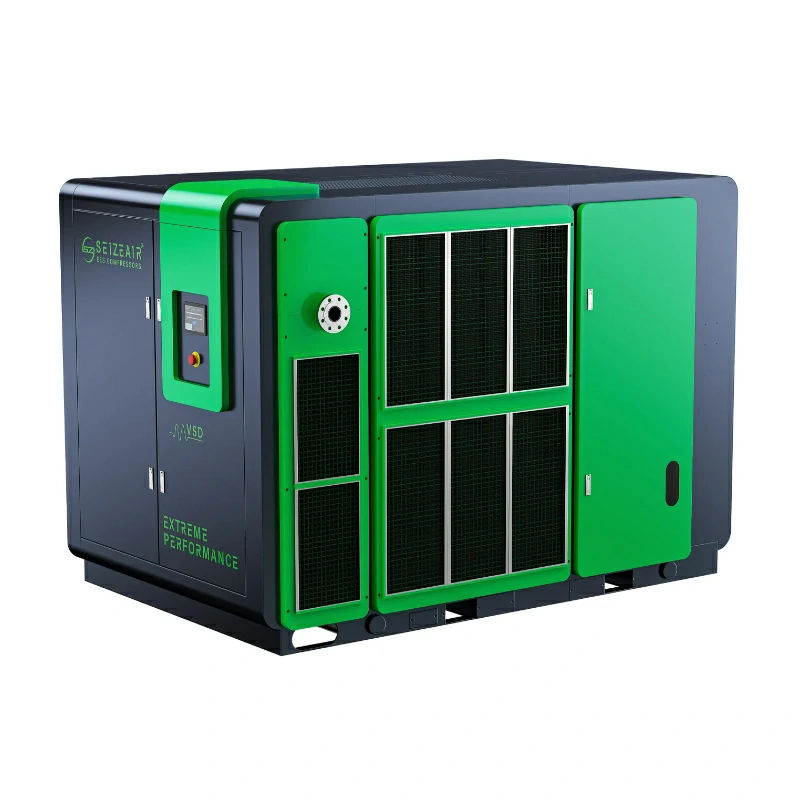
Some manufacturers, including Seize, focus on developing oil-free air compressor solutions specifically for food-grade environments—combining Class 0 air purity with stable operation, energy efficiency, and system-level reliability to meet long-term compliance demands.
Final Thoughts
In food manufacturing, compressed air should be treated with the same seriousness as ingredients and water. An oil-free air compressor for food industry applications provides a reliable foundation for product safety, regulatory compliance, and operational confidence.
By addressing air quality at the source, food manufacturers can reduce risk, protect brand integrity, and build production systems that meet today’s standards—and tomorrow’s expectations.