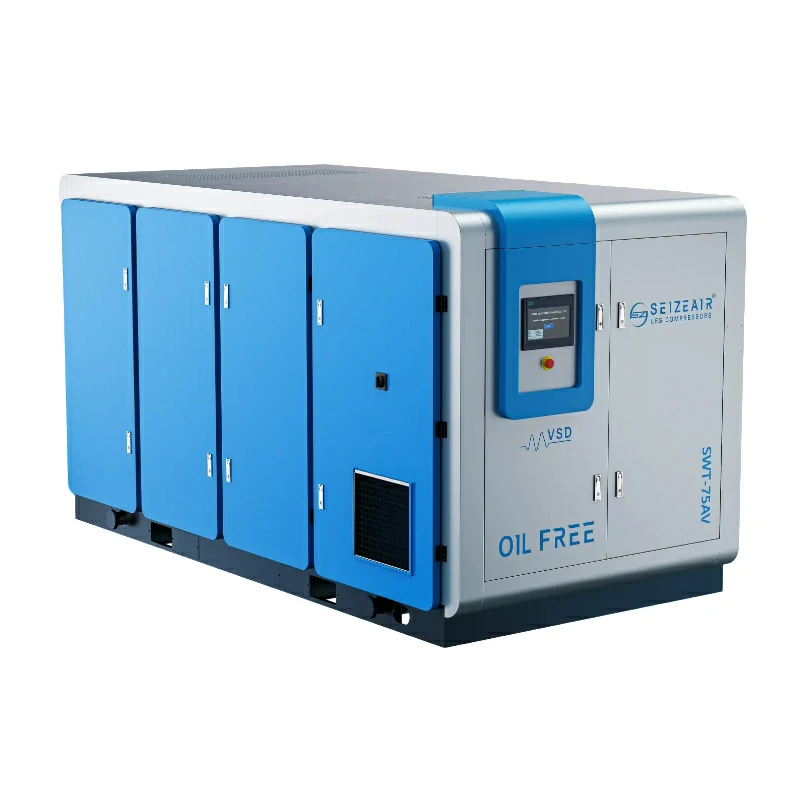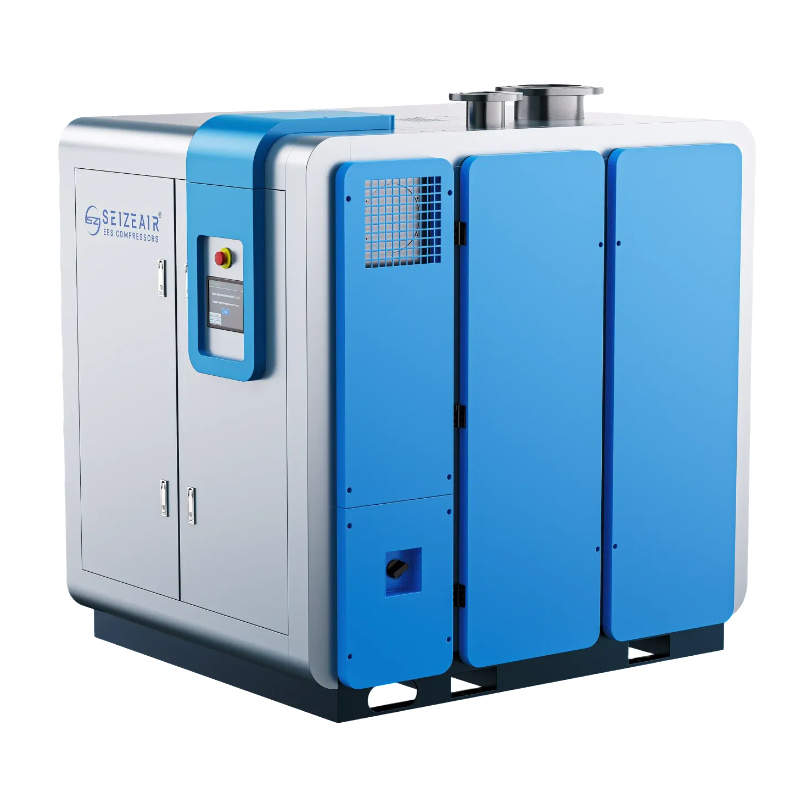


Choosing the right air compressor supplier in China has become a strategic decision for many industrial buyers worldwide. While China offers one of the broadest selections of air compressors—from piston and screw units to oil-free and centrifugal systems—not all suppliers operate at the same technical or quality level.
This guide breaks down how to evaluate Chinese air compressor suppliers from a practical, experience-driven perspective—focused on risk control, operational stability, and long-term value.
Why China Plays a Central Role in the Global Air Compressor Market
China’s position as a leading air compressor manufacturing hub is the result of decades of industrial development. Beyond cost efficiency, the country offers:
- Mature industrial clusters with specialized supply chains
- In-house access to motors, air ends, control systems, and pressure vessels
- Large-scale production capacity combined with export flexibility
- Growing investment in energy efficiency and compliance standards
Today, many industrial air compressor suppliers in China serve markets across Europe, the Middle East, Southeast Asia, Africa, and the Americas—supporting industries such as automotive, food processing, electronics, construction, and pharmaceuticals.
Understanding the Types of Air Compressor Suppliers in China
Before evaluating individual companies, it’s important to distinguish between the main supplier categories.
Manufacturers (Air Compressor Factories)
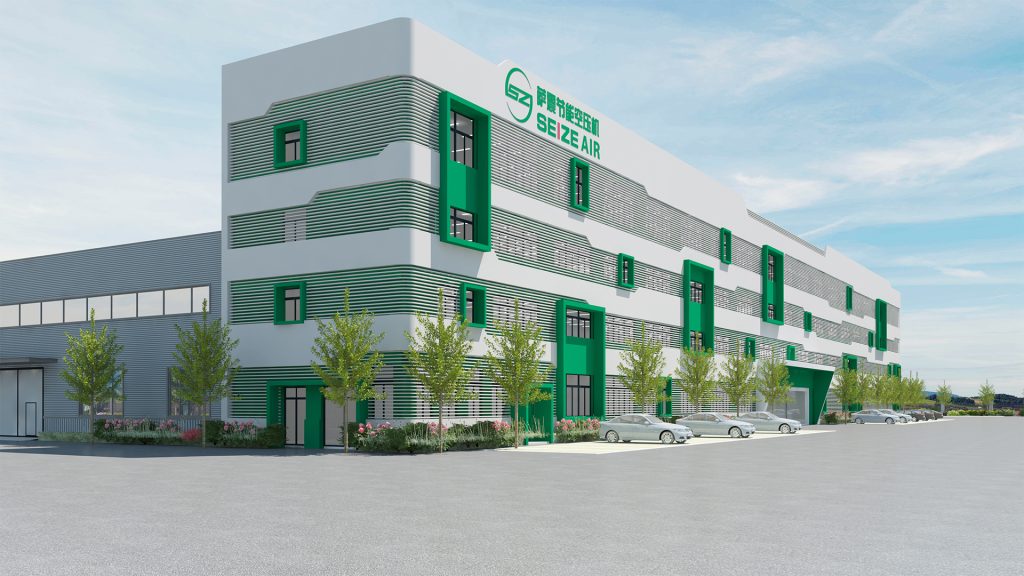
A true air compressor manufacturer in China controls its own production process. These suppliers typically provide:
- Dedicated assembly and testing facilities
- Stable component sourcing and quality control
- Engineering-driven product development
- Customization for voltage, pressure, and application
For industrial buyers, manufacturers usually offer the highest level of reliability.
OEM / ODM Suppliers
OEM suppliers manufacture compressors for third-party brands. Some operate at a high technical level, while others rely on basic assembly with limited process control. Transparency is critical when working with this type of supplier.
Trading Companies
Trading companies act as intermediaries and do not manufacture compressors themselves. While they may offer attractive pricing and quick communication, they often lack technical depth and long-term service responsibility—factors that matter significantly for industrial equipment.
Key Criteria for Evaluating an Air Compressor Supplier in China
Manufacturing Capability and Process Control
A reliable supplier should clearly demonstrate:
- Factory ownership or long-term production control
- Standardized assembly procedures
- Dedicated testing areas for performance verification
- Clear traceability of core components
Suppliers who avoid detailed discussions about manufacturing processes often represent higher long-term risk.
Product Range and Application Knowledge
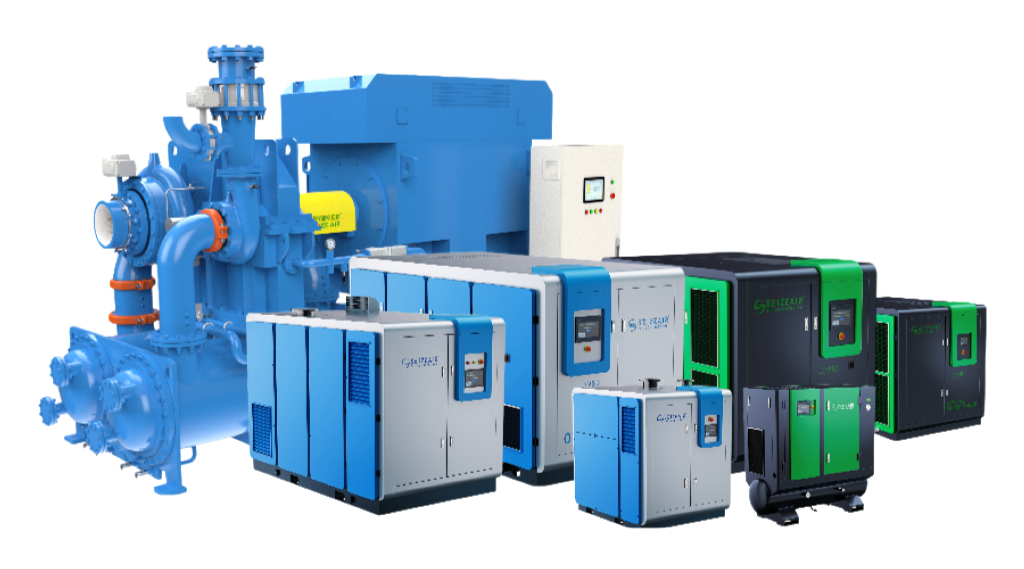
Established air compressor suppliers in China typically offer a diversified product portfolio, including:
- Piston air compressors
- Oil-injected screw compressors
- Oil-free screw air compressors
- Portable and diesel-driven units
- Integrated systems with dryers and filters
A broader range usually reflects deeper technical expertise and better application understanding.
Certifications and International Compliance
Export-focused suppliers should be familiar with:
- ISO 9001 quality management systems
- CE conformity requirements
- Pressure vessel standards (ASME or equivalents)
- Industry-specific regulations for food, pharmaceutical, or medical air
Compliance awareness reduces import risk and simplifies project execution.
Quality Testing and Performance Verification
Professional manufacturers perform:
- No-load and full-load operational testing
- Temperature and vibration monitoring
- Noise level measurement
- Pressure and airflow stability checks
Requesting actual test data—rather than generic claims—is a practical way to assess supplier seriousness.
Pricing: Understanding Value Beyond the Initial Quote
When sourcing from an air compressor supplier China, price alone can be misleading. Extremely low quotations often indicate compromises in:
- Motor efficiency
- Air-end quality
- Cooling system design
- Component durability
Experienced buyers compare suppliers based on total cost of ownership, considering energy consumption, maintenance intervals, spare parts availability, and expected service life.
Export Capability and Communication Standards
Suppliers with strong export experience usually provide:
- Voltage and frequency customization
- Multilingual technical documentation
- Export-grade packaging
- Familiarity with international logistics and customs procedures
Clear technical communication before purchase is often a reliable indicator of post-sales support quality.
Common Risks When Choosing a Supplier in China
Some warning signs include:
- Inconsistent specifications across documents
- Over-reliance on stock images
- Vague warranty terms
- Lack of a defined spare parts strategy
Recognizing these early helps buyers avoid operational disruptions later.
Comparison Table: Reliable Manufacturer vs. Average Supplier
| Evaluation Aspect | Reliable Air Compressor Manufacturer | Average Supplier |
|---|---|---|
| Factory Control | Owns production facilities | Outsourced or unclear |
| Product Testing | Full-load & performance testing | Basic checks only |
| Technical Support | Application-focused | Sales-oriented |
| Certifications | Complete & current | Partial |
| Export Experience | Global markets | Limited regions |
| After-Sales Service | Defined & structured | Reactive |
How to Find the Most Reliable Air Compressor Supplier in China
Finding the best supplier is less about marketing claims and more about structured evaluation. Below is a practical framework used by experienced industrial buyers.
Confirm You Are Working with a Real Manufacturer
A trustworthy China air compressor factory should clearly demonstrate:
- Physical production facilities
- Fixed assembly lines and testing equipment
- Consistent product specifications
- In-house engineering involvement
Suppliers unwilling to provide this information are often intermediaries rather than manufacturers.
Focus on Technical Dialogue, Not Sales Language
Reliable suppliers ask detailed questions about:
- Required airflow and pressure
- Duty cycle and operating environment
- Energy efficiency expectations
- Future expansion or system integration
This application-driven approach reflects real technical capability.
Request Evidence of Performance Testing
Professional air compressor manufacturers in China regularly document:
- Operational testing results
- Noise and temperature behavior
- Stability under continuous load
Such data helps verify real-world performance, not just catalog values.
Evaluate Export Experience and Market Adaptability
An experienced air compressor exporter China understands:
- Regional voltage standards
- Compliance differences by market
- Packaging requirements for long-distance transport
This expertise directly impacts installation success overseas.
Clarify After-Sales Support and Spare Parts Availability
Reliable suppliers clearly define:
- Warranty scope
- Spare parts lead time
- Remote technical support options
- Maintenance guidance
Air compressors are long-term assets, and service readiness matters as much as product quality.
Look for Signs of Long-Term Partnership
Suppliers focused on long-term cooperation often demonstrate:
- Stable product platforms
- Transparent cost structures
- Willingness to support distributors and OEM partners
- Continuous technical improvement
This is why some buyers choose established industrial manufacturers such as Seize—not for branding reasons, but for predictable quality, export experience, and lifecycle reliability in demanding industrial environments.
Final Thoughts
Sourcing from an air compressor supplier in China offers significant opportunities—but only when decisions are based on structured evaluation rather than price alone. By focusing on manufacturing capability, technical transparency, compliance, and long-term support, buyers can build partnerships that deliver stable performance and sustainable value.
In today’s global market, reliability is not claimed—it is proven through process, consistency, and experience.