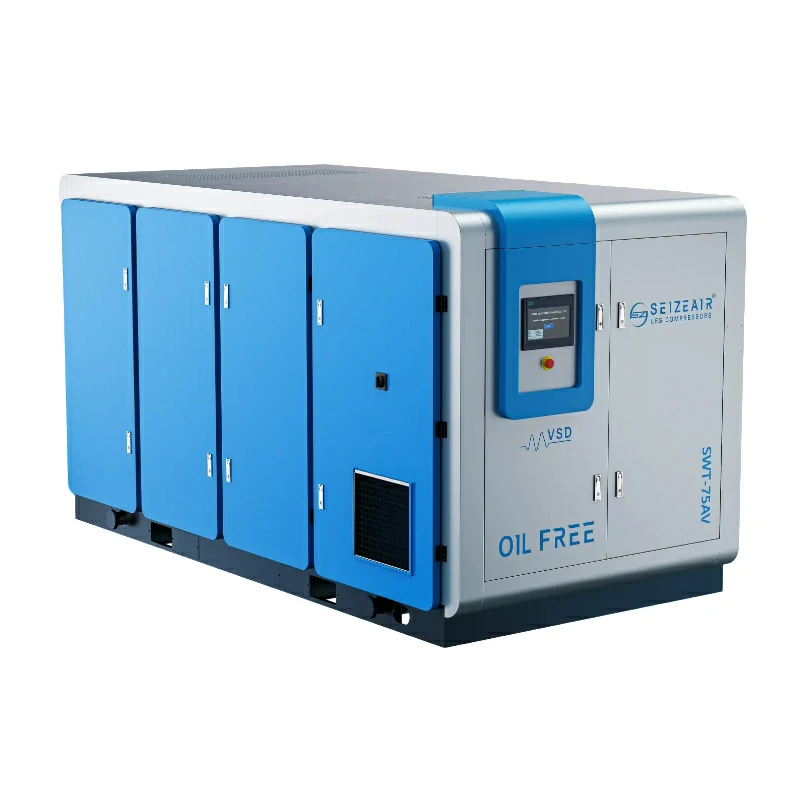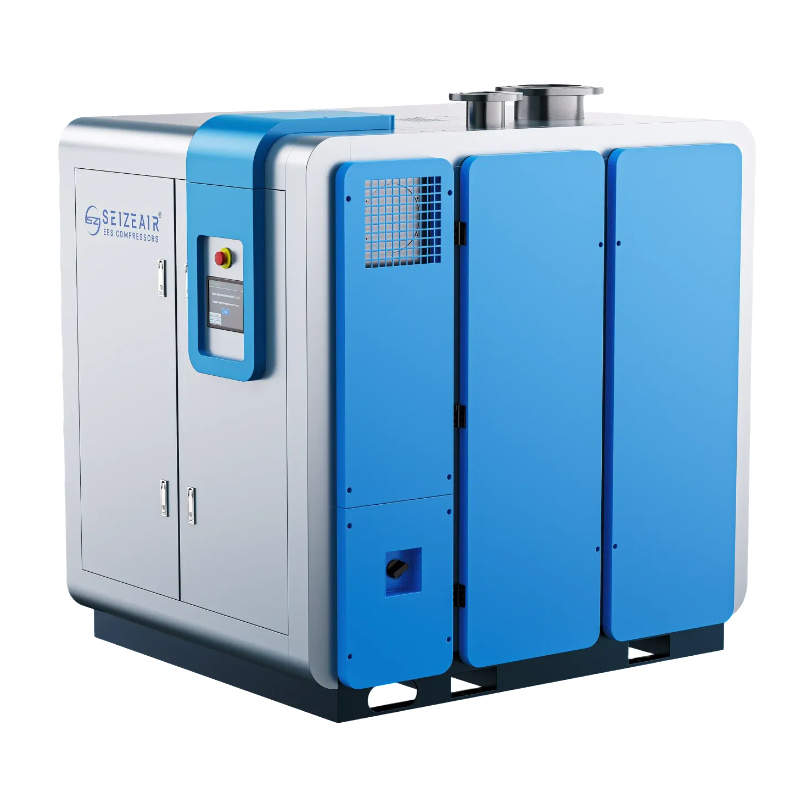


In industrial production, air compressors are essential equipment, widely used in manufacturing, energy, chemical, pharmaceutical, and other industries. Whether you’re purchasing an industrial air compressor or evaluating the performance and efficiency of existing equipment, understanding the differences between oil-lubricated and oil-free compressors will help you make a more informed decision. This article will explore the pros and cons of each type, their suitable applications, and how to choose the right one based on your specific needs.
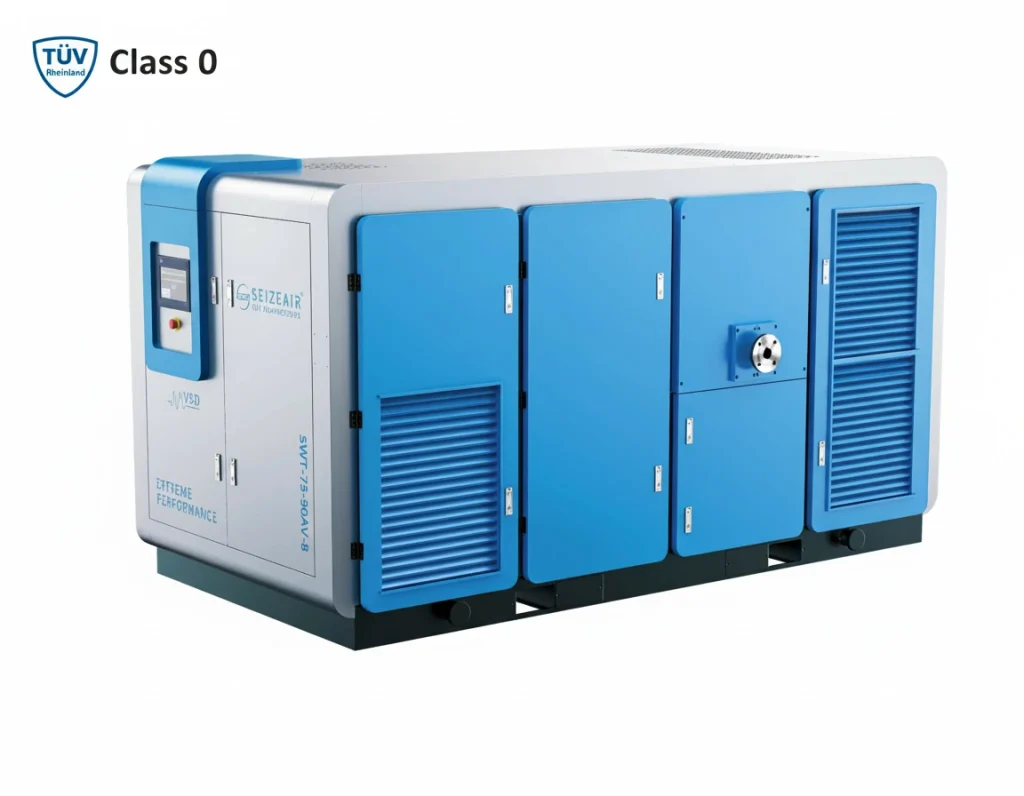
What are Oil-Lubricated and Oil-Free Industrial Air Compressors?
Oil-lubricated and oil-free compressors are distinguished mainly by their lubrication systems. These differences affect their operation, performance, and maintenance needs. Understanding the fundamentals of each type is crucial when selecting the right compressor.
Oil-Lubricated Industrial Air Compressors
Oil-lubricated compressors use oil to lubricate the moving parts inside the compressor. This oil reduces friction, helps cool the machine, and extends the equipment’s lifespan. This type of compressor is suitable for environments with high workloads and long operating hours.
How It Works:
The rotors, pistons, and other components inside the oil-lubricated compressor are lubricated by oil, which reduces friction and improves compression efficiency. The oil not only lubricates but also serves as a cooling agent to prevent overheating and damage to the parts.
Pros:
- High Efficiency: Oil-lubricated compressors perform well under heavy loads and can run continuously in demanding environments.
- Longer Lifespan: The oil helps protect the components from wear and tear, extending the machine’s life.
- Ideal for Heavy-Duty Work: They provide robust power, making them suitable for factories that need continuous operation.
Cons:
- Requires Regular Oil Changes: The oil degrades over time and needs to be replaced regularly.
- Potential Air Contamination: Oil particles may mix with the compressed air, which is not suitable for industries requiring clean air, such as food processing or pharmaceuticals.
- Complex Maintenance: The oil system needs routine checks to ensure there’s enough clean oil and that the oil hasn’t degraded.
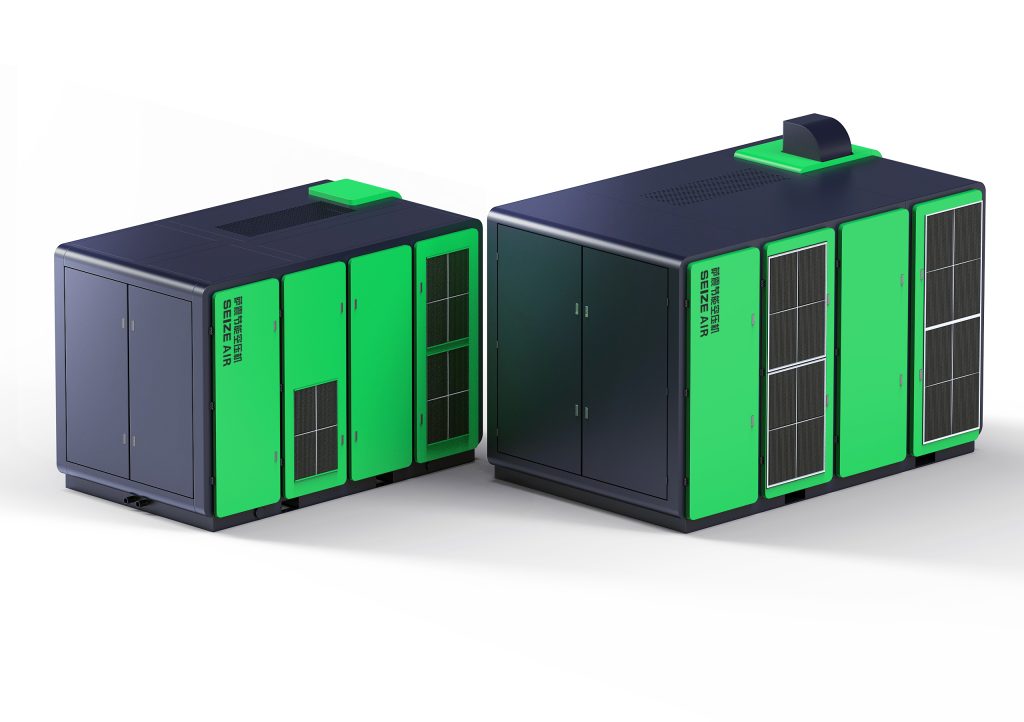
Oil-Free Industrial Air Compressors
Oil-free compressors do not use lubricating oil. They are designed with advanced materials and technologies that minimize friction, improving efficiency without the need for oil. Oil-free compressors are ideal for industries that require high-quality, clean air.
How It Works:
In oil-free compressors, parts are designed to withstand friction using specialized materials. These compressors do not require oil to lubricate the components, relying on precision engineering to ensure smooth and efficient operation.
Pros:
- No Air Contamination: Because there is no oil, the compressed air remains clean, making oil-free compressors ideal for industries like food processing, pharmaceuticals, and electronics.
- Low Maintenance: With no oil to replace, these compressors have lower maintenance requirements, reducing downtime and operational costs.
- Energy-Efficient and Environmentally Friendly: Oil-free compressors eliminate the need for oil disposal and reduce environmental impact, making them an eco-friendly option.
Cons:
- Higher Initial Cost: Oil-free compressors generally cost more upfront compared to their oil-lubricated counterparts.
- Shorter Lifespan: Without the oil’s protective lubrication, parts may wear out more quickly, leading to a shorter lifespan.
- Less Adaptable to Extreme Conditions: Oil-free compressors may not perform as well in high-load or high-temperature environments as oil-lubricated models.
How to Choose the Right Compressor Based on Your Environment?
When selecting the right industrial air compressor, the operating environment plays a significant role in determining whether an oil-lubricated or oil-free compressor is the better choice.
1. Workload Requirements
For industries that require long, continuous operation under heavy loads (such as heavy manufacturing, mining, etc.), oil-lubricated compressors are typically a better option. These environments demand high performance, and oil-lubricated systems can handle prolonged use more effectively.
2. Air Quality Standards
If your industry requires air quality standards (like in food production, pharmaceuticals, electronics), an oil-free compressor is the ideal choice. It ensures that the compressed air remains free from oil particles, which is essential for sensitive processes.
3. Energy Efficiency and Maintenance Costs
The energy efficiency and maintenance costs of oil-lubricated compressors are key factors in the decision-making process. Although oil-lubricated systems are more efficient at high loads, they tend to consume more energy and require frequent maintenance, which can increase long-term costs. In contrast, oil-free compressors have a higher initial investment but offer lower maintenance costs and better energy efficiency, making them a more economical choice in the long run.
Performance Comparison: Oil-Lubricated vs. Oil-Free Compressors
When comparing oil-lubricated and oil-free compressors, the primary differences are in performance, maintenance, and longevity. Choosing the right compressor depends on the specific workload, air quality requirements, and your budget.
Pros of Oil-Lubricated Compressors:
- Efficient, ideal for high-load environments.
- Longer lifespan with lower maintenance frequency.
- Can handle higher temperatures and pressures.
Pros of Oil-Free Compressors:
- No contamination of compressed air, ideal for clean air requirements.
- Low maintenance and reduced operational costs.
- Eco-friendly, energy-efficient, and suitable for long-term operation.
How to Choose the Right Industrial Air Compressor?
When purchasing an industrial air compressor for sale, there are a few factors to consider:
1. Assess Your Work Needs
Choose the type of compressor based on your workload. If you need a compressor for high-load, long-duration operations and air cleanliness is not a concern, an oil-lubricated compressor is likely the better choice. However, if your operations require clean air and you want to minimize maintenance costs, an oil-free compressor is the way to go.
2. Cost vs. Benefit Analysis
While oil-free compressors require a higher upfront investment, their energy efficiency and low maintenance make them a cost-effective choice for long-term operations. On the other hand, oil-lubricated compressors may have a lower initial cost but incur higher maintenance and energy consumption over time.
3. Long-Term Planning
Choose a compressor based on the long-term needs of your business. Oil-lubricated compressors are better for industries requiring continuous, heavy-duty operation, while oil-free compressors are more suitable for industries where air purity and low maintenance are crucial.
Frequently Asked Questions (FAQ)
Q1: Does an oil-free air compressor require no maintenance?
While oil-free compressors generally require less maintenance than oil-lubricated models, they are not completely maintenance-free. Regular checks, especially of the air filters and cooling system, are still necessary to ensure smooth operation. Additionally, since there is no oil to lubricate the parts, wear can occur more quickly, making periodic inspections vital to extend the life of the equipment.
Q2: Do oil-lubricated compressors negatively impact the environment?
Oil-lubricated compressors can have a negative environmental impact if not properly maintained. The oil used in these compressors can be released into the air, causing pollution, and improper disposal of used oil can harm the environment. However, with proper filtration and waste management systems, the environmental impact can be minimized. Businesses should consider their environmental policies and available facilities for oil disposal when choosing an oil-lubricated compressor.
Q3: Can an oil-free air compressor handle high temperatures?
Oil-free compressors are generally not as efficient in high-temperature environments compared to oil-lubricated models. Without oil for additional cooling, the internal parts may experience greater friction and wear in high-temperature settings. If your operation involves sustained high temperatures, an oil-lubricated compressor is recommended for better performance.
Conclusion
Choosing the right industrial air compressor is not just about the initial purchase cost; it’s also about long-term performance and maintenance costs. Oil-lubricated compressors are ideal for heavy-duty, high-load environments, while oil-free compressors offer cleaner air and lower maintenance, making them perfect for industries that require high-quality compressed air.
Whether you are searching for an industrial air compressor for sale or considering an upgrade, understanding the differences between these two types will help you make a more informed choice, ensuring optimal efficiency and longevity for your operations.
If you are looking for high-performance industrial air compressors, Seize brand compressors are an excellent choice. With cutting-edge technology and superior quality, Seize compressors are built to support your business operations effectively.