

Choosing the right high pressure air compressor for industrial operations is more than just picking a machine with the highest output. The correct sizing affects efficiency, energy costs, maintenance, and overall system reliability. Under-sizing can lead to frequent downtime, while over-sizing increases upfront cost and energy consumption.
This guide walks through the factors that determine the ideal size of a high pressure air compressor, including pressure and flow requirements, operating conditions, energy efficiency considerations, and real-world industrial applications. Practical insights from Seize compressors are included to illustrate best practices.
Why Compressor Sizing Matters
The size of your high pressure air compressor directly impacts production efficiency and operational costs. Key reasons proper sizing is essential:
- Operational Reliability: Insufficient airflow or pressure can cause production interruptions and inconsistent results.
- Energy Efficiency: Oversized compressors run inefficiently at partial load, consuming more electricity.
- Maintenance and Lifespan: Compressors operating consistently near their rated capacity experience less wear and tear than those running far above or below optimal load.
By analyzing your facility’s needs before purchase, you can balance performance, energy consumption, and total cost of ownership.
Factors to Consider When Determining Compressor Size
Airflow Requirements (CFM)
Airflow, measured in cubic feet per minute (CFM), is one of the most critical factors in sizing a compressor. You should calculate peak demand and average consumption, considering:
- Number of machines or tools using compressed air
- Simultaneous operation vs. sequential operation
- Future expansion or additional production lines
Pressure Requirements (PSI or Bar)
Pressure determines how much work the compressed air can perform. Industrial applications often require high-pressure systems:
- Pneumatic tools: 90–120 PSI
- Paint spraying: 100–150 PSI
- High-pressure cleaning or testing: 200–300 PSI
Matching your pressure needs with the compressor’s rated capacity ensures consistent performance and prevents unnecessary strain.
Duty Cycle and Operating Hours
The duty cycle describes how long the compressor can operate before requiring rest:
- Continuous-duty compressors handle 100% operation without overheating
- Intermittent-duty compressors are suitable for applications with pauses between operations
Facilities with high operating hours benefit from continuous-duty, energy-efficient high pressure air compressors like those from Seize.
Environmental Conditions
Ambient temperature, humidity, dust levels, and installation space affect performance and longevity:
- High-temperature environments may require additional cooling systems
- Dusty or corrosive atmospheres may necessitate specialized filters and enclosures
- Available space can dictate the footprint and layout of the compressor and piping
Energy Efficiency
High-pressure compressors consume significant energy. Consider models with:
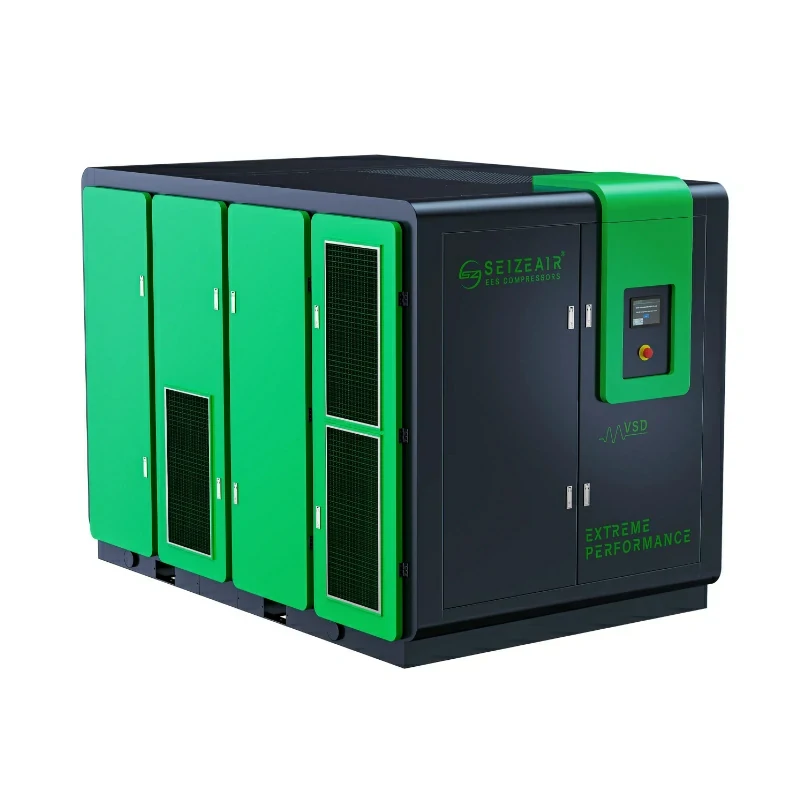
- Variable Frequency Drives (VFD) to adjust motor speed based on demand
- High-efficiency motors and low-friction components
- Remote monitoring for real-time operational optimization
Investing in energy-efficient models reduces long-term operating costs and enhances sustainability.
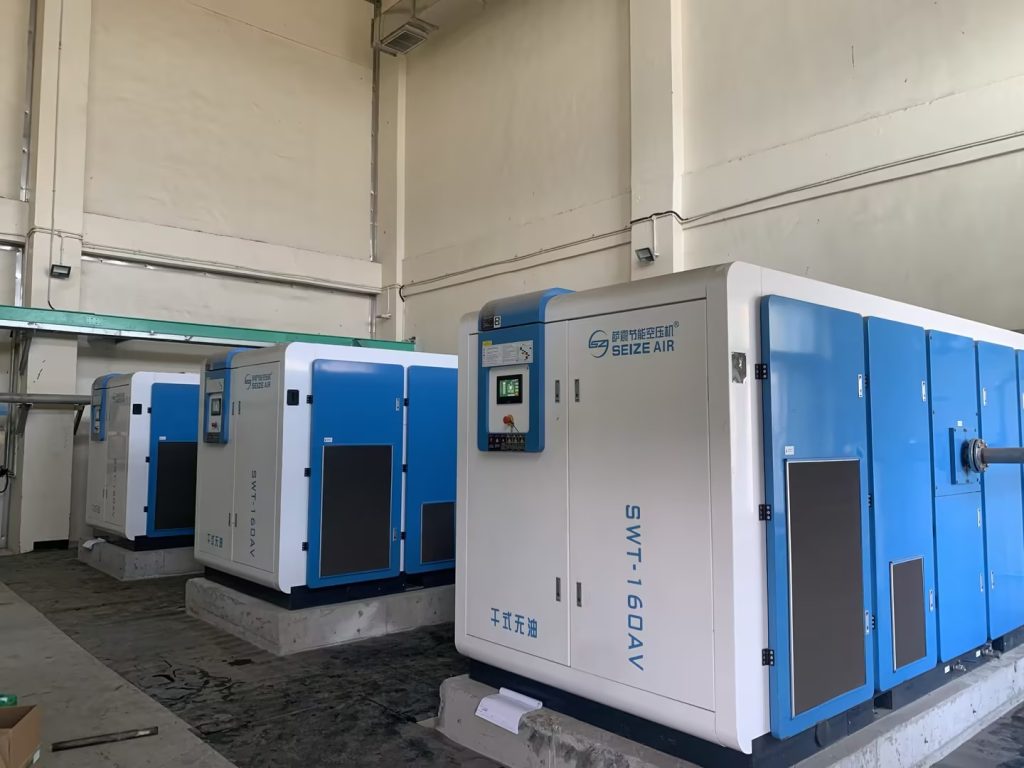
Types of High Pressure Air Compressors and Their Applications
| Compressor Type | Pressure Range | Typical Applications | Key Advantages |
|---|---|---|---|
| Piston / Reciprocating | 100–450 PSI | Laboratories, small-scale production | Compact, reliable, lower initial cost |
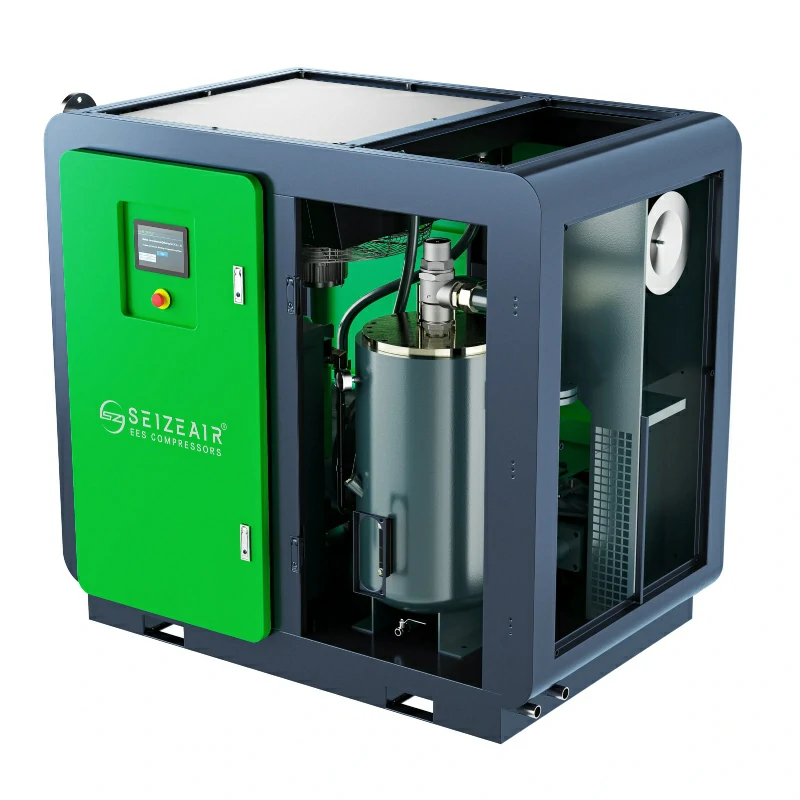
| Screw / Rotary Air Compressor | 150–300 PSI | Industrial manufacturing, food processing | Continuous operation, quiet, energy-efficient |
| High-Pressure Centrifugal Air Compressor | 300–1,000 PSI | Specialty processes, high-flow requirements | Large-scale, high output, suitable for multiple simultaneous applications |
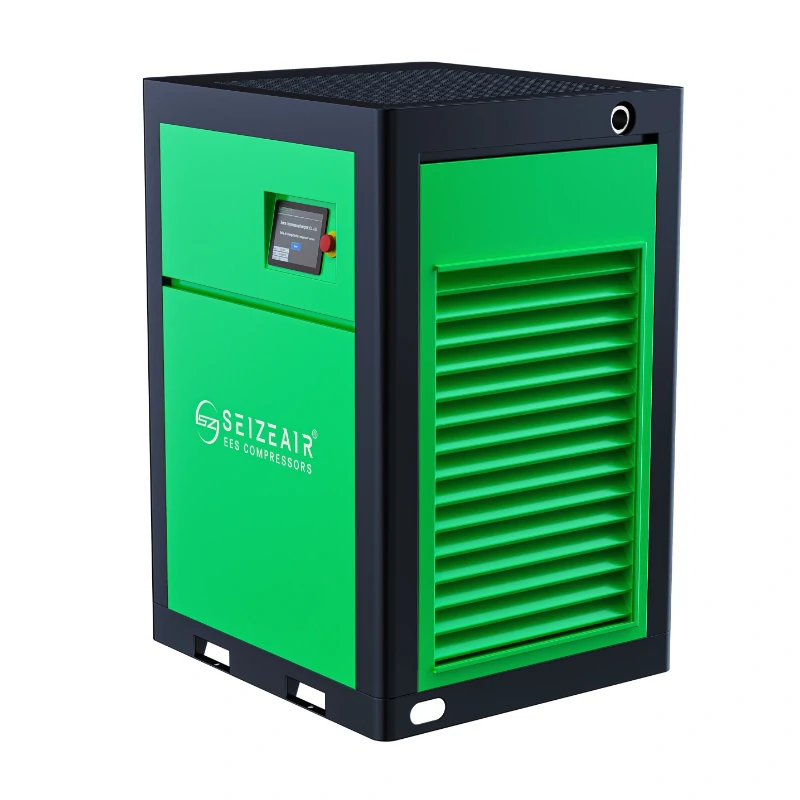
Seize offers solutions across all these types, enabling industrial users to select the most suitable high pressure air compressor for their specific requirements.
How to Calculate the Right Compressor Size
To determine the optimal size:
- Sum Up Total Air Demand: Add the CFM of all tools and machines running simultaneously.
- Adjust for Safety Factor: Include a 10–20% margin for peak demand or future expansion.
- Match Pressure Requirements: Ensure the compressor can maintain required PSI without exceeding rated limits.
- Consider Duty Cycle: Choose continuous-duty models for facilities running long hours.
- Consult Supplier Expertise: Experienced suppliers like Seize provide audits and custom sizing to prevent under- or over-sizing.
Example:
A manufacturing plant with 15 pneumatic tools operating simultaneously, each consuming 12 CFM at 120 PSI, would require a compressor delivering at least 180 CFM. Adding a 15% safety margin, the facility should choose a high pressure air compressor rated around 210 CFM at 120 PSI.
Installation, Maintenance, and Lifecycle Considerations
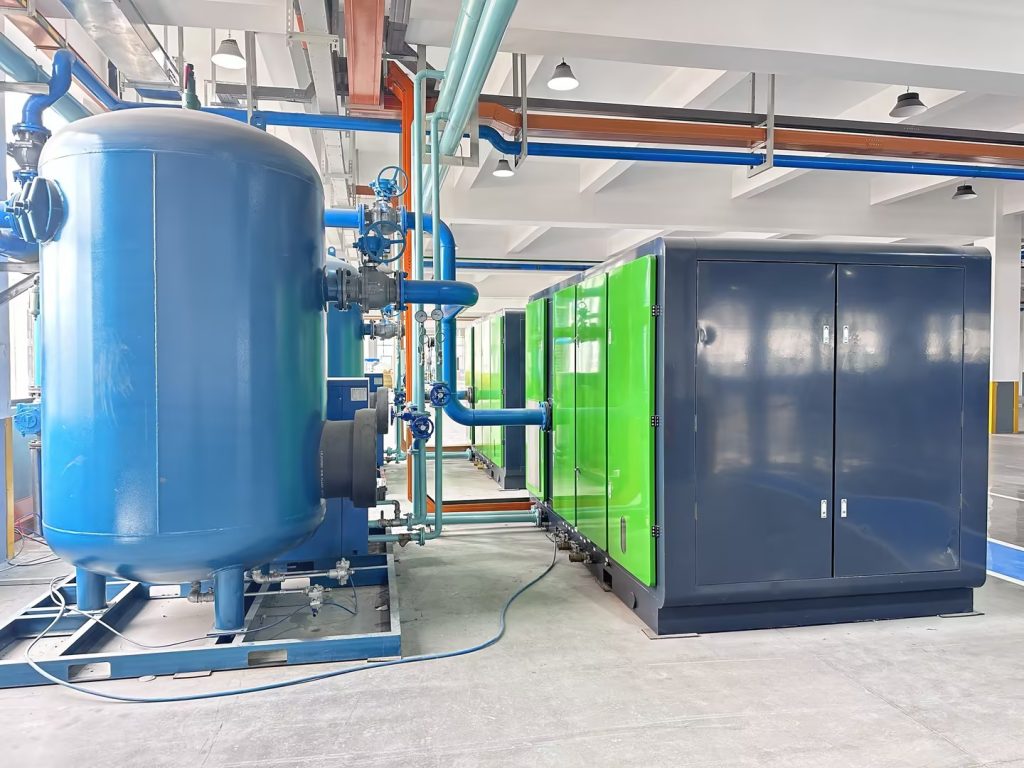
Proper installation and maintenance play a critical role in ensuring your high pressure air compressor operates efficiently and reliably:
- Installation: Correct foundation, vibration isolation, piping layout, and electrical connections prevent premature wear and energy loss.
- Routine Maintenance: Regular filter changes, lubrication, and inspections maintain performance.
- Predictive Maintenance: Vibration, temperature, and pressure monitoring help identify potential issues early.
- Energy Monitoring: Tracking consumption ensures operations remain efficient and identifies opportunities for improvement.
Facilities using Seize compressors often report reduced downtime and more consistent output due to comprehensive maintenance and smart monitoring systems.
Real-World Applications of High Pressure Air Compressor
Automotive Manufacturing Plant
The plant required high-pressure air for painting and assembly. Using a Seize screw compressor rated for 300 PSI and 250 CFM, they achieved consistent airflow across all production lines, reduced energy costs by around 15%, and minimized tool downtime.
Food Processing Facility
A facility producing packaged goods needed continuous high-pressure air for filling and sealing machines. Installing a Seize high-pressure centrifugal compressor ensured uninterrupted production with minimal noise and lower maintenance compared to their old piston compressors.
Tips for Choosing the Right High Pressure Air Compressor
- Conduct a detailed assessment of peak and average air demand
- Include a 10–20% safety margin to accommodate growth and peaks
- Match compressor type with operating hours and duty cycle
- Factor in environmental conditions such as temperature, humidity, and dust
- Consider energy-efficient options with VFDs or smart monitoring
- Work with a reliable supplier like Seize for audit, installation, and ongoing support
Conclusion
Selecting the right high pressure air compressor for industrial use requires balancing airflow, pressure, duty cycle, energy efficiency, and environmental considerations. Correct sizing ensures reliable production, reduces energy consumption, minimizes maintenance, and extends equipment lifespan.
Partnering with experienced suppliers like Seize ensures tailored solutions, professional installation, and ongoing support, helping industrial facilities achieve long-term efficiency and cost-effectiveness.