

Choosing an industrial air compressor isn’t like buying a home appliance; it’s a capital investment that dictates the efficiency of your entire production line. Whether you are setting up a new facility or upgrading an aging system, this comprehensive guide serves as your roadmap to making a high-ROI decision.
What areYour Air Requirements
Before looking at brands or price tags, you must understand the “load” your facility demands.
- Total CFM: Sum up the requirements of all pneumatic tools, machinery, production lines, packaging systems, and auxiliary processes intended to run simultaneously. This includes every air-powered device, from small hand tools and spray guns to large automated assembly lines, hydraulic systems, and pneumatic conveying equipment. Be sure to account for both active production tools and backup systems to avoid underestimating total air demand, which can lead to your industrial air compressor being overworked and inefficient.
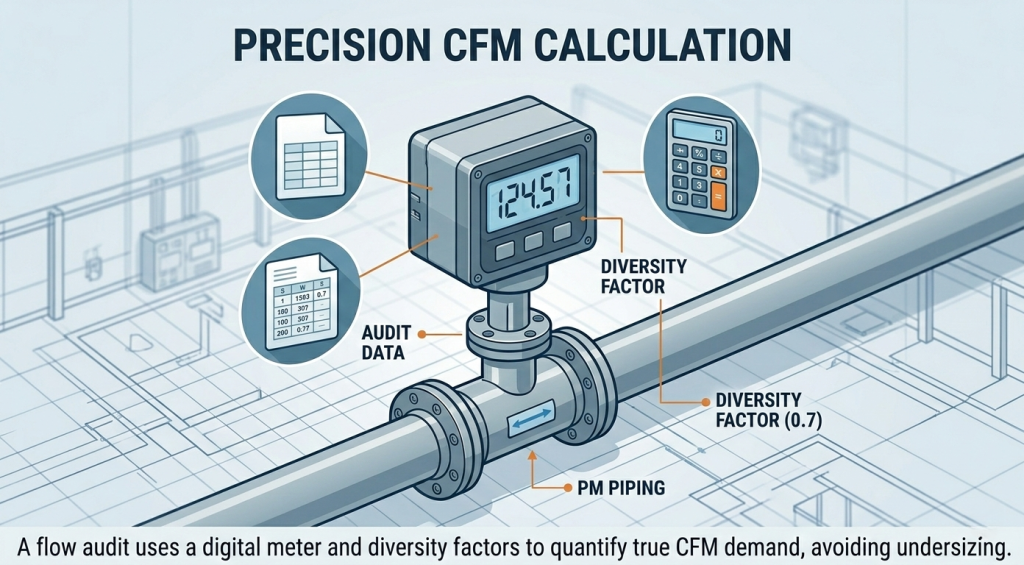
- The 25% Rule: Always add a 25% buffer to your total CFM to account for future expansion, unexpected production increases, gradual system leaks, pressure drops in long piping runs, and additional equipment you may integrate later. This buffer ensures your industrial air compressor never operates at maximum capacity continuously, reducing mechanical stress, extending service life, maintaining consistent pressure, and avoiding performance limitations as your business grows. Neglecting this buffer is one of the leading causes of industrial air compressor burnout and production bottlenecks.
Duty Cycle Considerations
Duty cycle defines how long your industrial air compressor can operate continuously before requiring a cooling period, and matching this specification to your usage pattern is critical for longevity and reliability. Operating a compressor outside its designed duty cycle leads to overheating, motor damage, increased maintenance, and complete system failure, making this a non-negotiable factor in your selection process.
- Piston Compressors: Best for intermittent use (60-70% duty cycle), ideal for small auto shops, construction sites, repair garages, woodworking facilities, and low-volume operations where air demand is inconsistent throughout the day. These units are cost-effective for short bursts of activity but are not designed for continuous 24/7 operation, as they will overheat and wear out quickly if forced to run beyond their duty cycle limits.
- Rotary Screw Compressors: Designed for 100% duty cycle (continuous operation), making them the gold-standard industrial air compressor for heavy manufacturing, food processing plants, chemical facilities, automotive production lines, and any environment requiring non-stop compressed air. Their robust design allows them to run continuously without performance degradation, making them essential for facilities that cannot afford downtime or inconsistent airflow.
Application Type & Industrial Air Compressor Matching
Different industries have unique operational standards, air quality requirements, and production demands that directly dictate the ideal industrial air compressor technology. Selecting a system tailored to your specific application ensures compliance, efficiency, and longevity, while a generic compressor will fail to meet industry regulations or operational needs.
Construction & Mining: Portable Rotary Screw Compressors — High mobility, rugged construction, and powerful airflow for on-site drilling, pneumatic tools, and heavy-duty operations in remote locations.
Small Auto Shop: Reciprocating / Piston — Low initial cost, simple maintenance, and sufficient power for light, intermittent use such as tire inflation, spray painting, and small tool operation.
Food & Beverage: Oil-Free Rotary Screw — Zero contamination risk, compliance with strict food safety standards, and clean, dry air to protect consumable products from oil or particulate exposure.
Heavy Manufacturing: Oil-Lubricated Screw — Superior durability, high CFM output, and reliable performance for continuous, high-demand production lines, metal fabrication, and heavy machinery operation.
Pharmaceutical & Medical: Centrifugal / Oil-Free — Ultra-pure, sterile air quality compliant with medical and pharmaceutical industry regulations, ensuring no contaminants compromise sensitive products or processes.
Electronics Manufacturing: Oil-Free Industrial Air Compressor — Prevents oil contamination that could damage microcircuits, semiconductors, and sensitive electronic components during production.
2. Choosing the Right Compressor Technology
The “heart” of your system depends on your specific industry needs. Each type of industrial air compressor uses distinct mechanical processes, compression methods, and design structures that influence efficiency, noise levels, maintenance frequency, air purity, and operational lifespan. Understanding the differences between compressor technologies allows you to select an industrial air compressor that aligns perfectly with your facility’s demands, budget, and long-term goals.
Rotary Screw Compressors
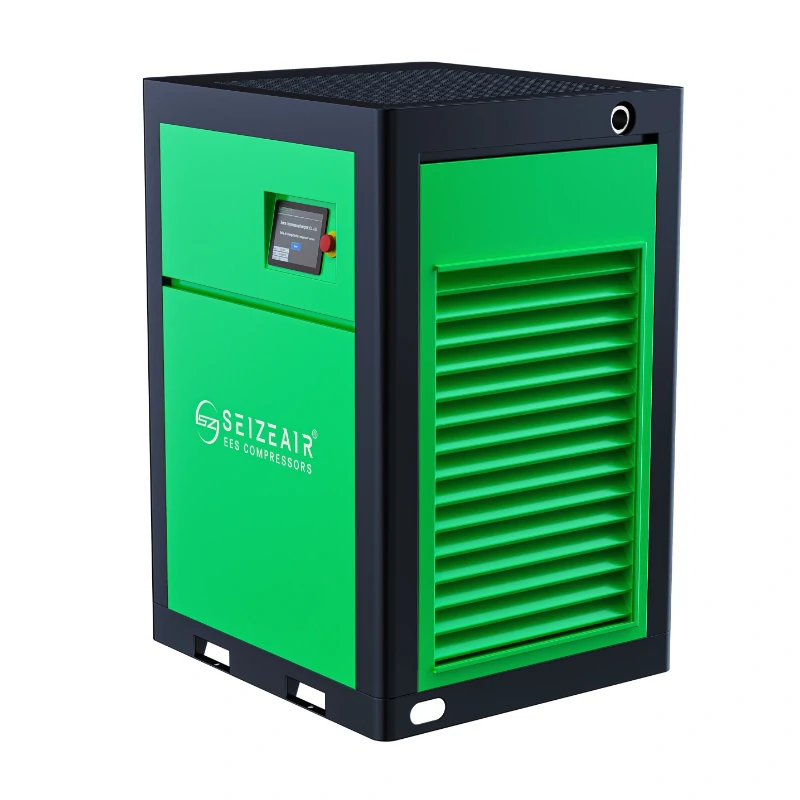
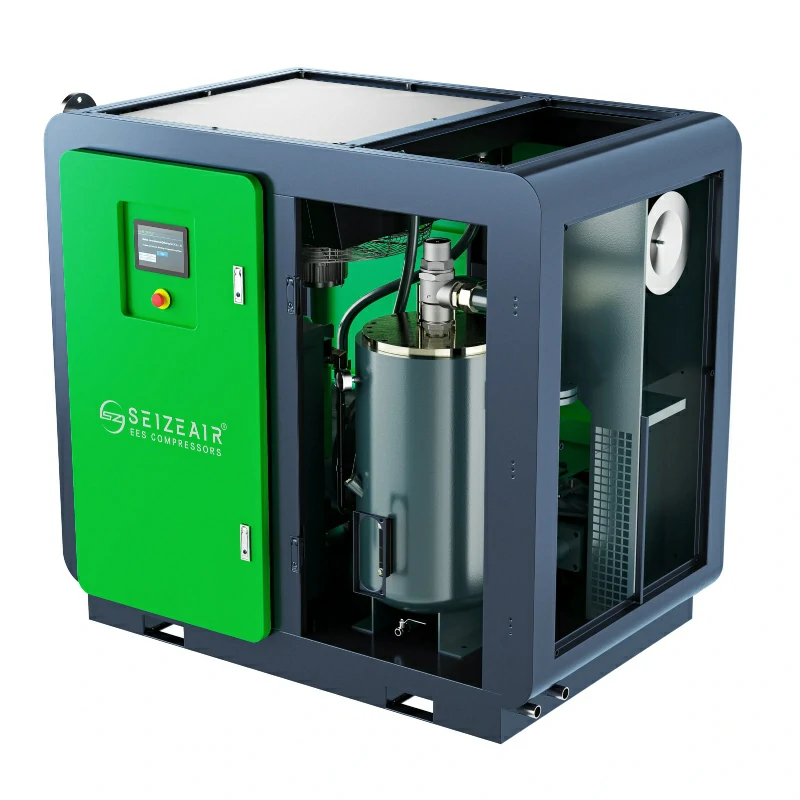
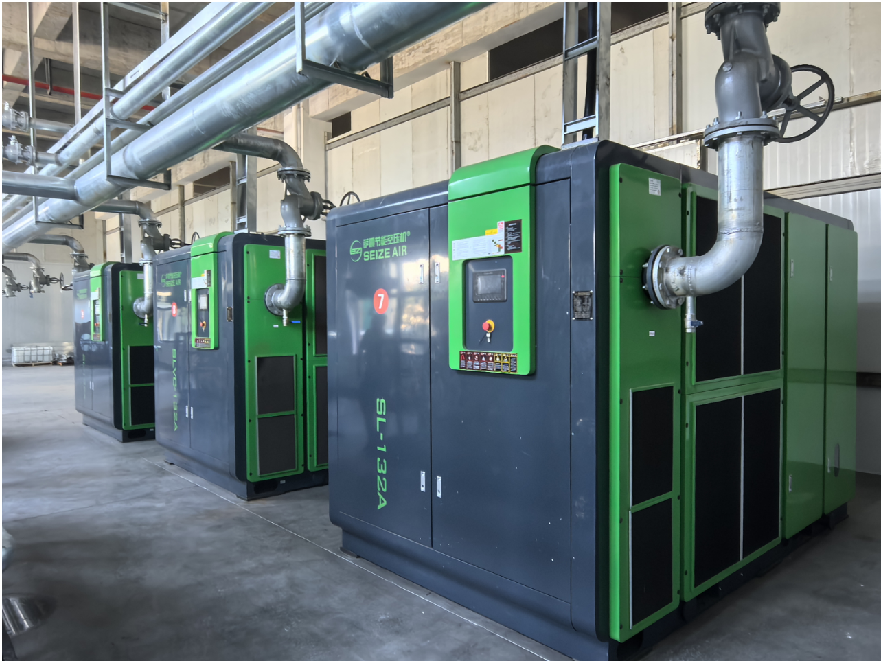
The workhorse of modern industry. Rotary screw compressors are the most widely used industrial air compressor for medium to large-scale operations, valued for their quiet operation, consistent airflow, energy efficiency, low vibration, and ability to run continuously without performance decline. Unlike piston compressors, rotary screw units use two interlocking helical screws to compress air, delivering a steady, pulsation-free airflow that is critical for sensitive production equipment. If your facility requires a steady stream of high-pressure air for extended periods, brands like Seize offer optimized rotary screw designs that focus on energy recovery, noise reduction, heat recycling, and minimal maintenance, enhancing workplace comfort while drastically lowering long-term utility expenses. This technology dominates industrial settings due to its balance of power, efficiency, and reliability.
Oil-Free vs. Oil-Injected Compressors
The choice between oil-injected and oil-free technology is one of the most critical decisions when selecting an industrial air compressor, as it directly impacts air quality, product safety, equipment lifespan, and compliance with industry regulations. This choice is not just about performance—it’s about protecting your production, your customers, and your brand reputation.
- Oil-Injected: Uses oil to lubricate, cool, and seal the compression chamber, reducing friction and improving overall efficiency. This design offers exceptional durability and cost-effectiveness, making it the most popular choice for general manufacturing, construction, metalworking, and heavy industry. However, oil-injected systems require high-quality filtration and separation systems to remove oil contaminants from compressed air, making them unsuitable for applications where air purity is non-negotiable. For facilities without strict air quality rules, an oil-injected industrial air compressor provides an optimal balance of performance and affordability.
- Oil-Free: Essential for electronics manufacturing, laboratories, food and beverage production, pharmaceutical processing, medical facilities, and aerospace industries where even a trace of oil can ruin products, damage sensitive components, or violate strict health and safety regulations. Oil-free industrial air compressor designs eliminate lubrication in the compression chamber, using specialized coatings and materials to reduce friction without oil, ensuring 100% clean, contaminant-free air. While these units have a higher upfront cost, they eliminate the risk of product contamination and reduce long-term filtration expenses, making them indispensable for purity-critical applications.
Reciprocating Piston Compressors
Reciprocating piston compressors are the traditional choice for small-scale industrial and light commercial applications, offering a cost-effective solution for low-demand operations. These units use pistons and cylinders to compress air, making them simple to operate, easy to maintain, and affordable to install. While not suitable for continuous 24/7 use, a high-quality reciprocating industrial air compressor is ideal for small workshops, auto repair shops, construction sites, and facilities with intermittent air usage. They are available in single-stage and two-stage configurations, with two-stage models providing higher pressure and efficiency for more demanding tasks, making them versatile options for businesses with limited operational needs.
Centrifugal Compressors
Centrifugal compressors represent the highest-capacity industrial air compressor technology, designed for extremely large-scale operations requiring massive volumes of compressed air. Using high-speed impellers to generate airflow, these units deliver exceptional efficiency, reliability, and pure air output for petrochemical plants, power generation facilities, large-scale manufacturing, and industrial processing plants. Centrifugal industrial air compressor systems are engineered for continuous, high-volume operation, offering minimal maintenance requirements and long service lifespans. While they require a larger initial investment, their unmatched efficiency and capacity make them the only viable option for industrial facilities with extreme air demand.
Power and Energy Efficiency
80% of a compressor’s lifetime cost comes from electricity, not the purchase price.
Fixed Speed vs. VSD (Variable Speed Drive)
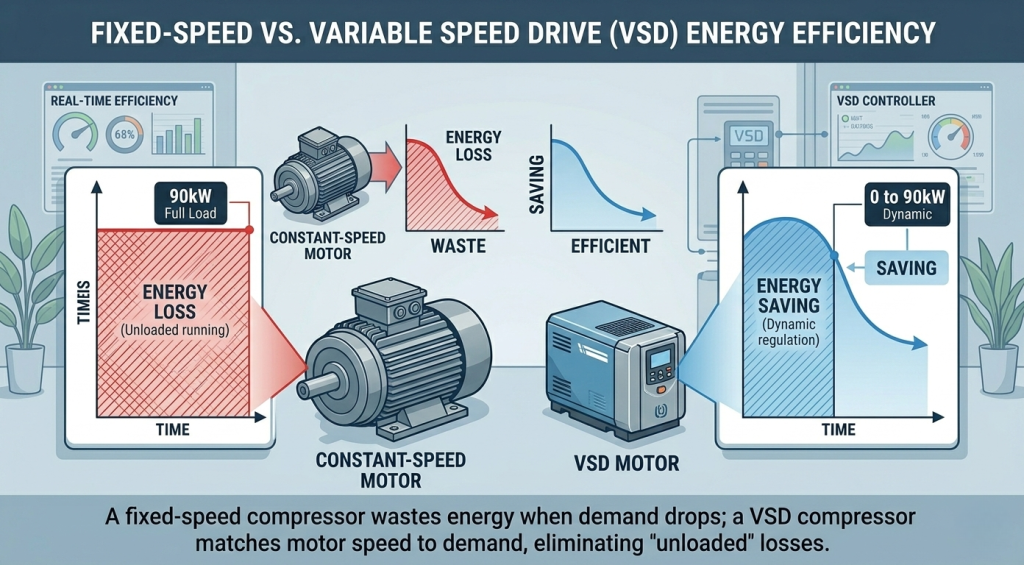
The control system of your industrial air compressor determines how efficiently it uses power under fluctuating air demand conditions, making this one of the most impactful choices for long-term energy savings. The difference between fixed-speed and VSD technology can define your compressor’s operational cost for its entire lifespan.
- Fixed Speed: Runs at a constant RPM regardless of actual air usage, maintaining full power even when demand is low. This design is best if your facility has consistent, non-fluctuating air demand that remains at 100% throughout shifts, such as continuous production lines with stable output. Fixed-speed units have a lower upfront cost but waste significant energy when air demand decreases, leading to higher long-term expenses.
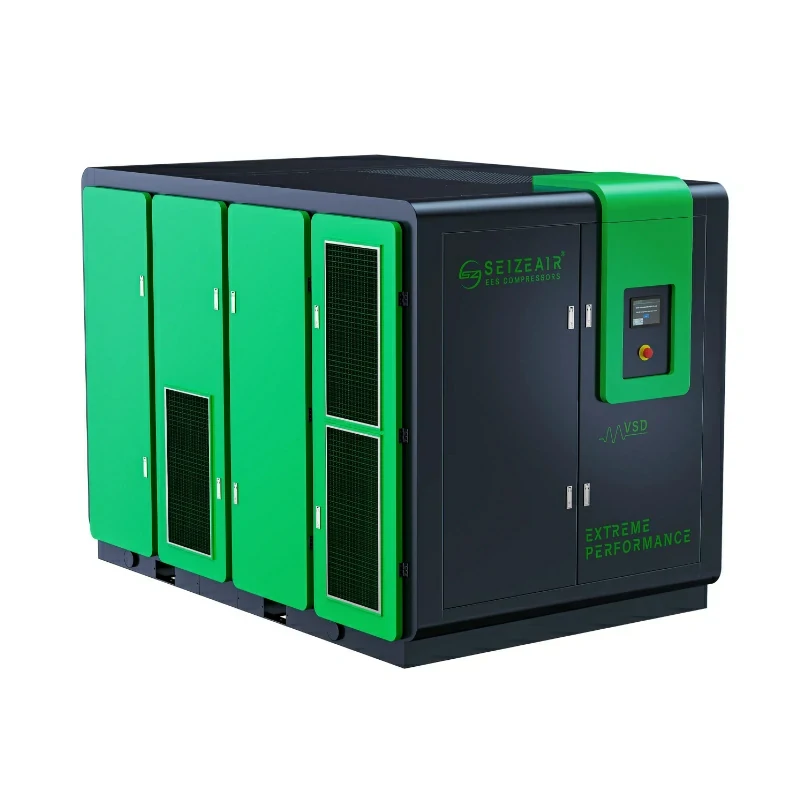
- VSD (Variable Speed Drive): Adjusts the motor speed in real time to match exact air demand, reducing power consumption when airflow needs are lower and ramping up during peak usage. For facilities with fluctuating shifts, varying production levels, intermittent air usage, or multiple operational zones, a VSD industrial air compressor can reduce energy bills by up to 35%, drastically cutting operational overhead and improving sustainability. VSD technology also reduces mechanical stress, extends equipment life, and lowers maintenance costs by preventing constant cycling and pressure spikes.
Energy Efficiency Ratings & Certifications
When selecting an industrial air compressor, always look for official energy efficiency ratings, certifications, and compliance with regional industrial standards. High-efficiency units often carry certifications that verify their performance, helping you identify models that deliver maximum output with minimal energy consumption. Reputable manufacturers like Seize design their industrial air compressor lines to meet or exceed global efficiency standards, incorporating advanced motor technology, optimized compression components, heat recovery systems, and low-friction designs to minimize power waste. Investing in a certified high-efficiency industrial air compressor not only reduces monthly energy costs but also makes your facility eligible for green energy incentives, tax rebates, and utility provider discounts in many regions.
Heat Recovery & Energy Recycling
Modern industrial air compressor systems can capture and reuse the heat generated during compression, turning wasted energy into a valuable resource for your facility. Compression naturally produces large amounts of heat, which is typically released into the atmosphere as waste—however, advanced heat recovery systems can capture this energy and repurpose it for space heating, water heating, industrial process heating, or preheating ventilation air. This technology transforms your industrial air compressor from a single-purpose machine into a multi-functional energy asset, further reducing overall facility energy costs and improving sustainability. Many Seize industrial air compressor models include integrated heat recovery functionality, allowing you to maximize efficiency and minimize waste without additional complex installations.
Air Quality and Post-Compression Treatment
The air coming out of the pump is hot, wet, and dirty. To protect your downstream equipment, your checklist must include:
Aftercoolers
Aftercoolers are the first line of defense in post-compression treatment, rapidly reducing the temperature of compressed air exiting the industrial air compressor. By lowering air temperature, aftercoolers condense and remove up to 70% of moisture from the airflow, preventing water buildup in pipes, reducing heat stress on downstream equipment, and improving overall system efficiency. Integrating an aftercooler into your industrial air compressor setup protects valves, tools, and production machinery from heat damage while creating a more stable, controlled compressed air environment.
Dryers: Refrigerated vs. Desiccant
Even after passing through an aftercooler, compressed air still contains residual moisture that can lead to pipe corrosion, tool rust, and product contamination. Dryers eliminate this moisture, ensuring your industrial air compressor delivers only clean, dry air to your production lines.
- Refrigerated Dryers: Cool compressed air to remove moisture, making them the most cost-effective and commonly used solution for general industrial applications. They are ideal for facilities where moderate dew point levels are sufficient, offering reliable performance with low maintenance requirements.
- Desiccant Dryers: Use absorbent materials to extract moisture, achieving extremely low dew points essential for pharmaceutical, electronics, food processing, and outdoor applications. These dryers are necessary when absolute dryness is required to protect sensitive processes or products, making them a critical component for purity-focused industrial air compressor systems.
Filtration Systems
Filtration is non-negotiable for maintaining air quality and protecting your industrial air compressor and downstream equipment. Multi-stage filtration systems remove contaminants at every level, ensuring clean, safe air reaches every part of your facility:
- Coalescing Filters: Remove oil aerosols, water droplets, and microscopic particulates from compressed air, critical for oil-injected industrial air compressor systems and purity-sensitive applications.
- Particulate Filters: Capture dust, dirt, rust, and debris that accumulate in piping systems, preventing damage to valves, tools, and production machinery.
- Carbon Filters: Eliminate odors and hydrocarbon vapors, essential for food and beverage, pharmaceutical, and laboratory environments where air purity directly impacts product safety.
Air Receivers
Air receivers act as storage buffers for compressed air, stabilizing pressure, reducing industrial air compressor cycling, and absorbing demand surges during peak operation. By storing excess air, these tanks prevent your compressor from turning on and off constantly, reducing energy waste, mechanical wear, and pressure fluctuations. A properly sized air receiver improves overall system efficiency, extends the life of your industrial air compressor, and ensures consistent airflow even when multiple tools or processes operate simultaneously.
Condensate Management & Drainage
Condensate—mixtures of water, oil, and contaminants—accumulates in compressed air systems and must be properly drained to prevent damage and environmental violations. Automatic condensate drains remove buildup without manual intervention, ensuring your industrial air compressor and piping remain clean, dry, and efficient. Proper condensate management is essential for maintaining system integrity, complying with environmental regulations, and avoiding costly cleanup or maintenance issues caused by trapped moisture and contaminants.
Installation and Room Design
Where you put your industrial air compressor matters as much as what you buy.
Ventilation & Temperature Control
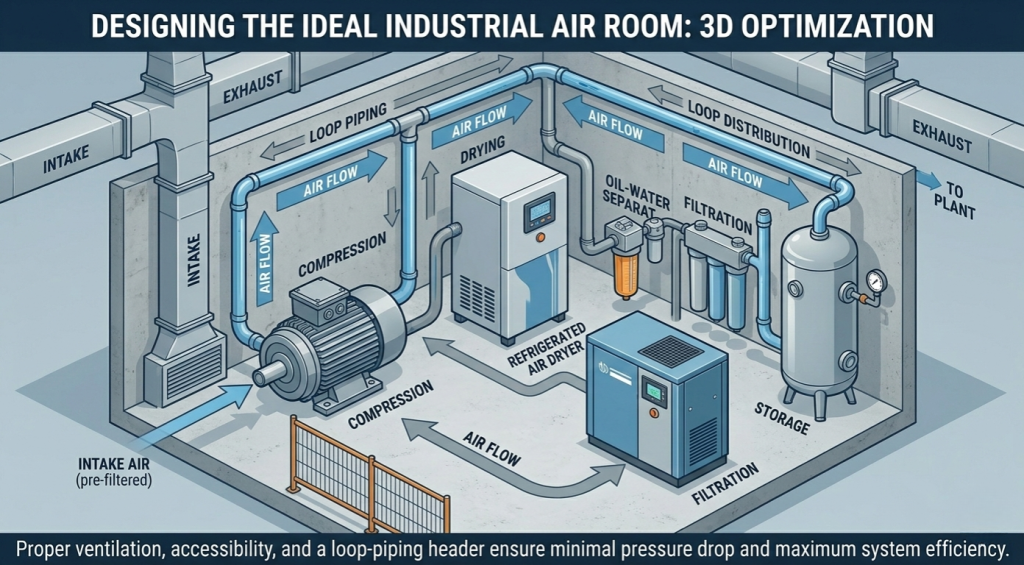
Industrial air compressors generate massive amounts of heat during operation, and overheating is one of the leading causes of motor failure, reduced performance, and emergency shutdowns. Ensure the compressor room has adequate airflow, exhaust systems, ventilation fans, or cooling units to maintain safe operating temperatures. Proper ventilation prevents heat buildup, maintains consistent performance, protects internal components, and ensures your industrial air compressor operates at peak efficiency regardless of external weather conditions or operational intensity.
Accessibility & Maintenance Clearance
Leave at least 3 feet of clearance around the entire industrial air compressor unit for routine maintenance, inspections, filter changes, belt adjustments, repairs, and emergency service. Cramped installations make basic maintenance difficult or impossible, leading to neglected upkeep, accelerated wear, and unexpected breakdowns. Adequate accessibility simplifies servicing, reduces downtime, and extends the life of your compressor by ensuring technicians can quickly and safely perform necessary tasks.
Piping Material, Layout & Pressure Drop
Piping design directly impacts the performance of your industrial air compressor, with poor layouts causing pressure drops, leaks, and inefficiency.
Leak Prevention: Use high-quality fittings, seals, and connections to minimize air leaks, which waste up to 30% of compressed air in poorly maintained systems. Regular inspections and proper installation prevent leaks, reducing energy waste and ensuring your industrial air compressor operates at full efficiency.
Piping Material: Avoid PVC (it can shatter under pressure and pose severe safety risks). Use aluminum, stainless steel, or copper piping for maximum durability, leak resistance, smooth airflow, and compatibility with high-pressure output from your industrial air compressor. These materials resist corrosion, reduce pressure loss, and ensure long-term reliability.
Piping Layout: Design a logical, efficient layout with minimal bends, elbows, and restrictions to reduce pressure drop and improve airflow. Proper layout ensures consistent pressure across your facility, prevents bottlenecks, and maximizes the effectiveness of your industrial air compressor system.
Noise Reduction & Workplace Safety
Industrial air compressors can produce high noise levels during operation, which can violate workplace safety regulations and create uncomfortable working environments. Choose a compressor with integrated noise reduction technology, and design the installation space with sound-dampening materials, proper insulation, and dedicated compressor rooms to protect employees and maintain compliance with occupational safety standards. A quieter, safer workspace improves productivity, employee satisfaction, and regulatory compliance while enhancing overall operational efficiency.
The Maintenance Checklist
Preventive maintenance is the key to maximizing uptime, reliability, and lifespan for any industrial air compressor. A structured, proactive maintenance schedule reduces breakdowns, improves efficiency, lowers long-term costs, and avoids costly emergency repairs that halt production. Reactive maintenance—only fixing problems after they occur—leads to extended downtime, expensive component replacements, and premature industrial air compressor failure.
| Component | Action | Frequency |
| Air Filters | Inspect/Clean | Weekly |
| Oil Levels | Check | Daily |
| Condensate Drains | Verify Function | Daily |
| Belts/Couplings | Inspect Tension | Monthly |
| Full Service | Professional Audit | Every 2000-4000 Hours |
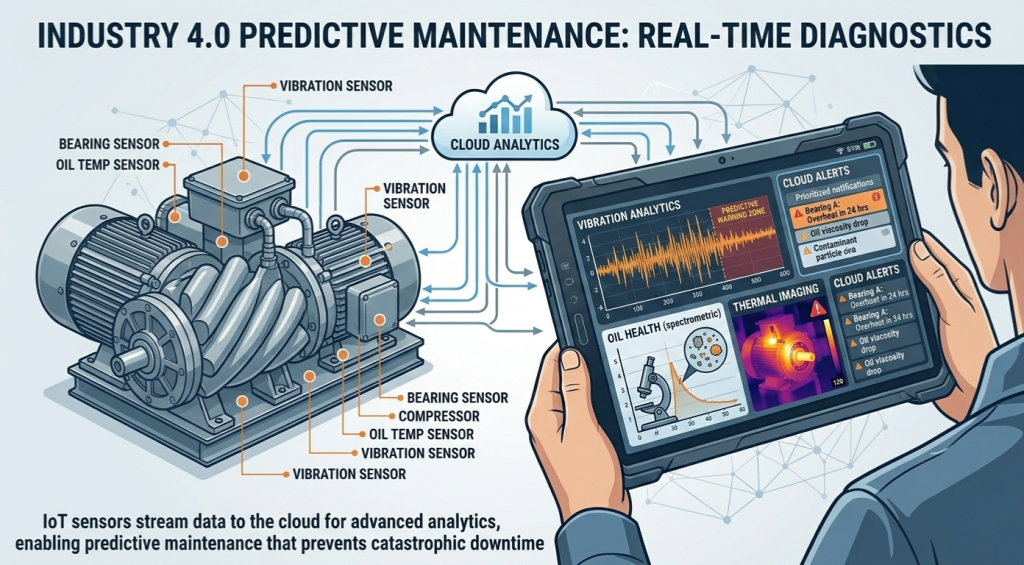
6. Smart Monitoring and Industry 4.0
Modern industrial air compressors are now “smart.” Look for systems that offer:
- Remote Monitoring: Get alerts on your phone before a failure occurs.
- Sequencing: If you have multiple units, a master controller ensures they wear evenly and run at peak efficiency.
- Data Logging: Tracking your air usage helps identify leaks in the factory floor—leaks that often account for 20-30% of wasted energy.
7. Budgeting Beyond the Sticker Price
When evaluating an industrial air compressor, use the Total Cost of Ownership (TCO) formula:
$$TCO = Initial Price + Maintenance (10 years) + Energy Consumption (10 years)$$
Investing in a high-efficiency unit from a reputable manufacturer like Seize might cost more upfront, but the reduction in energy overhead typically covers the price difference within the first 18-24 months.
Conclusion
Selecting the right industrial air compressor is a balance of technical specs, environmental conditions, and long-term operational costs. By following this checklist—from CFM auditing to VSD implementation—you ensure that your facility remains productive, energy-efficient, and future-proof.
As you finalize your procurement plan, remember that the best systems are those that offer a blend of cutting-edge technology and rugged reliability. Seize provides a range of industrial solutions tailored to high-demand environments, ensuring your compressed air system is an asset, not a liability.