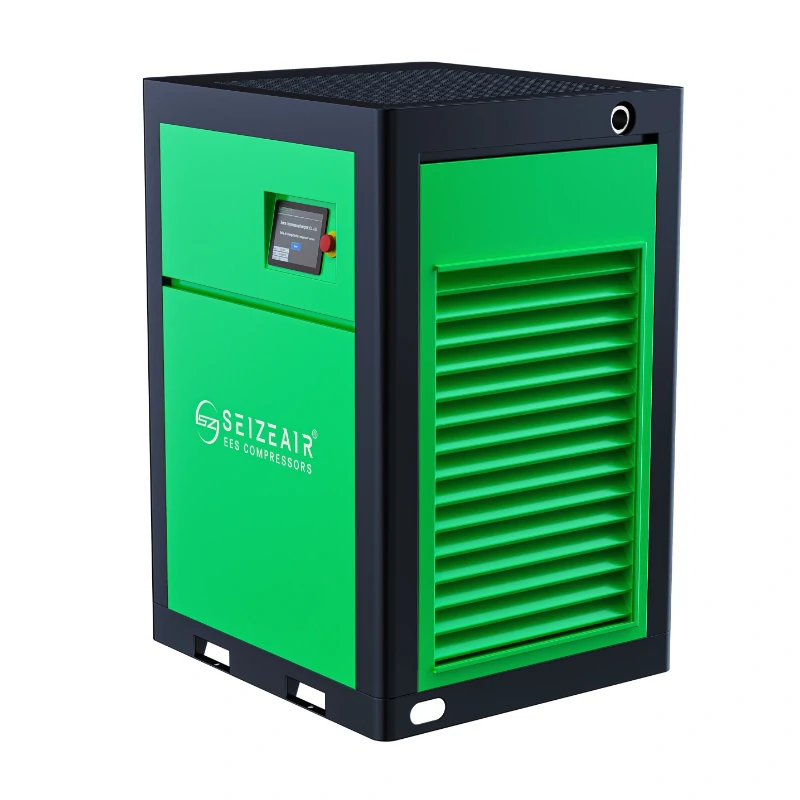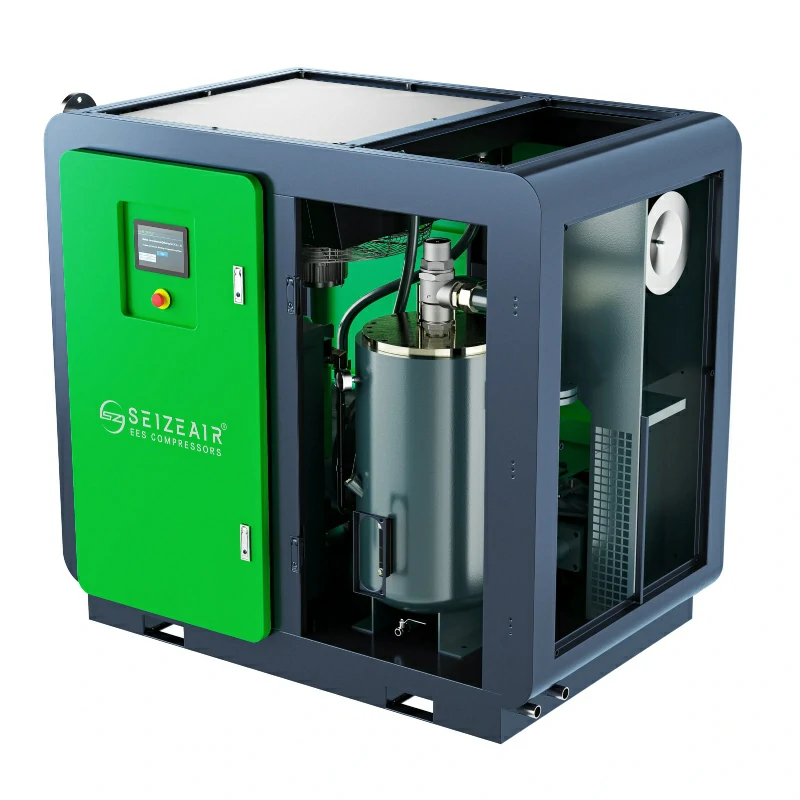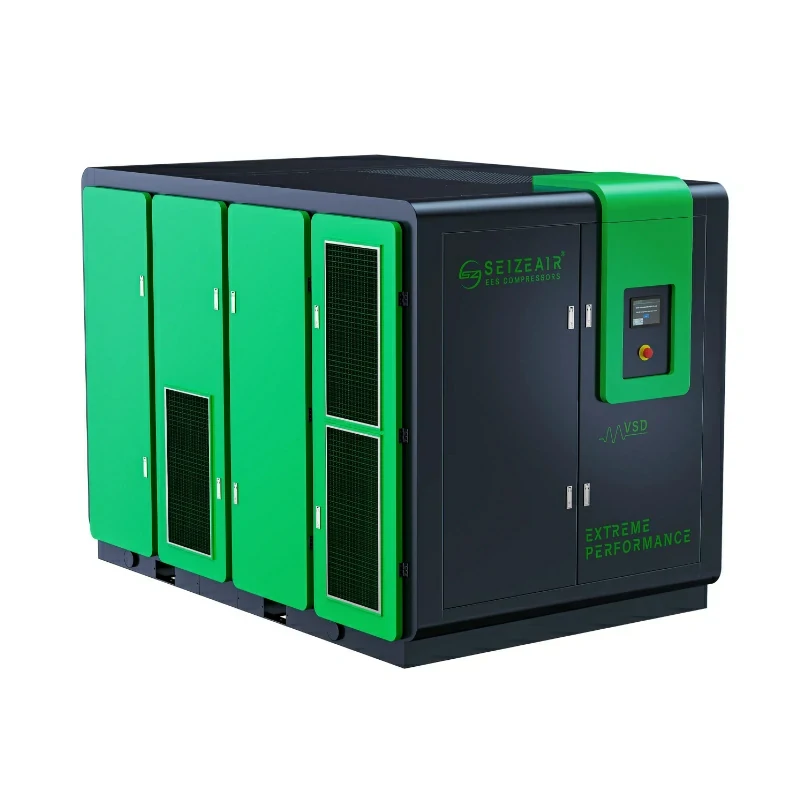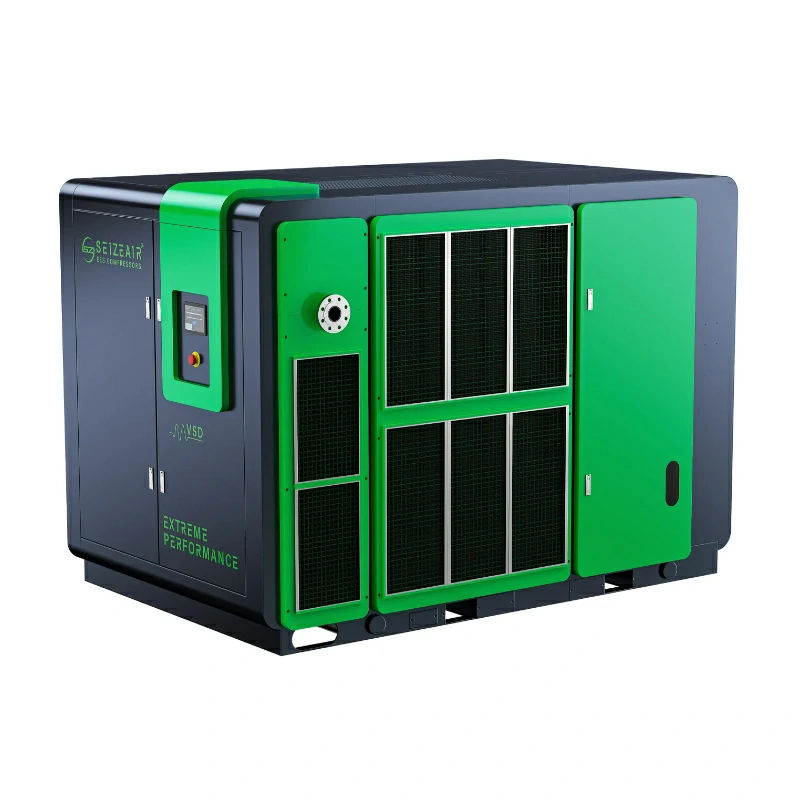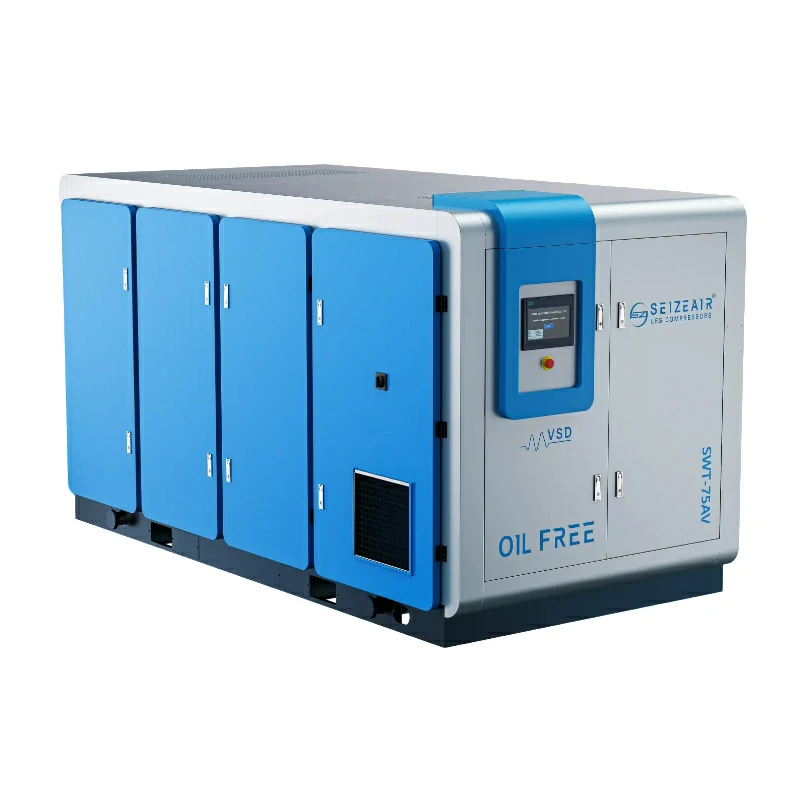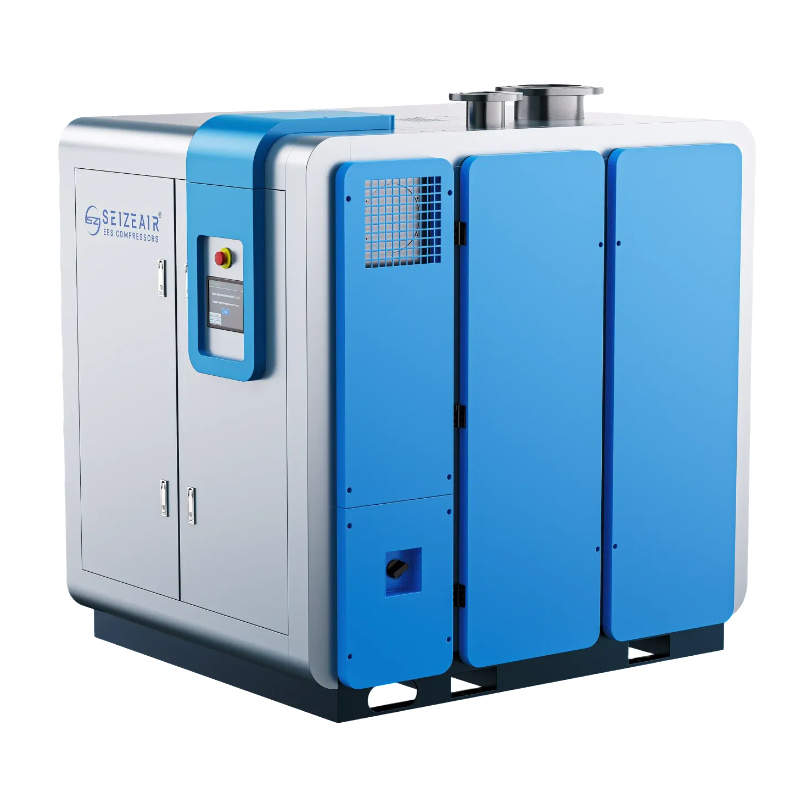


In modern manufacturing, an industrial air compressor is your “fourth utility”—and unlike electricity, its cost is entirely under your control. To protect your bottom line, you need an industrial air compressor engineered to stop draining your maintenance budget. This guide reveals how low-maintenance design translates into massive operational ROI and long-term reliability.
This guide provides a deep dive into how low-maintenance engineering translates into massive, measurable operational savings.
1. The True Cost of Compressed Air Ownership
To understand why low-maintenance design is critical, we must look at the “Iceberg Effect” of equipment costs. Most buyers focus on the purchase price, but that is merely the 10% visible above the water.
The 10-Year Lifecycle Breakdown
- Initial Capital Investment (10% – 15%): The “entry fee.” Opting for a cheaper unit here often guarantees higher costs elsewhere.
- Maintenance & Parts (15% – 20%): Includes lubricants, separators, intake filters, and the expensive labor required to swap them.
- Energy Consumption (65% – 75%): The dominant cost. A poorly maintained compressor works harder, drawing more Amps to produce the same CFM (Cubic Feet per Minute).
A “budget” industrial air compressor often utilizes lower-grade C3 bearings and undersized cooling arrays. This leads to rapid oil oxidation and “energy drag,” where the motor must overcome internal friction. By investing in a high-performance brand like Seize, you are strategically attacking the 85% of costs that occur after the machine is commissioned.
2. Engineering for Durability
The internal design of an industrial air compressor dictates how often a technician needs to open the cabinet. High-end units prioritize “Passive Reliability”—engineering that prevents wear before it starts.
The Superiority of Direct-Drive Systems
Many entry-level units utilize belt-drive systems. While cheaper to manufacture, they are a maintenance liability. Belts stretch under heat, slip (losing 2–4% efficiency), and eventually snap, leading to unplanned downtime that can cost a factory thousands of dollars per hour.
- The Direct-Drive Advantage: This design connects the motor shaft directly to the air end (the compression chamber) via a high-precision flexible coupling.
- Engineering Result: By eliminating pulleys and belts, you achieve 1:1 power transmission. There are no side-load forces on the motor bearings, which extends the motor’s life by up to 30% compared to belt-driven counterparts.
Advanced Multi-Stage Filtration
Contamination is the leading cause of air-end failure. A low-maintenance industrial air compressor must feature a robust separation chain:
- Centrifugal Separation: Uses a “cyclone” effect to throw bulk liquid water out of the air stream.
- Gravity Settlement: A large-volume sump tank slows down air velocity, allowing heavy oil droplets to fall.
- High-Efficiency Filter Element: A borosilicate glass fiber element captures sub-micron aerosols, ensuring the air sent downstream is “instrument quality.”
3. The Silent Maintenance Saver
Heat is the primary enemy of any industrial air compressor. When a system runs hot, the lubricant undergoes thermal cracking, turning a protective fluid into a corrosive sludge.
Oversized Aftercoolers & Heat Exchange
Standard compressors often use “marginal” cooling surfaces that barely meet spec at 25°C. However, a premium Seize industrial air compressor utilizes oversized aluminum bar-and-plate aftercoolers.
- The Benefit: This ensures the “Approach Temperature” (the difference between ambient air and discharge air) is kept within 5°C–8°C. This prevents moisture from condensing inside your expensive pneumatic tools and CNC machines.
Precision Thermostatic Valves
These valves act like a “brain” for the oil circuit. If the oil is too cold, it collects moisture; if it’s too hot, it thins out and fails to lubricate. By maintaining a steady 85°C to 95°C operating window, Seize systems prevent “varnishing”—a sticky resin that clogs solenoid valves and causes expensive air-end seizures.
4. Maintenance Intervals
How much labor and material are you actually saving? This table compares a standard unit against a high-performance Seize model over a 2-year period.
| Component / Task | Standard Industrial Unit | Seize High-Performance Series | Financial/Savings Impact |
| Oil Change Interval | 2,000 – 3,000 Hours | 6,000 – 8,000 Hours | 60% reduction in oil disposal costs. |
| Drive Train Care | Monthly Belt Tensioning | Annual Coupling Inspection | Eliminates 24+ hours of labor/year. |
| Bearing Greasing | Manual every 2,000 Hrs | Sealed / Auto-Lubricated | Prevents over/under-greasing errors. |
| Intake Filter Life | 1,500 – 2,000 Hours | 3,000 – 4,000 Hours | Cuts consumable costs by 50%. |
| Total Service Downtime | ~12 Hours / Year | ~3 Hours / Year | Increases production uptime. |
5. The VSD Revolution
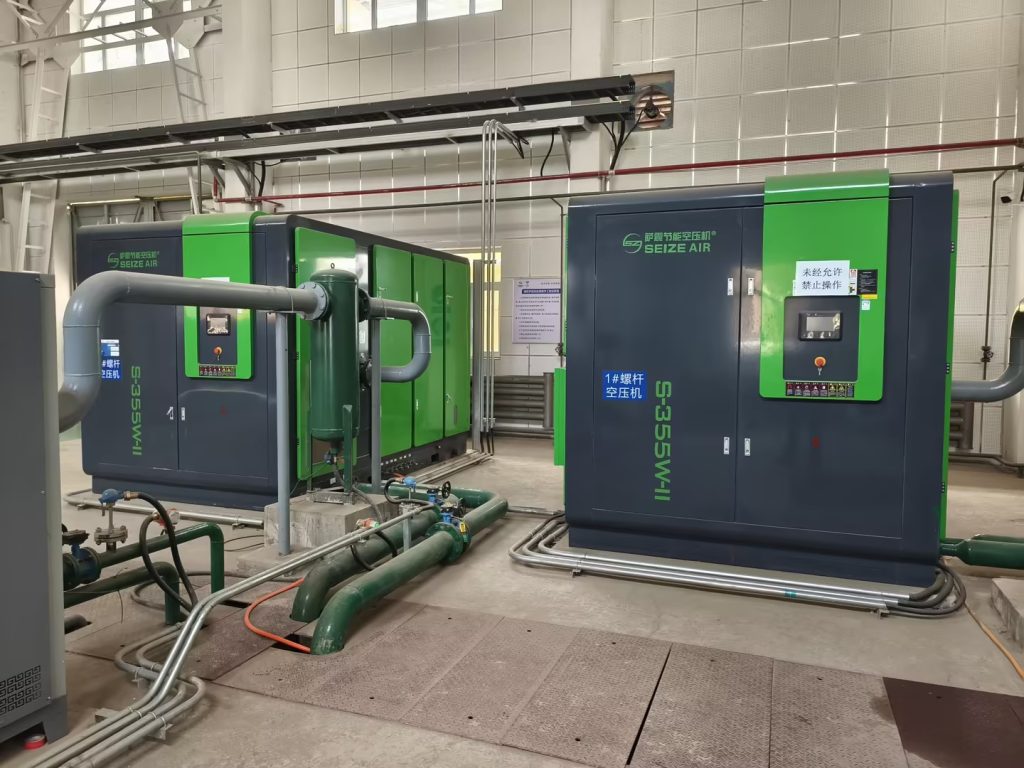
A Variable Speed Drive (VSD) industrial air compressor is usually purchased for energy savings, but its “mechanical softening” effect is a hidden maintenance miracle.
Soft Starting vs. Hard Starting
- Fixed Speed (Direct-on-Line): When these motors start, they draw 600% of their full-load current. This creates a violent “torque spike” that slams the gears and stresses the motor windings.
- VSD (Variable Speed): The VSD acts as a soft-starter, gradually ramping the frequency from 0Hz to 60Hz. This eliminates the mechanical shock, significantly extending the life of the motor and the air end’s screw rotors.
Furthermore, by matching motor speed to your actual air demand, a Seize VSD air compressor avoids the “Load/Unload” cycling. Constant cycling is what wears out intake valves, blow-down valves, and seals.
6. Smart Monitoring and Predictive Maintenance
In 2026, the best way to maintain an industrial air compressor is to let it diagnose itself. We have moved from preventative (doing it because the calendar says so) to predictive (doing it because the data says so).
IoT Integration and Real-Time Diagnostics
Modern Seize controllers monitor dozens of data points simultaneously:
- Differential Pressure ($\Delta P$): Sensors measure the pressure drop across filters. You only replace the filter when it’s actually dirty, not based on an arbitrary schedule.
- Vibration Analysis: Onboard sensors can detect the harmonic signatures of bearing wear months before a catastrophic failure occurs.
- Remote Telemetry: If the system detects a rise in discharge temperature, it sends a push notification to the facility manager’s phone before the machine trips on a high-temp fault.
7. Industry-Specific Applications
The “low maintenance” requirement varies depending on your environment.
Food, Beverage, and Pharmaceuticals
In these sectors, air purity is non-negotiable. A low-maintenance system in this context means having ultra-efficient oil-mist eliminators that prevent oil carryover. If oil reaches the product, you face a recall; a Seize system with multi-stage filtration ensures a “zero-contamination” workflow.
Heavy Manufacturing and Woodworking
In dusty environments, the intake filter is the first line of defense. High-performance industrial air compressors use Dual-Stage Intake Filtration with a “pre-filter” mat. This prevents abrasive sawdust or metal shavings from entering the air end and “scoring” the precision rotors, which would otherwise lead to a permanent loss in CFM.
8. Environmental Impact
Sustainability is now a core KPI for industrial facilities. A low-maintenance compressor is inherently more eco-friendly:
- Waste Reduction: Extending oil life to 8,000 hours reduces the volume of hazardous waste oil generated by your facility by 75%.
- Carbon Footprint: Precision-machined rotors (like those in Seize models) offer a higher Specific Power (kW/CFM). By using less electricity to move the same volume of air, you directly lower your Scope 2 CO2 emissions.
9. Troubleshooting Common “Maintenance Heavy” Issues
If your current system is a “money pit,” look for these three culprits:
- System Leaks: A tiny 1mm hole in a hose can leak 3-5 CFM. This forces the compressor to run 15% more often than necessary, “spending” your maintenance hours on wasted air.
- Poor Ventilation: If the compressor room exceeds 40°C, your oil life is halved for every 10-degree increase. Ensure at least two air changes per minute.
- Lubricant Mixing: Never mix synthetic and mineral oils. This causes a chemical reaction that creates “varnish” and can destroy an air end in under 48 hours.
10. Summary
True savings are found in the engineering, not the invoice. A low-maintenance industrial air compressor acts as a silent partner in your production, operating reliably in the background so your team can focus on output rather than repairs.
By selecting a brand like Seize, you are choosing a system designed for the “Long Game”—engineered to minimize friction, optimize thermal performance, and utilize the latest in AI-driven monitoring. In the world of industrial power, simplicity and durability are the ultimate forms of sophistication.