

Finding the right air compressor supplier isn’t just about picking a name off a Google search page; it’s about securing the heartbeat of your production line. Whether you are running a high-precision CNC workshop or a massive food processing plant, your supplier is the difference between seamless uptime and expensive, soul-crushing downtime.
In 2026, with energy costs fluctuating and “Green Manufacturing” standards becoming the norm, the vetting process has changed. You need a partner, not just a vendor.
1. How to Evaluate an Air Compressor Supplier’s Energy Efficiency Ratings?
When you’re looking for a new unit, the “sticker price” is the tip of the iceberg. Over a 10-year lifespan, energy accounts for roughly 75% of the total cost of ownership. I’ve seen factories save $15,000 annually just by switching to a machine with a better SEC rating.
A reputable air compressor supplier should be able to provide the Specific Energy Consumption (SEC)—the amount of power required to produce a specific flow of air at a specific pressure (typically $kW/(m^3/min)$). If they start talking about “general horsepower” instead of specific $kW$ per unit of flow, they’re hiding the inefficiency.
Why You Need an Industrial Air Compressor Specialist
A generalist vendor might sell you a machine that “runs,” but an industrial air compressor specialist understands the $kW$ per 100 CFM metric. This is vital for low energy consumption air compressors designed for 24/7 manufacturing. In 2026, we also look at “Isentropic Efficiency,” which measures how close the actual compression process is to an ideal one.
| Feature | Fixed Speed Compressor | VSD (Variable Speed Drive) |
| Best For | Constant 100% demand | Fluctuating air demand |
| Energy Waste | High during “unload” cycles | Minimal; matches motor speed to demand |
| Initial Cost | Lower | Higher |
| ROI Period | N/A | Often 12–24 months via power savings |
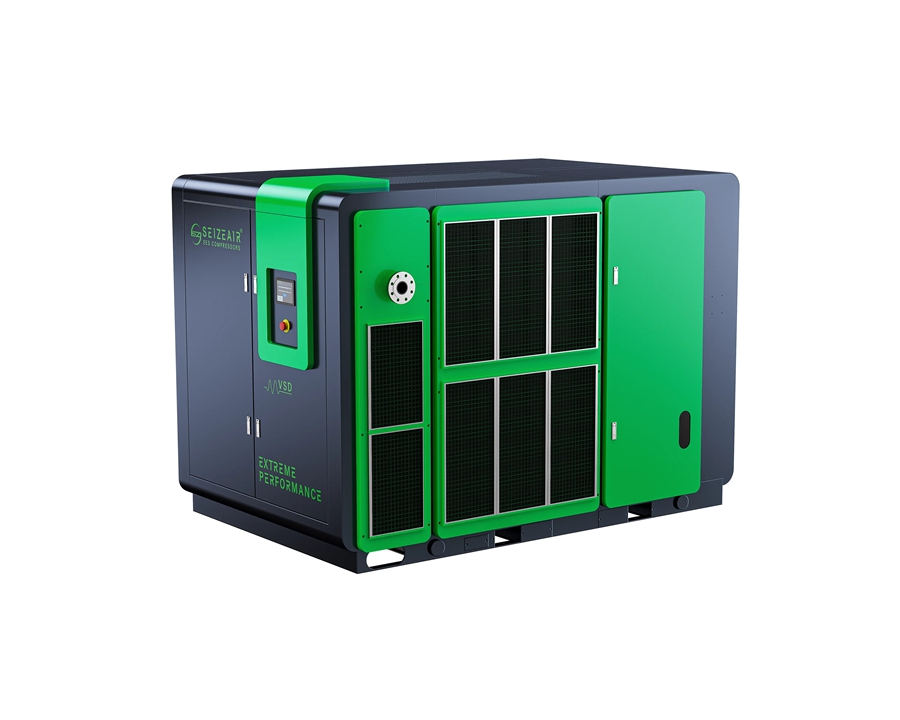
The Engineering Reality: Most factories operate at 60-70% capacity on average. A fixed-speed machine wasting 30% of its energy running “unloaded” is a financial leak you can’t ignore. Modern industry leaders like Seize have pushed the boundaries here, focusing on permanent magnet VSD technology that significantly slashes these operational costs by ensuring the motor only works as hard as the demand requires. You aren’t just buying a motor; you’re buying a system that syncs with your production rhythm.
2. What Maintenance Support Should a Local Air Compressor Vendor Provide?
You don’t want a machine that requires a PhD and a specialized toolkit just to change a filter. From a field engineer’s perspective, if a machine is hard to service, it won’t be serviced. Neglect leads to heat, and heat kills compressors.
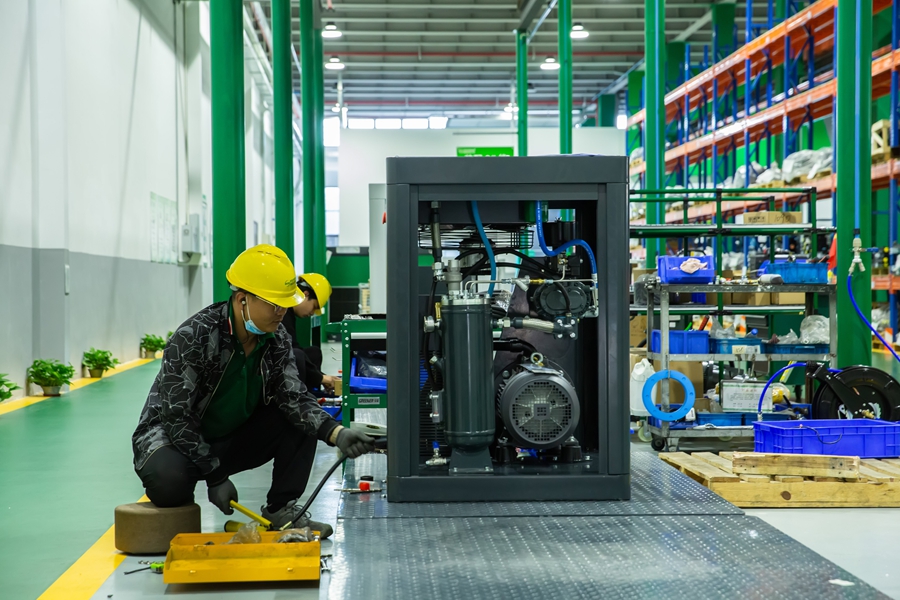
When interviewing a local air compressor vendor, look at the physical machine layout.
- Oil Filters & Separators: Are they “spin-on” for 5-minute swaps, or do you have to bolt off a heavy flange?
- Cooling System: Look at the heat exchanger. Is it accessible for a quick blow-out with an air gun, or is it buried deep inside the cabinet?
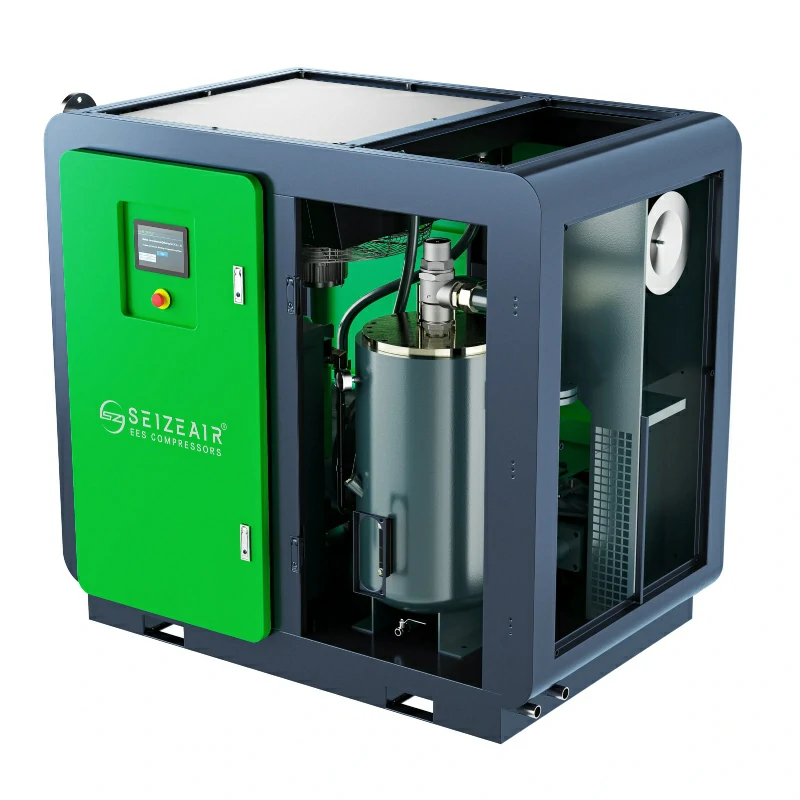
- Internal Layout: There should be enough “elbow room.” If components are crammed together, heat builds up faster and repairs take twice as long in labor hours.
A great air compressor supplier will often provide a preventative maintenance air compressor contract upfront. If they seem vague about the costs of consumables (oil, filters, valves), consider it a red flag. Brands that care about the user, such as Seize, design their cabinets with wide-swinging doors because they know that a technician who can see the leak is a technician who can fix it before the shift starts. Furthermore, check the air compressor spare parts availability—if they don’t stock basic gaskets and sensors in your region, your “maintenance-friendly” machine is just a paperweight when a $50 part fails.
3. What is the Emergency Response Time for Air Compressor Repair Services?
This is where the “best” suppliers separate themselves from the “cheapest.” Compressed air is often referred to as the fourth utility. If it stops, your factory stops. I’ve sat in boardrooms where the loss of air for four hours cost more than the entire compressor was worth.
Ask these sub-questions to test their infrastructure:
- Guaranteed Response: “If I call at 2:00 AM on a Tuesday, who picks up?”
- Parts Inventory: Do they have a warehouse within a 2-hour drive, or are we waiting on “overseas logistics”?
- Technician Pedigree: Are they factory-trained experts or general “handymen” who work on HVAC units too?
A high-tier air compressor supplier doesn’t just promise help; they provide a 24/7 air compressor emergency service SLA (Service Level Agreement). You need to know the “First-Fix Rate.” Do their vans carry the common sensors and valves needed for on-site compressor troubleshooting, or is every visit just a diagnostic that leads to a two-week wait for parts?
The Reality Check: Don’t just take their word for it. Ask for a reference from a client in your specific industry. If you’re in textile manufacturing, you want to know how the supplier handles the unique lint and heat challenges of that environment. A supplier that knows your industry’s “pain points” is worth their weight in gold.
4. Why Should I Buy from an Air Compressor Manufacturer with In-House Air End Production?
The “Air End” is the soul of the compressor. It is the component where the actual compression happens. Many suppliers are merely “assemblers”—they buy a generic air end from one company, a motor from another, and a controller from a third, then put them in a branded box.
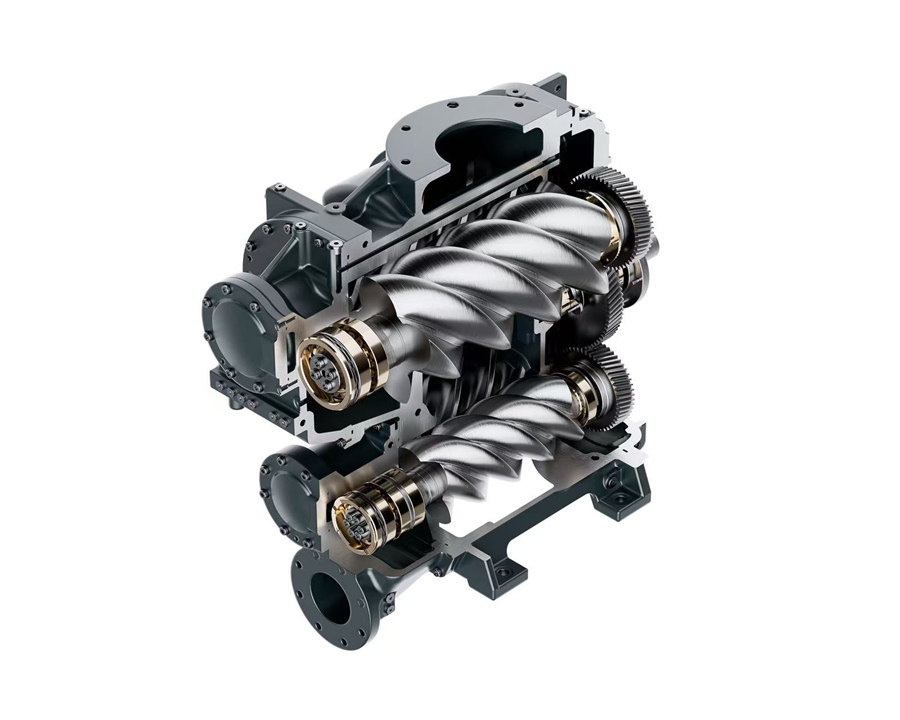
When you deal with a direct air compressor manufacturer, you get vertical integration.
- Efficiency: Smaller clearances mean less “blow-by” and more air per revolution.
- Longevity: In-house manufacturing usually means tighter quality control on the bearings—the #1 failure point in air ends.
- Parts Support: If the air end is a “Frankenstein” of different brands, getting a screw air end rebuild kit five years from now becomes a logistical nightmare.
Why does this matter? When a supplier like Seize designs and builds their own high-efficiency air ends, they ensure the screw profiles are perfectly matched to the motor’s torque curve. This isn’t just marketing; it’s thermodynamics. An in-house manufactured air end typically yields a 5% to 10% higher volumetric efficiency than generic off-the-shelf components used by budget-tier assemblers. If your air compressor supplier can’t tell you where the air end was cast and machined, they aren’t the manufacturer—they’re a middleman.
5. Is a Professional Compressed Air Audit Necessary Before Purchasing?
Stop guessing what size compressor you need. If a supplier tries to sell you a 50HP unit just because that’s what you had before, walk away. Your demand has likely changed since that old machine was installed.
A professional air compressor supplier will offer a compressed air system audit (data logging). They attach sensors to your current system for a full production week to measure:
- Real-world CFM (Cubic Feet per Minute): Your actual peak and valley demand.
- Pressure Fluctuations: Are your tools starving for air because of pipe friction?
- System Leakage Rates: In many older plants, 20-30% of the air produced is simply leaking out of old fittings.
Why an Audit Saves Money
| Discovery | Action | Result |
| Oversized Machine | Buy a smaller unit | Lower CAPEX and lower energy bills |
| High Leakage | Fix pipes before buying | Delay the need for a new machine entirely |
| Pressure Drop | Upgrade piping diameter | Lower the compressor’s pressure setting (saving 7% energy per 1 bar reduction) |
Don’t settle for a “thumb-rule” estimate. An air compressor energy audit provides a data-driven ROI. If the air compressor supplier is unwilling to install data loggers to prove the savings, they don’t believe in their own product’s efficiency. You want a system-wide air solution, not just a box that blows air.
6. What Remote Monitoring Features Should a Smart Air Compressor Have?
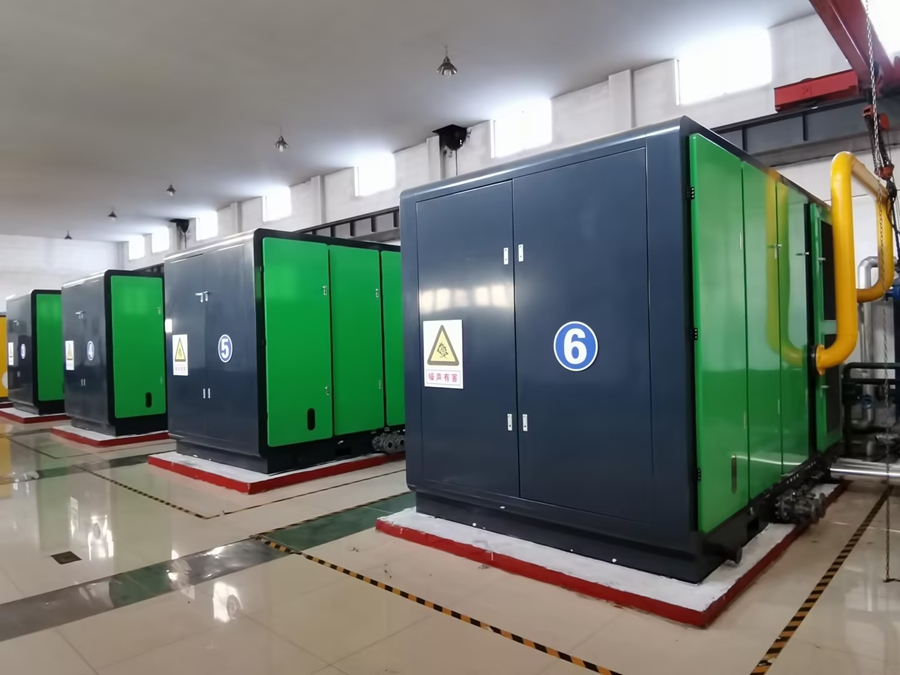
In 2026, “dumb” compressors are a liability. You shouldn’t have to walk to the back of the plant to see if the machine is running hot. Your supplier should offer a controller that acts as a command center.
Key features to look for in a modern air compressor controller:
- IoT Connectivity: Real-time data pushed to your phone or desktop via cloud-based apps.
- Predictive Maintenance: The system should tell you why it might fail before it actually does. For example, a sudden rise in oil temperature might indicate a failing thermal valve.
- Sequencing: If you have multiple units, the controller should coordinate them. You don’t want two machines running at 50% capacity; you want one at 100% and one off (or both balanced efficiently).
Companies like Seize have pioneered Industry 4.0 air compressor integration, featuring interfaces that track the $kWh$ used per $m^3$ of air produced. This allows you to treat air as a measurable raw material cost, just like steel or electricity. Ask your air compressor supplier if their system supports Modbus or Ethernet/IP communication for plant-wide SCADA integration. If it doesn’t, you’re buying 2010 technology for a 2026 factory.
7. How to Compare Air Compressor Noise Levels and Vibration Ratings?
Noise pollution is a workplace safety and productivity issue. A loud compressor creates a stressful environment and often leads to the machine being tucked away in a poorly ventilated corner to “hide the noise”—which leads to overheating.
| Compressor Type | Average Decibel (dB) | Hearing Protection Needed? |
| Piston / Reciprocating | 85 – 95 dB | Absolutely |
| Standard Rotary Screw | 70 – 80 dB | Recommended |
| Seize Low-Noise Screw | 62 – 68 dB | Generally not required |
When talking to an air compressor supplier, ask for the decibel rating at full load. But go deeper: ask about the vibration isolation system. A high-quality silent rotary screw compressor uses heavy-duty rubber dampers and a precision-balanced motor-to-air-end coupling.
Low vibration isn’t just about noise; it’s about the lifespan of the electronics and pipe connections. If the cabinet rattles, the internal wires will eventually chafe and short out. A low-noise air compressor supplier focuses on the “sound canopy” design—ensuring that cooling air can get in, but the mechanical whine of the screws stays inside. If a supplier can’t get below 70 dB, you’re looking at extra costs for soundproofing rooms or risking employee hearing health.
Conclusion
Finding a reliable air compressor supplier is about looking past the sales brochure. By asking about energy efficiency (SEC), maintenance accessibility, and after-sales infrastructure, you protect your plant from the hidden costs of “cheap” air.
A compressor is an investment in your company’s productivity. When you choose a brand like Seize, you aren’t just getting a machine; you’re getting a commitment to energy-saving technology and a partnership that understands the nuances of modern industrial demands.