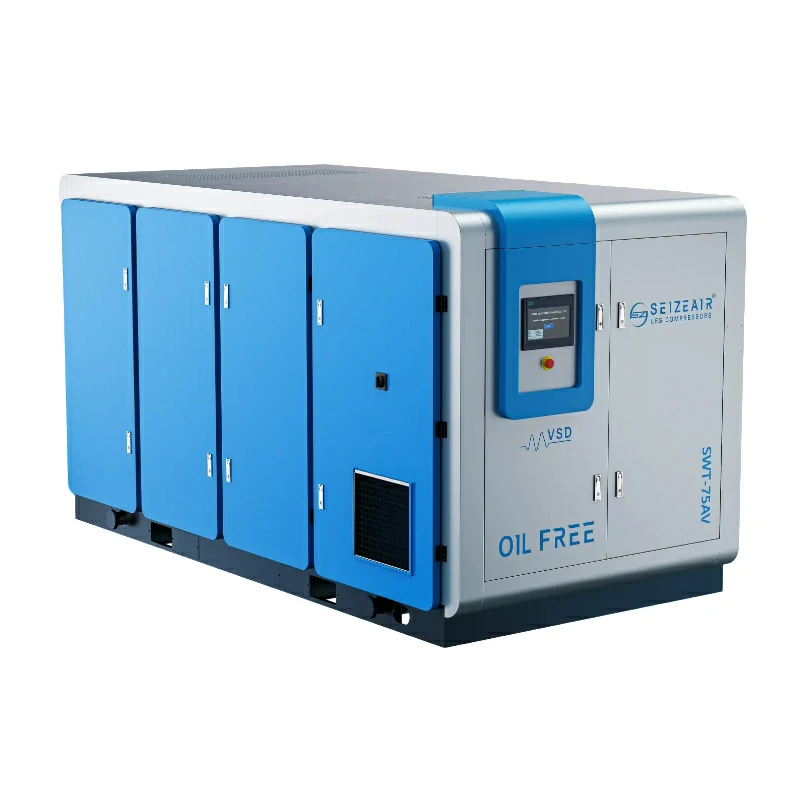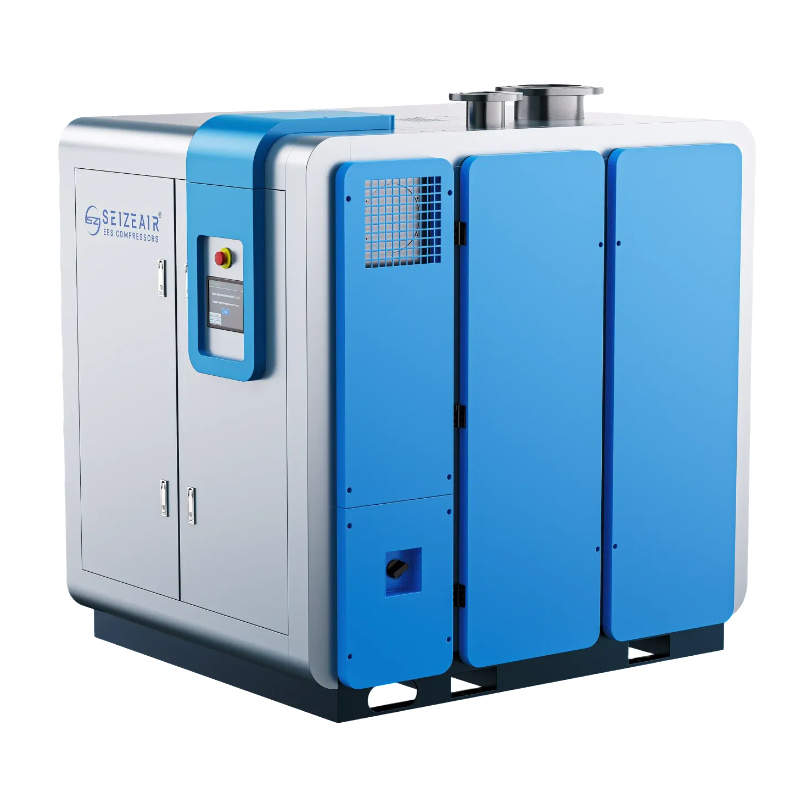


In the world of scientific research and clinical diagnostics, the margin for error is non-existent. Whether it is a mass spectrometer analyzing molecular structures or a pneumatic pipette handling delicate reagents, the quality of the compressed air powering these instruments is just as critical as the purity of the chemicals used.
For modern laboratories, the shift from traditional lubricated units to oil-free air compressors isn’t just a technical upgrade—it’s a fundamental safeguard for data integrity and equipment longevity.
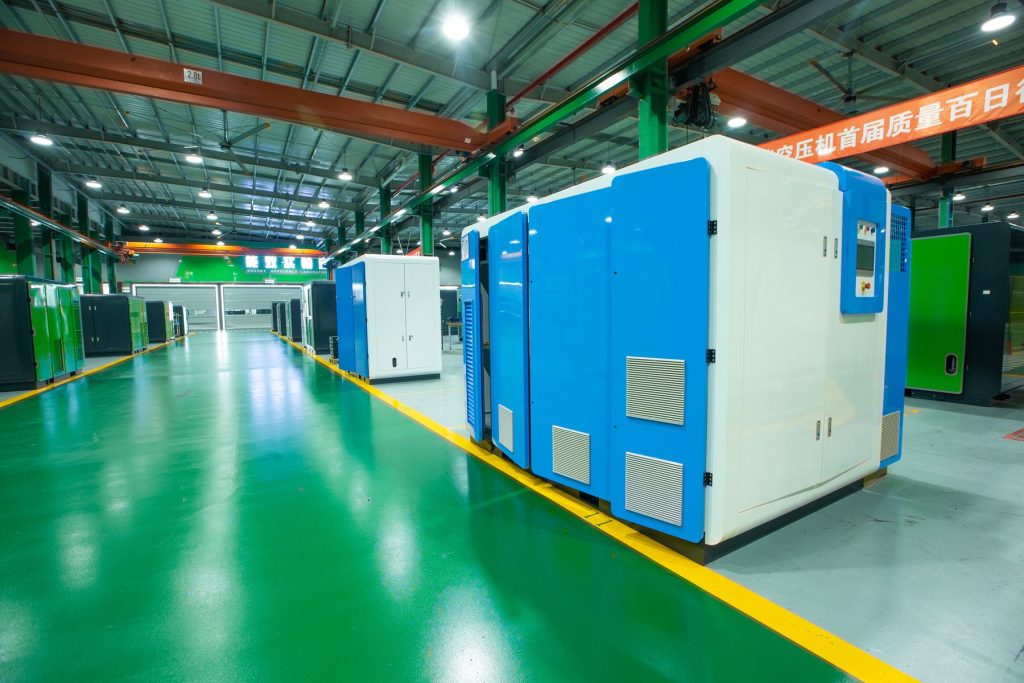
What are the risks of using oil-lubricated compressors in a laboratory?
In an industrial workshop, a few parts per million (ppm) of oil vapor in the air lines might just be a minor maintenance nuisance. In a laboratory, it’s a catastrophic failure. Laboratory environments demand ISO 8573-1 Class 0 certified air because the “invisible enemy”—microscopic oil aerosols—doesn’t just sit in the pipes; it migrates, coats, and reacts.
The Chemistry of Contamination
From a chemist’s perspective, oil is a complex mixture of hydrocarbons. When oil-lubricated compressors operate, heat turns lubricants into fine mists and vapors that bypass standard filters.
- Mass Spectrometry (MS) & GC: Even trace hydrocarbons interfere with the mobile phase. You’ll start seeing “ghost peaks”—data spikes that aren’t actually in your sample but are bleeding from your air supply. For those searching for a low noise oil free dental air compressor or analytical grade supply, the stakes include ruined columns and months of lost research.
- The “Poisoning” Effect: Sensitive analytical sensors often use precious metal catalysts. Oil vapors coat these surfaces, effectively “poisoning” the sensor and leading to drifted calibrations and expensive sensor replacements. This is why many facilities now insist on oil free scroll air compressor for laboratory use specifically—to eliminate the risk at the source.
- Bio-Risk and Sterility: In clinical pathology or pharmaceutical labs, oil isn’t just a chemical contaminant; it’s a food source. Combined with the natural moisture in compressed air, oil residue becomes a breeding ground for bacteria and fungi within the distribution manifold.
The Reality of “Oil-Less” vs. “Oil-Free”
As a system integrator, I often see decision-makers confused by marketing terms. An “oil-less” piston unit might still have sealed bearings that contain grease. For a high-stakes environment, you need a 100% oil free air compressor where no lubricant exists in the compression chamber whatsoever. This distinction is what separates a $500 hobbyist tool from a professional industrial oil free air compressor designed for 24/7 laboratory duty cycles.
| Air Quality Class | Oil Concentration (mg/m³) | Suitability |
| Class 0 | 0.00 (Total Oil) | Critical Labs, Pharma, Semiconductors |
| Class 1 | 0.01 | High-end electronics assembly |
| Class 2 | 0.10 | General industrial pneumatic tools |
| Class 3 | 1.00 | Rough outdoor construction |
How does an oil free air compressor work without lubrication?
A frequent question from site engineers is: “If you don’t have oil to seal the gaps, how do you maintain pressure and efficiency?” The answer lies in precision manufacturing and material science that traditional compressors simply don’t utilize.
The Scroll Architecture
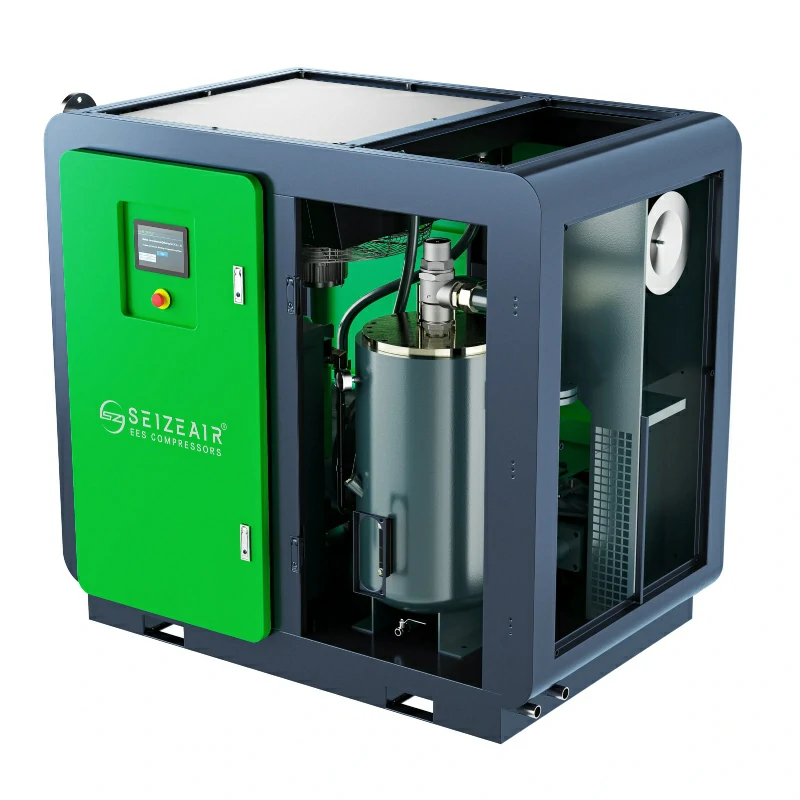
For small to mid-sized labs, the oil-free scroll is the gold standard. Imagine two spiral elements: one stationary, one orbiting. Because they never touch, there is no friction requiring oil.
Field Insight: We often recommend scrolls because they are “vibration-neutral.” If you have a high-resolution electron microscope in the next room, the last thing you want is a reciprocating piston compressor shaking the floor slabs. If you’re looking for an oil free silent air compressor for point-of-use application, the scroll is your best bet for maintaining a productive office/lab environment.
Dry Screw and Permanent Magnet VSD
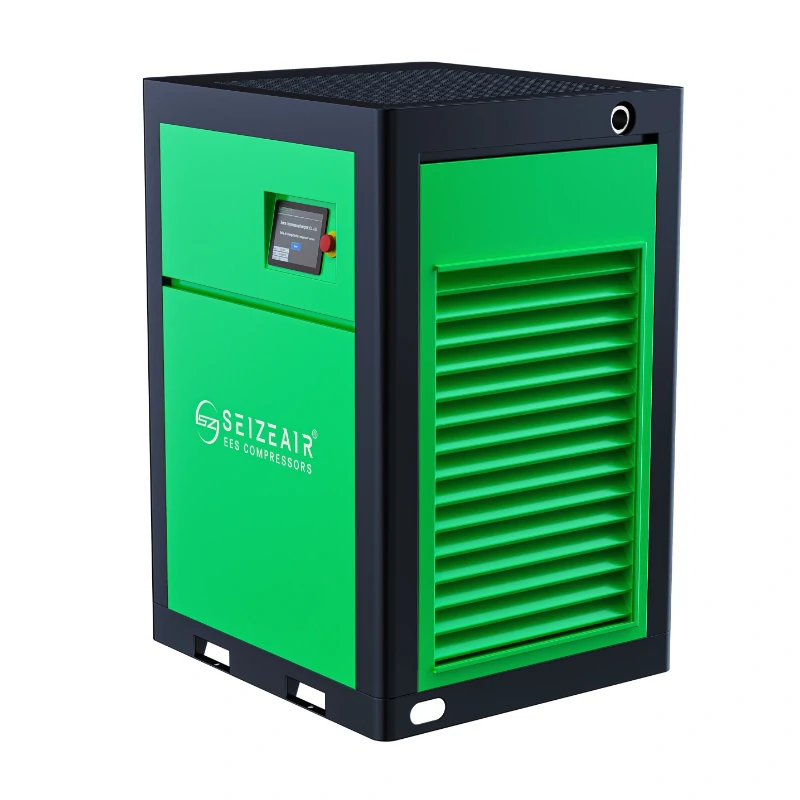
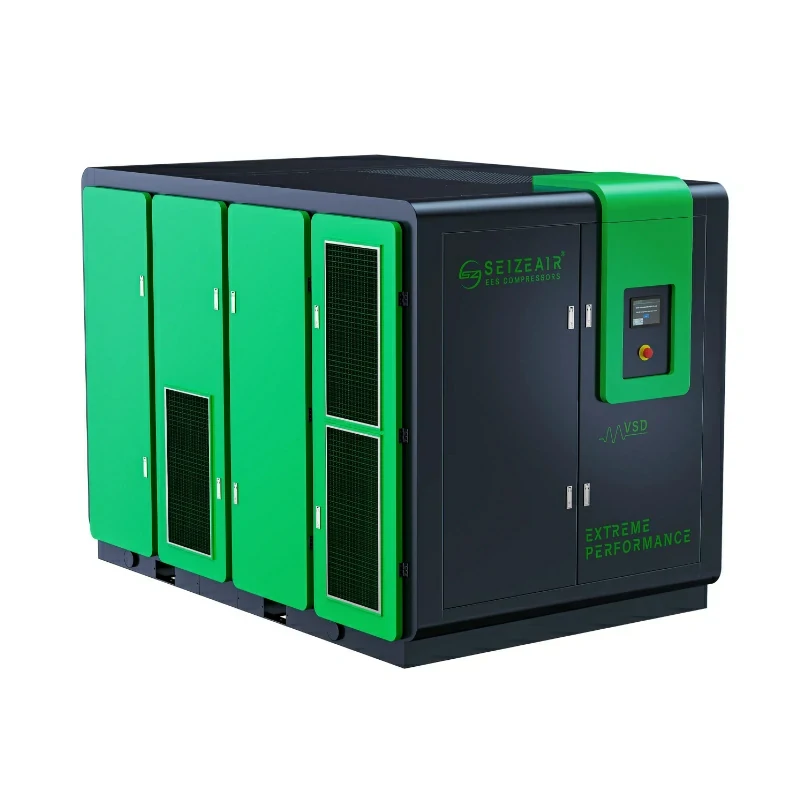
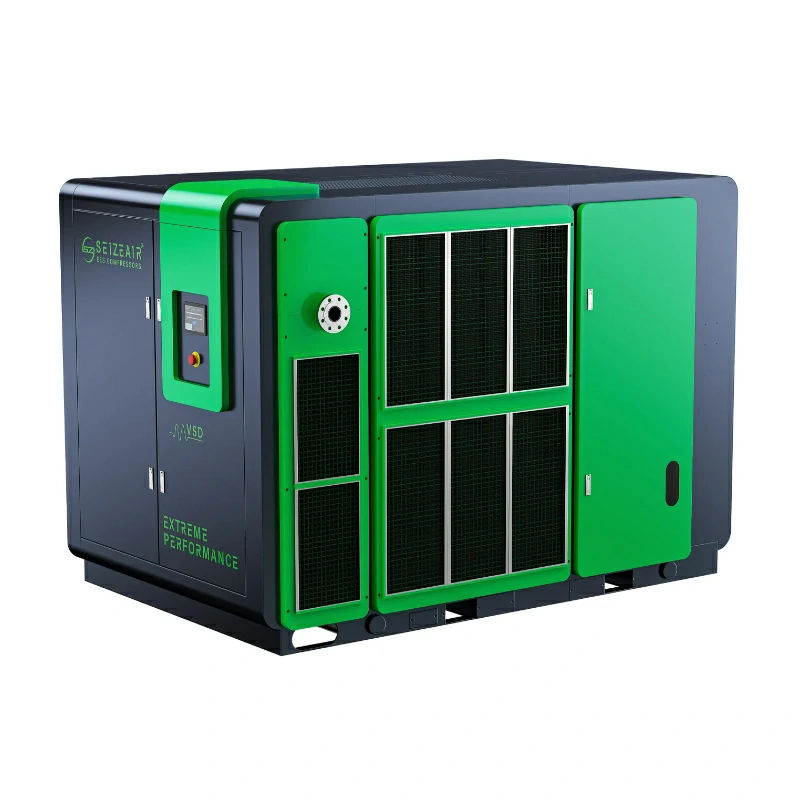
For larger research facilities or “Lab-as-a-Service” (LaaS) buildings, the requirements shift to volume and efficiency. This is where Seize Air technology bridges the gap. By using Permanent Magnet (PM) motors and Variable Speed Drive (VSD), the compressor doesn’t just run at 100% or 0%. It “breathes” with the lab.
If only one technician is using a nitrogen generator, the compressor slows down. If the whole floor is active, it ramps up. This eliminates the massive “inrush” current and heat spikes associated with fixed-speed motors. This is the hallmark of a high pressure oil free air compressor that doesn’t compromise on energy efficiency.
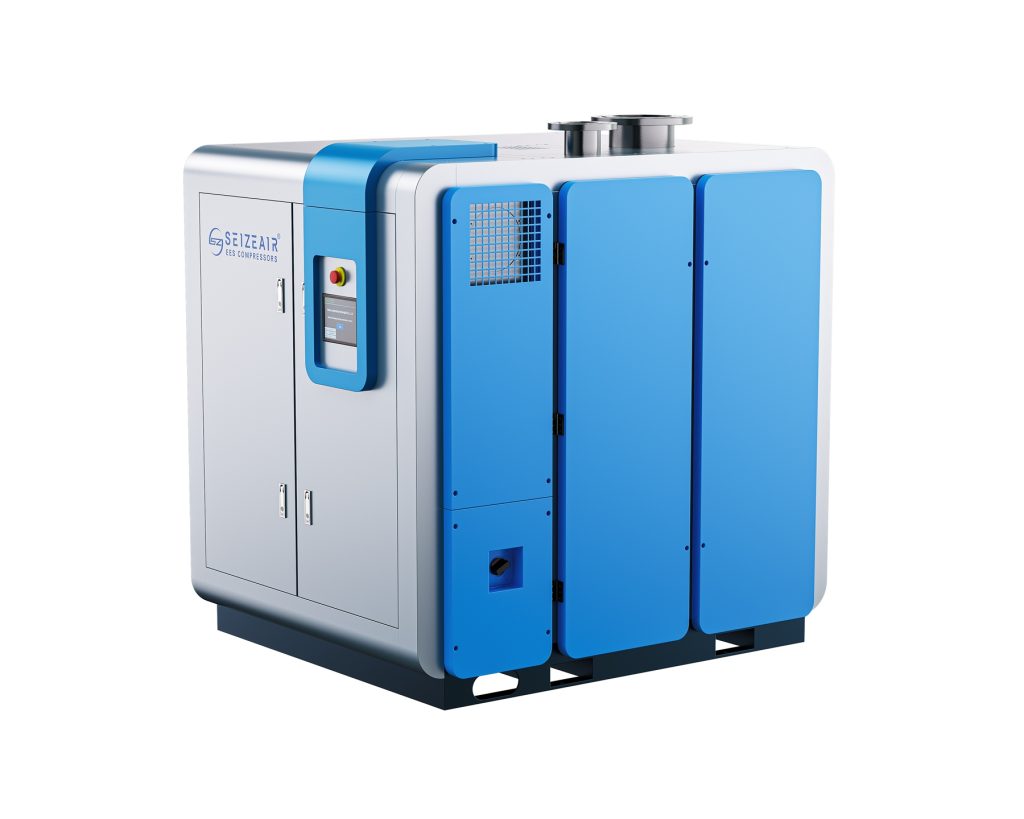
Material Science vs. Lubrication
Instead of oil, these units use advanced coatings:
- PTFE (Teflon) Coatings: Applied to rotors to ensure zero-contact efficiency. Unlike oiled units where the oil provides the “seal,” these rotors are machined to tolerances measured in microns.
- Ceramic Bearings: Often used in high-speed centrifugal or screw units to handle heat without needing grease that could outgas into the air stream.
- Heat Management: Because there is no oil to carry away heat, these machines require superior cooling fin designs and high-capacity fans. This makes the oil free portable air compressor for field labs a marvel of thermal engineering.
What is the true cost of an oil free air compressor in a laboratory?
If you are a Lab Director or a Procurement Officer, the higher upfront price of an oil-free unit can be a sticking point. However, looking at the “Sticker Price” is a classic trap. The true cost of compressed air is hidden in three places: Energy, Maintenance, and Risk.
The Energy Trap
Compressed air is often the most expensive utility in a facility. Traditional compressors lose efficiency as oil degrades and filters clog. Modern oil-free units featuring IE5 Ultra-Premium Efficiency motors (the highest global standard) essentially pay for themselves.
- Calculation Tip: In a 24/7 lab environment, a 5% increase in motor efficiency can save enough electricity over 3 years to cover the price difference of the compressor.
- VSD Savings: A vsd oil free screw air compressor avoids the “blow-off” waste common in fixed-speed units. In some setups, I’ve seen energy bills drop by 35% simply by switching to a Seize Air intelligent drive system.
Maintenance Realities
“Oil-injected” sounds cheaper until you look at the service log. In an oil-free system, you aren’t just buying air; you’re buying “maintenance freedom.”
- Oil Changes: Synthetic lab-grade lubricants are expensive. You eliminate the cost of the oil, the labor to change it, and the downtime.
- Filter Replacements: You need multiple stages of coalescing and carbon filters to try and get oil out of the air. Those filters create “pressure drops”—forcing the compressor to work harder (and use more power) just to push air through the thick filter media.
- Waste Disposal: Oily condensate is hazardous waste. Oil-free condensate is just water. You save on environmental compliance costs immediately.
Risk Mitigation
What is the cost of a ruined month-long clinical trial? Or the cost of recalibrating a $500,000 NMR machine because of fouled lines? When viewed through the lens of risk management, an oil free air compressor for medical use or lab research is the only logical choice for insurance and compliance purposes.
How to design a laboratory compressed air system for maximum purity?
As a system integrator, I tell clients: “The compressor is the heart, but the piping and dryers are the arteries.” Even the best oil-free air compressor will fail the lab if the rest of the system is poorly designed.
The Role of the Desiccant Dryer
Oil-free air is clean, but it is still “wet.” In lab environments, you need a Pressure Dew Point (PDP) of -40°C or even -70°C. This is achieved through twin-tower desiccant dryers.
Pro Tip: Look for “Heatless” or “Blower Purge” dryers that synchronize with your VSD compressor. If the compressor slows down, the dryer should adjust its purge air accordingly to prevent wasting “gold” (compressed air). Many oil free scroll screw air compressor packages now include these dryers as a single skid to save floor space.
Piping Choices: Stainless Steel or Aluminum?
Never use black iron or galvanized pipes in a lab.
- Stainless Steel (304/316): The gold standard for purity.
- Anodized Aluminum: A great balance of cost and corrosion resistance.Corrosion in pipes creates particulates that destroy lab valves. Since you’ve already invested in a Seize Air oil-free unit to ensure purity, don’t let the distribution system ruin the air on the way to the bench. If you are installing a small oil free air compressor, ensure the final 5 feet of tubing is high-purity PTFE or stainless.
Which laboratory applications require 100% oil free compressed air?
Genomics and DNA Sequencing
In PCR (Polymerase Chain Reaction) setups, even the smallest aerosolized pollutant can lead to cross-contamination. Air is used here for automated liquid handling and plate sealing. Any oil mist can interfere with the optical clarity of the seals or the chemical stability of the reagents. For these sensitive workflows, an oil free piston air compressor with multi-stage filtration is often the minimum entry point.
Environmental Testing Labs
When testing for Volatile Organic Compounds (VOCs) in soil or water, your lab’s ambient air and “carrier air” must be cleaner than the samples you are testing. If your compressor is leaking hydrocarbon vapors into the lab air, your “blank” samples will never be zeroed. This is where a compact oil free air compressor with an integrated carbon stage becomes vital.
Pharmaceutical Pilot Plants
Moving from the bench to a pilot plant requires scale. Here, reliability is king. We look for units with redundant PM motors or modular designs. Seize Air systems often feature modular controllers that allow for remote monitoring—essential for “lights-out” weekend testing phases where a drop in air pressure could ruin a bioreactor batch. If you need 2 stage oil free air compressor power for higher pressures, the screw-driven variants provide the necessary CFM without compromising on the Class 0 mandate.
How to maintain an oil free air compressor for long-term reliability?
From a field engineer’s perspective, the “set it and forget it” mentality is the biggest threat to lab air.
The 3-Tier Maintenance Strategy:
- Level 1 (Daily): Check the control panel for “Service Warnings.” Modern VSD units provide real-time data on air-to-power ratios. If this shifts, you likely have a leak.
- Level 2 (Monthly): Test the auto-drains. If water builds up in the receiver tank, it can carry over into the dryers, “slugging” the desiccant and rendering it useless. Even the best oil free air compressor 220v units need dry tanks to function correctly.
- Level 3 (Annual): Comprehensive sensor calibration. In a lab, the compressor’s onboard sensors must be as accurate as the lab’s instruments.
| Maintenance Task | Why it Matters | Frequency |
| Intake Filter Swap | Prevents “silica dust” from scoring the rotors | 2,000 Hours |
| Dew Point Probe Calibration | Ensures air is dry enough for pneumatic valves | Annually |
| Motor Thermography | Predicts bearing failure before it happens | Annually |
| VSD Inverter Cleaning | Prevents dust-up and overheating of electronics | Bi-Annually |
Frequently Asked Questions
How do I transition from an old oiled system to oil-free?
You cannot just swap the compressor. The old pipes are “poisoned” with oil residue. You must either replace the piping or perform a professional “system flush” with specialized solvent cleaners. Starting fresh with a Seize Air oil-free setup and new aluminum piping is usually the more cost-effective long-term move.
Does altitude affect my oil-free compressor in the lab?
Yes. If your research facility is at a high altitude, the air is thinner. This means the compressor has to work harder and generates more heat. You must “de-rate” the compressor’s capacity or choose a model with a larger PM motor to compensate for the lower air density. This is a common issue for portable oil free air compressor units used in high-altitude field research.
Is VSD really necessary for a small lab?
If your air usage is constant (e.g., one machine running 24/7), a fixed speed is fine. But almost no lab is constant. Between cleaning cycles, shift changes, and variable equipment loads, an oil free air compressor with dryer and VSD will pay for its price premium in energy savings within the first two years.
What is the decibel level of a lab compressor?
Most high-end oil free silent air compressors operate between 48 and 58 dB(A). For context, a normal conversation is 60 dB. This allows the unit to be placed inside the lab rather than in a noisy, dirty basement utility room.
Final Thoughts
As we move toward “Lab 4.0,” the integration of smart sensors and ultra-efficient air delivery is no longer optional. The trend is moving away from centralized “utility rooms” toward decentralized, high-efficiency clusters.
By choosing a solution that prioritizes IE5 efficiency and Class 0 purity, facility managers aren’t just buying a machine; they are securing the future of their research. A specialized partner like Seize Air understands that in the lab, reliability isn’t just about the machine staying on—it’s about the air staying pure. Every. Single. Time. Avoiding the hidden costs of oil-contaminated air is the smartest move a laboratory manager can make this year.