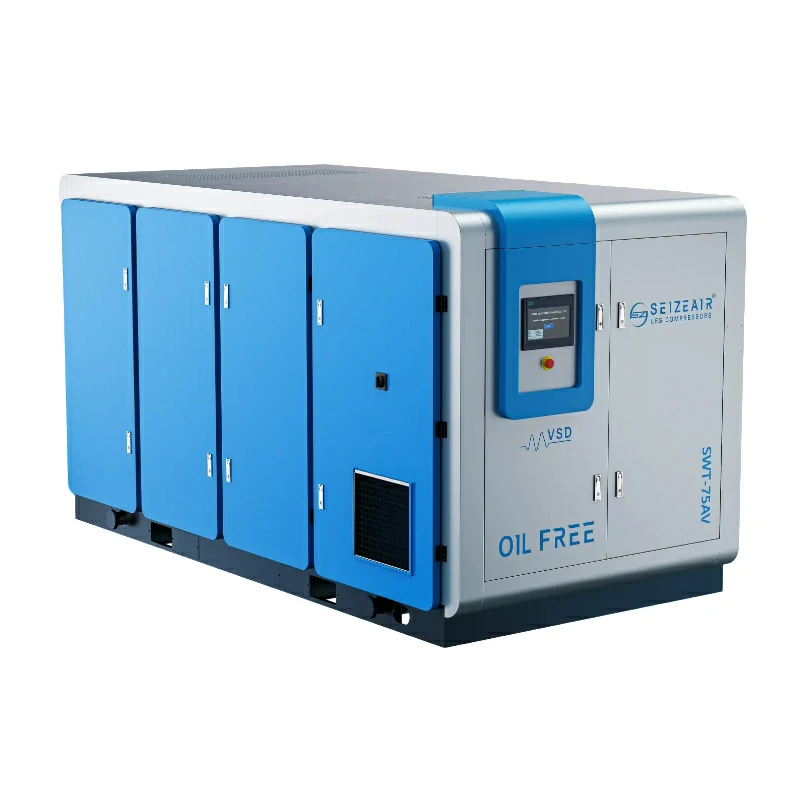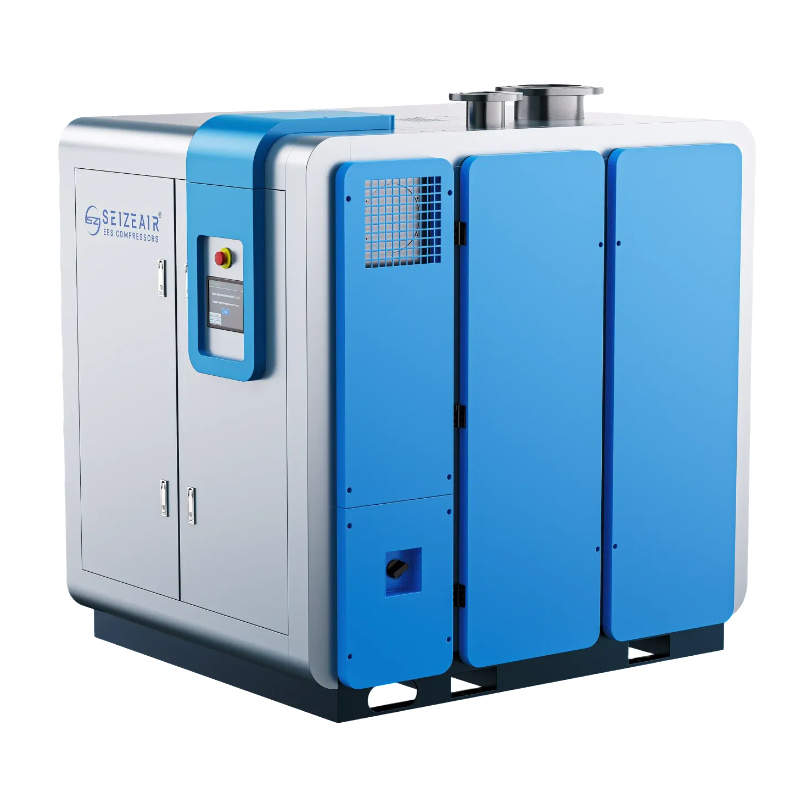


In the high-stakes environment of healthcare, the “quality” of air is not a luxury—it is a life-saving requirement. Whether it is powering a ventilator in an ICU, driving surgical tools in an operating theater, or providing clean air for dental procedures, the medical air compressor serves as the invisible heartbeat of the facility.
However, not all compressors are created equal. When the stakes involve human lungs and sterile environments, the industry standard shifts from “standard air” to ISO Class 0 certified 100% oil-free air.
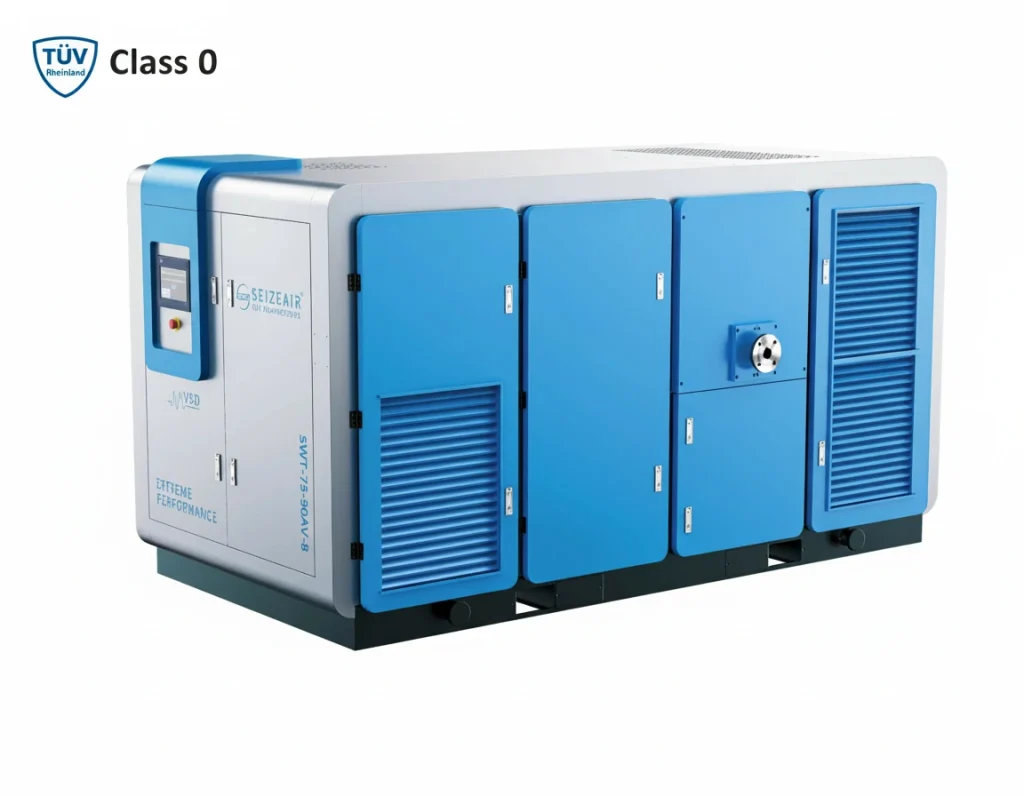
Why 100% Oil-Free Air is Non-Negotiable in Medicine
The primary concern in medical settings is contamination. Standard industrial compressors often use oil for lubrication and sealing. Even with high-end filtration, “technically oil-free” systems (oil-injected units with filters) risk oil vapor carryover. In a medical context, even a microscopic amount of oil can lead to:
- Patient Health Risks: Oil particles in respiratory air can cause lipoid pneumonia or localized inflammation. For a neonate in a NICU, whose lungs are barely developed, a trace of hydrocarbon is catastrophic.
- Equipment Damage: Sensitive medical instruments, pneumatic valves, and anesthesia machines can become gummed up or corroded by oil residue. This leads to “phantom” equipment failures that baffle maintenance teams and increase hospital downtime.
- Bacterial Growth: Oil serves as a nutrient source for bacteria within the piping system. Once a biofilm forms inside a hospital’s copper lines, it is nearly impossible to eradicate without replacing the entire infrastructure.
From a liability and insurance standpoint, “good enough” doesn’t exist. If an air quality test fails during a Joint Commission (JCI) or health department inspection, the surgical wing stops. Period. This is why engineers are moving away from filtration-heavy “oil-lubricated” setups toward “inherently oil-free” designs that eliminate the risk at the source.
Comparative Standards for Medical Air Compressor
| Feature | Standard Industrial Air | Medical Grade Air (ISO 8573-1) | Clinical Impact of Failure |
| Oil Content | < 0.01 mg/m³ (filtered) | 0.00 mg/m³ (Class 0) | Respiratory distress / Biofilm growth |
| Microorganisms | Not regulated | Must be sterile/filtered | Risk of secondary infections (HCAIs) |
| Dew Point | Varies by climate | Usually < -40°C (PDP) | Corrosion and ice crystals in vents |
| Odors/Vapors | Acceptable | Odorless and Toxin-free | Patient discomfort and anesthesia interference |
| Compliance | ISO 9001 | NFPA 99 / HTM 02-01 | Legal liability and facility closure |
The Engineering Architecture
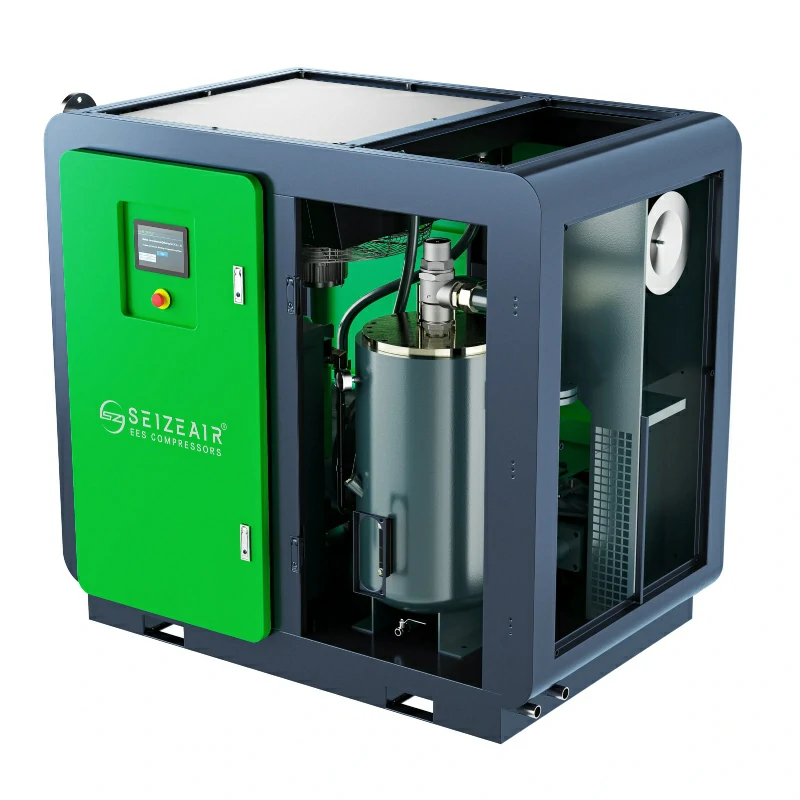
A medical air system is far more than just the compressor pump. It is a sophisticated “plant” designed for redundancy and purity. If you open the cabinet of a modern system, you should see a layout designed for serviceability and safety that meets specific global standards.
The Compression Chamber
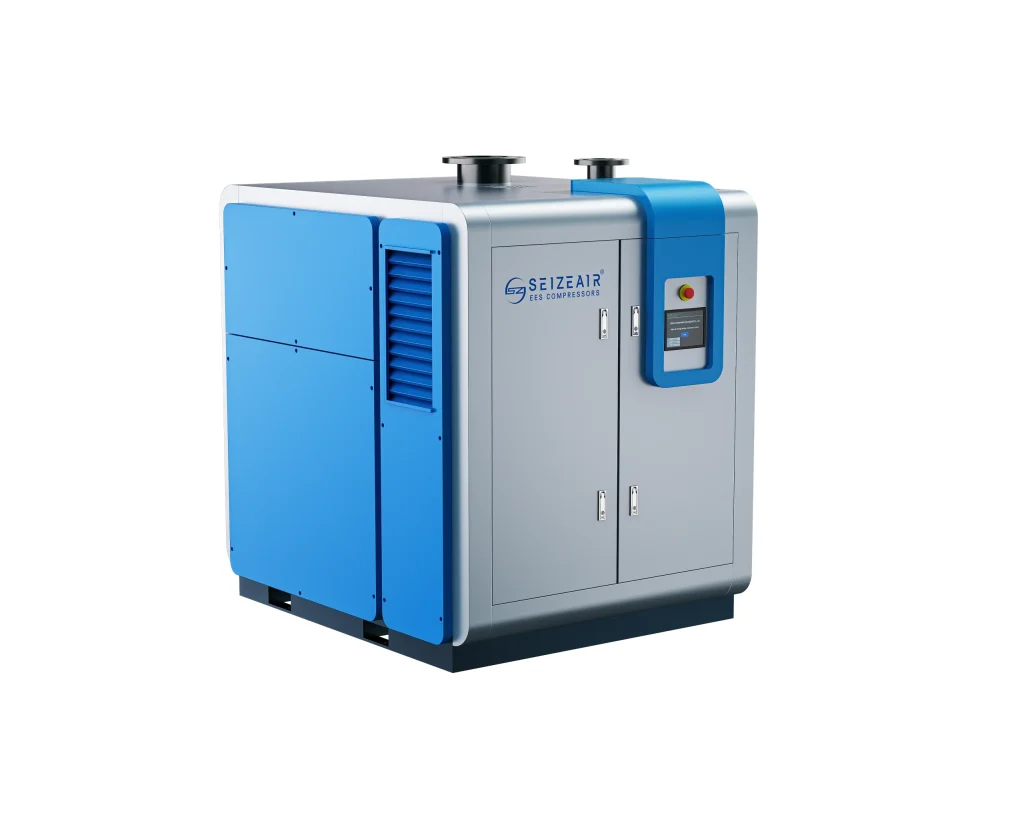
For medical applications, Oil-Free Scroll Compressors are the gold standard for smaller facilities, while Dry Screw or Water-Injected Screw systems dominate larger hospitals.
The logic is simple: if there is no oil in the compression chamber, there is no oil to leak into the air stream. A scroll compressor uses two interleaved spirals; one stays stationary while the other orbits. Because they never touch, they don’t need oil to seal the gaps. This design not only ensures purity but also minimizes the friction that typically generates excessive heat and noise in reciprocating models.
The Desiccant Dryers
To prevent moisture-related bacterial growth, medical systems utilize twin-tower desiccant dryers. These achieve a pressure dew point (PDP) of $-40^\circ\text{C}$ or lower.
- Adsorption Phase: Tower A dries the air using activated alumina or molecular sieve, pulling moisture out of the compressed stream.
- Regeneration Phase: Tower B regenerates by purging a small amount of dry air to “wick” moisture away, preparing it for the next cycle.This alternating cycle ensures that the air reaching the bedside is so dry that no microbe can survive, let alone multiply. Furthermore, the dryness prevents the corrosion of expensive ventilators and surgical drills.
Duplex, Triplex, and Beyond
A hospital never sleeps. Therefore, a medical air plant must be “N+1” or “N+2” redundant. This means if the largest compressor fails or is taken offline for maintenance, the remaining units must be able to handle 100% of the peak hospital demand.
Modern control panels, such as those integrated into Seize Air systems, use “smart rotation” algorithms. This ensures all units age at the same rate, preventing one unit from burning out while the backup sits idle and seizes up due to lack of use.
What is the Difference Between Medical Air and Oxygen in a Pipeline?
This is the most frequent question from hospital administrators and facility managers. While both are delivered via wall outlets, they are distinct substances with different delivery protocols:
- Medical Oxygen ($O_2$): Usually stored as a liquid in a bulk tank or generated via PSA. It is used specifically for oxygenating the blood and supporting metabolic functions.
- Medical Air: A precise mixture of Nitrogen and Oxygen that is colorless, odorless, and tasteless. It is used as a “carrier” gas for anesthetic agents and to drive respiratory equipment. It is critical because breathing 100% pure oxygen for extended periods can cause oxygen toxicity, especially in sensitive patients.
What is the standard pressure for medical air compressor?
In most clinical settings (NFPA 99 standards), medical air is delivered at a regulated pressure of 50 psi (3.4 bar) at the wall outlet. However, the compressor plant typically operates at a higher pressure (around 100-110 psi) to account for pressure drops across the dryers, filters, and extensive piping networks.
Leading manufacturers, including Seize Air, have pioneered specialized control systems that monitor these line pressures in real-time, sending immediate alerts to the Building Management System (BMS) if the pressure fluctuates by even 2 psi.
Selecting the Right System
Choosing a system requires balancing CFM (Cubic Feet per Minute) requirements with strict regulatory compliance. You don’t just buy for today; you buy for the peak capacity of the next 10 years, considering future ward expansions.
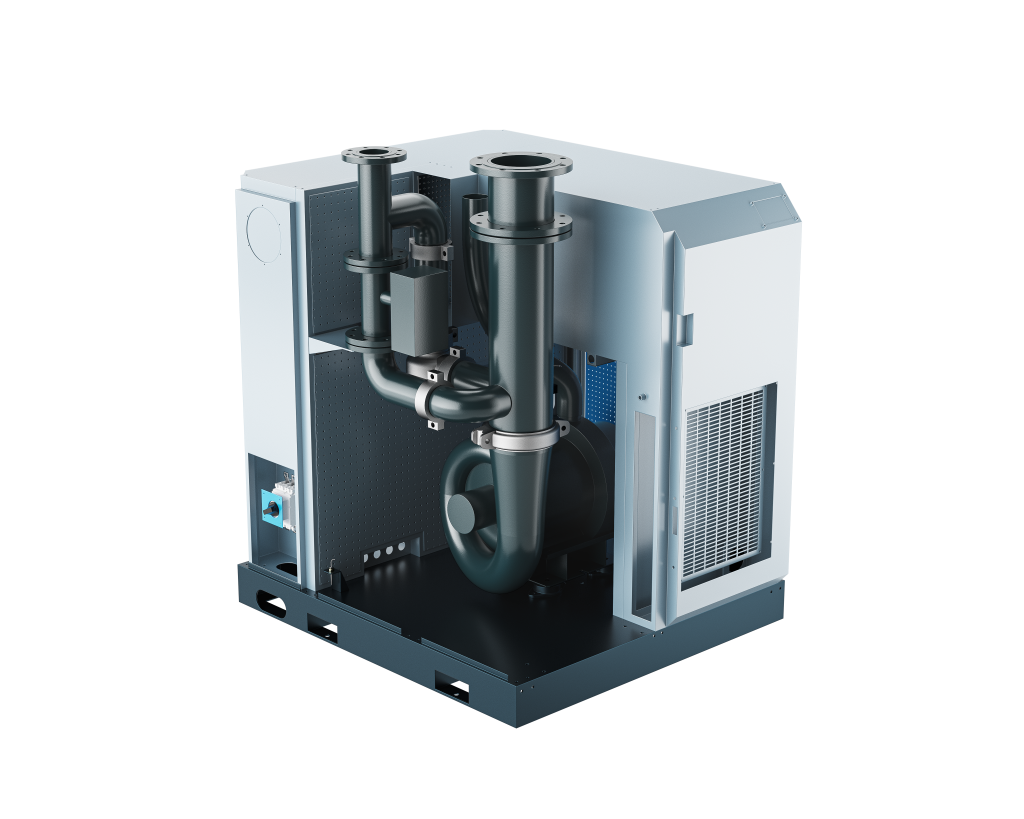
Capacity Planning and Sizing Table
| Facility Type | Est. Bed Count | Typical CFM Requirement | Recommended Configuration |
| Dental/Specialty Clinic | 1-10 Chairs | 5 – 25 CFM | Duplex Oil-Free Scroll (Vertical Tank) |
| Surgical Center | 4-6 ORs | 40 – 80 CFM | Triplex Scroll with Integrated Dryers |
| Regional Hospital | 200+ Beds | 150 – 400 CFM | Quadruplex Oil-Free Dry Screw |
| Research Lab | N/A | 10 – 50 CFM | Simplex/Duplex with Ultra-Fine Filtration |
PM VSD Technology
In the past, compressors were “all or nothing”—they ran at full speed or they were off. This is incredibly wasteful, especially in hospitals where demand varies wildly between the 9 AM surgical rush and the 3 AM quiet hours.
Today, Permanent Magnet Variable Speed Drive (PM VSD) technology allows the motor to match its speed exactly to the hospital’s air demand.
- Peak Hours: Full speed to support simultaneous surgeries and respiratory therapy.
- Off-Peak Hours: The motor slows down to a whisper, consuming only the energy needed to support the ICU.Seize Air has refined this technology, utilizing IE5 ultra-high efficiency motors that can reduce electricity bills by up to 35%. When you consider the 10-15 year lifespan of a medical compressor, the energy savings often exceed the initial purchase price of the machine.
Maintenance Realities of Oil-Free Systems
If you ask a field tech what they hate most, it’s a “compact” design that makes it impossible to change a filter. A true medical-grade system should be designed with the “human factor” in mind.
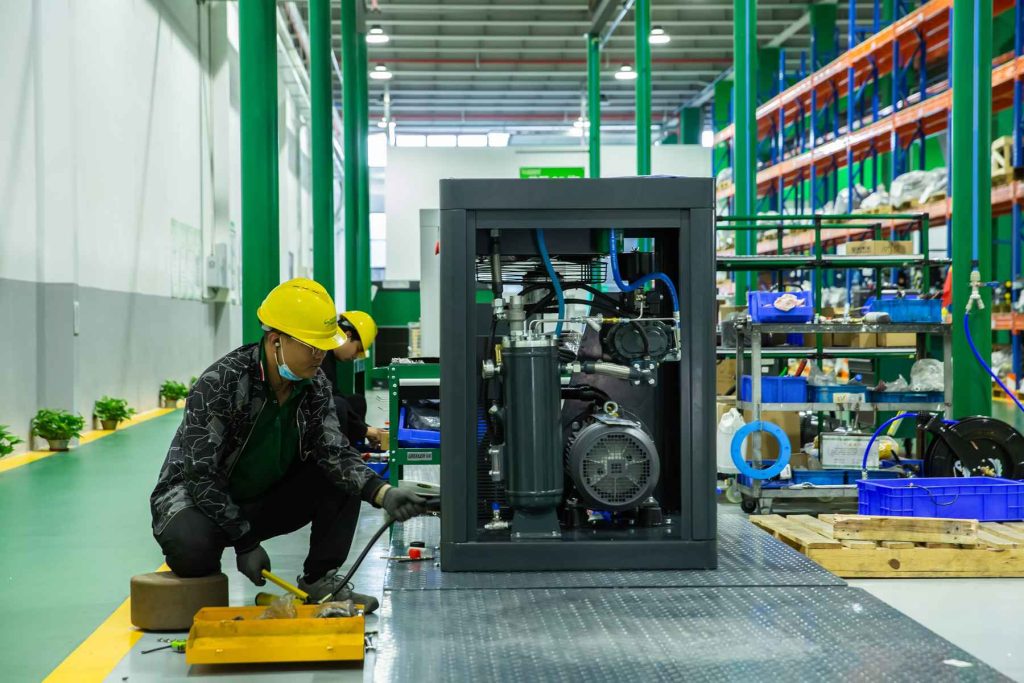
- Front-Access Maintenance: You shouldn’t have to dismantle the whole cabinet to swap a bacterial filter or inspect a belt. Modular designs allow for “hot-swapping” components while the rest of the system remains pressurized.
- Bacterial Filter Integrity: In a medical air compressor, the bacterial filter is the final gatekeeper. These must be replaced every 6 months regardless of pressure drop to ensure no pathogens migrate through the media.
- The “Intake” Danger: One “pro tip” from the field: Always check your intake location. If your intake is near the loading dock or an exhaust vent, your “medical air” will be full of carbon monoxide or diesel fumes. NFPA 99 specifies very strict rules for intake placement to prevent this.
As an engineer, I’ve seen facilities try to save money by using industrial-grade filters. Don’t do it. The microscopic oil vapor in an industrial-grade filter can’t handle the high-heat, high-purity demands of medical air, leading to rapid “breakthrough” and contamination of the hospital’s oxygen sensors.
The Future of Medical Air Compressor
The industry is moving toward Industry 4.0. Cloud-based monitoring allows technicians to see the health of a medical air compressor from a smartphone halfway across the world.
Integration with the Building Management System (BMS) is no longer optional; it’s an expectation. Modern systems, including high-end offerings from Seize Air, provide Modbus, BACnet, or Profibus connectivity as standard.
- Real-Time Dew Point Tracking: If the dryer fails and moisture levels rise, the system can automatically bypass the faulty tower and trigger an alarm.
- Carbon Monoxide (CO) Monitoring: A crucial safety feature that shuts down the intake if external pollutants are detected.
- Predictive Analytics: AI can now predict when a bearing is likely to fail by analyzing vibration patterns, allowing for scheduled maintenance before an emergency occurs.
Conclusion
The transition to 100% oil-free technology isn’t just about following regulations; it’s about risk mitigation. By eliminating oil from the compression process entirely, you eliminate the possibility of oil-based contamination reaching a patient’s lungs.
When designing or upgrading a medical facility, prioritize ISO Class 0 certification and look for partners—such as Seize Air—who understand the technical nuances of medical-grade reliability. Investing in a high-quality oil-free system today is the best insurance policy for the safety of your patients tomorrow. Your facility’s reputation and your patients’ lives depend on the air they breathe.