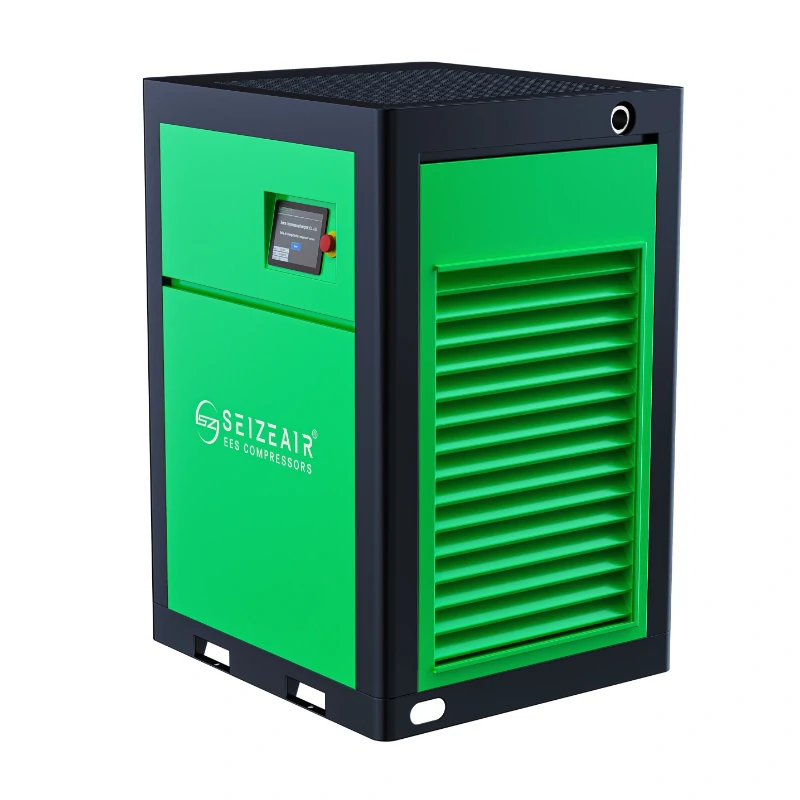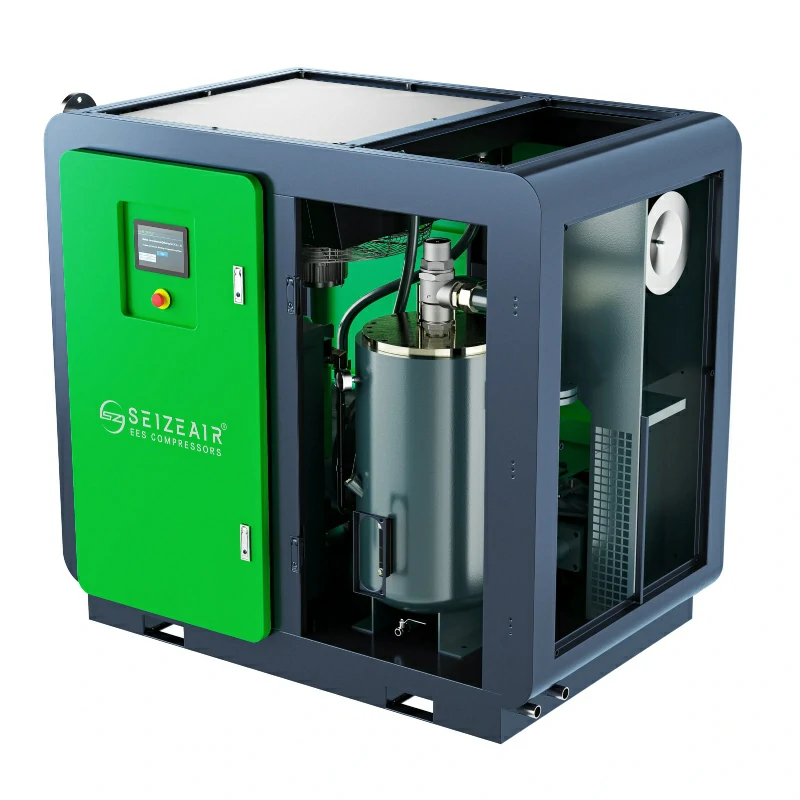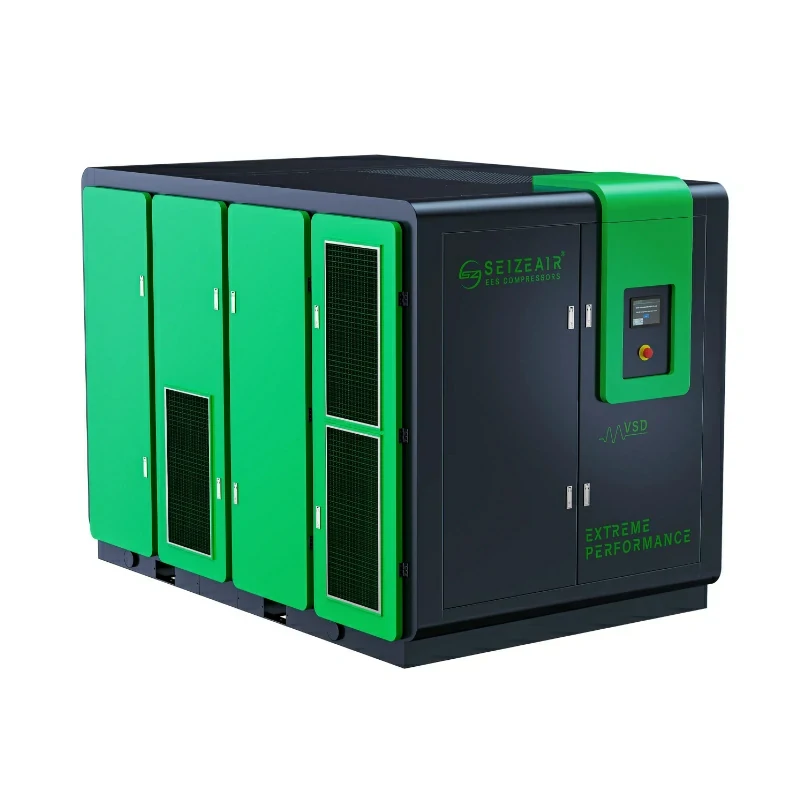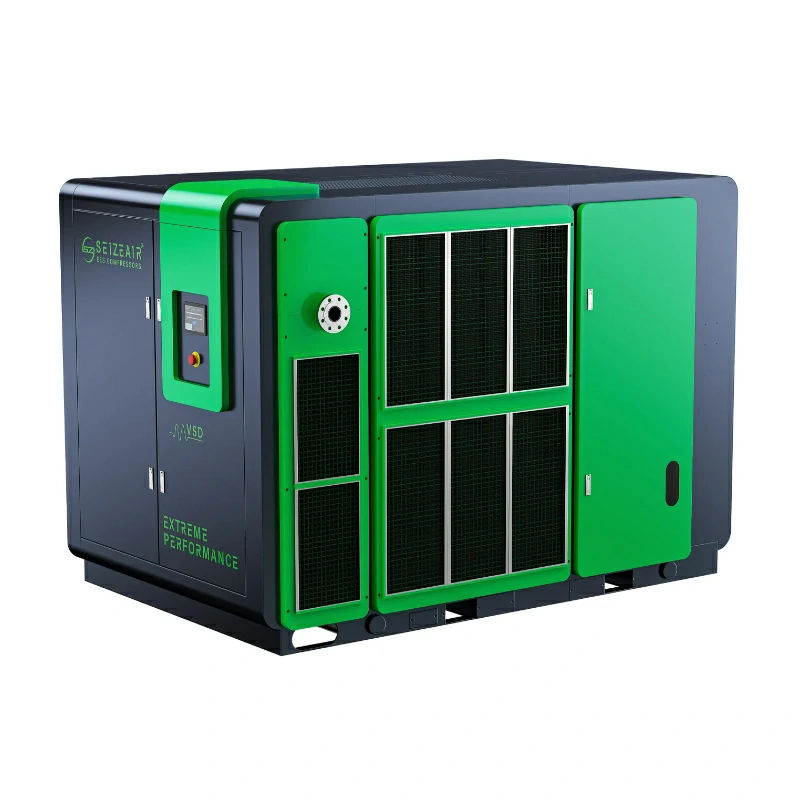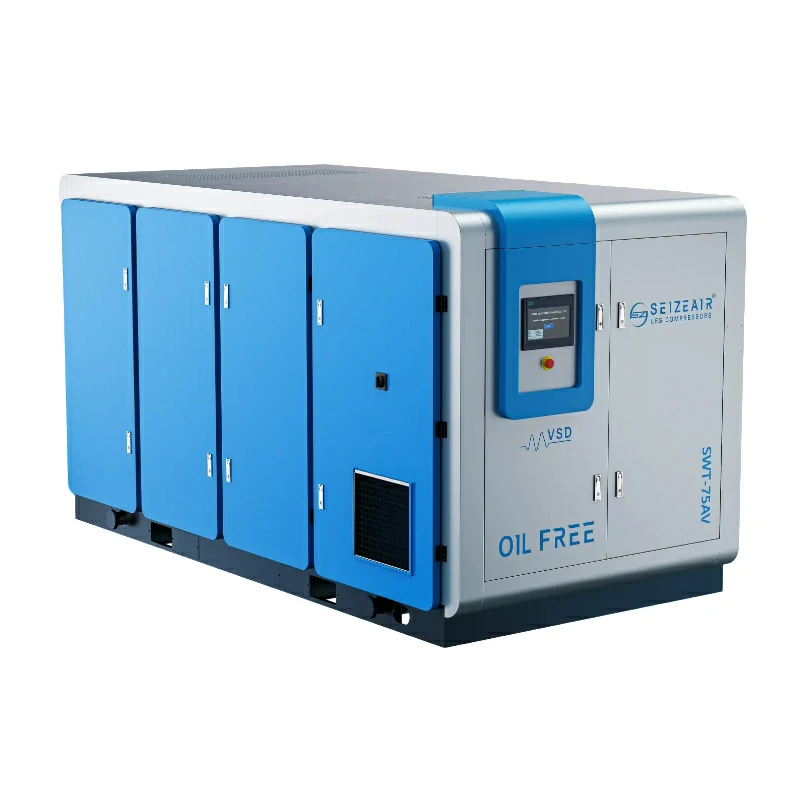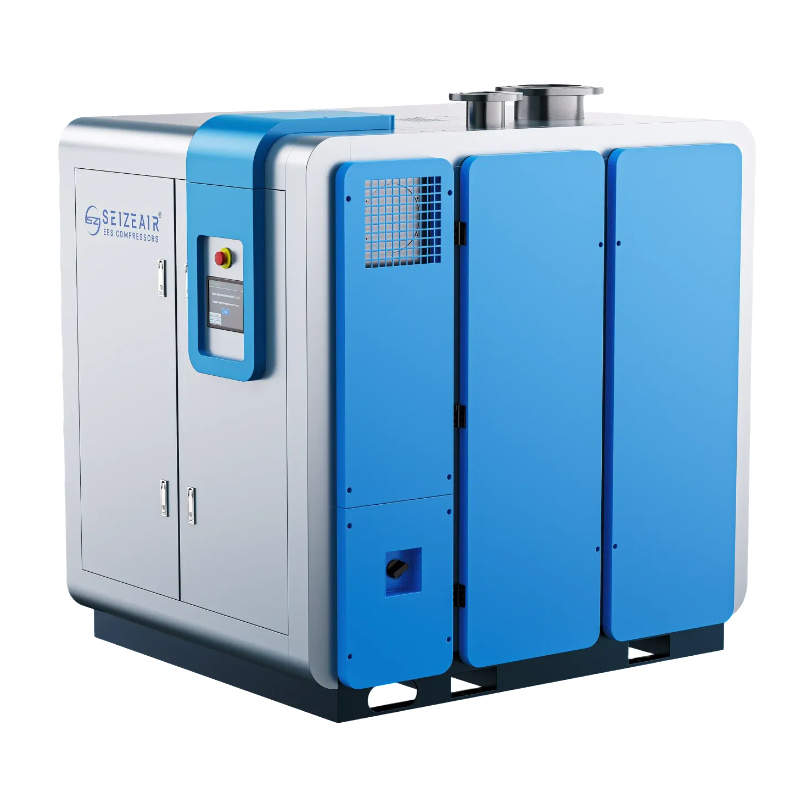


Selecting a 20 hp air compressor is a pivotal decision for any medium-to-large scale industrial operation. At this power bracket, you aren’t just looking for “air”; you are looking for a reliable utility that dictates the uptime of your production line.
Whether you are running CNC machines, large-scale spray booths, or pneumatic assembly tools, the right 20 HP unit balances energy efficiency with consistent CFM (Cubic Feet per Minute) delivery. In this guide, we’ll break down the top considerations, technical specifications, and why certain configurations outperform others in a heavy-duty environment.
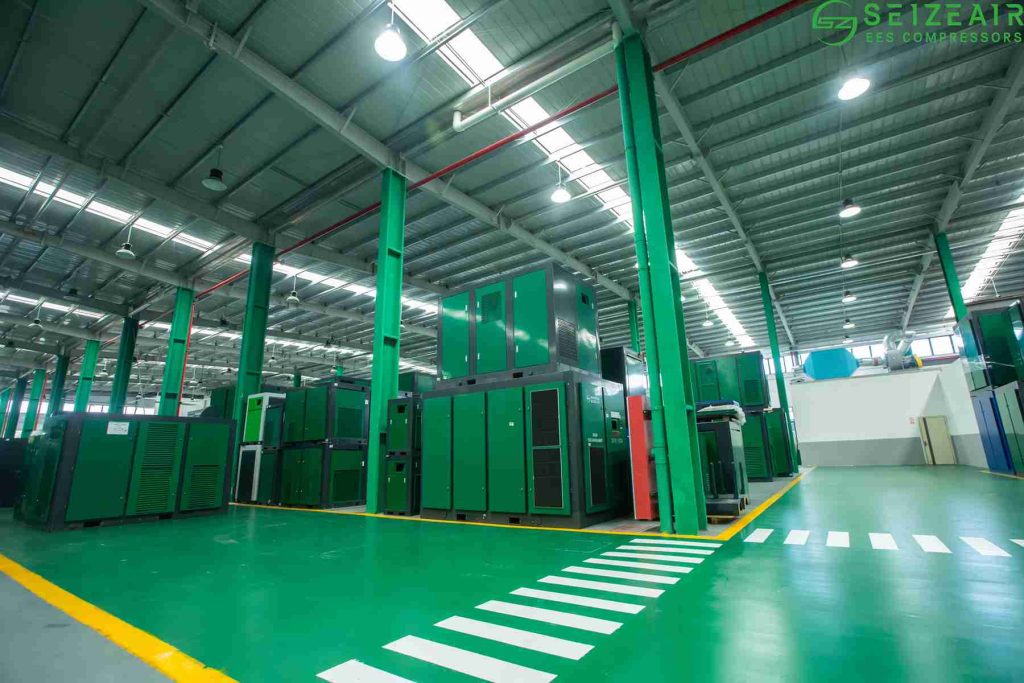
What is the CFM of a 20 HP Air Compressor at 125 PSI?
For many facilities, a 5 HP or 10 HP unit falls short during peak loads, while a 50 HP monster leads to unnecessary energy waste. The 20 hp air compressor provides that perfect middle ground, typically delivering between 70 to 90 CFM at 125 PSI.
The “Hidden” Engineering Logic of the 20 HP Range
From a systems engineering perspective, 20 HP is where the physics of air compression shifts. In smaller units, you can get away with inefficient cooling. At 20 HP, the heat of compression becomes a mechanical enemy. If your system isn’t designed to dissipate that thermal energy, your downstream air will be saturated with water, destroying your pneumatic valves and contaminating your paint finishes.
We often see shop owners make the mistake of buying “just enough” horsepower. But here’s the reality: if your tools demand 65 CFM and you buy a compressor that maxes out at 70 CFM, that machine is going to scream at full load 100% of the time. You’re looking at premature bearing failure and a skyrocketing service budget. A robust 20 hp air compressor gives you that “breathing room” (the safety margin) that keeps the plant running cool and quiet even during a triple-shift Tuesday.
Beyond simple displacement, you must consider the industrial 20 hp air compressor CFM requirements under real-world friction. When we talk about 85 CFM, that is “at the pump.” By the time it reaches a sandblasting cabinet 100 feet away through three elbows and a regulator, you might only be seeing 75 CFM. Engineering for a 20 hp rotary screw compressor 125 psi setup means calculating these “line losses” before you sign the purchase order.
| Feature | Rotary Screw (High Performance) | Reciprocating (Standard) | Centrifugal (Large Scale) |
| CFM Output @ 125 PSI | 82 – 95 CFM | 60 – 72 CFM | N/A (Too Small) |
| Duty Cycle | 100% Continuous | 60% – 75% | 100% |
| Drive Type | Direct or Belt | Belt Driven | Gear Driven |
| Typical Life Span | 15 – 20 Years | 7 – 10 Years | 25+ Years |
Is a 20 HP Rotary Screw Compressor Better Than a Piston Type?
If you ask a maintenance manager, they’ll tell you: “Pistons are for intermittent hobbyists; screws are for professionals.” But let’s dig into why the 20 hp air compressor market is moving so aggressively toward rotary technology.
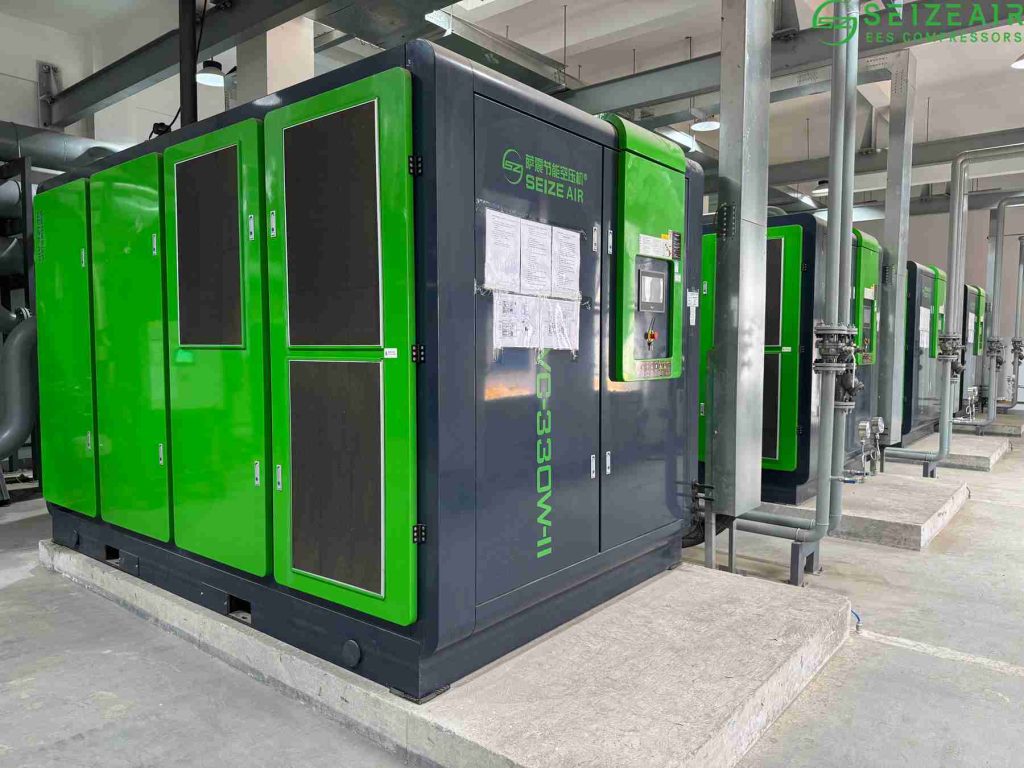
The Rotary Screw Advantage
In a rotary screw, two precision-machined rotors spin in opposite directions, trapping and compressing air with almost zero friction thanks to a thin film of oil. This isn’t just about noise; it’s about thermal stability. A 20 HP screw can run for 24 hours straight without a hiccup.
I’ve walked into factories where the old piston pumps were so hot you could fry an egg on the cylinder head. That heat isn’t just dangerous; it’s inefficient. Modern manufacturers, like Seize Air, have perfected the “low-temperature” screw profile. By keeping the internal temperature lower, the air remains denser, and the internal components experience far less thermal expansion stress. A 20 hp rotary screw air compressor with dryer is the gold standard because it handles this heat and the resulting moisture in one integrated cycle.
The Reciprocating Reality Check
Why does anyone still buy a 20 HP piston? Price. It’s $3,000 cheaper today. But ask yourself: can you afford $10,000 in downtime next year? Piston units work via “stop-start” cycles. If your production expands and that piston unit can’t stop to cool down, the oil will carbonize, the valves will leak, and you’ll be replacing the pump head before the warranty is even up. Furthermore, the 20 hp electric air compressor in a piston configuration creates massive vibration, requiring heavy-duty floor anchoring that a balanced rotary screw simply doesn’t need.
How to Calculate the Best 20 HP Air Compressor for My Shop?
When you’re looking for the best 20 hp air compressor, don’t just look at the box. Look at the integration of your system components.
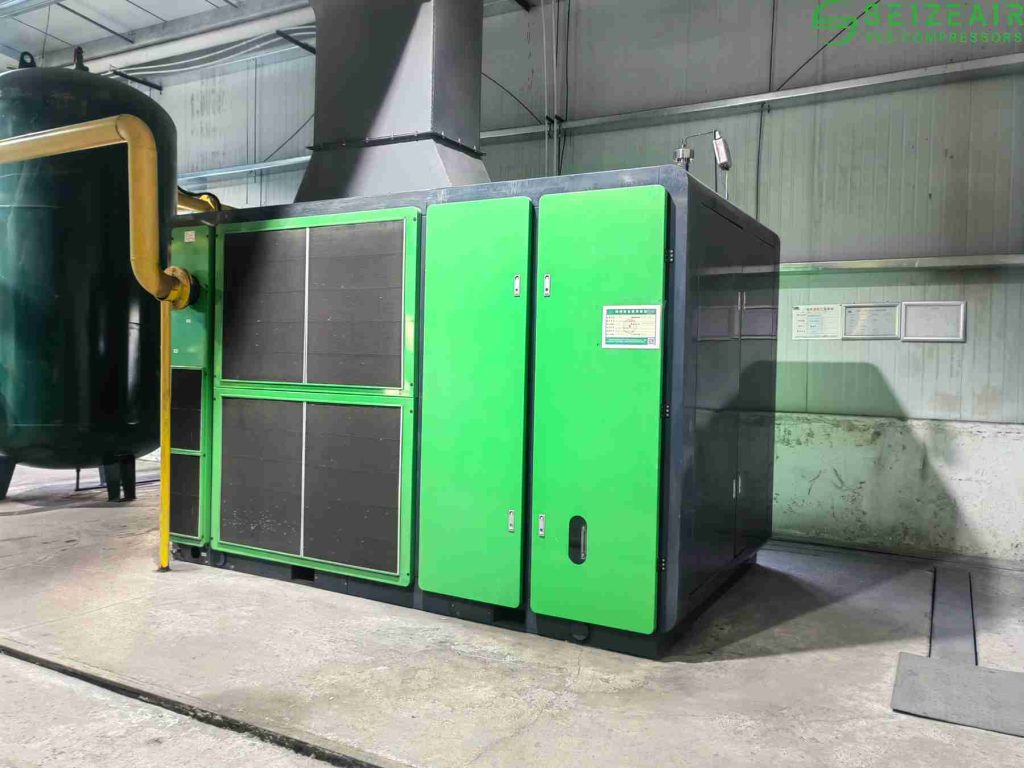
Understanding the Pressure Drop and Line Sizing
If your compressor is pushing 125 PSI but your CNC machine is only seeing 85 PSI, you have a “bottleneck” problem. This usually stems from undersized piping or clogged filters.
- Pro-Tip: If you’re installing a 20 HP unit, use at least 1.5-inch piping. Anything smaller will create friction, forcing the compressor to work harder (consuming more kW) just to overcome the resistance of the pipes.
- The Surge Factor: Does your process have “sudden” air draws? If so, your 20 hp tank mounted air compressor needs a larger receiver tank—not for the motor’s sake, but to act as a capacitor for the air system.
Moisture: The Silent Killer of Industrial Tools
Compression creates water—a lot of it. A 20 hp air compressor running in a humid environment can produce several gallons of water a day. If that water hits your expensive laser cutter, you’re looking at a $20,000 repair bill.
- The Integrated Solution: This is why “Total Air Stations” are becoming the industry standard. These units include the compressor, the tank, and a refrigerated dryer all in one footprint. Seize Air builds these compact systems specifically for plants that don’t have the space for a separate mechanical room but need laboratory-grade dry air. If you’re looking for a 3 phase 20 hp air compressor, ensure the dryer is also rated for the same electrical load to avoid complex wiring.
How Much Power Does a 20 HP VFD Air Compressor Save?
If there is one “must-have” for a modern industrial site, it’s VFD (Variable Frequency Drive) technology. In the old days, a compressor was either ON or OFF. When it was “unloaded,” it was still spinning at full speed, consuming about 30% of its full-load power while doing zero work. That is pure waste.
How VFD Changes the ROI Equation
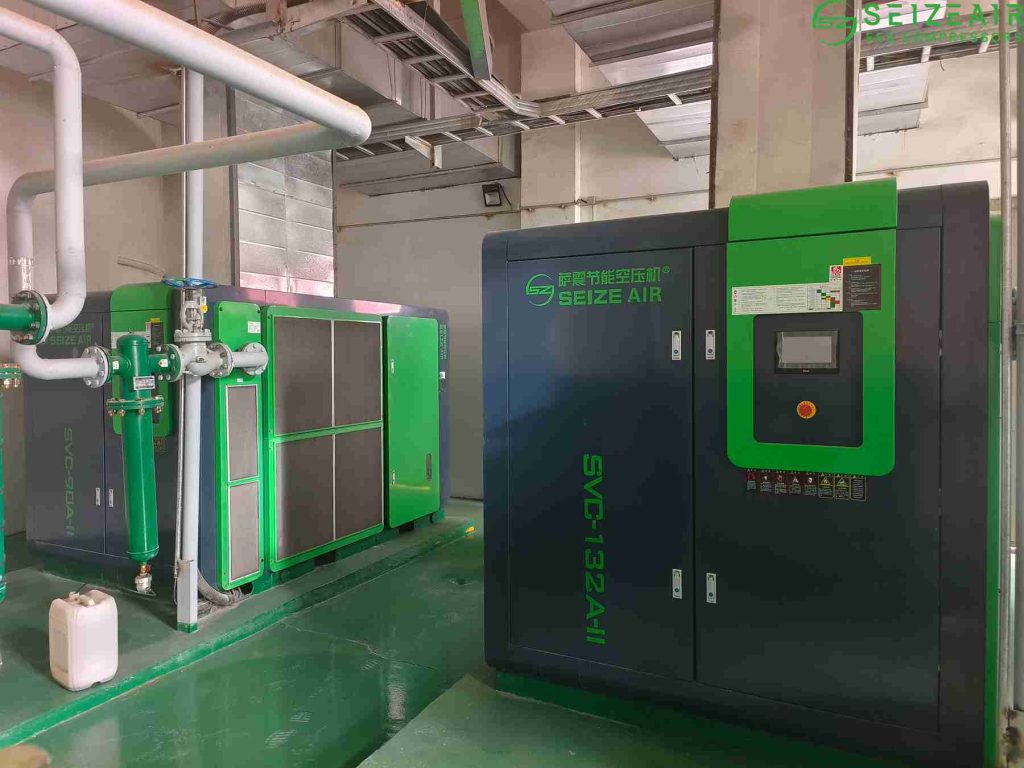
A VFD acts like the accelerator on a car. If you only need 30 CFM for a small task, the motor slows down to deliver exactly 30 CFM.
- Elimination of Start-up Spikes: Standard motors draw 6-8 times their running amps during startup. This can trigger “peak demand” charges from your electric company. A 20 hp vfd air compressor starts softly, saving you thousands in hidden utility fees.
- Stable Pressure: Instead of the pressure swinging between 110 and 125 PSI, a VFD locks it at exactly 118 PSI. This precision improves the consistency of pneumatic tools and reduces “air leaks” (which leak faster at higher pressures).
When I analyze the Capex (Capital Expenditure) for a client, the Seize Air VFD models usually show a return on investment within 14 to 18 months just on energy savings. For someone searching for a stationary 20 hp air compressor for factory use, the VFD isn’t an “option”—it’s an essential part of the financial strategy.
What are the Maintenance Requirements for a 20 HP Screw Compressor?
The worst way to maintain a compressor is to wait for it to stop. In a 20 HP system, a simple $50 air filter can be the difference between a healthy machine and a seized air-end.
The Maintenance Hierarchy and Parts Longevity
- Level 1 (The Basics): Check the oil sight glass every Monday morning. If the oil looks like chocolate milk, you have moisture contamination. Change it immediately.
- Level 2 (The Air-End): The “heart” of the machine. Listen for “whining” or high-pitched screams. This indicates bearing wear. If caught early, a bearing swap is cheap. If you wait until it seizes, you’re buying a whole new air-end. This is particularly critical for 20 hp oil injected rotary screw compressors where the lubricant is the lifeblood.
- Level 3 (The Cooling Stack): In 20 HP units, the oil cooler and aftercooler are often sandwiched together. Dust builds up between them. If the discharge temperature exceeds 200°F (93°C), your compressor will auto-shutdown. Keep those fins clean with compressed air or a soft brush.
High-end models from specialists like Seize Air often feature smart controllers that will alert your phone or computer when these intervals are approaching, taking the guesswork out of plant management. Using an industrial 20 hp air compressor maintenance kit designed specifically for your model ensures that seal tolerances remain within microns of factory specifications.
Final Verdict
If your application is “mission-critical”—meaning if the air stops, the money stops—invest in a 20 HP Rotary Screw Compressor with an integrated dryer.
The best 20 hp air compressor for industrial use isn’t necessarily the cheapest one on the shelf. It’s the one that offers the best CFM-per-watt ratio. Brands like Seize Air have built a reputation on “energy-saving” DNA, ensuring that your factory stays productive without your utility provider becoming your biggest stakeholder.
Ready to upgrade your air system? Focus on the CFM requirements of your most demanding tool, add a 25% safety buffer, and choose a screw compressor that can grow with your business. By selecting a machine with a focus on low-speed operation and high-efficiency filtration, you aren’t just buying an air compressor—you’re buying peace of mind for the next decade.