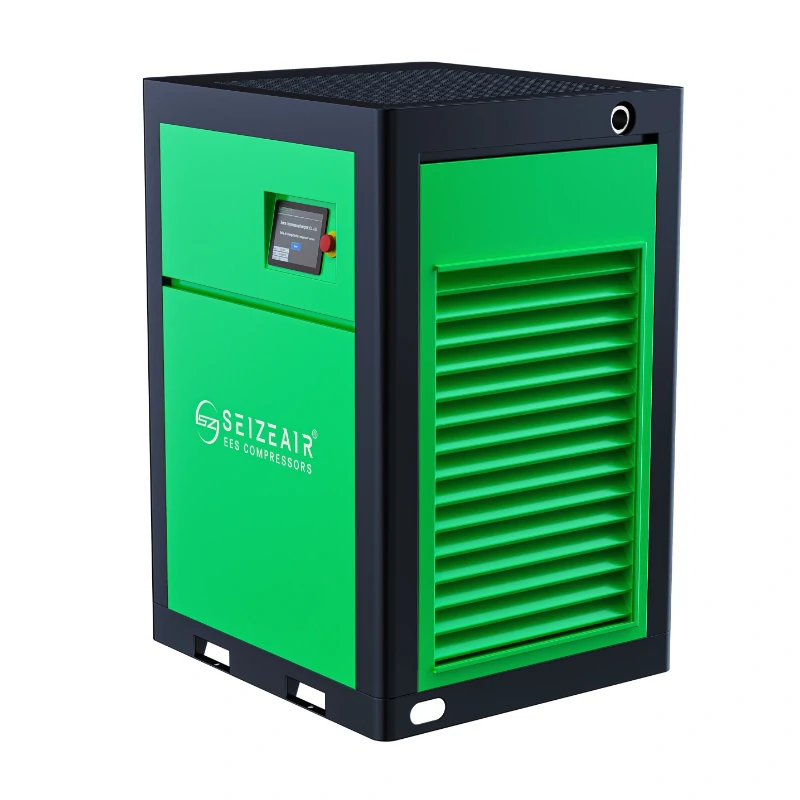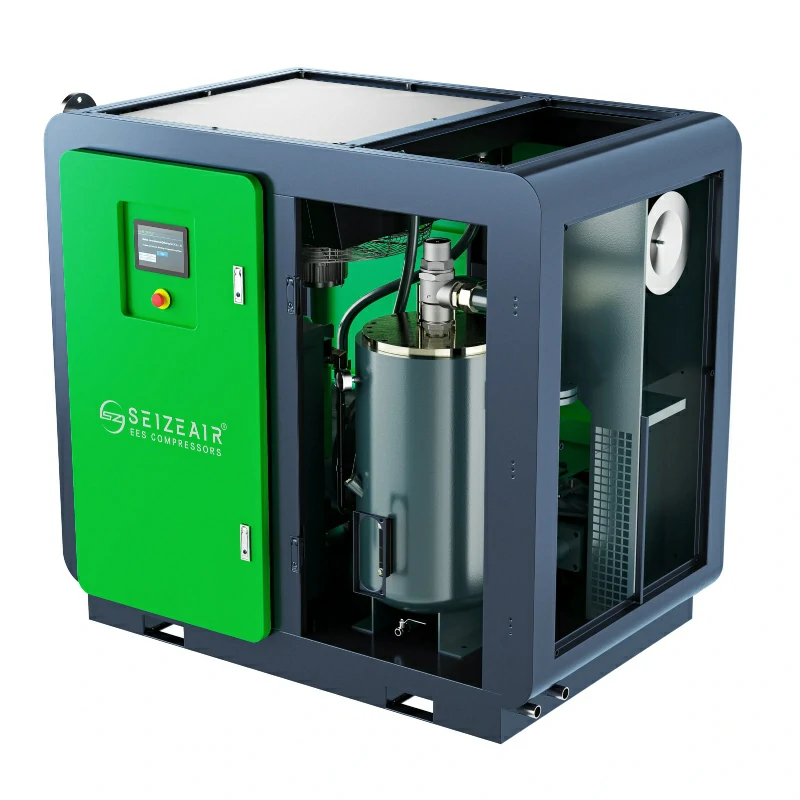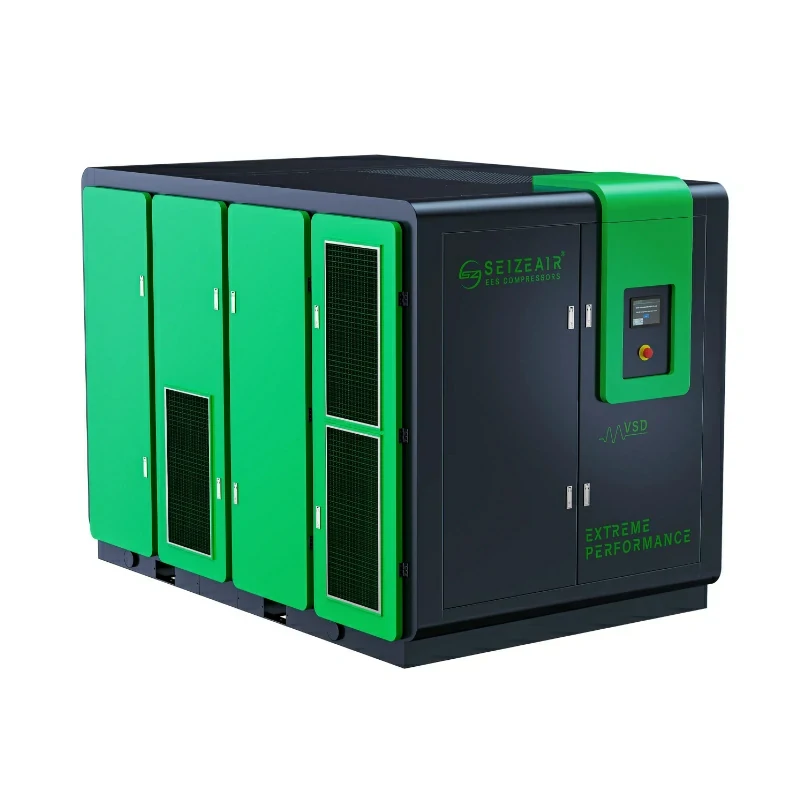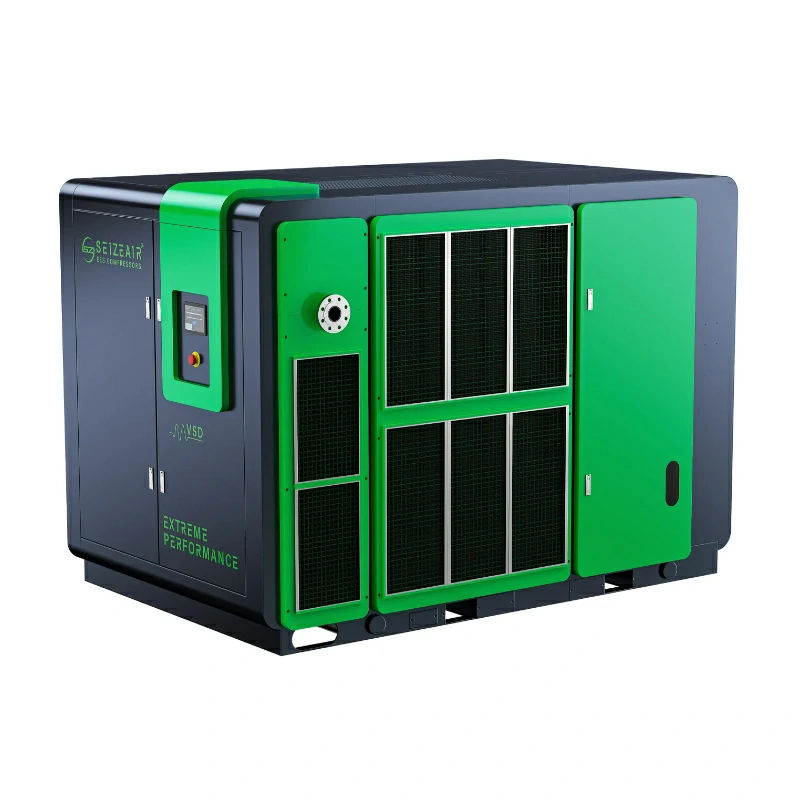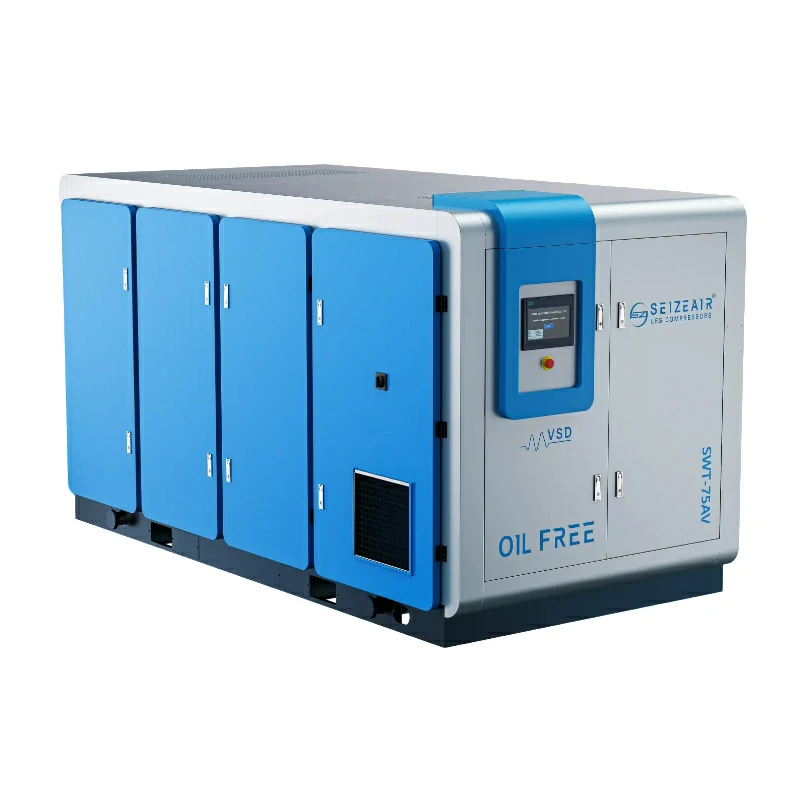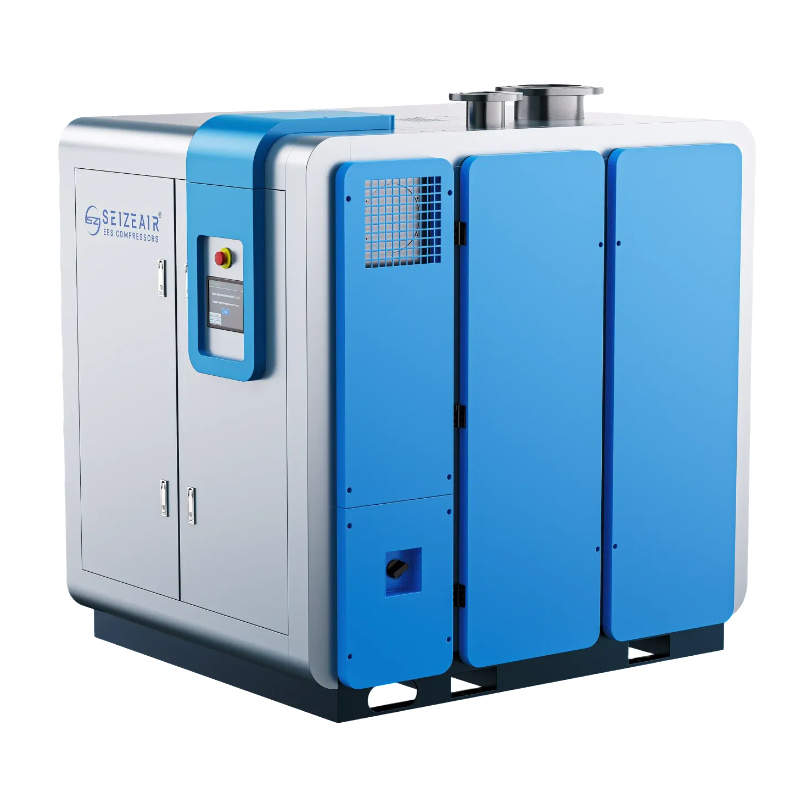


A 15 bar air compressor is now the preferred cost-saving choice for modern fiber laser cutters, providing the high-pressure assist gas required to instantly expel molten metal, protect delicate optics, and deliver dross-free edges without the high cost of liquid nitrogen or bottled oxygen.
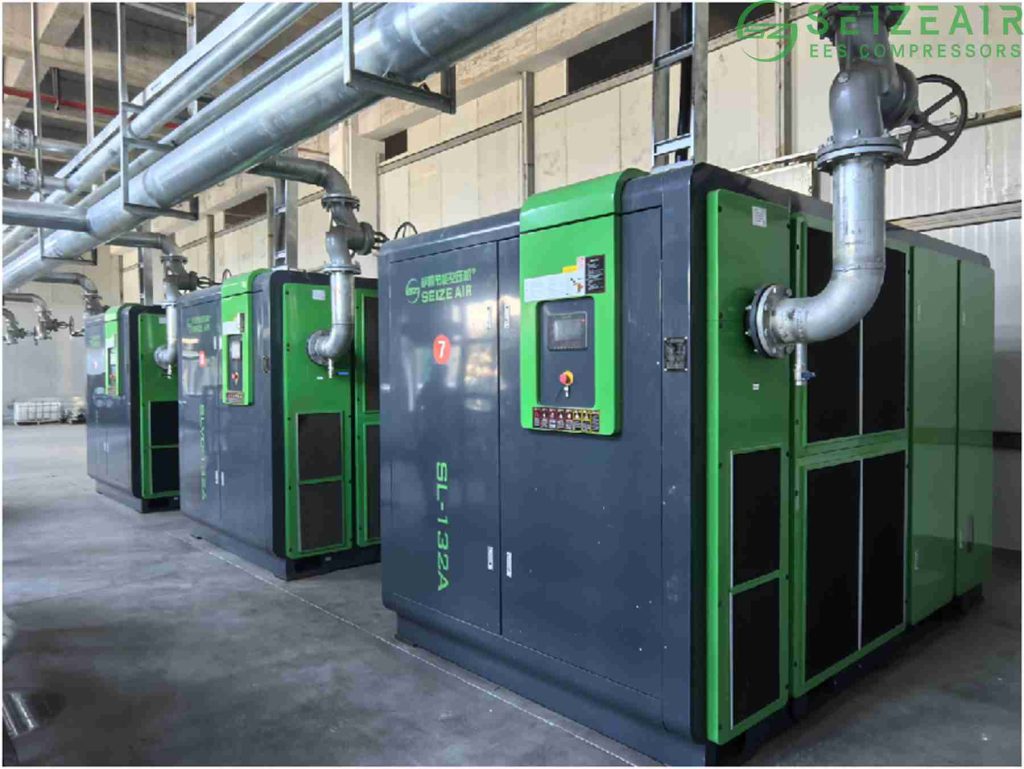
Why Use a 15 Bar Air Compressor for Laser Cutting Instead of Nitrogen?
To understand why a 15 bar air compressor has become an industry staple, we must look at the mechanical role of the assist gas. In fiber laser cutting, the laser beam does not actually cut the metal; it merely melts it along a precise path. The compressed air acts as the mechanical muscle that completes the job.
When high-pressure air blasts through the laser nozzle, it serves three critical, simultaneous functions:
- Expelling Molten Metal: It applies sheer physical force to evacuate the liquefied metal out of the kerf (the cutting slit) before the material can cool down and re-solidify.
- Protecting the Laser Optics: It creates a powerful positive pressure barrier that stops cutting smoke, metal dust, and sparks from splashing upward into the laser head, protecting expensive protective windows and focusing lenses.
- Cooling the Cut Zone: It quickly dissipates excess heat away from the surrounding material, which prevents thermal deformation, warping, and micro-cracking on intricate geometric patterns.
For years, many shops relied entirely on liquid nitrogen to maintain clean cuts on stainless steel or oxygen to trigger an exothermic reaction on carbon steel. However, relying on gas suppliers introduces massive, recurring overhead costs. Implementing a 15 bar screw air compressor allows manufacturers to generate their own high-pressure assist gas on-demand using standard electricity.
Modern systems, such as the energy-efficient models engineered by Seize Air, deliver consistent pressure that matches or exceeds the cutting speed of nitrogen on mid-range sheet metal thicknesses, allowing fabrication shops to achieve complete operational independence while slashing hourly production costs.
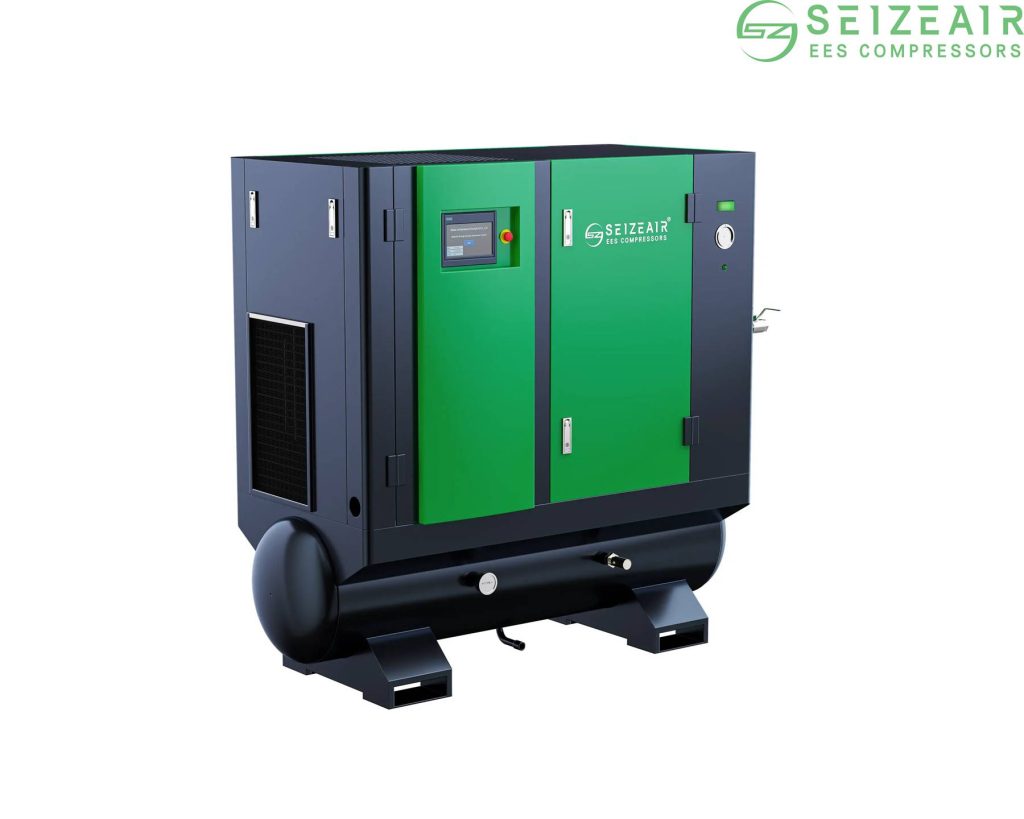
What is the Best 15 Bar Air Compressor for Fiber Laser Machines?
In the early days of CO2 lasers, low-pressure air systems delivering 5 to 8 bar were sufficient because cutting speeds were slower and materials were generally thinner. Modern fiber lasers, however, operate at blistering speeds and generate intense thermal energy. If your air pressure drops below the required threshold, the molten material will not clear fast enough, resulting in heavy dross or slag (hard metal burrs fused to the bottom edge of the cut).
A 15 bar air compressor for laser cutting represents the exact sweet spot where air velocity and mass flow rate intersect perfectly to match high-speed fiber optics. Different metals and thicknesses require precise tuning, as detailed below:
| Material Type | Thickness Range | Why 15 Bar is Required | Resulting Edge Quality |
| Carbon Steel / Mild Steel | 1.0mm to 6.0mm | Rapid evacuation prevents over-burning, minimizes heat-affected zones, and ensures the cut path remains narrow. | Sharp, clean bottom edges that require zero post-processing grinding. |
| Stainless Steel | 1.0mm to 4.0mm | High kinetic energy is needed to overcome the high surface tension and viscosity of molten chromium-nickel alloys. | Smooth, silver cut surface with minimal, easily manageable oxidation layers. |
| Aluminum | 1.0mm to 4.0mm | Aluminum absorbs heat incredibly fast and gums up easily; high-speed air shears the sticky molten metal away instantly. | Clean, burr-free edges without any micro-welding or residual slag buildup. |
If you attempt to cut 4mm stainless steel using a standard 8 bar or 10 bar compressor, your cutting speeds will crawl, and your team will spend hours manually grinding slag off every single finished part. Stepping up to a dedicated high pressure air compressor for laser machine operations removes this manufacturing bottleneck entirely.
To achieve the best results, look for a 15 bar rotary screw compressor equipped with a permanent magnet variable frequency drive (PM VFD). A high-quality 15 bar screw air compressor utilizing VFD technology automatically speeds up or slows down its motor to match the real-time consumption of your laser nozzle, preventing artificial pressure drops and drastically reducing your workshop’s monthly utility bills.
How Does Air Pressure Affect Fiber Laser Cutting Quality and Velocity?
The reason the jump from a standard 10 bar system to a 15 bar air compressor makes such a profound difference in edge quality comes down to fundamental fluid dynamics. The kinetic energy of the air stream exiting your laser nozzle is directly proportional to the pressure feeding into it.
The mathematical relationship governing the kinetic energy of a high-pressure gas flow can be written as follows:
Kinetic Energy = 0.5 * m * v^2
Where “m” represents the mass flow rate of the compressed air and “v” represents its velocity.
When you supply a steady 15 bar of pressure to a laser cutting nozzle, the compressed air achieves supersonic or near-supersonic velocity at the exit point. This immense kinetic energy exerts an extreme shearing force on the molten metal pool, stripping it away from the base material before it can stick.
At lower pressures, like 8 bar or 10 bar, the velocity drops below the critical threshold required to overcome the natural surface tension of molten stainless steel or aluminum. The metal cools down mid-evacuation, leaving behind a heavily drossed, jagged edge.
Furthermore, lower air pressure limits your maximum cutting speed. When using a 15 bar compressor for fiber laser systems, the increased kinetic energy allows the laser head to move across the sheet metal up to 20% to 30% faster on thin gauges compared to lower pressure setups. Faster cutting speeds mean fewer heat-affected zones, less material warping, and a massive boost in your total daily shop throughput.
How Much Money Can You Save Switching to a High Pressure Air Compressor for Laser Machine Work?
To understand the financial impact of integrating a 15 bar air compressor, let’s look at a realistic operational cost breakdown. Consider a standard job shop operating a 3kW fiber laser for 8 hours a day, 22 days a month, processing a mix of stainless steel and mild steel.
| Assist Gas Option | Average Cost per Month | Operational Logistics & Pain Points | Edge Quality & Post-Processing |
| Liquid Nitrogen (Bulk/Dewars) | $2,500 – $4,000 | Constant delivery coordination, high tank rental fees, and inevitable gas boil-off waste over weekends. | Perfect, completely oxide-free bright edges. |
| Bottled Oxygen | $1,500 – $2,500 | Frequent cylinder swaps, production downtime during tank changes, and serious high-oxygen safety hazards. | Oxidized, dark scaling on carbon steel edges. |
| 15 Bar Compressed Air | $400 – $700 (Electricity cost only) | Continuous on-demand air generation with zero supply chain or delivery dependencies. | Light cosmetic oxidation, but structural weld integrity remains excellent. |
By switching to a specialized 15 bar screw air compressor, most metal fabrication businesses fully recover their initial machinery investment within 6 to 12 months simply by breaking free from recurring nitrogen gas bills.
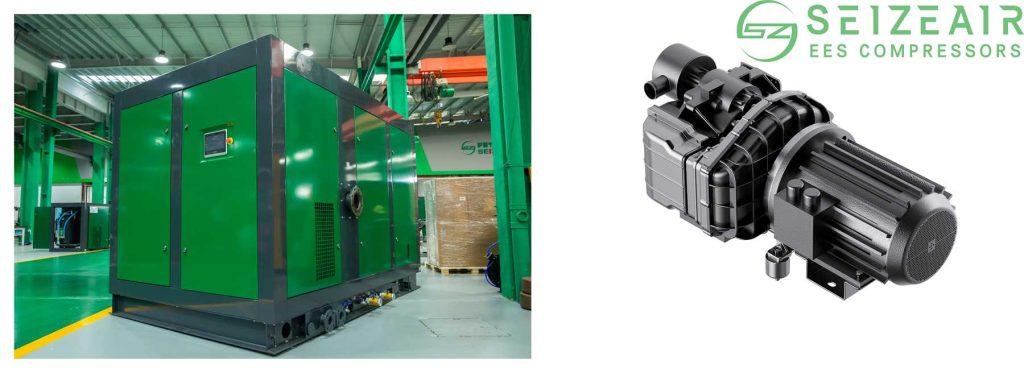
Leading manufacturers like Seize Air have optimized their high-pressure screw compressors explicitly for this conversion, ensuring that the energy consumed by the compressor is kept to an absolute minimum. Over a 5-year operational window, the total cost of ownership (TCO) of a laser cutting setup running on 15 bar air is a fraction of what would be spent on liquid nitrogen contracts.
Can I Use a Standard 8 Bar Compressor with a 15 Bar Laser System?
A common question among shop owners is whether they can get away with using an existing standard 8 bar or 10 bar factory air line for their new fiber laser. The short answer is: for industrial production, absolutely not.
While an 8 bar system might suffice for engraving or cutting paper-thin materials (under 0.5mm), it lacks both the pressure and the volume required to handle standard sheet metal fabrication. Attempting to use a standard low-pressure compressor leads to severe problems, including:
- Constant Production Dross: Your parts will require extensive secondary manual grinding, skyrocketing your labor costs and slowing down your delivery times.
- Frequent Laser Head Burn-Throughs: If the air pressure is too weak to clear the molten metal, the material can pool upward and splash directly back onto the nozzle, instantly cracking the costly protective window and destroying the internal optics.
- System Pressure Drops: Standard workshop compressors are not designed to maintain a continuous, unyielding 15 bar discharge under the high flow demands of a laser nozzle, leading to unexpected pressure drops that ruin expensive metal sheets mid-cut.
To protect your equipment and ensure stable production, a dedicated high pressure air compressor for laser machine use is mandatory.
Why is Air Filtration Critical for a 15 Bar Compressor for Fiber Laser Operations?
While hitting a consistent 15 bar of pressure is required to clear metal, the purity of that compressed air is what protects your multi-thousand-dollar fiber laser investment. Raw compressed air coming straight out of a compressor pump is inherently hot, wet, and contaminated with aerosolized oils.
If even a microscopic droplet of oil or water vapor sneaks past your filtration lines and lands on your fiber laser’s protective glass window, it creates a catastrophic failure point. The high-density fiber laser beam will instantly hit that contaminant, heat it up to extreme temperatures, and explode or crack the protective lens, which can cause thousands of dollars in optical head damage and days of unplanned workshop downtime.
Therefore, a proper 15 bar air compressor setup requires a comprehensive, multi-stage air treatment train:
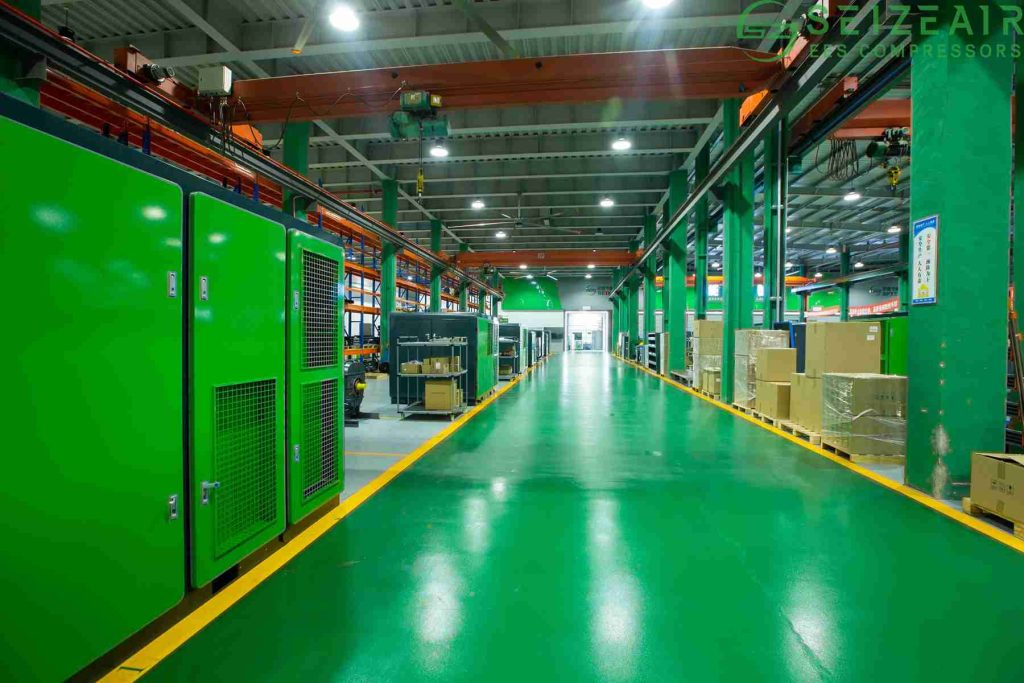
To eliminate the risk of improper installation and complex plumbing, Seize Air pioneered their integrated, all-in-one 4-in-1 laser cutting air compressor systems. These specialized units build the 15 bar screw air compressor, a heavy-duty refrigerated air dryer, a high-capacity storage tank, and four stages of ultra-precision high-efficiency particulate filters directly into a single, compact skid. This guarantees a continuous supply of clean air meeting ISO 8573-1 Class 1 oil and moisture standards, keeping your laser optics clean and your cutting lines perfectly stable.
How Much CFM or Air Volume Does a 15 Bar Laser Nozzle Consume?
When shopping for a 15 bar air compressor for laser cutting, looking at horsepower (HP) or kilowatts (kW) alone can be a misleading metric. You must size your system based on its volumetric flow rate, measured in Cubic Feet per Minute (CFM) or Cubic Meters per Minute (m3/min), relative to the size of the cutting nozzle you intend to use.
The volume of air your fiber laser consumes is determined entirely by the diameter of the nozzle aperture. A larger nozzle creates a wider pathway, requiring a significantly higher volume of air to maintain a constant 15 bar pressure at the cutting tip.
| Nozzle Aperture Diameter (mm) | Required Target Pressure (bar) | Minimum Volumetric Flow Rate (m3/min) | Minimum Volumetric Flow Rate (CFM) |
| 1.5 mm Nozzle | 15 bar | 0.6 m3/min | 21 CFM |
| 2.0 mm Nozzle | 15 bar | 1.0 m3/min | 35 CFM |
| 2.5 mm Nozzle | 15 bar | 1.6 m3/min | 56 CFM |
| 3.0 mm Nozzle | 15 bar | 2.3 m3/min | 81 CFM |
If you plan to run a 2.5mm nozzle for thicker stainless steel plates but purchase a compressor that only outputs 1.0 m3/min, your system pressure will immediately tank to 6 or 7 bar the moment the laser head opens up, ruining your cut.
Always size your 15 bar rotary screw compressor to match or exceed the air consumption of the largest nozzle your fiber laser can use. Purchasing a permanent magnet variable speed drive system, such as those manufactured by Seize Air, ensures that if you switch down to a smaller 1.5mm nozzle, the compressor will automatically lower its output and power consumption, matching your exact workflow without wasting electricity.
Investing in a dedicated, high-purity 15 bar air compressor is a vital strategic upgrade for any modern sheet metal fabrication shop looking to remain profitable. By switching from high-cost gas supplier contracts to smart, on-demand high-pressure compressed air, you unlock faster cutting speeds on mid-range materials, drastically lower your hourly operational costs, and secure full control over your production schedules. Just remember: stable pressure handles the cut, but pristine air filtration protects your investment.
Ready to eliminate your monthly gas delivery bills and optimize your fiber laser’s daily cutting performance? Our dedicated team of industrial air engineers is standing by to help you choose the ideal, energy-efficient high-pressure system tailored perfectly to your laser power and material thickness requirements. Contact Seize Air today to receive a detailed technical consultation and a transparent, free quote on our specialized 15 bar laser cutting air compressor systems!