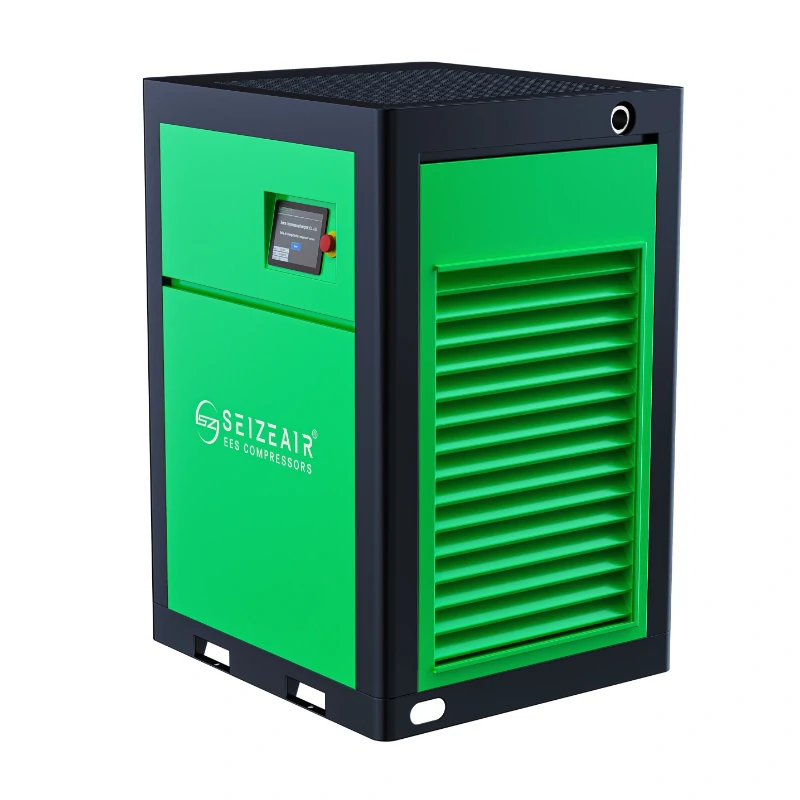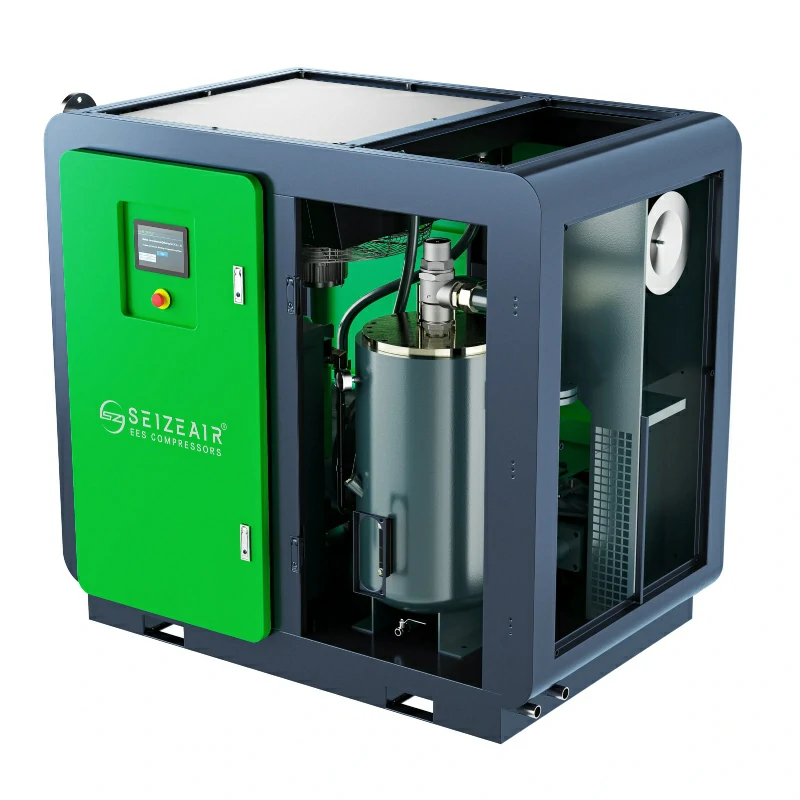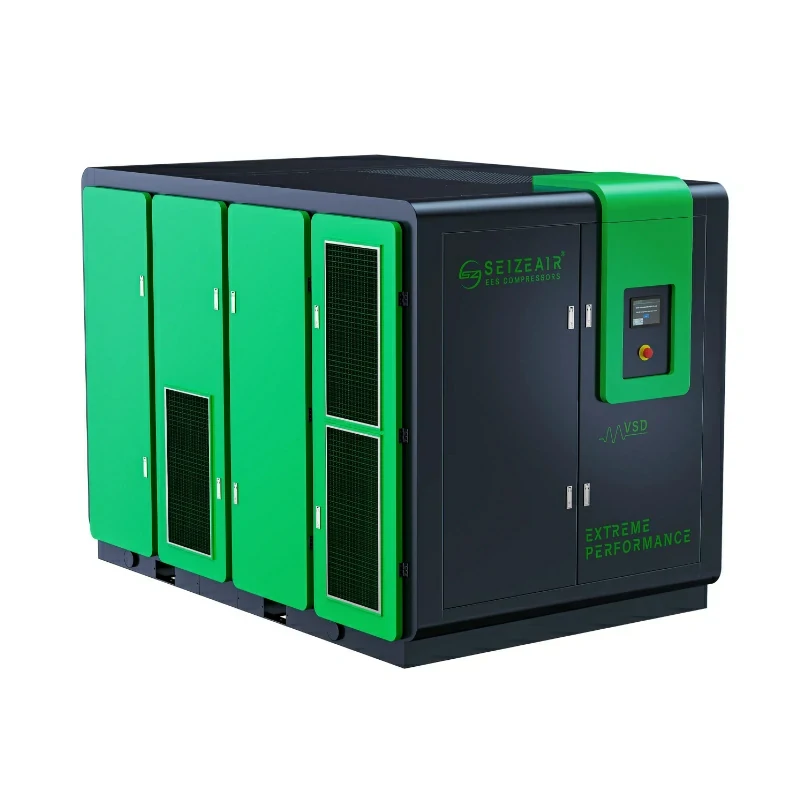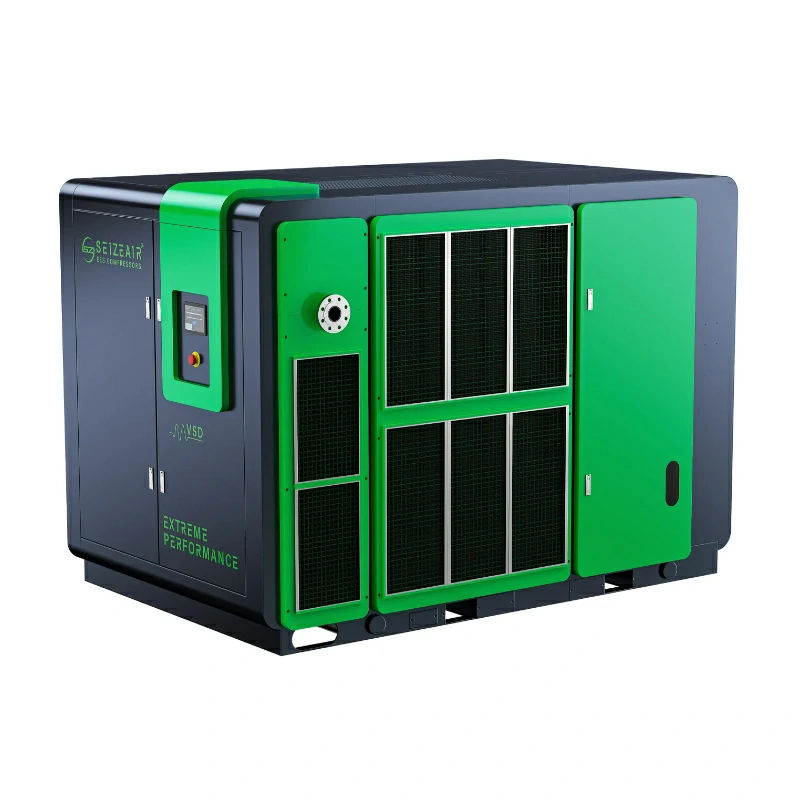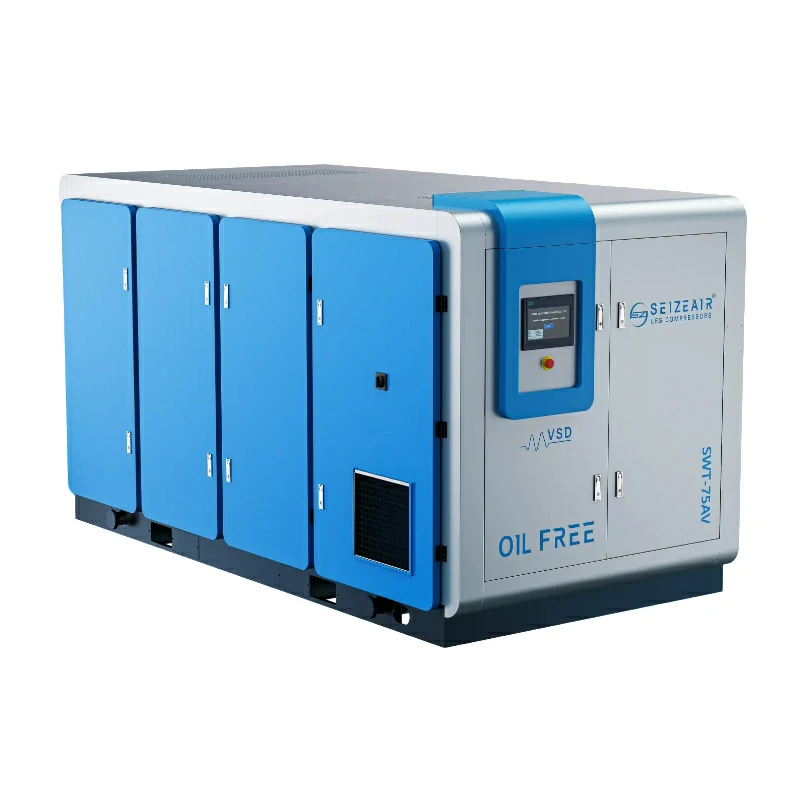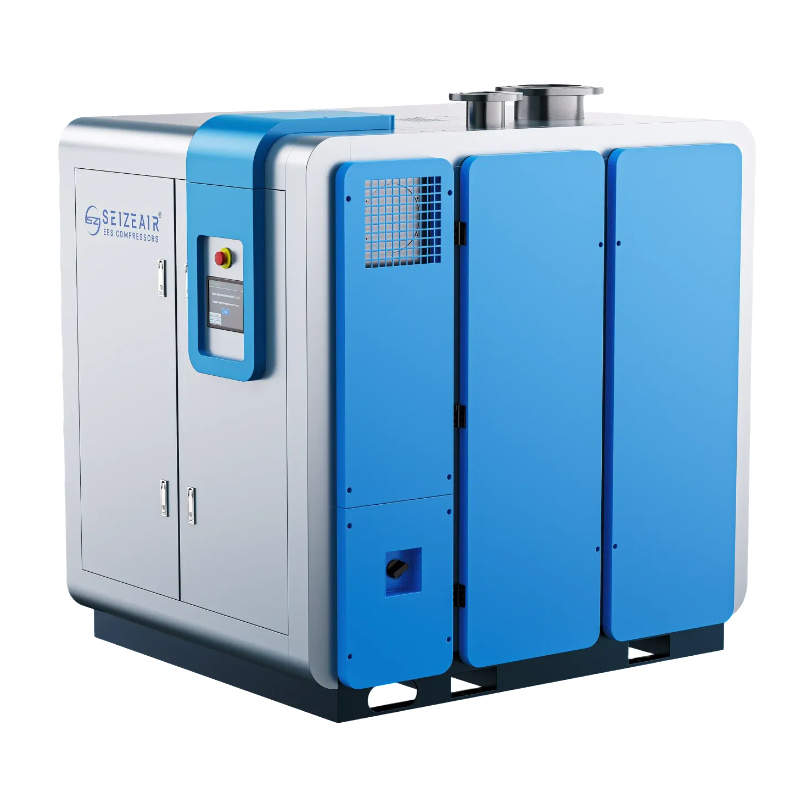


If you want to reduce facility energy costs, choosing a high-efficiency 3 phase air compressor is one of the most impactful operational decisions you can make. While a standard single-phase unit works fine for small garage setups, industrial facilities rely on 3 phase electric air compressor systems to deliver continuous, heavy-duty power. In this guide, we will break down the true efficiency metrics of these systems, analyze how they compare to single-phase setups, and help you find the exact configuration to optimize your production floor.
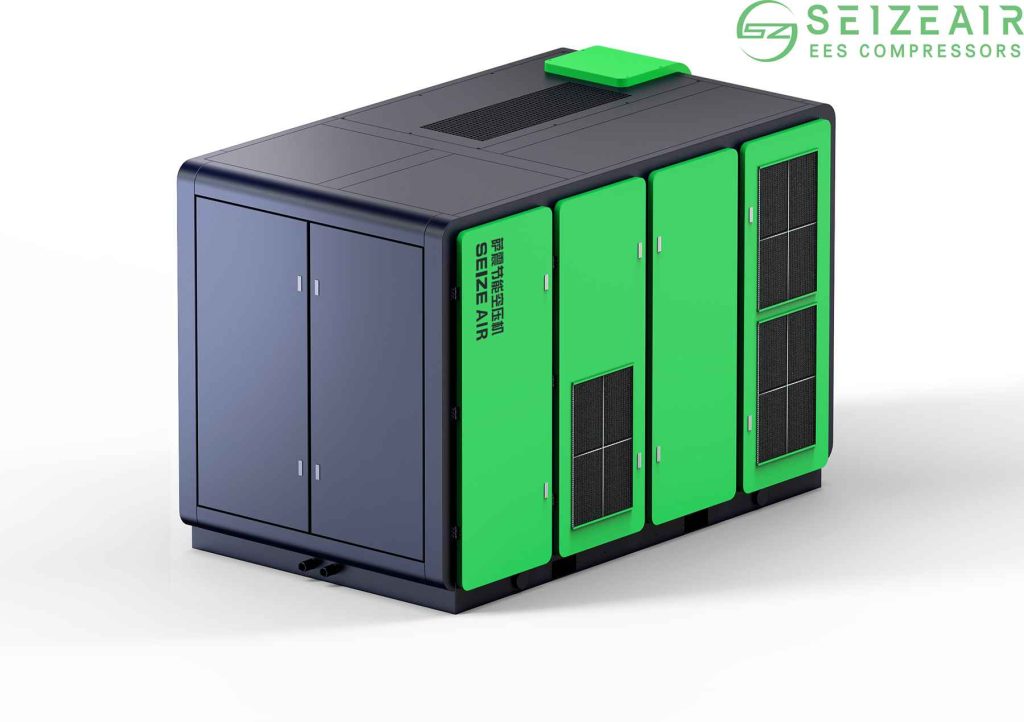
What Is the Difference Between Single-Phase and 3-Phase Air Compressors?
To understand why a 3 phase industrial air compressor operates with such high efficiency, we must look at how electricity is delivered to the motor.
- Single-Phase Power (1-Phase): This setup uses two wires to deliver alternating current (AC). The power delivery follows a single wave pattern, meaning the voltage drops to zero multiple times per second. The motor experiences subtle, constant micro-pulses in torque, forcing it to draw more current to maintain momentum.
- Three-Phase Power (3-Phase): This system delivers three separate alternating currents through three active wires. Each wave is offset by 120 degrees. As one wave declines, another reaches its peak, resulting in a constant, uninterrupted stream of smooth electrical power.
Electrical and Mechanical Feature Comparison
| Operational Feature | Single-Phase Air Compressor | 3 Phase Industrial Air Compressor |
| Common Industrial Voltages | 120V to 240V | 208V, 240V, 480V, 600V |
| Power Wave continuity | Pulsating delivery | Continuous, steady fluid stream |
| Motor Starting Mechanism | Needs start/run capacitors | Self-starting with high initial torque |
| Ideal Operational Environment | Small auto shops, DIY workshops | High-output, 24/7 manufacturing plants |
Why Is a 3 Phase Air Compressor More Efficient?
The mechanical and electrical advantages of three-phase power go far beyond simply having more power. They directly impact your monthly utility bills and machine longevity.
1. Drastically Lower Amperage Draw
Because power is delivered continuously, a 3 phase commercial air compressor requires significantly less current (amps) to produce the exact same amount of horsepower (HP) as a single-phase motor.
Consider the basic electrical formulas:
- Single-Phase Watts = Volts x Amps x Power Factor
- Three-Phase Watts = Volts x Amps x Power Factor x 1.732
Because of the 1.732 multiplier (the square root of 3), a three-phase motor pulling power at 480V draws roughly half the amps of a single-phase unit. Lower amperage means less heat is generated in the motor windings. Less heat translates directly into less wasted energy and a lower risk of motor burnout.
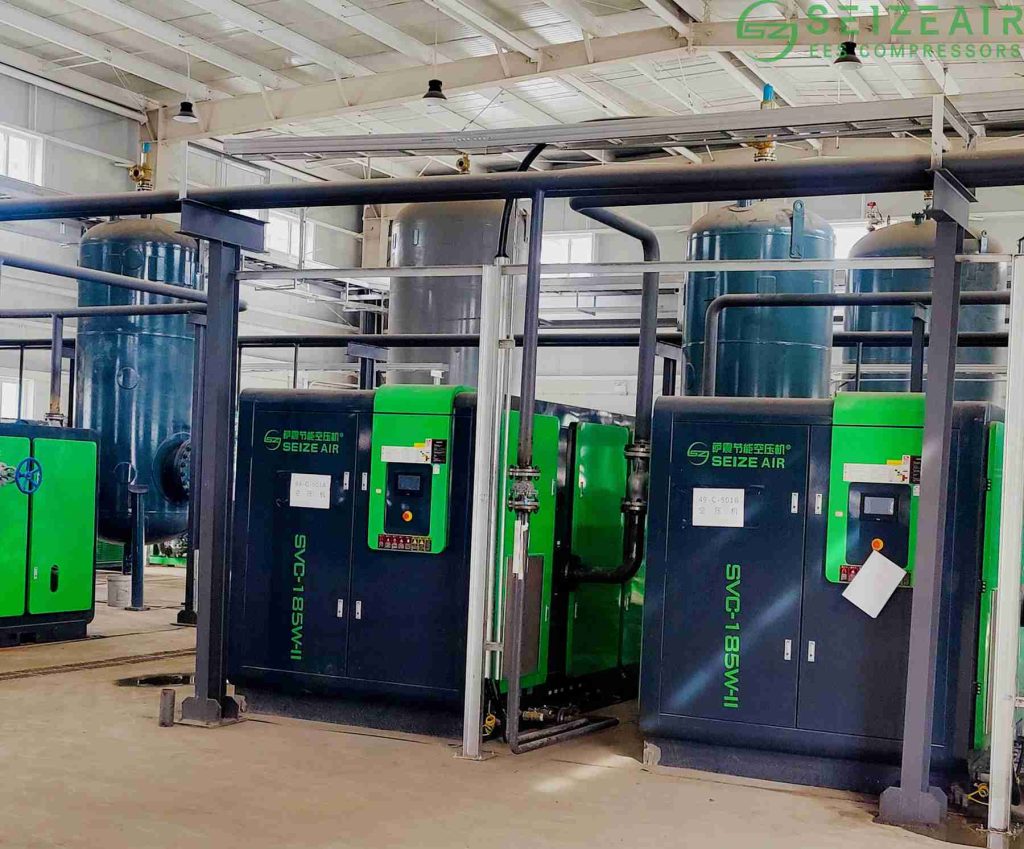
2. High CFM per Horsepower Ratio
When comparing a 3 phase air compressor CFM (Cubic Feet per Minute) rating against single-phase alternatives, the three-phase machine consistently wins in high-output scenarios. They can start up under heavy pressure loads effortlessly and sustain maximum CFM without needing frequent cooling cycles.
3. Extended Mechanical Component Lifespan
Because three-phase power does not suffer from the microscopic voltage drops found in single-phase lines, the motor runs incredibly smoothly. This drastic reduction in vibration protects internal bearings, belts, and seals from premature wear, ensuring your system runs efficiently for years.
3 Phase vs Single Phase Air Compressor: Which One Cuts Operating Costs?
When deciding between a single phase vs 3 phase air compressor for a growing business, looking at a direct performance evaluation of a standard 10 HP industrial setup highlights the clear advantages of three-phase technology:
| Key Performance Indicator | 10 HP Single-Phase Unit | 10 HP Three-Phase Unit |
| Average Motor Efficiency | 80% to 85% | 88% to 94% (Premium Efficient) |
| Amperage Draw (at 230V) | ~40 – 50 Amps | ~25 – 28 Amps |
| Heat Dissipation Level | High (Requires thermal recovery) | Low (Sustained continuous duty) |
| Max Duty Cycle Capacity | 50% – 75% (Typically Reciprocating) | 100% Continuous Duty Cycle |
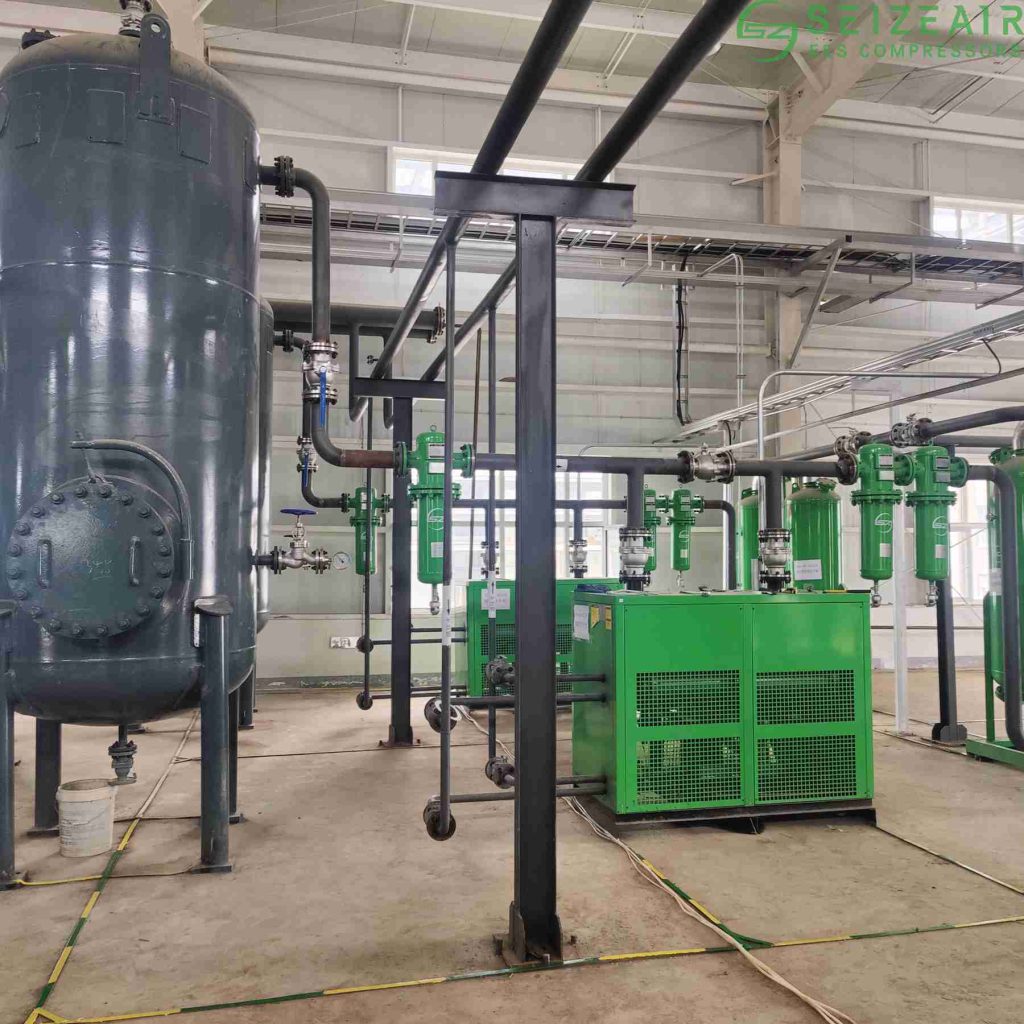
Air infrastructure innovators like Seize Air note that converting an outdated, high-amp single-phase workshop to an optimized 3-phase commercial system can reduce localized voltage drop losses across your facility by up to 30%.
Can You Run a 3 Phase Air Compressor on Single Phase?
Yes, you can run a three-phase compressor on single-phase power, but it requires specialized conversion hardware. If your building does not have direct 3-phase utility service, you have three primary options:
- Variable Frequency Drives (VFD): A VFD converts single-phase AC power to DC, then inverts it into a clean, simulated 3-phase AC output. This is the most efficient method because it allows the compressor to adjust its speed based on real-time air demand.
- Rotary Phase Converters: This device uses an independent idler motor to mechanically generate the missing third line of electricity, providing true 3-phase current to your compressor.
- Static Phase Converters: These are only used to help the motor start up. Once the engine is running, the converter drops out, which forces the machine to run on single-phase power and reduces its total horsepower output by about one-third.
What Are the Benefits of a 3 Phase Rotary Screw Air Compressor?
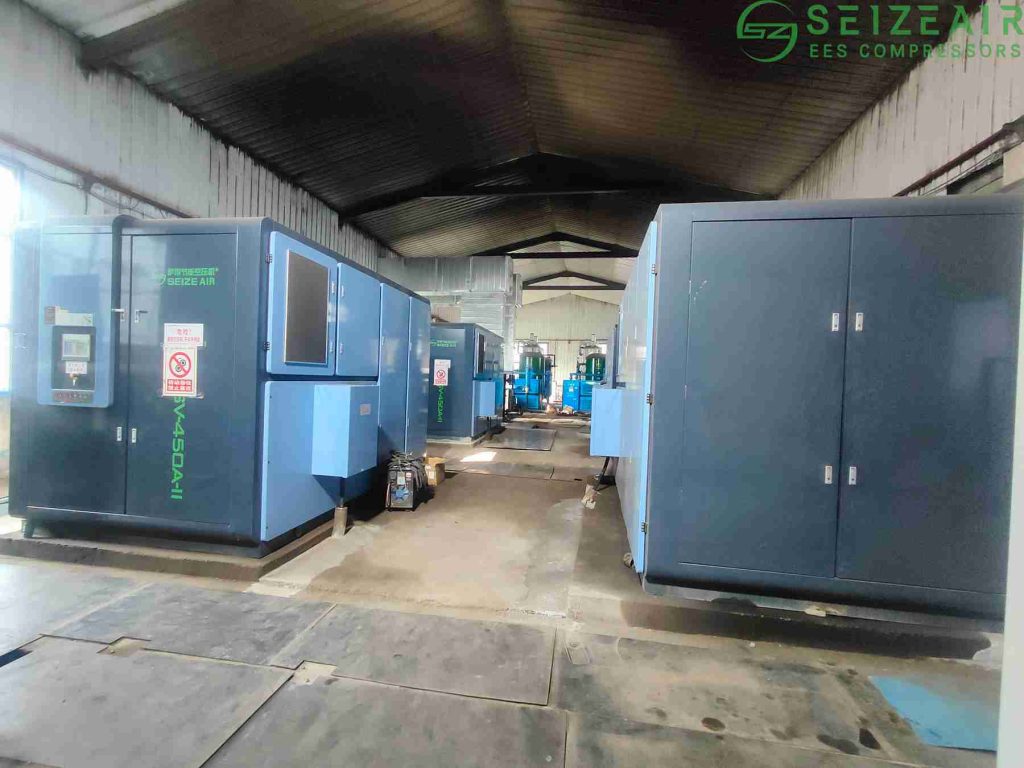
For large-scale operations, a 3 phase rotary screw air compressor represents the absolute pinnacle of efficiency.
Unlike reciprocating piston models that rely on pistons moving up and down—creating friction, high heat, and pulsing air—a rotary screw compressor uses two interlocking helical rotors to compress air continuously.
When paired with a three-phase motor, these machines deliver a 100% continuous duty cycle. They are engineered to run all day, every day, without stopping to cool down, offering the quietest operation, lowest oil carry-over, and best energy-per-CFM ratio on the market.
What Size 3 Phase Commercial Air Compressor Do I Need?
Choosing the right size requires auditing your facility’s total air consumption. To find the correct horsepower and tank size, follow these steps:
- Calculate Total CFM: Add up the CFM requirements of all air tools, cylinders, and machinery that will run at the exact same time.
- Apply a Safety Buffer: Multiply that total number by 1.20 to leave a 20% safety margin for future business growth and minor tool wear.
- Check the Duty Cycle: If your calculated demand requires more than 15 CFM continuously, or if your application demands a motor larger than 7.5 HP, investing in a dedicated 3 phase commercial air compressor is the most cost-effective path forward.
Critical Maintenance Steps for Heavy-Duty 3-Phase Compressors
To ensure your 3 phase air compressor operates at peak electrical efficiency throughout its service life, regular maintenance must be prioritized:
- Monitor Voltage Balances: Check the incoming voltage across all three lines regularly. A voltage imbalance of more than 2% can cause a massive increase in motor temperatures, destroying efficiency and causing insulation failure.
- Verify Correct Motor Rotation: When installing a new machine, double-check the phase rotation. Running a rotary screw compressor backward—even for a few brief seconds—can instantly destroy the expensive air-end assembly.
- Clean Inbound Air Filters: Clogged intake filters force the compressor motor to work significantly harder to pull in fresh air, erasing the native efficiency benefits of the 3-phase system. Manufacturers like Seize Air design their industrial cabinets with easily accessible filtration points to make this upkeep fast and simple.
Is a 3 Phase Air Compressor Right for Your Business?
If your commercial facility already has 208V, 240V, or 480V three-phase power available from the utility company, choosing a 3-phase air compressor is the obvious choice. The long-term savings on your energy bills, reduced motor wear, and consistent air pressure output will easily offset the initial equipment investment.
If you are expanding your factory floor, experiencing sudden pressure drops, or looking to lower your overhead expenses, working with an experienced equipment partner is the best way to avoid costly sizing mistakes.
Ready to optimize your plant’s production capacity? Contact the team at Seize Air today for a comprehensive compressed air consultation. Our system engineers will evaluate your specific CFM requirements and configure a premium, high-efficiency 3 phase air compressor system custom-tailored to your operational needs.