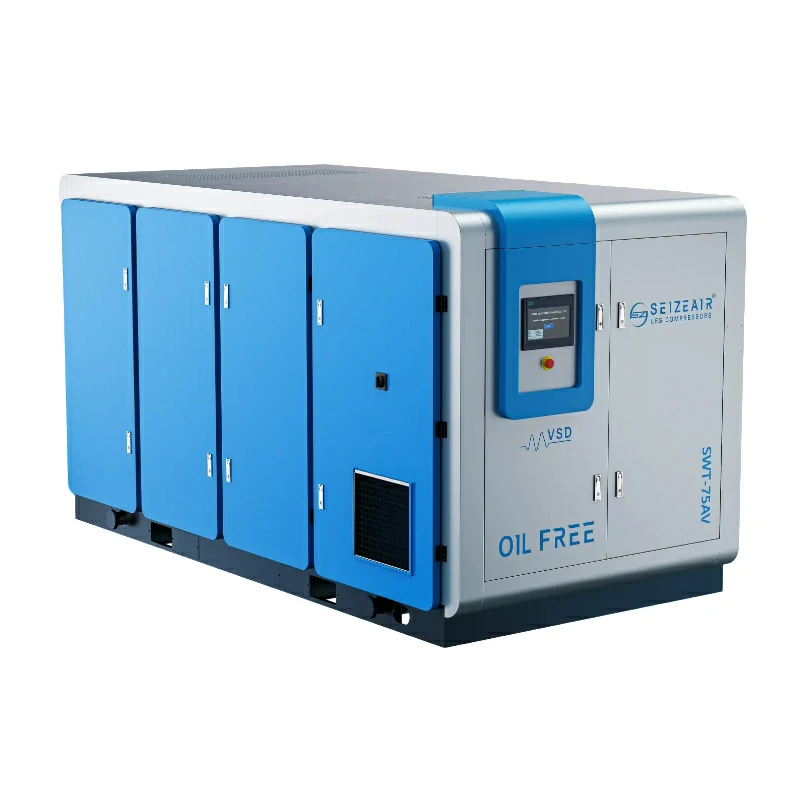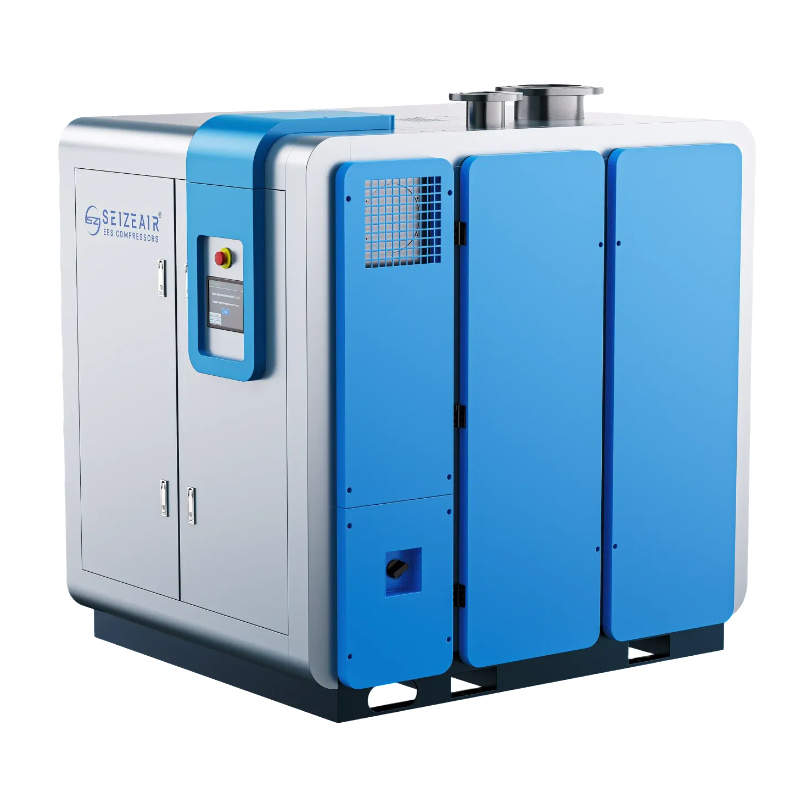


A 10 hp air compressor is a major investment for commercial auto shops, small fabrication plants, and cabinet shops looking to step up from small portable units to a dedicated industrial air system. At this stage, buyers face a critical technology split: choosing a 10 hp rotary screw air compressor or a heavy-duty 10 hp piston air compressor. This comprehensive engineering breakdown compares performance, real-world utility, maintenance metrics, and total ownership costs to help you select the ideal high-pressure setup for your business.
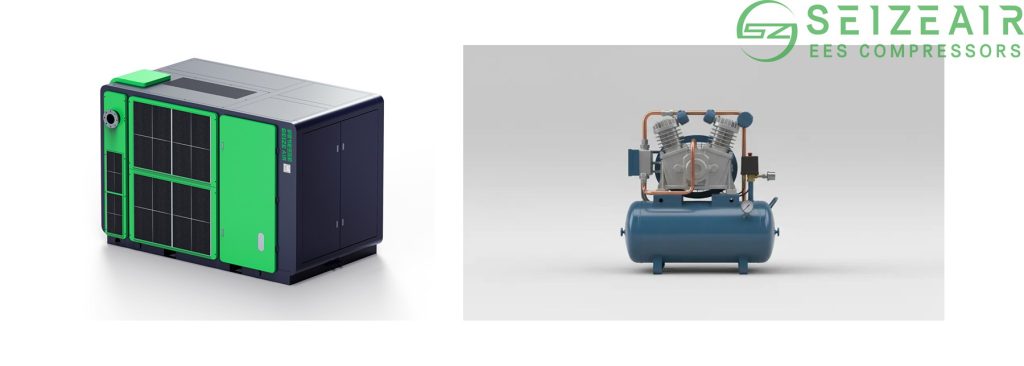
How does a 10 hp reciprocating compressor generate pressure?
A 10 hp reciprocating air compressor relies on a traditional displacement design. The electric motor drives a heavy iron crankshaft, moving a piston up and down inside a honed cylinder. During the downstroke, atmospheric air passes through an intake reed valve into the cylinder chamber. On the upstroke, the valve snaps shut, compressing the trapped air and forcing it past a discharge valve into an attached air receiver tank.
Because this mechanical design relies on physical friction between the compression rings and cylinder walls, it generates extreme heat. This reciprocating action creates pulses of air rather than a smooth stream, requiring a large storage tank to buffer the pressure waves before the air moves downstream.
How does a 10 hp rotary screw air compressor compress air?
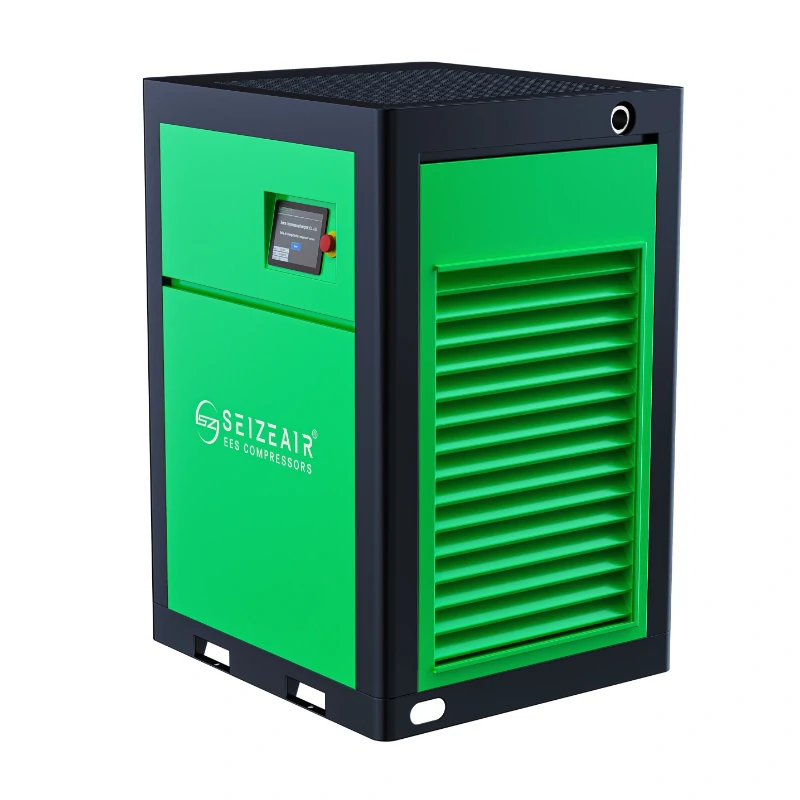
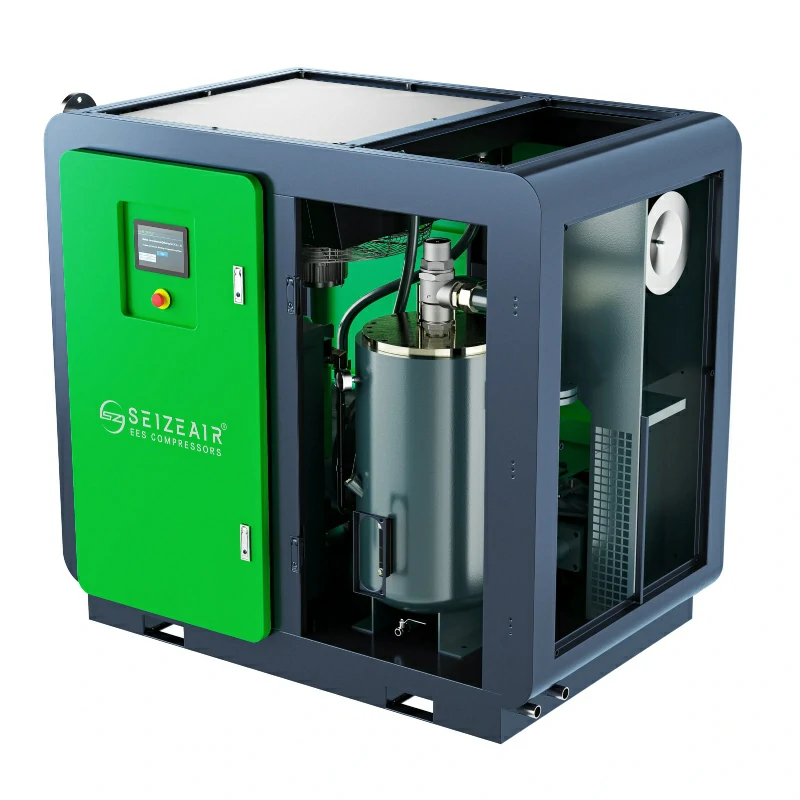
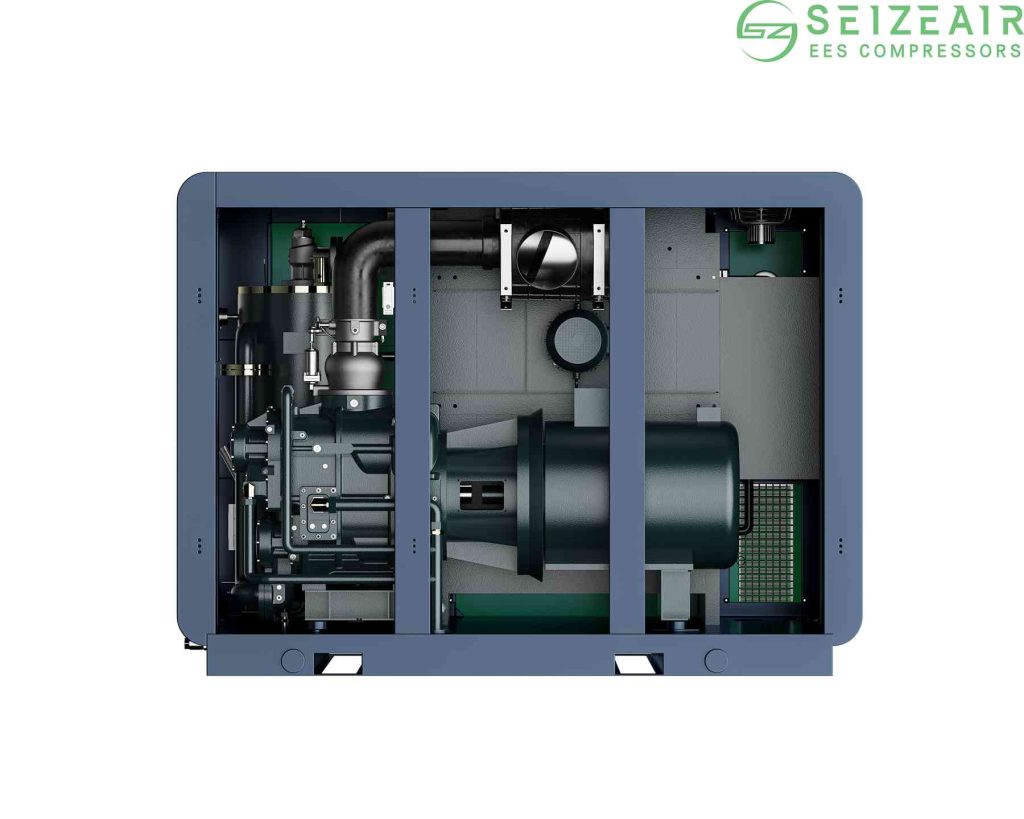
In contrast, a 10 hp rotary screw air compressor uses a continuous, positive-displacement process. The internal drive system rotates two precisely matched, intermeshing helical rotors within a specialized housing. As ambient air enters the inlet valve, it fills the empty pockets between the spinning male and female screw threads. As the rotors turn, the space between the lobes progressively shrinks, smoothly compressing the air-fluid mixture.
This design features no touching parts within the compression chamber itself, drastically minimizing mechanical wear. The continuous injection of compressor fluid seals internal clearances, lubricates bearings, and absorbs the heat of compression on contact, allowing the air end to deliver a steady, non-pulsing stream of compressed air.
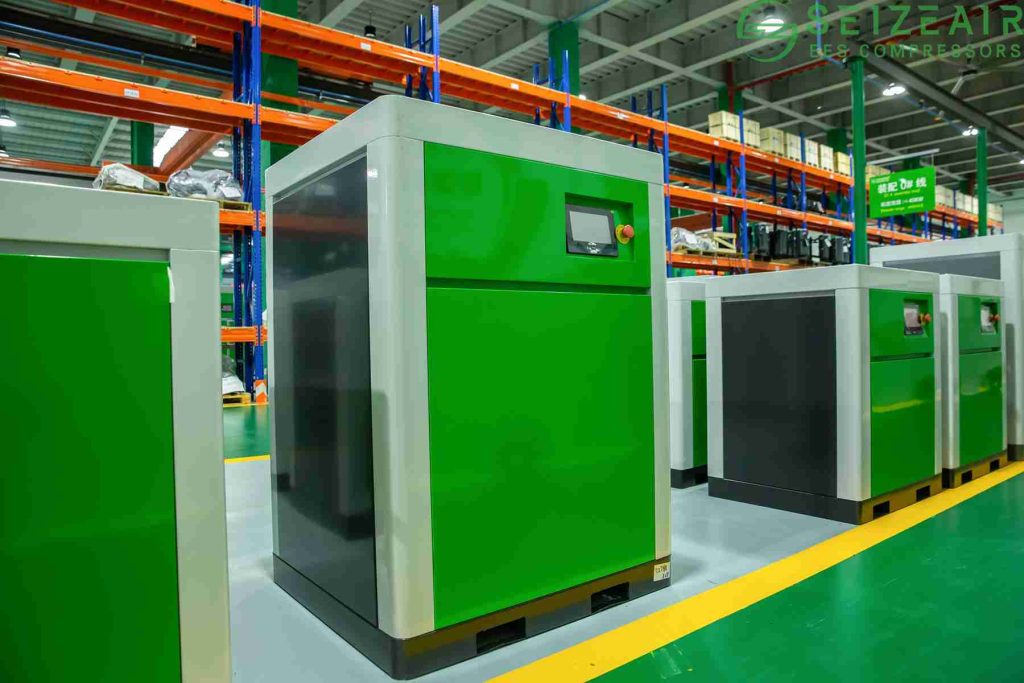
Can a 10 hp single phase rotary screw compressor run 24/7?
Yes. A industrial-grade 10 hp rotary screw air compressor is explicitly engineered for a 100% duty cycle. It thrives when running non-stop under full load. In fact, these machines run most efficiently when they reach and maintain their optimal operating temperature, which cooks off ambient moisture inside the fluid system. Premium units, like those manufactured by Seize Air, use advanced thermostatic valves to manage fluid temperatures continuously. This design prevents internal condensation while keeping the air end cool enough to run 24/7 without a single break.
| Operational Indicator | 10 hp Two Stage Piston Compressor | 10 hp Rotary Screw Air Compressor |
| Rated Duty Cycle | 60% to 70% Max Recommended | 100% Continuous Duty Rating |
| Cooling Method | Deep-finned pump cylinders via flywheel fan | Dedicated fluid cooler matrix with electric fan |
| Continuous Run Limits | Must cycle off after 15-20 mins under load | No time limits; built for non-stop production |
| Primary Failure Risk | Carbonized oil valves, scored cylinder walls | Short-cycling glaze from under-temperature use |
What happens if you exceed the duty cycle on a 10 hp commercial shop compressor?
If you push a 10 hp piston air compressor past its recommended 60% to 70% duty cycle, performance drops rapidly. Piston pumps rely on simple air-cooling fins cast into the cylinder heads. If the pump runs continuously for over 20 minutes without a rest period, the internal temperature spikes. This heat breaks down the lubricating oil, causing carbon deposits to build up on the reed valves. Over time, the oil thins out, leading to scored cylinder walls, worn piston rings, and eventual motor burnout.
What is the CFM rating of a 10 hp air compressor at 125 PSI?
Air volume delivery reveals the huge efficiency gap between these two technologies. While horse power measures the electric motor’s raw input power, CFM (Cubic Feet per Minute) measures the actual volume of usable air delivered to your pneumatic tools.
At a standard industrial pressure rating of 125 PSI:
- A heavy-duty 10 hp two stage piston compressor typically delivers between 30 to 35 CFM.
- A high-efficiency 10 hp rotary screw air compressor regularly delivers 38 to 45 CFM.
How do you calculate CFM per horsepower for an industrial air compressor?
To understand how much air you get for every kilowatt of power on your utility bill, you can calculate the specific fluid efficiency using this simple formula:
Volumetric Efficiency = Total Delivered CFM / Total Rated Motor HP
Let’s plug in the real-world performance numbers for both 10 hp options:
- Piston Compressor Performance: 32 CFM / 10 HP = 3.2 CFM per HP
- Rotary Screw Compressor Performance: 42 CFM / 10 HP = 4.2 CFM per HP
This calculation shows that a rotary screw air end delivers up to 30% more air volume for the exact same electrical input. If your shop runs multiple shifts or operates air-hungry machinery like CNC routers, automatic tire changers, or plasma tables, switching to a screw compressor can significantly lower your monthly power bills.
Which 10 hp air compressor provides cleaner air for spray painting?
Air quality is a critical factor for precision industries like automotive refinishing, sandblasting, and automated packaging. The air leaving an air compressor contains three main contaminants: liquid water, aerosolized oil, and solid particulate matter.
A 10 hp piston air compressor experiences a natural mechanical issue known as “blow-by.” As the piston rings glide up and down the cylinder walls, tiny amounts of crankcase oil slip past the rings and enter the discharge stream. As the physical rings and cylinder walls wear down over time, this oil carryover increases, often showing up as a oily film inside your shop’s primary piping lines.
A 10 hp rotary screw air compressor handles lubrication differently. It uses a multi-stage air/oil separator vessel that mechanically separates fluid from the air stream using centrifugal force and a pleated filtration media. High-end systems keep oil carryover under 3 PPM (parts per million). This means the air leaving the machine is exceptionally clean, protecting delicate pneumatic valves and ensuring flawless paint finishes without fisheye defects.
Why do piston air compressors produce more downstream moisture?
Piston compressors discharge air at much higher temperatures than rotary screw units, often exceeding 250 degrees Fahrenheit. Hot air holds significantly more vaporized water than cool air. When this hot, wet air enters a cold iron storage tank or distribution line, it cools down rapidly, causing water to condense inside your air lines.
Because rotary screw units use built-in aftercoolers to lower discharge air temperatures to within 15 degrees Fahrenheit of ambient air, they drop most moisture right inside the machine’s internal separator trap. This makes it much easier for a downstream refrigerated air dryer to remove the remaining moisture, ensuring dry, clean air throughout your facility.
What is the decibel level of a 10 hp heavy duty piston compressor?
The physical movement of a large piston pump creates significant noise and vibration. A standard 10 hp piston air compressor operates at a loud 80 to 86 dBA. The hammering motion of the pistons generates a low-frequency thump that travels through concrete shop floors and rattles nearby walls.
According to OSHA safety standards, prolonged exposure to noise levels above 85 dBA requires hearing protection. To protect workers, businesses are often forced to install piston compressors in isolated utility sheds, separate back rooms, or outside the main building, which adds extra plumbing and installation costs.
How quiet is a 10 hp enclosed rotary screw compressor?
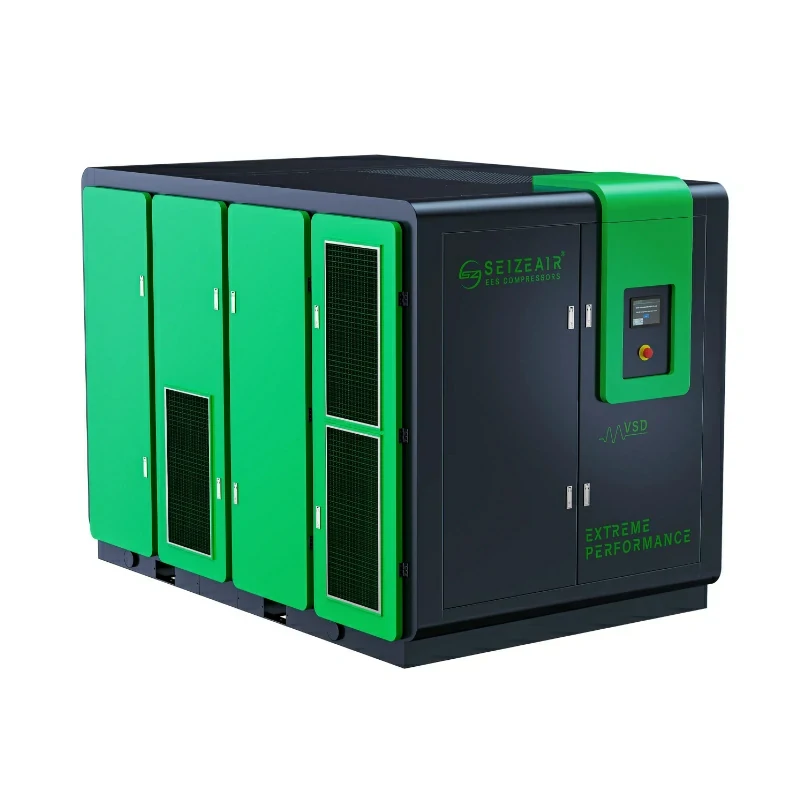
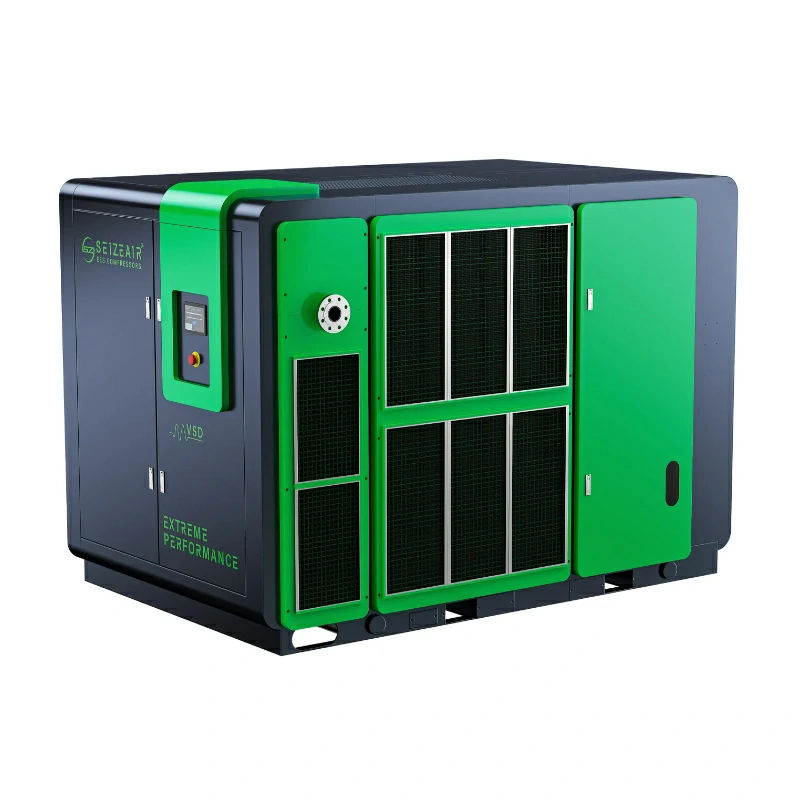
Because a rotary screw air end uses a continuous spinning motion instead of a reciprocal pounding action, it operates with minimal vibration. A modern enclosed 10 hp rotary screw air compressor runs at an ultra-quiet 62 to 68 dBA.
To put that into perspective, an 85 dBA piston unit is about four times louder to the human ear than a 65 dBA screw compressor. A quiet, cabinet-enclosed system can be installed directly on the workshop floor, right next to assembly lines or technicians. This proximity eliminates long, expensive piping runs and prevents the pressure drops that occur across long distances.
What is the price difference between a 10 hp piston and a rotary screw compressor?
When looking strictly at the upfront price tag, a 10 hp piston air compressor is much more budget-friendly. Because it is a simpler, long-established technology, a high-quality cast-iron piston unit mounted on a standard 80-gallon tank usually costs between $2,500 and $4,500. A comparable 10 hp rotary screw air compressor is a more complex machine with tight internal tolerances, an oil separation vessel, an electronic controller, and a sound enclosure, which pushes its initial cost to between $5,500 and $8,500.
However, savvy shop managers evaluate equipment using Total Cost of Ownership (TCO). The initial purchase price typically represents only 10% to 15% of an industrial air compressor’s total lifetime cost, while electrical energy makes up over 70% of the total investment.
5-Year Life Cycle Cost Breakdown (Estimated Industrial Costs)
| Cost Category | 10 hp Cast-Iron Piston Unit | 10 hp Enclosed Rotary Screw |
| Initial Purchase Price | $3,500 | $7,000 |
| Electrical Power Cost (5 Yrs) | $14,500 (Lower efficiency/More runtime) | $10,200 (High CFM/HP efficiency) |
| Preventative Maintenance | $800 (Belts, oil, basic intake elements) | $1,850 (Spin-on separators, fluid, filters) |
| Major Overhaul Reserve | $1,200 (Valve plates, pump ring kit) | $0 (Air end built to outlast period) |
| Estimated Equipment Lifespan | 5,000 to 8,000 Running Hours | 20,000 to 40,000 Running Hours |
| Total 5-Year Cost Estimates | $20,000 | $19,050 |
How does equipment lifespan affect your long-term capital investment?
As shown in the table above, the rotary screw system recovers its higher initial cost within a few years through energy savings alone. More importantly, look at the rated operating lifespan. A piston compressor running at high RPMs wears out its mechanical seals, valves, and rings relatively quickly, often requiring a major pump rebuild or replacement after 5,000 to 8,000 hours of operation.
A premium rotary screw air end has no wearing parts inside its compression chamber—the rotors never touch. Supported by a reliable brand like Seize Air, a well-maintained screw compressor can easily log 30,000 to 40,000 hours of reliable service before requiring an air end rebuild, providing a much higher return on investment over time.
What maintenance does a 10 hp workshop air compressor require?
Preventative maintenance schedules vary significantly between these two compression technologies. To keep a 10 hp piston air compressor running safely, shop personnel must perform regular mechanical checks:
- Manually checking oil dipstick levels every week and changing pump lubricant every 500 operating hours.
- Inspecting, tensioning, and replacing rubber drive belts to prevent belt slippage.
- Swapping out simple paper intake filter elements to prevent dirt from entering the cylinders.
- Regularly checking internal mechanical reed valves for carbon buildup, which can cause air leaks and drop compressor efficiency.
How complex is servicing a 10 hp industrial rotary screw compressor?
While a rotary screw compressor requires highly specialized service parts, the actual maintenance routine is often simpler and cleaner, utilizing quick, automotive-style spin-on components:
- Replacing the high-precision spin-on fluid filter element every 2,000 hours.
- Changing the primary air intake filter cartridge to protect the precision rotors from airborne dust.
- Replacing the internal spin-on air/oil separator element every 3,000 to 4,000 hours to maintain low oil carryover.
- Using advanced synthetic fluids that resist thermal breakdown and protect internal bearings for up to 4,000 hours of continuous operation.
Most modern 10 hp rotary screw units feature intelligent microprocessor controllers. These digital panels track real-world running hours, display live pressure readings, and flash automated maintenance alerts when filters need to be replaced, making it easy to protect your machine from unexpected downtime.
8. Common Questions:
What electrical service do I need for a 10 hp compressor?
A 10 hp electric motor requires a substantial electrical setup. If you choose a single-phase 230V connection, a 10 hp motor will draw around 40 to 50 amps running under full load, which requires a dedicated 60-amp circuit breaker and heavy-gauge wiring. If your facility has three-phase power (230V or 460V), the amp draw drops significantly, resulting in a more balanced electrical load and lower installation costs for your shop.
How much floor space does a 10 hp tank-mounted compressor need?
A standard 10 hp vertical piston compressor on an 80-gallon tank requires a small footprint, roughly 30 inches by 35 inches, but it needs significant vertical clearance and space around it for air cooling. A 10 hp rotary screw compressor is often configured as a space-saving “Total Air System.” This setup stacks the enclosed compressor, a refrigerated air dryer, and dual multi-stage filters directly on top of a horizontal storage tank. This design provides a complete air center within a compact 65-inch by 30-inch footprint, eliminating the need for complex wall-mounted filtration loops.
Can I run a 10 hp screw compressor in an unheated shop?
Operating a rotary screw unit in freezing temperatures requires careful management. If the ambient temperature drops below 40 degrees Fahrenheit, the compressor fluid thickens, which increases drag on the motor during startup. Additionally, if the machine runs for only short periods in a cold shop, it won’t reach its proper operating temperature to boil off moisture, causing water to mix with the oil. If your shop is unheated, a piston compressor handles those temperature swings more easily, or you can install an internal cabinet heater inside your screw compressor enclosure.
Which 10 hp Compressor Should You Choose?
When is a 10 hp piston compressor the right choice for your shop?
A 10 hp reciprocating compressor is the most cost-effective solution if your business has an intermittent air demand profile. If your technicians use air tools scattered throughout the day—such as in a low-volume auto repair garage, a tire service shop, or a light metal workshop—the compressor will spend plenty of time cycling off and cooling down. In these scenarios, paying a premium for a rotary screw unit isn’t necessary, and a heavy cast-iron piston pump will deliver decades of reliable service.
When should you upgrade to a 10 hp rotary screw compressor?
You should invest in a 10 hp rotary screw air compressor if your business relies on a continuous, uninterrupted supply of compressed air to maintain production. If you operate automated manufacturing machinery, CNC plasma cutters, sandblasting cabinets, or busy commercial spray booths, any drop in line pressure can ruin your work or halt operations.
In these demanding applications, a rotary screw system’s 100% duty cycle, high CFM efficiency, and low noise levels make it the superior long-term choice. Choosing a high-performance system like a Seize Air rotary screw compressor ensures your business cuts energy waste, protects delicate downstream equipment, and secures a reliable air supply for years to come.
Ready to Elevate Your Compressed Air System?
Selecting the right industrial air system is a major decision that directly impacts your shop’s productivity and monthly utility bills. Don’t leave your facility’s air supply to guesswork.
Our team of experienced application engineers is standing by to evaluate your total tool CFM demands, analyze your electrical setup, and recommend the most efficient compressor configuration for your business. [Contact us today] for a personalized air audit, an upfront project estimate, or to learn more about our high-efficiency rotary screw solutions!