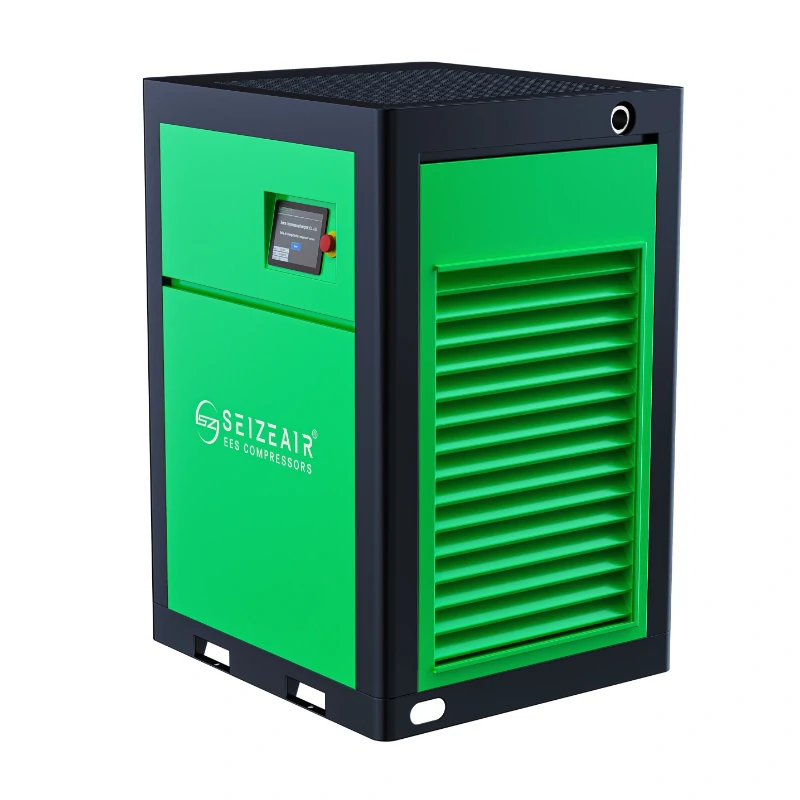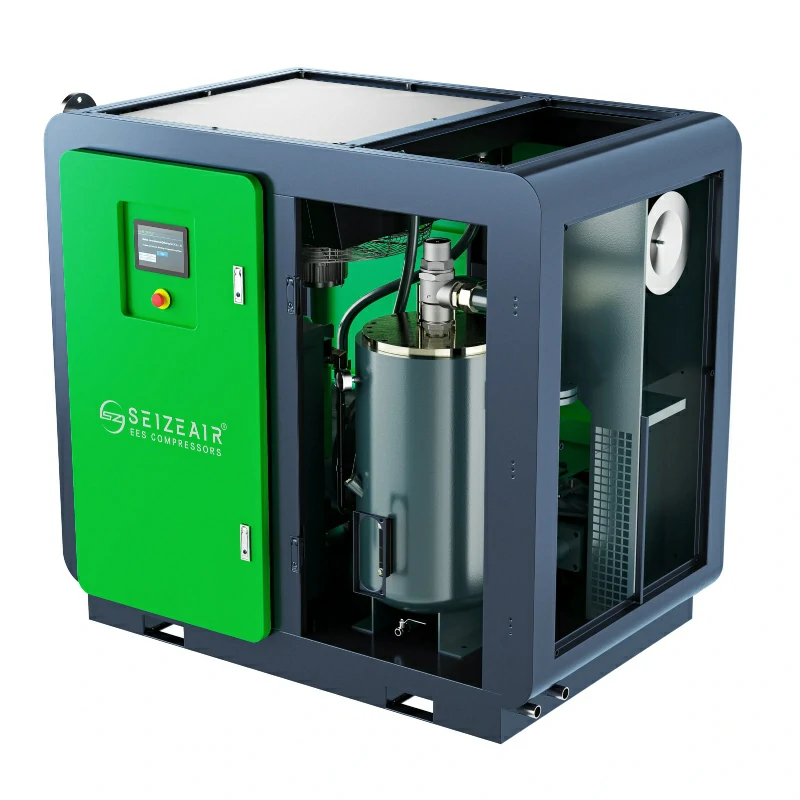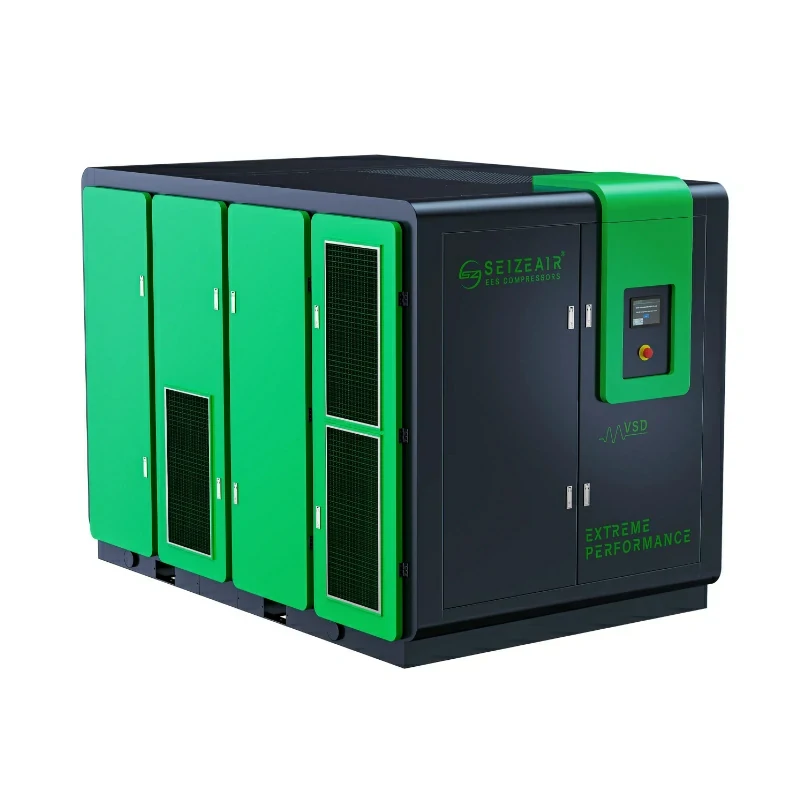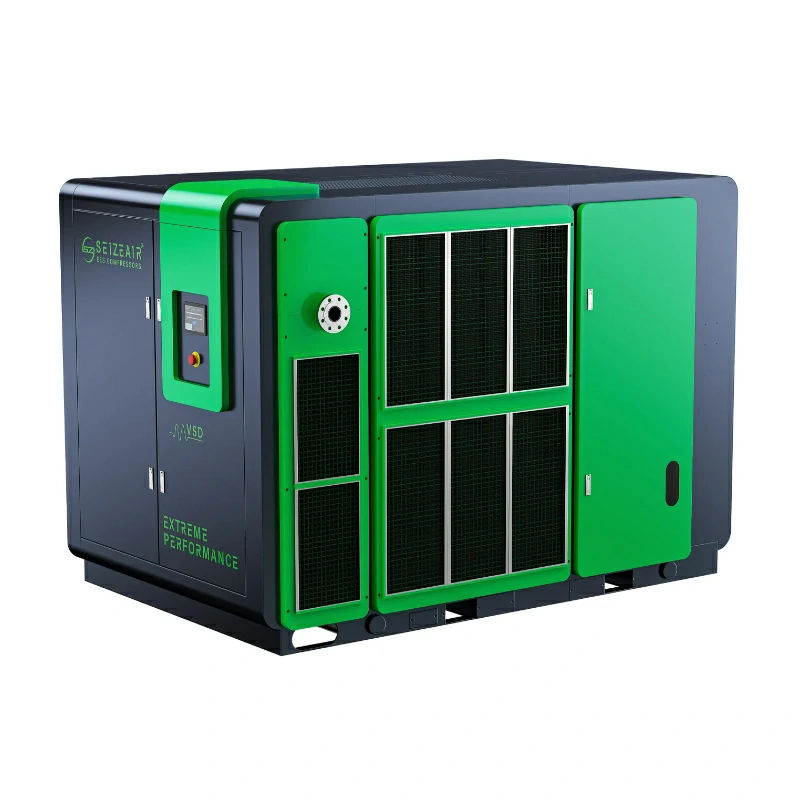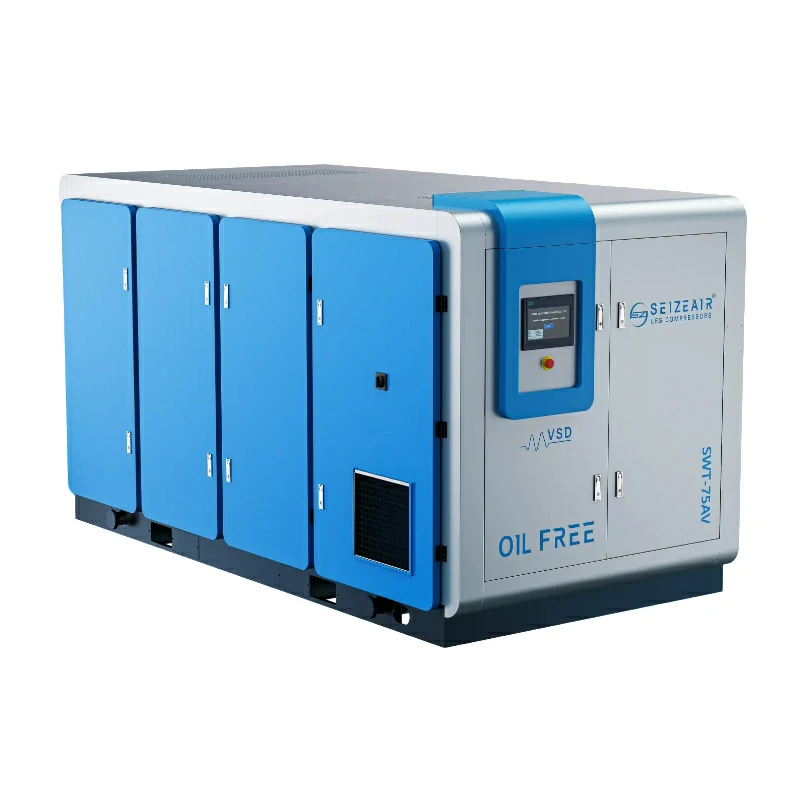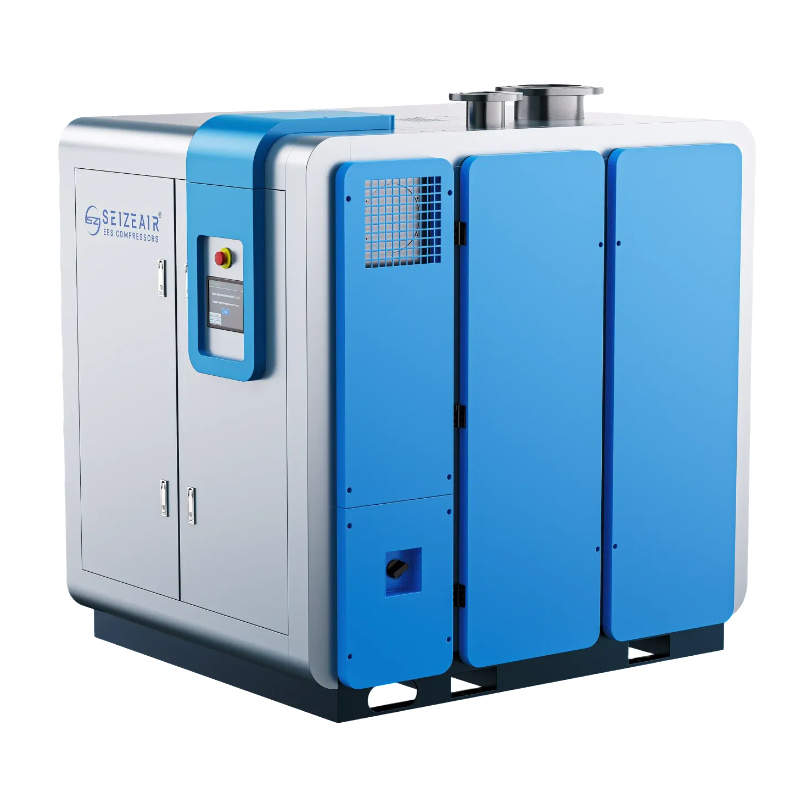


A high-performance 15 hp air compressor is the definitive choice for expanding manufacturing cells, multi-bay automotive garages, and commercial fabrication shops. If your business is scaling, this 15 hp air compressor buying guide for growing workshops breaks down essential specifications, technical parameters, and distinct design features. It provides the clear insights needed to choose a highly reliable and energy-efficient solution capable of supporting your business growth.
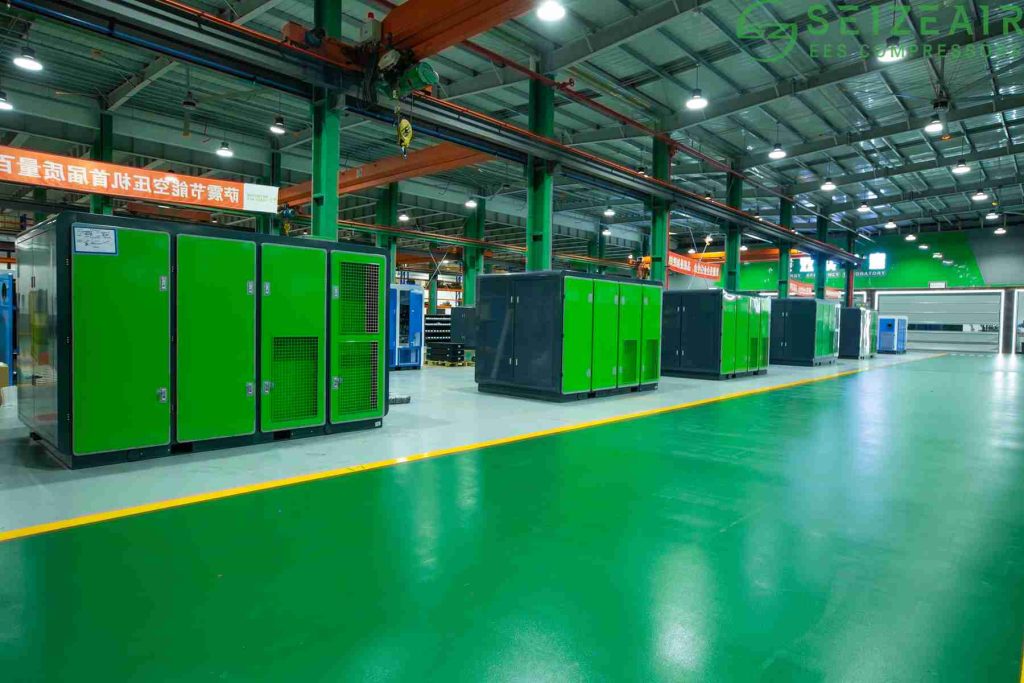
Why Do Growing Workshops Need a 15 hp Air Compressor?
When a smaller garage or shop expands, the demand for compressed air changes drastically. Upgrading to an industrial-grade 15 hp air compressor is usually driven by two distinct shifts: moving from intermittent tool use to continuous operation, and expanding the team so multiple technicians can draw air simultaneously.
If your team is experiencing fluctuating pressure drop, waiting for tanks to refill, or dealing with moisture in the lines from an overworked small unit, a heavy-duty system bridges the gap between light industrial use and heavy manufacturing.
At this stage of business development, selecting an optimized 15 hp 3 phase air compressor or a robust 15 hp two stage air compressor ensures that your pneumatic machinery operates without costly pressure drops. The primary mechanical goal during shop expansion is overcoming volumetric insufficiency.
When multiple pneumatic lines pull from a single system, a low-capacity unit runs continuously beyond its rated parameters. This causes rapid mechanical breakdown and a sharp drop in system-wide delivery pressure. A properly specified 15-horsepower industrial unit resolves this issue entirely by providing a stable reservoir of volume and pressure, stabilizing line pressure across your facility layout.
Is a 15 hp Rotary Screw Air Compressor Better Than a Piston Model?
The 15 hp mark is the exact threshold where workshop owners face a major technological choice: Rotary Screw vs. Reciprocating Piston. Choosing the wrong type can lead to high energy bills, premature machine failure, or insufficient air delivery.
Reciprocating Piston Air Compressors
Piston units are traditional, familiar machines. However, they rely on a 70% duty cycle, meaning they must rest for 30% of the time to avoid overheating. If a piston compressor runs constantly, the internal temperatures skyrocket, degrading the lubricating oil and risking mechanical seizure. They are best suited for workshops where heavy air usage occurs in short, intense bursts rather than a continuous stream.
A traditional 15 hp piston air compressor utilizes a crankshaft, connecting rods, and pistons to compress air within a cylinder. This reciprocating movement creates friction and intense heat, which is why the pump must shut down to cool off.
Rotary Screw Air Compressors
Rotary screw compressors are engineered for a 100% duty cycle. They are designed to run 24/7 without stopping. Instead of pistons moving up and down, two interlocking helical screws rotate smoothly to compress the air. This design delivers a continuous, pulsation-free airflow, runs much quieter, and carries over far less oil into your air lines.
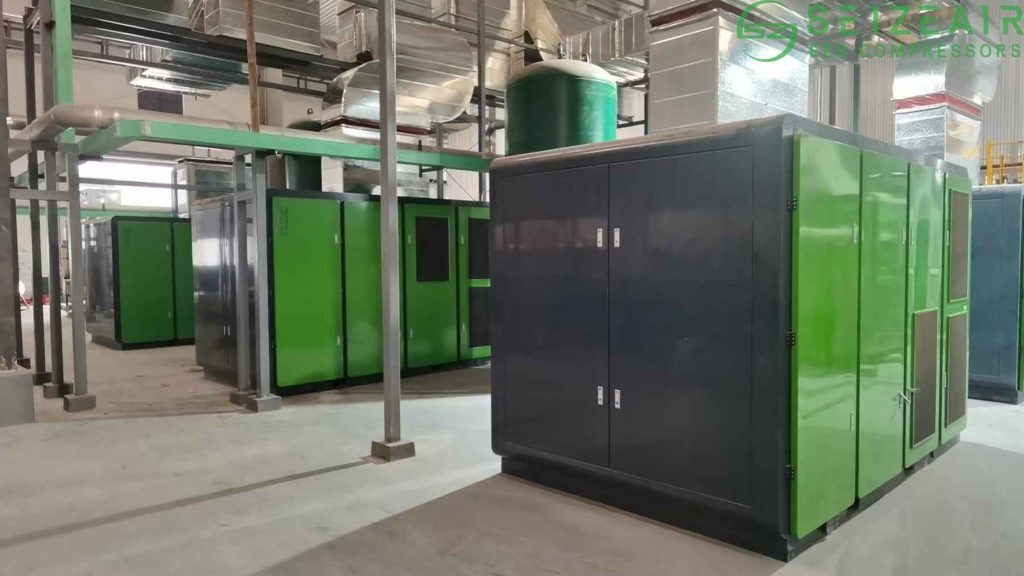
For modern workshops operating CNC machines, plasma cutters, or multi-station sandblasting booths, a rotary screw system like those built by Seize Air provides the uninterrupted flow required to keep production lines moving.
The fluid-injected rotary mechanism seals the gaps between the rotors, allowing them to compress air continuously without metal-to-metal friction or heat buildup. This continuous duty cycle makes a 15 hp rotary screw air compressor the preferred option for high-uptime manufacturing lines.
| Feature / Metric | 15 hp Reciprocating Piston | 15 hp Rotary Screw |
| Duty Cycle | 60% – 70% (Requires rest) | 100% (Continuous operation) |
| Average Air Output | 45 – 50 CFM at 90 PSI | 55 – 62 CFM at 125 PSI |
| Noise Level | 80 – 85 dBA (Very loud) | 62 – 70 dBA (Conversational) |
| Oil Carryover | High (Requires heavy filtration) | Minimal (Extremely clean air) |
| Lifespan (Hours) | 5,000 – 10,000 hours | 40,000 – 60,000 hours |
3. What Are the Critical 15 hp Air Compressor CFM Ratings and Specs?
Understanding how to read a compressor’s data plate prevents expensive purchasing mistakes. Never buy a machine based solely on horsepower; instead, evaluate how the pressure and volume align with your specific machinery.
CFM
CFM measures the volume of air the compressor can deliver. This is the most crucial number for a growing shop. A standard single-stage or two-stage 15 hp motor typically yields between 45 and 62 CFM depending on the operating pressure. If your total tool consumption requires 40 CFM, a 15 hp screw compressor will run comfortably within its sweet spot.
When evaluating a 15 hp commercial air compressor, look closely at the True CFM at your tool’s required operating pressure. Cheaply made units often advertise “displaced CFM,” which is a purely theoretical calculation of pump volume rather than the actual usable air delivered to your workshop floor.
PSI
PSI measures the force or pressure of the air. Most industrial workshop tools operate at 90 to 100 PSI. However, to account for pressure drops across long piping networks, filters, and dryers, a 15 hp machine usually operates at a rated pressure of 115 to 145 PSI. For applications demanding heavy pneumatic force, a specialized 15 hp 175 PSI air compressor ensures that downstream lines maintain proper pressure even during high-demand workflows.
Tank Size
Air receivers act as storage buffers. For a 15 hp piston compressor, a large tank (typically 80 to 120 gallons) is mandatory to prevent the motor from constantly cycling on and off. For a rotary screw compressor, the tank doesn’t need to be massive because the machine matches output to demand in real time.
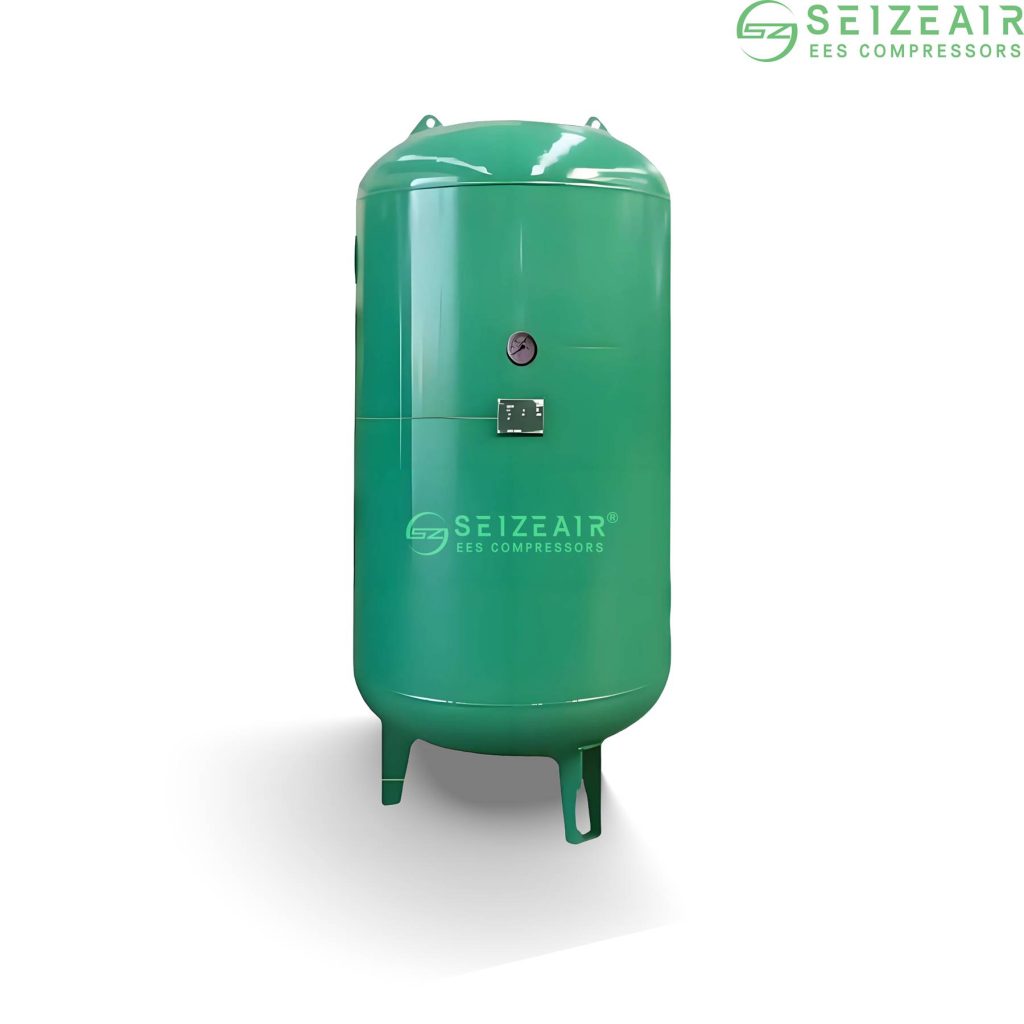
However, opting for a 15 hp air compressor 120 gallon layout remains the industry standard. This substantial tank capacity absorbs sudden drops in line pressure when high-volume tools start up, keeping your systems running smoothly.
How Much CFM Does Your Workshop Actually Require?
To determine if a 15 hp air compressor provides enough capacity for your expanding operations, you must calculate the aggregate consumption of your air tools. Different equipment types place entirely different demands on your air supply.
| Workshop Tool Category | Average CFM Required (Per Tool) | Recommended Operating Pressure | Duty Cycle Type |
| 1/2-inch Impact Wrench | 4 – 6 CFM | 90 PSI | Intermittent |
| Orbital Air Sander (Dual Action) | 12 – 15 CFM | 90 PSI | Continuous |
| HVLP Paint Spray Gun | 10 – 14 CFM | 40 – 50 PSI | Continuous |
| Plasma Cutter (Light Industrial) | 6 – 8 CFM | 90 – 120 PSI | Continuous |
| CNC Router / Milling Machine | 15 – 25 CFM | 100 – 120 PSI | Continuous |
| Heavy-Duty Sandblasting Cabinet | 25 – 40 CFM | 90 – 125 PSI | Continuous |
To find your true requirement, use this basic formula:
Required Workshop CFM = (Highest Continuous Tool CFM) + (Sum of Intermittent Tools CFM * 0.5) + 30% Future Expansion Reserve
When calculating volumetric load, look closely at continuous-use machinery like automated sanding tables or CNC air-purge lines. These tools consume vast amounts of air over long periods.
For instance, running two dual-action orbital sanders simultaneously requires a steady 30 CFM. If you add a plasma table drawing 8 CFM, your base load climbs to 38 CFM.
Without a reliable 15 hp industrial air compressor, your system will run out of breath, dropping line pressure below the 90 PSI tool threshold and stalling production. Building a 20% to 30% safety margin into your calculations ensures your new system won’t be quickly outgrown as you add more tools and technicians.
What Are the 15 hp Air Compressor Electrical Requirements?
A 15 hp motor is a serious piece of industrial machinery that cannot run on a standard household electrical supply. Before ordering any equipment, you must verify your facility’s electrical infrastructure with a certified electrician.
- Single-Phase Power (230V): Some manufacturers offer a 15 hp single phase air compressor, but they draw massive amounts of current—often exceeding 60 to 70 amps running, with significantly higher startup spikes. This puts a massive strain on workshop transformers and requires heavy, expensive wiring.
- Three-Phase Power (208V / 230V / 460V / 575V): This is the ideal setup for any industrial workshop. Three-phase power distributes the electrical load across three separate legs, allowing the 15 hp motor to run cooler, start smoother, and consume less energy.
Amperage (Three-Phase) = (HP * 746) / (Voltage * 1.732 * Efficiency * Power Factor)
To run a high-output 15 hp 3 phase air compressor efficiently, you must match the machine’s configuration to your building’s supply. Running a 15 hp motor on a 230V three-phase line requires a dedicated 50-amp circuit breaker.
If your facility has a 460V three-phase line available, the running current drops by half to around 20-25 amps. This lower current draw allows you to use thinner supply wiring and smaller breakers, significantly reducing your upfront electrical installation costs.
Should You Buy a Fixed Speed or VSD 15 hp Air Compressor?
One of the biggest factors in long-term operating costs is how the compressor handles changing air demands throughout the day.
[Fixed Speed]  --> Runs at 100% RPM regardless of demand --> Wastes energy via venting/idling
[VSD Screw]    --> Adjusts motor RPM to match exact CFM   --> Saves up to 35% on power bills
Fixed Speed Compressors
A fixed-speed machine turns on, reaches its full operating RPM, and runs at that exact speed until the tank is full. If your workshop only needs 20 CFM of air, a fixed-speed 15 hp machine still runs its motor at 100% capacity, bleeding off excess pressure or idling inefficiently. This creates significant energy waste.
If your team only uses air tools occasionally, a fixed-speed machine spends much of its lifecycle idling in “unload” mode, drawing up to 30% of its full power while producing zero compressed air.
Variable Speed Drive (VSD) Compressors
A VSD system monitors system pressure constantly. When air demand drops, an internal inverter slows down the motor’s rotation to match the exact CFM being used. If you only need 15 CFM for a single tool, the motor runs at a fraction of its maximum speed.
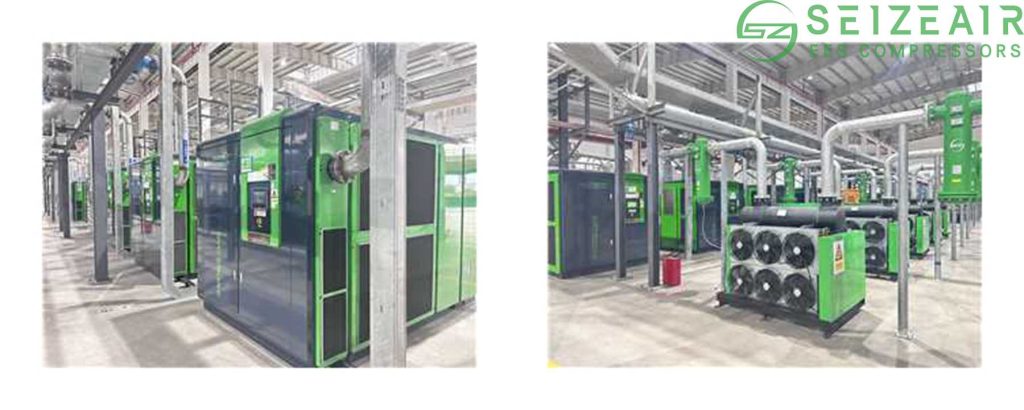
Given that electricity accounts for roughly 70-80% of the total lifetime cost of owning an air compressor, upgrading to a smart, energy-efficient choice like a Seize Air VSD rotary screw compressor can pay for itself in energy savings within the first two years of operation.
This variable control matches supply to demand in real time, eliminating inefficient unload cycles and reducing your facility’s monthly utility bills.
7. What Air Dryer and Piping System Does a 15 hp Unit Need?
Compressing ambient air concentrates water vapor and airborne dust particles. If this moisture enters your tools, it washes away lubricating oils, causes internal rust, destroys delicate pneumatic valves, and ruins high-end paint jobs.
[Compressor Discharge] --> [Wet Air Tank] --> [Pre-Filter] --> [Refrigerated Dryer] --> [Coalescing Filter] --> [Clean Workshop Air Lines]
To preserve your workshop equipment, your 15 hp setup should include:
- Refrigerated Air Dryer: Cools the compressed air down to roughly 38 degrees Fahrenheit (3 degrees Celsius), condensing moisture out of the air stream so it can be automatically drained before it enters your shop grid.
- Coalescing and Particulate Filters: Removes oil aerosols, fine dust particles, and trace contaminants down to 0.01 microns.
- Proper Piping Design: Avoid using cheap PVC pipe, which becomes brittle and can burst dangerously under pressure. Opt for aluminum, copper, or dedicated black iron piping arranged in a continuous loop system to minimize pressure drops.
When deploying a high-volume 15 hp heavy duty air compressor, standard modular air preparation packages are highly recommended. A total-system configuration integrates the air compressor, a 120-gallon receiver tank, a refrigerated air dryer, and dual-stage filtration into a single footprint.
This pre-assembled layout eliminates the need for complex plumbing between components, ensures optimal moisture separation immediately downstream from the compression pump, and saves valuable floor space in cramped shop layouts.
What Is the Maintenance Schedule for a 15 hp Air Compressor?
To ensure your investment lasts for decades, establish a strict preventative maintenance program. Rotary screw models require regular oil and filter changes to keep the internal compression screws running smoothly.
| Frequency | Maintenance Task Required | Target Component |
| Daily | Drain moisture from the air receiver tanks | Drain Valves |
| Daily | Check oil level indicators and look for active leaks | Fluid Sump |
| Weekly | Inspect and clean the air intake filter elements | Intake Assembly |
| Monthly | Clean the external cooler fins to prevent overheating | Heat Exchanger |
| Every 2,000 Hours | Replace the air intake filter and fluid filter cartridges | Consumables |
| Every 4,000 Hours | Replace the air/oil separator element and change oil | Core Service |
Operating a 15 hp industrial air compressor in demanding environment conditions—such as dusty woodworking shops or hot auto body painting bays—requires shortening these service intervals.
Failing to change the air/oil separator or neglecting regular fluid checks allows oil carryover to rise, which can contaminate your downstream air lines and damage sensitive equipment.
Keeping a detailed service log and using high-grade OEM filters and synthetic lubricants will maximize your system’s lifetime, helping a well-built rotary screw system deliver over 50,000 hours of reliable workshop service.
Frequently Asked Questions
How many CFM does a 15 hp air compressor produce?
A 15 hp air compressor generally produces between 45 and 62 CFM (Cubic Feet per Minute). The exact volume depends heavily on the pressure rating (PSI) and the efficiency of the pump design. Rotary screw models deliver higher continuous CFM ratings compared to traditional reciprocating piston units at the same horsepower.
Can a 15 hp compressor run a sandblasting cabinet continuously?
Yes, provided it is a rotary screw model. A 15 hp rotary screw unit yields roughly 50-60 CFM at 125 PSI, which easily feeds industrial sandblasting nozzles (typically needing 25 to 45 CFM). A 15 hp piston compressor will struggle with continuous sandblasting because it requires regular rest periods to avoid overheating.
What size breaker do I need for a 15 hp air compressor?
For a standard three-phase 230V 15 hp compressor, a dedicated 50-amp circuit breaker is typically required. If your facility runs on 460V three-phase power, a 25-amp or 30-amp breaker is usually sufficient. Always consult your specific machine data plate and local electrical codes.
Is it better to buy a tank-mounted or total-system compressor?
For growing workshops with limited floor space, a “total system” (or tank-mounted all-in-one unit that includes an integrated refrigerated dryer and high-efficiency filters) is highly recommended. It reduces installation costs, eliminates complicated external piping hookups, and guarantees optimal air quality right out of the box.
Take the Next Step for Your Workshop
Selecting the right commercial compressed air setup requires balancing your current tool load against your future production goals. Investing in an efficient, high-performance system ensures your workshop runs smoothly, quietly, and cost-effectively for years to come.
As an established manufacturer focused on premium industrial energy savings, Seize Air builds rugged, whisper-quiet 15 hp rotary screw systems engineered to handle heavy production environments.
Are you looking to optimize your production floor layout or calculate your workshop’s precise CFM requirements? Our technical team is here to help you configure the perfect setup. Contact our experts today for a tailored air audit and a transparent equipment estimate.