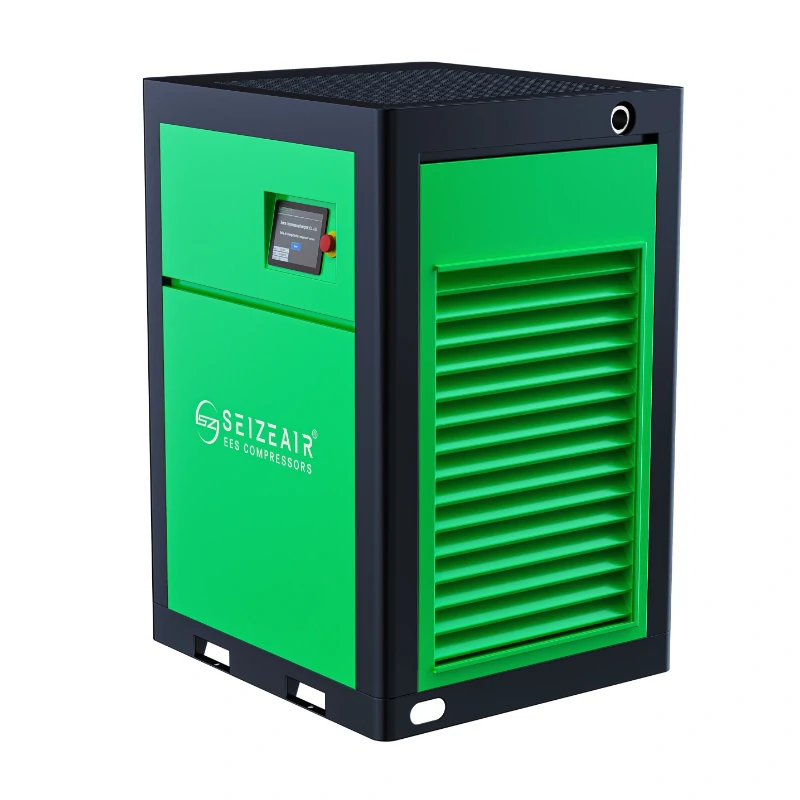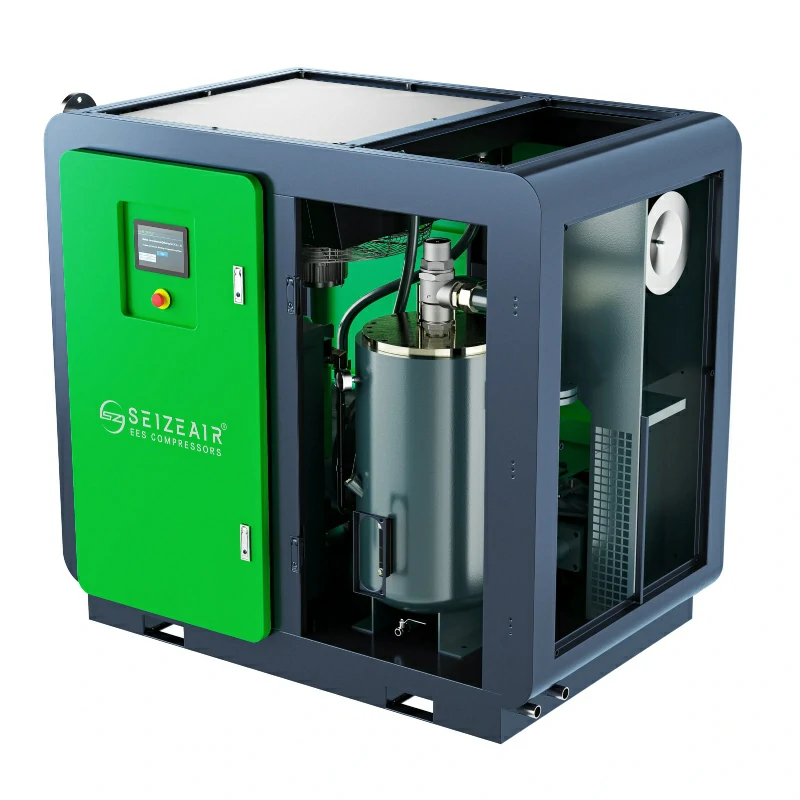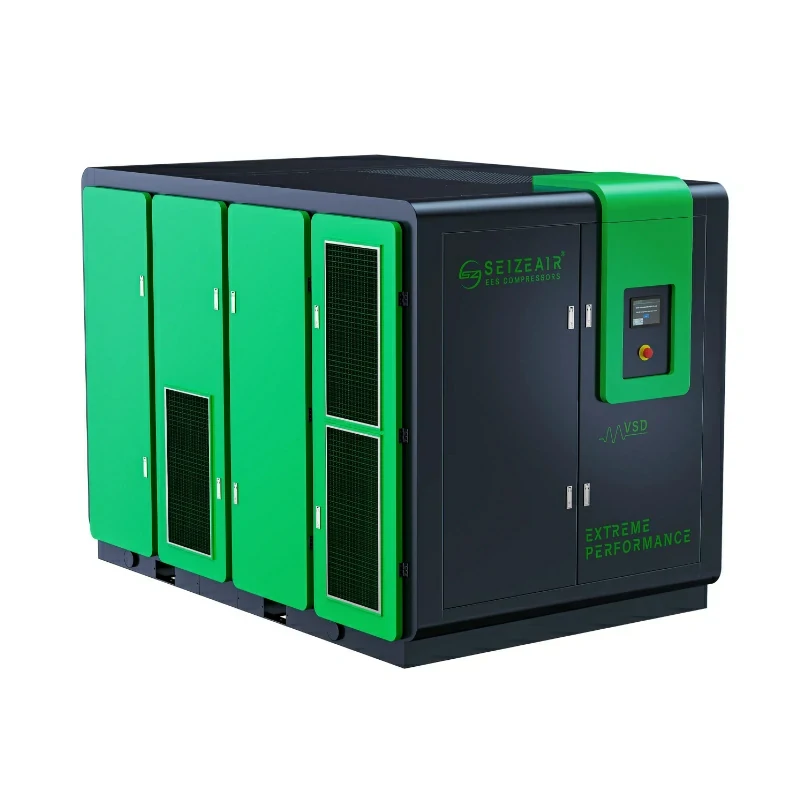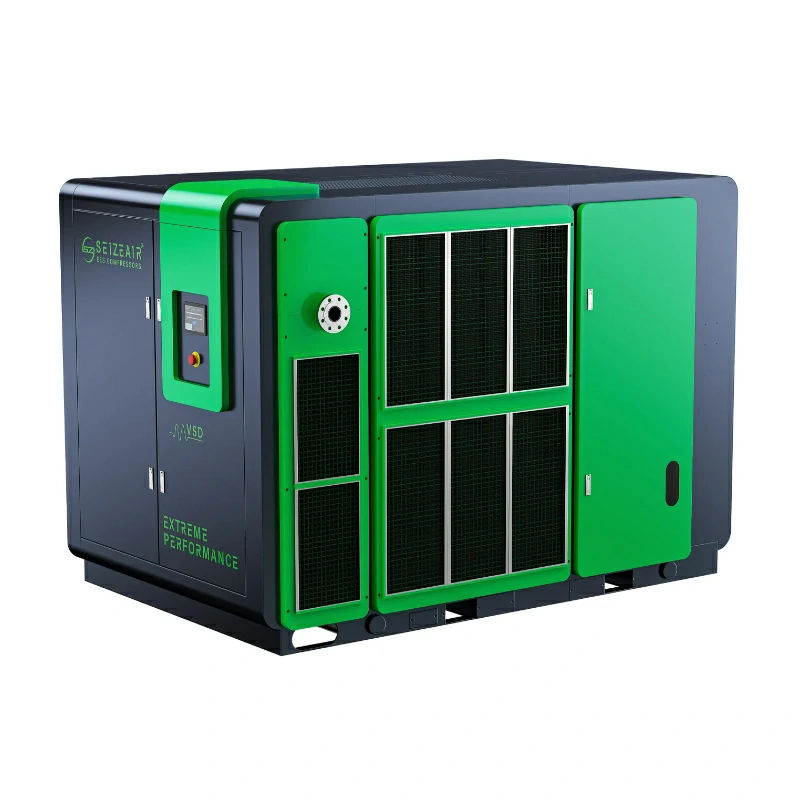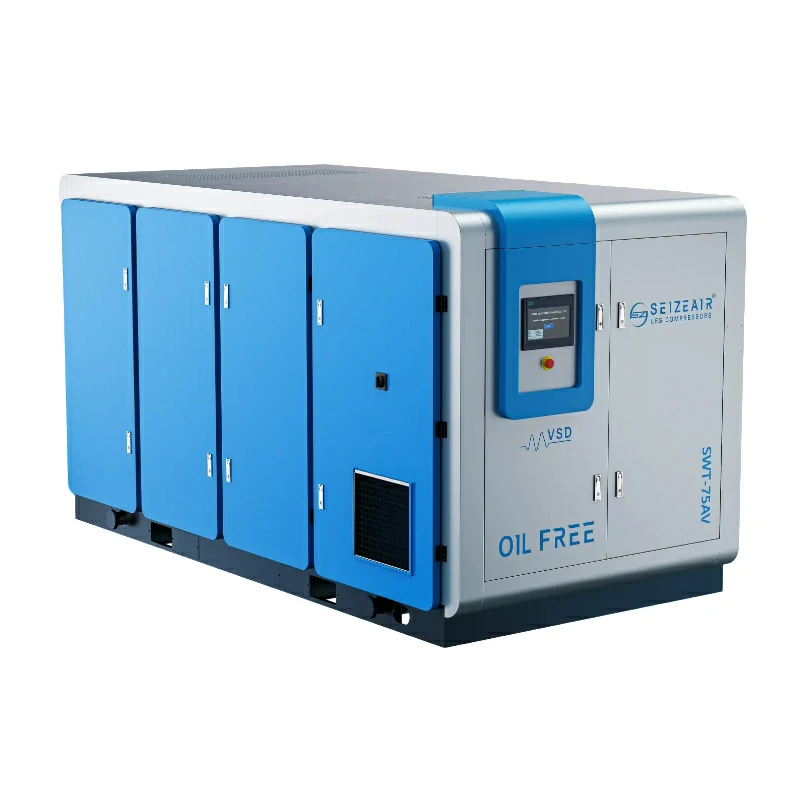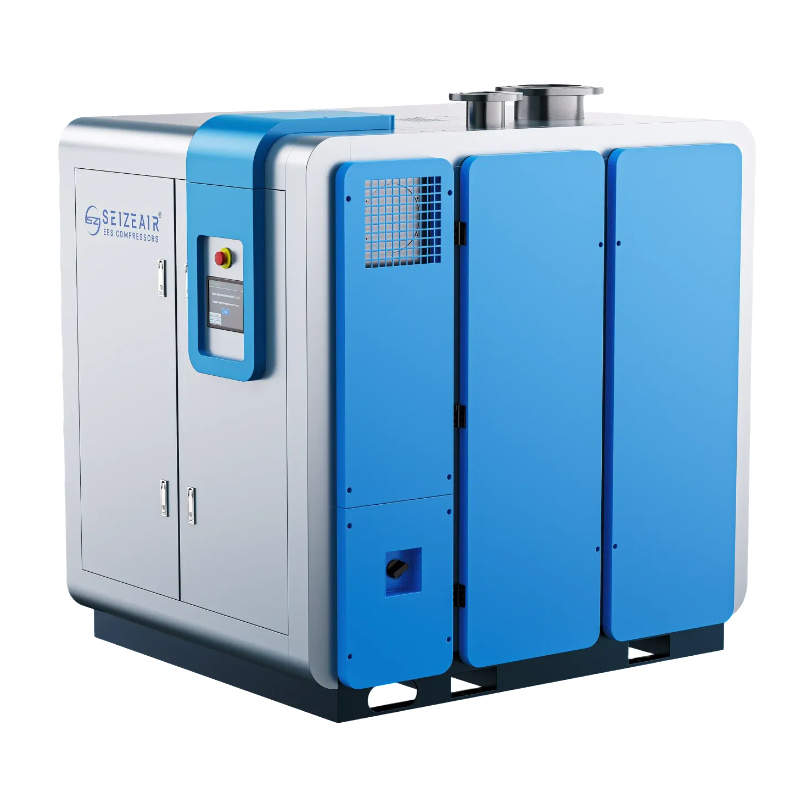


Buying a 400 psi air compressor requires balancing upfront costs against air purity needs. At this specific high-pressure threshold, choosing between oil-free and lubricated technology dictates your system’s maintenance schedule, energy efficiency, and operational lifespan. This guide analyzes both options to help you select the ideal setup for your facility.
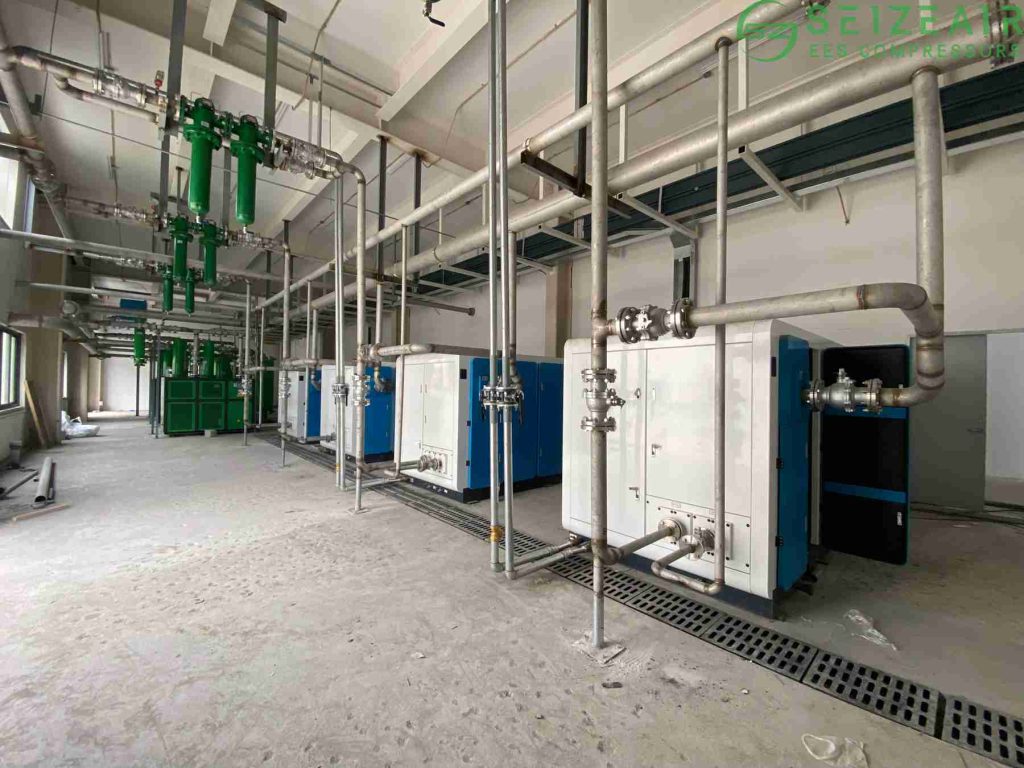
What are the mechanical differences between oil-free and lubricated high-pressure systems?
Achieving sustained high pressure requires precise engineering, usually involving multi-stage compression. The two technologies handle friction and heat dissipation differently:
Lubricated (Oil-Injected) Systems
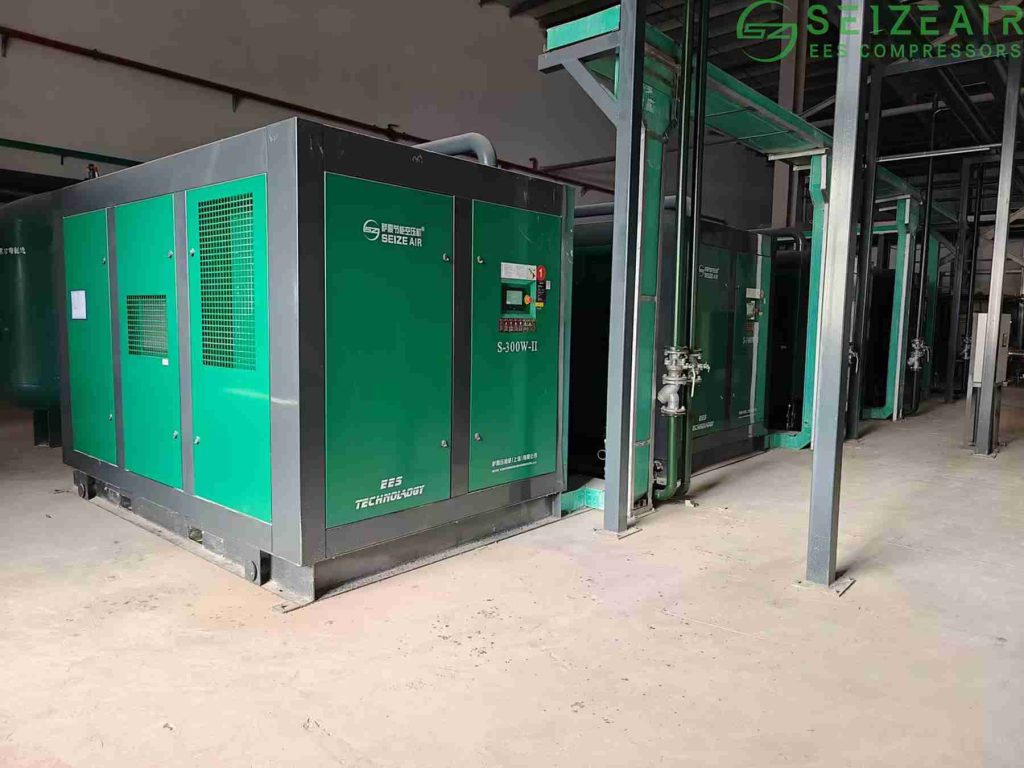
Lubricated models inject synthetic oil directly into the compression chamber. This fluid seals the small clearances between moving parts, absorbs the intense heat generated during compression, and protects internal components from mechanical wear.
While highly efficient, this process naturally introduces trace oil aerosols into the airflow, requiring robust downstream filtration to clean the air before it reaches production lines.
Oil-Free Systems
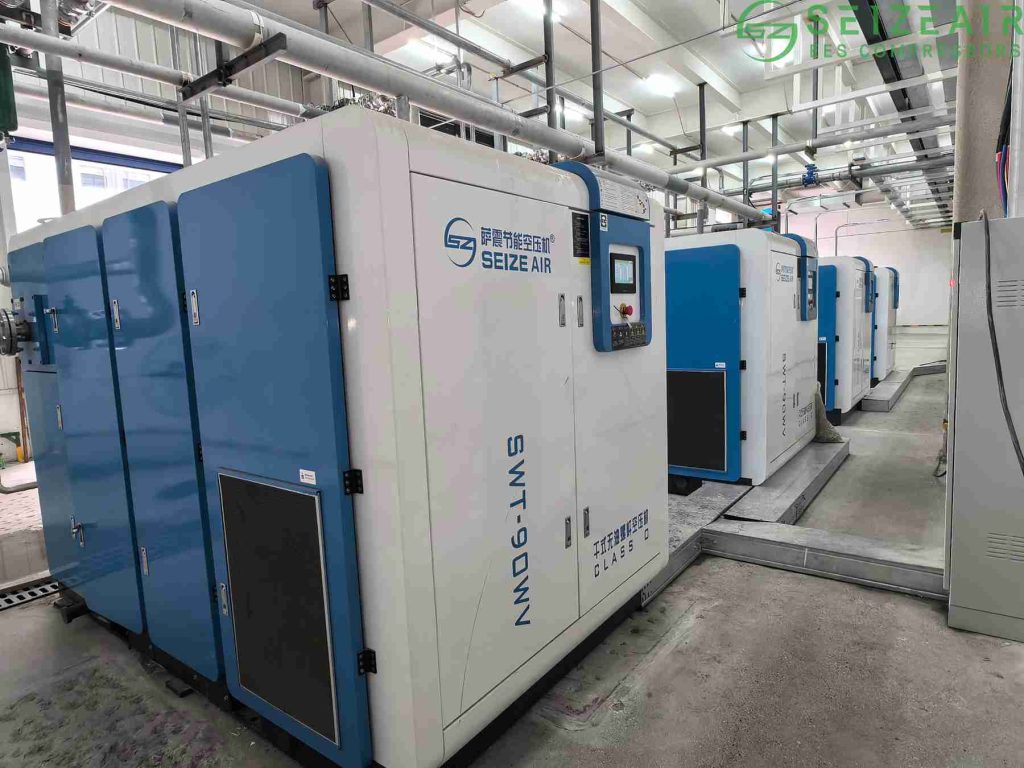
Oil-free units use no lubrication within the compression chamber. They rely on self-lubricating materials, such as Teflon-coated rings or ceramic-coated rotors, to prevent metal-on-metal wear.
Because they lack oil for cooling, these machines run hotter and require advanced intercoolers and aftercoolers. The primary benefit is absolute air purity, meeting ISO 8573-1 Class 0 standards without relying on downstream filtration.
Which industrial applications require an oil-free 400 psi air compressor?
Certain production environments cannot tolerate even microscopic amounts of oil carryover.
- PET Bottle Blowing: Oil contamination inside a beverage bottle alters product taste and violates consumer safety standards.
- Pharmaceutical Manufacturing: Pure compressed air is required for pill coating, product packaging, and cleanroom environments.
- Laser Cutting Assist Gas: High-pressure air blows away molten metal. Trace oil can foul expensive laser focusing lenses, causing costly production downtime.
For these sensitive operations, companies often turn to specialized systems like those designed by Seize Air to ensure zero risk of product contamination.
When should a facility buy a lubricated multi stage high pressure compressor?
If your end product does not come into direct contact with compressed air, a lubricated system is usually the most practical choice.
- Pipeline Pressure Testing: Checking for leaks in large pipelines requires continuous high-pressure air where trace oil is irrelevant.
- Heavy Manufacturing & Automation: Powering large pneumatic cylinders or high-pressure clamping tools.
- Oil & Gas Exploration: Operating rugged equipment in harsh, dusty outdoor environments where mechanical durability is the highest priority.
How do maintenance costs compare for a 400 psi piston compressor vs. rotary screw?
The long-term cost of ownership varies significantly between the two configurations based on their internal components:
| Maintenance Component | Lubricated 400 PSI Compressor | Oil-Free 400 PSI Compressor |
| Routine Fluid Changes | Required every 2,000–4,000 hours | None required in compression chamber |
| Filtration Elements | Coalescing and carbon filters need frequent replacement | Standard air intake filters only |
| Condensate Disposal | Requires oil-water separators before drainage | Clean water; can be drained directly |
| Major Overhaul Interval | Typically 30,000 to 40,000 hours | Typically 15,000 to 20,000 hours |
While oil-free units save money on daily consumables and oil disposal regulations, their overall component replacement costs during a major overhaul are generally higher due to the specialized coatings on the rotors or pistons.
What is the efficiency difference in a 400 psi industrial air compressor?
From an energy standpoint, lubricated compressors are inherently more efficient. The oil injected into the system acts as a physical sealant, preventing compressed air from leaking backward through the internal clearances. This allows the machine to deliver more cubic feet per minute (CFM) per unit of horsepower.
Oil-free systems suffer from minor internal air slippage because they lack this liquid seal. To deliver the same volume at 400 PSI, an oil-free unit must operate at higher rotational speeds or use extra compression stages, which can increase electrical consumption by 5% to 15%.
However, system designers like Seize Air offset this energy penalty by optimizing multi-stage cooling jackets, ensuring high performance without excessive utility costs.
How does moisture management impact a high pressure air compressor 400 psi setup?
Compressing air to 400 PSI squeezes out massive amounts of ambient moisture. Managing this water is critical for protecting downstream equipment from rust and freezing.
- In Lubricated Systems: The collected moisture is mixed with oil mist, forming an emulsion. This liquid cannot be poured down standard drains without passing through an oil-water separator first.
- In Oil-Free Systems: The condensate is pure water, allowing for simpler, direct drainage without environmental compliance issues.
Summary Checklist
To make your final decision, evaluate your operations against these four criteria:
- Air Quality Standards: Choose oil-free if your industry mandates zero oil contact.
- Duty Cycle: Choose lubricated if the machine runs continuously 24/7 in demanding, non-sensitive industrial environments.
- Total Lifecycle Budget: Balance the lower initial cost and higher efficiency of lubricated models against the filtration replacement expenses over time.
- Environmental Footprint: Consider local laws regarding oily wastewater disposal when installing lubricated machinery.
Need Expert Guidance?
Selecting the right high-pressure infrastructure requires accurate pressure-to-flow calculations and application engineering. Contact the technical team at Seize Air today to discuss your specific CFM requirements, review system footprints, or get a detailed quote tailored to your facility’s operational goals.