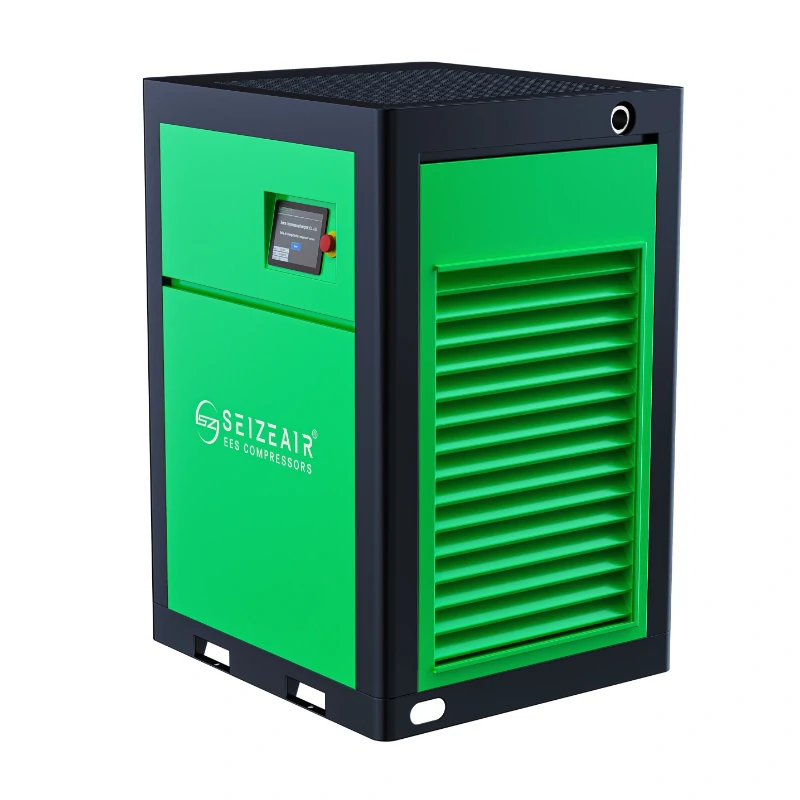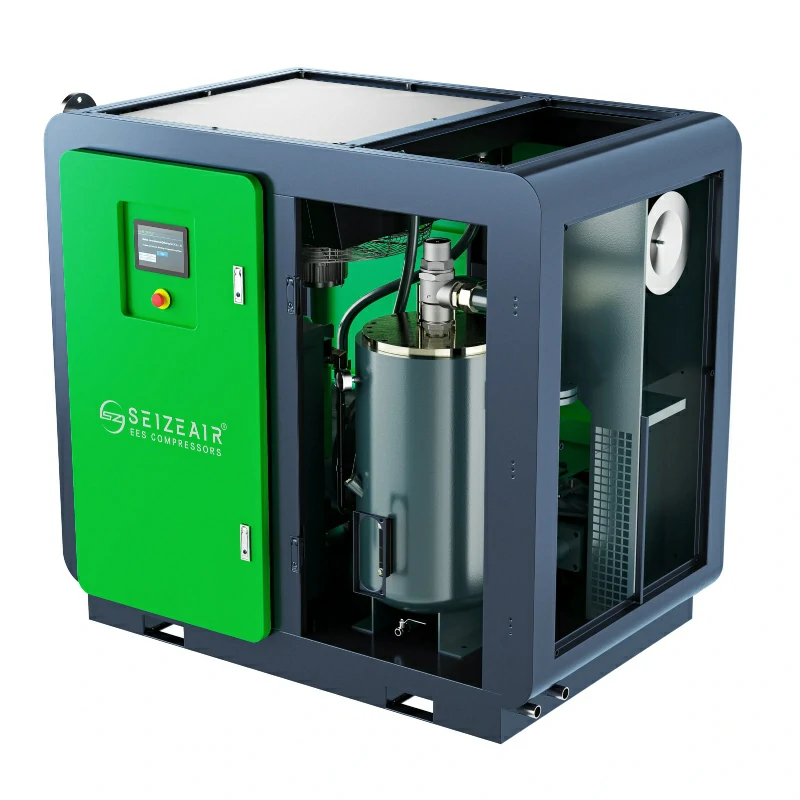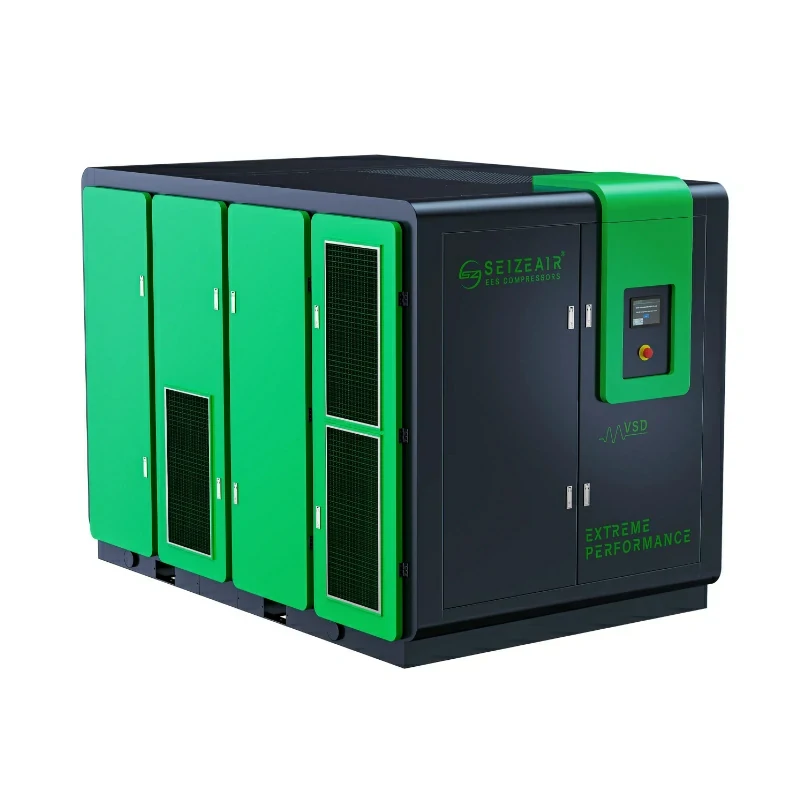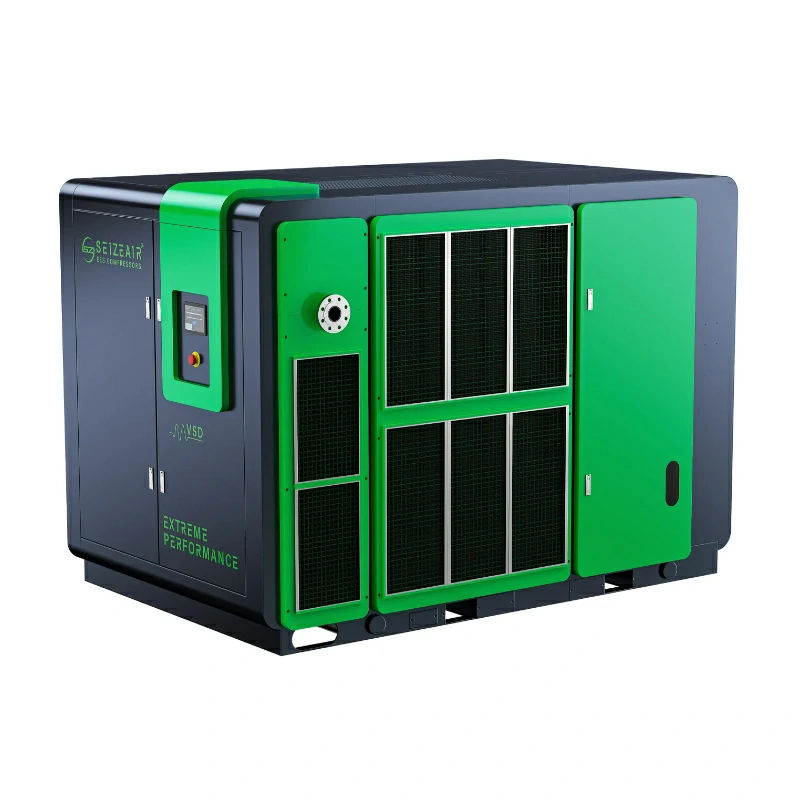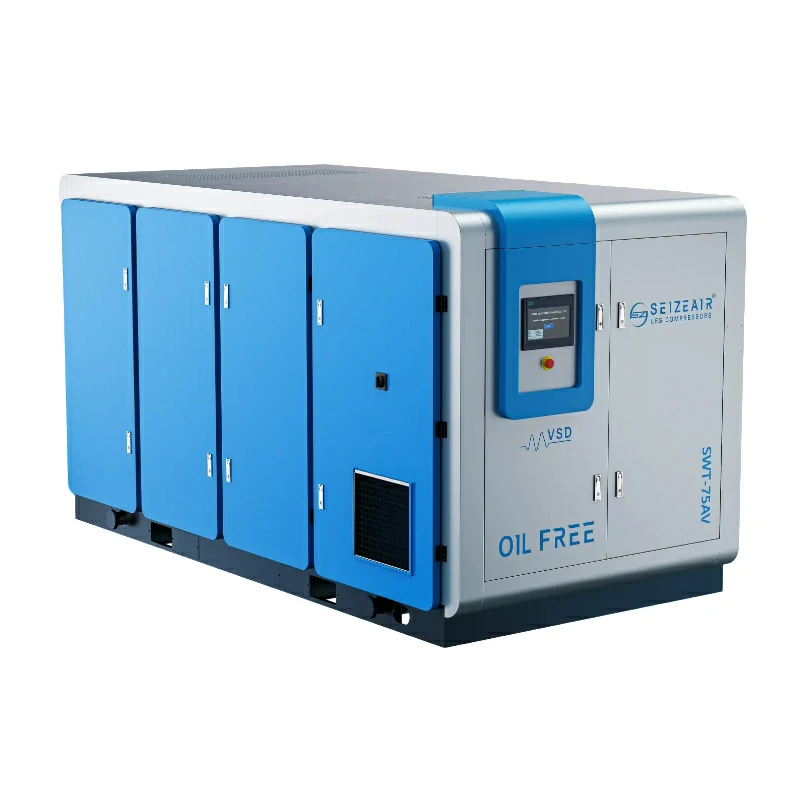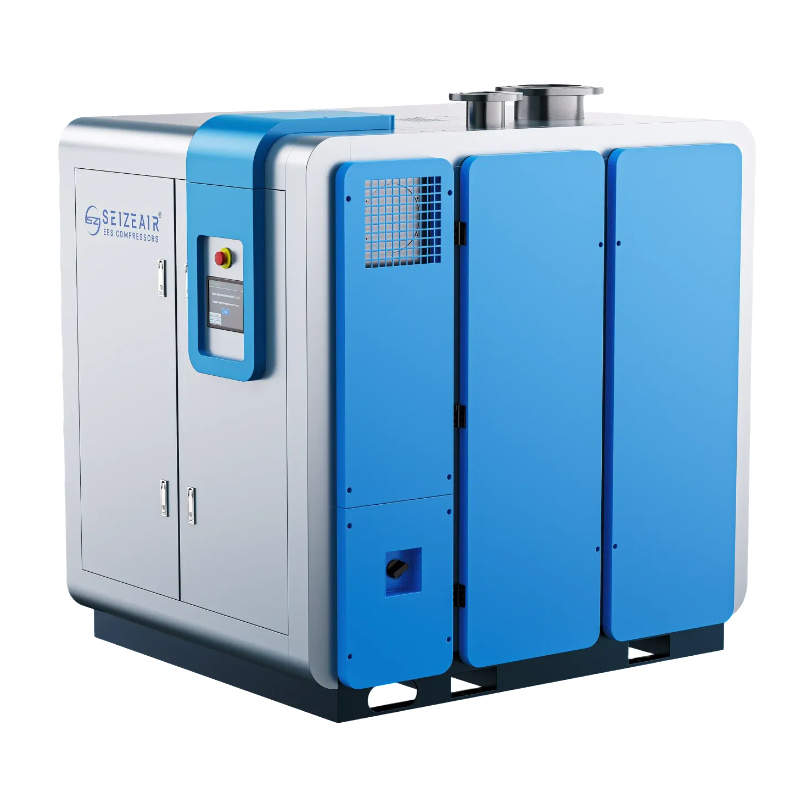


For any air compressor for pharmaceutical industry applications, ensuring 100% sterile and contaminant-free air is the paramount operational benchmark that directly impacts product safety, regulatory compliance, and bottom-line profitability. In medicinal manufacturing environments, standard industrial utilities simply do not suffice; the introduction of even microscopic ambient impurities or trace lubricants can lead to multi-million dollar batch failures, extensive legal liabilities, and catastrophic brand erosion.
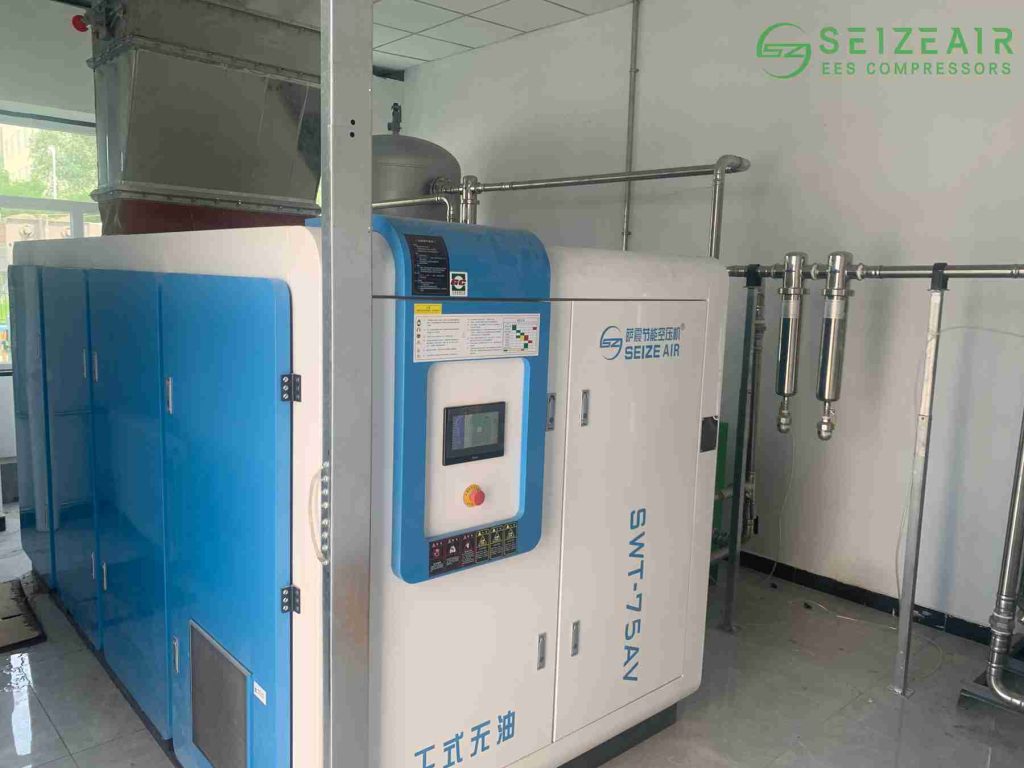
What are the specific oil free compressor requirements for pharmaceutical applications?
Core requirement (Pharma standard):
Pharmaceutical applications require absolute zero hydrocarbon contamination. Oil must never enter the compression chamber under any condition—normal operation, wear, heat spikes, or seal failure.
Engineering approach:
To achieve this, oil-free compressors use dry or water-injected technology, combined with advanced materials and coatings to eliminate internal lubrication needs. This ensures air purity at the source, reducing reliance on downstream filtration.
System-level compliance:
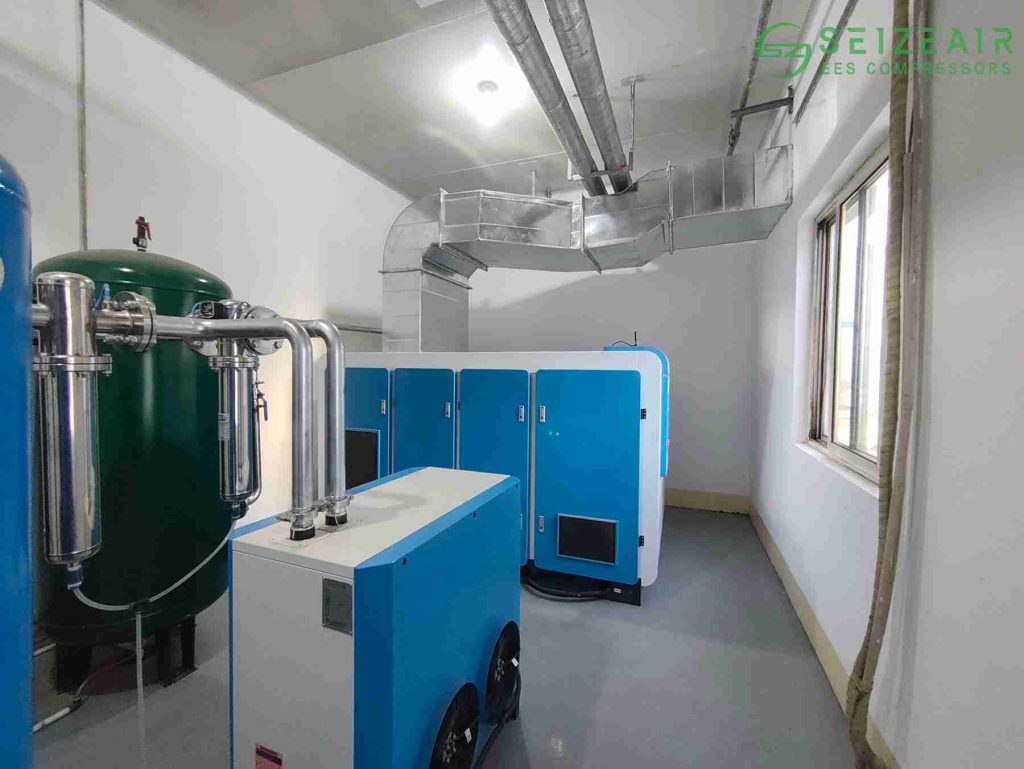
Beyond the compressor itself, compliant systems include corrosion-resistant materials, condensate control, and continuous air quality monitoring, ensuring stable purity during long-term operation.
What are the direct risks of oil contamination in validated compressed air systems in drug manufacturing?
Deploying uncertified or oil-lubricated equipment within validated compressed air systems in drug manufacturing processes exposes a facility to immediate systemic vulnerabilities across multiple operational sectors.
Matrix of Contamination Risks and Operational Impacts
| Risk Category | Specific Contamination Mechanism | Operational & Financial Impact |
| Biochemical Spoilage | Oil vapors react with active pharmaceutical ingredients (APIs), altering molecular structures. | Total loss of entire production batches; chemical instability in liquid medications. |
| Microbial Proliferation | Liquid oil droplets gather in piping elbows, creating a nutrient-rich breeding ground for bacteria and mold. | Biofilm formation inside cleanroom piping; failed sterility audits; product biotoxicity. |
| Desiccant & Filter Fouling | Heavy oil carryover coats downstream desiccant beads, destroying their ability to absorb moisture. | Elevated dew points leading to liquid water formation; rust development in distribution lines. |
| Regulatory Non-Compliance | Trace hydrocarbons detected during unscheduled internal quality assays or regulatory inspections. | Instantaneous revocation of manufacturing certificates; mandatory plant shutdowns; heavy fines. |
If a microscopic amount of lubricant bypasses internal mechanical seals, it undergoes extreme thermal stress, vaporizing into an ultra-fine aerosol. This aerosol moves rapidly through distribution networks, slipping through standard particulate meshes. Once it reaches the point of use, it deposits directly into products or packaging, creating an immediate public health hazard and triggering mandatory, high-profile product recalls that can permanently destroy corporate trust.
Which global air quality standards govern pharmaceutical manufacturing processes?
The definitive international regulation governing compressed air purity is ISO 8573-1:2010, which classifies air quality based on maximum allowable contaminant levels across three distinct vectors: solid particles, water humidity, and total oil concentration (including liquid, aerosol, and vapor states).
ISO Purity Classifications for Oil and Contaminants
| ISO Purity Class | Solid Particles (per m3, 0.1 – 0.5 micron) | Pressure Dew Point (Celsius) | Total Oil Content (Liquid, Aerosol, Vapor) (mg/m3) |
| Class 0 | As specified by user/manufacturer (Strictly stricter than Class 1) | As specified by user/manufacturer | Strictly 0.00 mg/m3 |
| Class 1 | Less than or equal to 20,000 | Less than or equal to -70 | Less than or equal to 0.01 |
| Class 2 | Less than or equal to 400,000 | Less than or equal to -40 | Less than or equal to 0.10 |
| Class 3 | Not specified | Less than or equal to -20 | Less than or equal to 1.00 |
For critical manufacturing phases where compressed air directly contacts ingredients, Class 0 is the only legally defensible standard. It is critical to recognize that Class 1 systems, which permit up to 0.01 mg/m3 of oil, are fundamentally insufficient for cleanrooms. Over a year of continuous 24/7 manufacturing, a Class 1 compressor running at high CFM can still discharge liters of vaporized oil into a plant’s downstream piping, creating an accumulating layer of chemical slime that will eventually compromise product validation protocols.
How does preventing oil contamination in pharmaceutical packaging protect product shelf life?
The focus on purity does not end when a pill or liquid medication is successfully synthesized; preventing oil contamination in pharmaceutical packaging lines is just as vital for preserving long-term therapeutic efficacy.
During the automated packaging phase, high-velocity compressed air is utilized to pre-clean glass vials, actuate precise filling valves, and structurally form plastic blister cavities. If this process air contains even fractional traces of vaporized machine oil, those hydrocarbons instantly bond with the interior surfaces of the packaging material. When the medication is sealed inside, the trapped oil contaminants begin to cross-react with the chemical formulation over time, accelerating oxidation reactions, degrading active ingredients, and drastically shortening the product’s stable shelf life.
Furthermore, in blister packaging machinery, compressed air is used to rapidly cool and seal the protective aluminum foil backing onto the molded plastic tray. Oil mist in this air stream prevents the thermal adhesives from bonding uniformly, creating microscopic seal failures. These structural gaps allow ambient moisture and oxygen to seep into the blister pocket during distribution, causing premature degradation of moisture-sensitive tablets long before their official expiration dates.
Can multi-stage filtration safely remove oil from standard lubricated compressors?
A frequent misconception among facility procurement managers is that an oil-lubricated compressor equipped with an extensive string of coalescing filters, charcoal towers, and chemical scrubbers can reliably deliver risk-free air. From a rigorous engineering and quality-assurance perspective, this assumption introduces a dangerous, single point of mechanical failure.
Filters are passive, reactive separation devices that operate under strict thermodynamic and physical limits. As environmental ambient temperatures rise within a compressor room, oil vaporizes into a gas phase that completely bypasses standard coalescing filtration media. Furthermore, downstream filters are subject to operational wear, saturation, and human maintenance errors. If a technician misses a scheduled carbon bag replacement, or if an internal O-ring suffers a minor structural tear, raw oil will instantly flood the entire downstream pipeline without warning.
Relying on filtration forces a facility to constantly manage the risk of catastrophic system failure. Conversely, adopting an intrinsically clean platform designed by a specialist manufacturer like Seize Air eliminates the threat at the source. When there is absolutely zero oil present within the mechanical compression chamber, there is zero mathematical probability of oil escaping into the product stream, ensuring total peace of mind during stringent quality audits.
Where exactly is compressed air deployed within a pharmaceutical facility?
Compressed air acts as the central mechanical pulse of a modern drug plant, utilized across a broad spectrum of highly sensitive operational sectors.
Fluidized Bed Drying and Granulation
In solid-dose manufacturing, raw chemical powders must be mixed and formed into uniform granules. This is achieved by blowing high-volume, heated compressed air through a bed of powder, suspending the particles in mid-air to ensure uniform drying. Because this process air thoroughly permeates the internal structure of the powder mix, any trace contaminant present in the air stream becomes permanently embedded inside the core of the final tablet.
Automated Pneumatic Conveying Systems
Bulk chemical powders, active crystalline structures, and completed capsules are transported through enclosed pipeline loops using high-velocity air streams rather than mechanical belts to prevent ambient contamination. If the air driving these conveying loops contains compressor oil, the highly absorbent powders will bind with the oil particles, causing the raw materials to clump together, foul the transport lines, and fail internal purity checks before they even reach the formulation stage.
Sterile Vial Over-Pressurization and Sealing
When liquid biological drugs or vaccines are filled into glass vials, the headspace above the liquid must be purged and pressurized with an inert gas or ultra-clean air to displace ambient oxygen. This prevents product oxidation and maintains structural sterility until the vial is opened by a medical professional. Oil contamination in this specific phase instantly ruins the sterile vacuum, making the drug unsafe for patient injection.
Feed Air for On-Site Nitrogen Generation
Many advanced pharmaceutical plants operate dedicated PSA (Pressure Swing Adsorption) nitrogen generators to produce their own inert gas shields. These generators rely on a continuous feed from a heavy-duty air compressor for pharmaceutical industry configuration to separate oxygen from nitrogen molecules via molecular sieves. If the incoming compressed air contains oil vapor, the oil will coat the delicate carbon molecular sieves, permanently destroying their adsorption capacity and requiring complete, highly expensive replacement of the generator’s internal matrix.
What are the operational advantages of a variable speed drive compressor for cleanroom environments?
Integrating a highly precise variable speed drive compressor for cleanroom environments yields immense benefits regarding both operational stability and micro-climate control. Cleanrooms require exceptionally stable ambient pressures and low temperature fluctuations to keep air filtration units (HEPA/ULPA) working perfectly. A traditional fixed-speed compressor operates on a rigid, cycling load/unload pattern, causing sharp pressure spikes and rapid thermal variations in the utility lines as the motor cycles on and off.
A Variable Speed Drive (VSD) system constantly monitors downstream air usage via electronic pressure transducers. It utilizes an advanced frequency inverter to adjust the rotational speed of the compressor motor in real-time, matching output precisely to the plant’s actual air demand. This eliminates intense pressure fluctuations, ensuring a perfectly steady, predictable flow of air to sensitive packaging lines, cleanroom airlocks, and automated analytical equipment.
Fixed-Speed vs. VSD Systems
| Performance Factor | Standard Fixed-Speed System | Advanced VSD System |
| Discharge Pressure Stability | Fluctuates sharply within a 0.5 to 1.0 bar band | Maintained smoothly within a tight 0.1 bar band |
| Internal Thermal Profile | Cycles between hot and cool states, increasing condensation | Runs at a steady, optimized temperature to ease dryer loads |
| Motor Starting Current | Experiences huge amp draws (up to 6x running current) during startup | Features ultra-smooth, low-current soft starts |
| System Component Wear | High mechanical stress due to constant loading/unloading cycles | Minimal stress due to smooth, continuous operation |
By smoothing out these operational cycles, a VSD unit significantly lowers the thermal load put on downstream desiccant dryers. This allows the air treatment systems to maintain an ultra-low dew point consistently, preventing any moisture spikes that could trigger bacterial growth within cleanroom piping networks.
What is the true long-term financial comparison between oil-lubricated and oil-free platforms?
While the initial capital expenditure for an oil-free system is higher than a standard oil-injected unit, a comprehensive lifecycle cost analysis reveals that oil-free technology delivers far greater long-term economic returns.
10-Year Lifecycle Cost Matrix (Based on 8,000 Annual Operating Hours)
| Cost Center Component | Lubricated System + Multi-Stage Filtration | True Class 0 Oil-Free System |
| Initial Equipment Purchase | Moderately low baseline investment | Higher upfront capital expenditure |
| Downstream Filter Replacement | Expensive (Coalescing and carbon elements changed every 3 months) | Minimal (Standard particulate elements changed annually) |
| Energy Loss from Pressure Drops | High (Every inline filter creates a continuous pressure drop) | Extremely low (No heavy inline oil filtration restriction) |
| Hazardous Waste Disposal | Continuous fees to dispose of oily condensate and saturated filters | Zero oil disposal costs (Condensate is clean water) |
| Regulatory Risk Exposure | High (Constant potential for failure during quality assays) | Zero operational risk |
When an oil-lubricated system forces compressed air through a complex sequence of high-efficiency filters, each filter stage introduces a permanent resistance to the airflow, causing a continuous pressure drop across the line. To maintain a stable 7-bar working pressure at the production line, the main compressor motor must be configured to run at 8 bar or higher to overcome this filtration resistance. For every 1 bar increase in discharge pressure, the compressor requires approximately 7% more electrical power.
Over a decade of continuous operation, these added energy losses, combined with the recurring cost of expensive filter replacements and hazardous waste disposal fees, far exceed the initial price difference of a true oil-free machine. Utilizing an engineered solution from Seize Air avoids these hidden operational costs completely, ensuring your facility runs at peak aerodynamic and financial efficiency year after year.
How do you select an energy efficient air compressor for pharmaceutical industry operations?
Choosing an energy efficient air compressor for pharmaceutical industry facilities requires looking closely at total system synergy rather than focusing on the compressor block alone. The goal is to maximize air output per kilowatt of electricity consumed while maintaining total Class 0 purity.
First, evaluate the specific energy consumption (SER) rating of the compressor across its entire operating range. A top-tier machine must remain highly efficient not just at full load, but also when running at lower speeds during partial night shifts or reduced production runs. Second, look at the integration of heat recovery modules. Compressing air generates massive amounts of thermal energy; advanced oil-free systems can capture this clean, oil-free waste heat and reroute it to pre-heat water for facility boilers or clean-in-place (CIP) sanitation cycles, saving thousands of dollars in facility heating bills.
Finally, ensure the air treatment system is accurately matched to the compressor’s discharge capacity. Combining a highly efficient VSD compressor with an oversized, non-cycling desiccant dryer will simply waste energy through continuous purge-air loss. True efficiency is achieved when the compressor, variable drive, and desiccant drying matrix are engineered to operate as a single unified system, dynamically scaling their power usage up or down together in response to actual plant demand.
Conclusion
Transitioning to a true Class 0 certified oil-free compressed air configuration is the only reliable way to guarantee absolute product safety, eliminate contamination risks, and maximize long-term energy efficiency in pharmaceutical manufacturing. As an industry leader, Seize Air specializes in engineering advanced, energy-efficient oil-free compressed air systems tailored precisely to strict global standards, providing uncompromising purity and lower operating overhead.
Protect your manufacturing line from unexpected contamination hazards and optimize your plant’s energy performance today. Contact our dedicated team of application engineers to receive a comprehensive system audit and a customized, turnkey compressed air solution engineered perfectly for your facility.