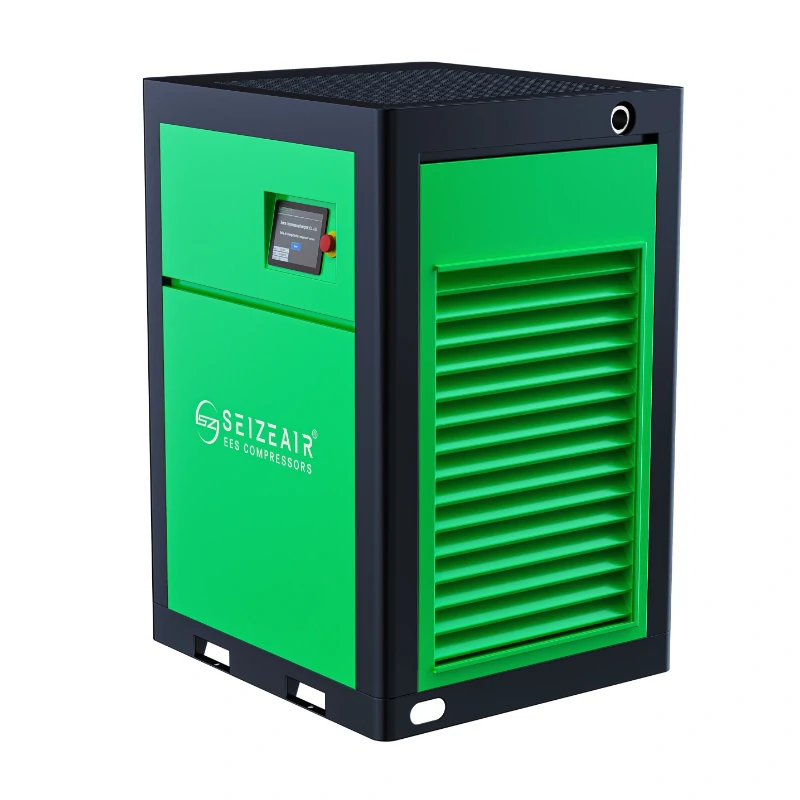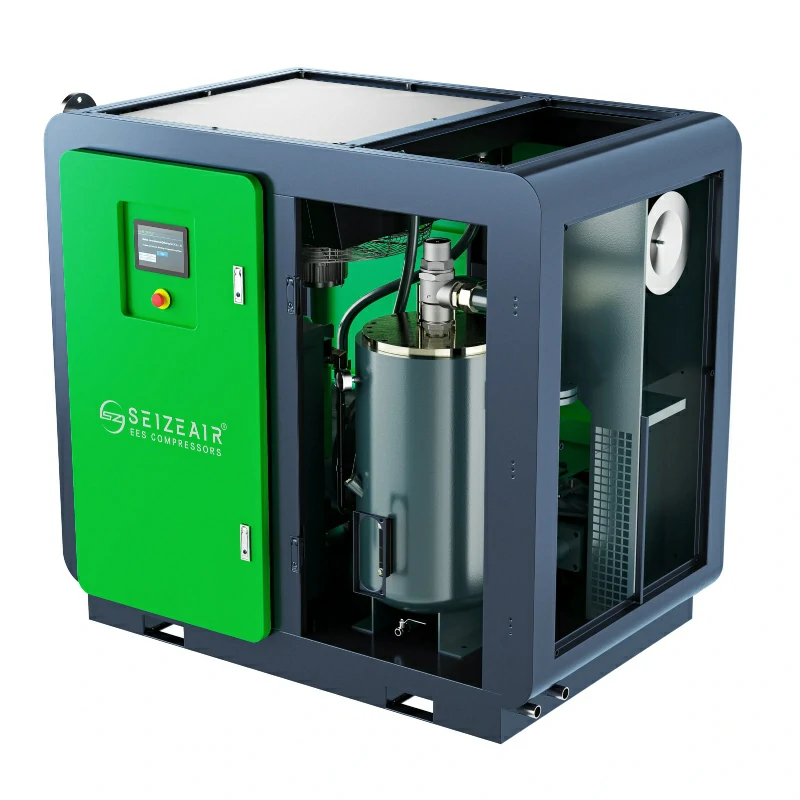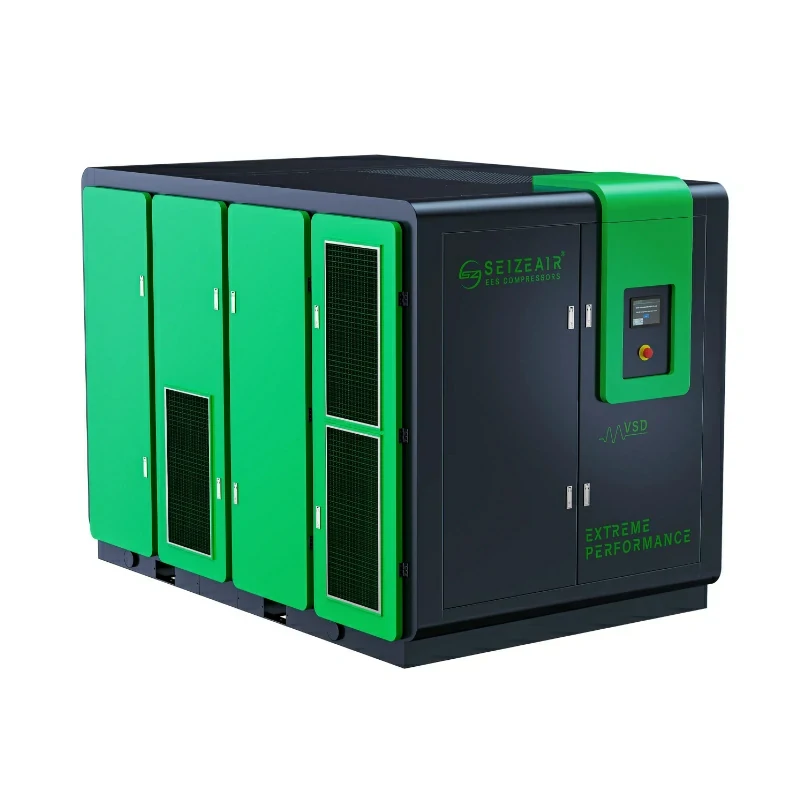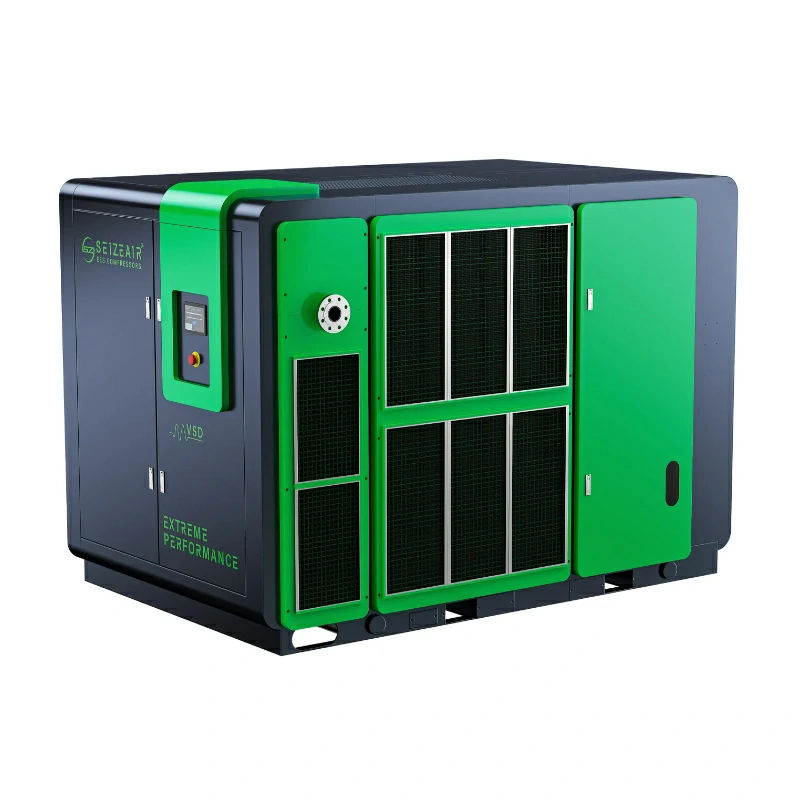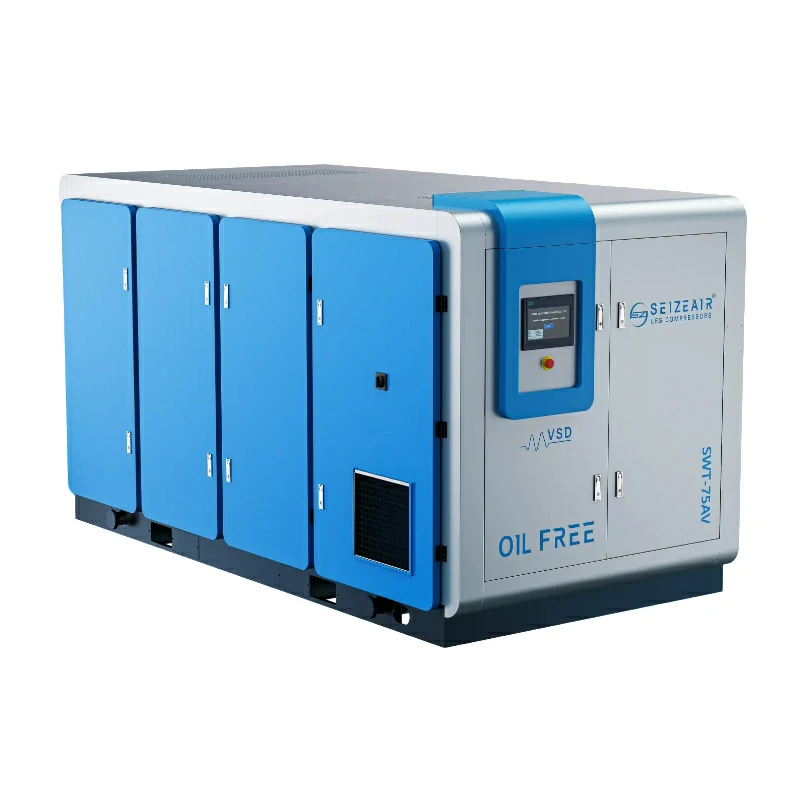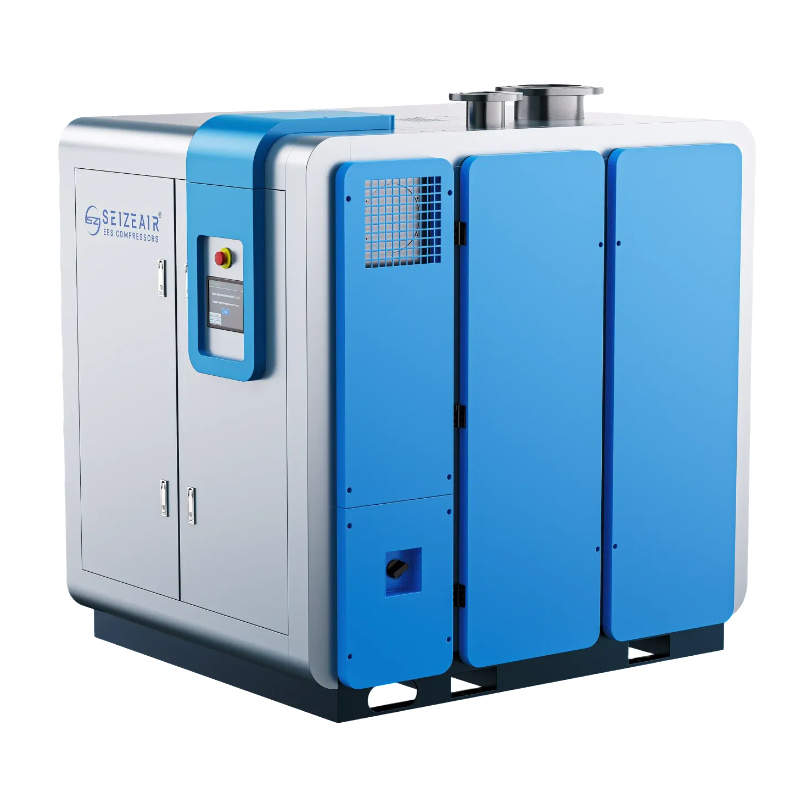


For manufacturing plants, warehouses and industrial facilities, the industrial air compressor is a mission-critical workhorse — and one of the biggest energy consumers on site. Compressed air is widely called the “fourth utility,” but industry data confirms up to 30% of the energy powering these machines is completely wasted due to leaks, poor settings, outdated gear and neglected maintenance.
Cutting industrial air compressor energy costs isn’t just about lower monthly utility bills; it’s a strategic move to boost uptime, extend equipment life and hit sustainability targets. This streamlined, actionable guide breaks down proven, cost-effective strategies — from quick, no-cost fixes to long-term upgrades — to eliminate waste and maximize savings, with data-backed insights and industry best practices optimized for search visibility and real-world use.
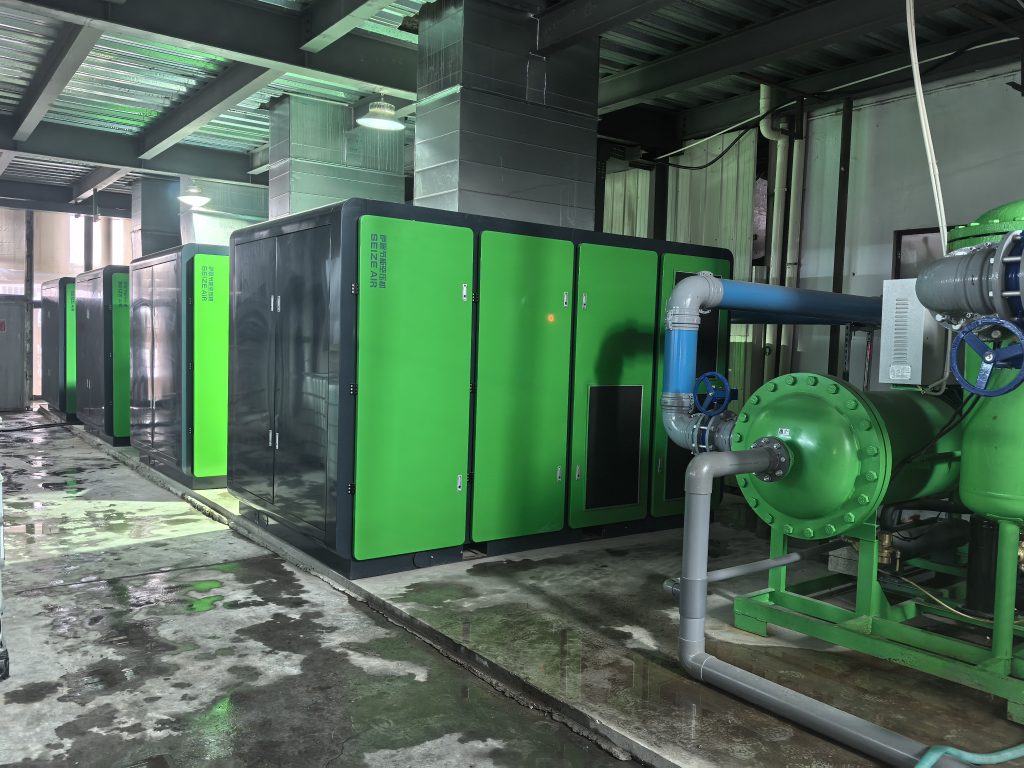
Why Industrial Air Compressor Efficiency Matters
Industrial air compressors account for 10-15% of total industrial electricity use across North America and Europe, making them a top target for cost-cutting. For a standard 100 HP industrial air compressor running 24/7, annual energy costs often top $50,000 — and over a decade, energy expenses make up 75-80% of the machine’s total cost of ownership, far exceeding the initial purchase price.
Beyond direct savings, better efficiency delivers lasting perks: lower repair costs, less unplanned downtime, a smaller carbon footprint and cleaner, more reliable compressed air for production. Even small efficiency gains add up to thousands in annual savings, with zero to minimal upfront investment for quick wins.
Top Causes of Energy Waste in Compressed Air Systems
To target waste effectively, focus on the most common culprits and their energy loss impact, outlined in the table below. These issues apply to nearly every industrial air compressor setup, from small single units to large multi-compressor networks.
| Source of Waste | Typical Energy Loss | Core Impact |
|---|---|---|
| Unrepaired Air Leaks | 15-30% | Forces constant compressor cycling to maintain pressure |
| Excessive Operating Pressure | 0.5-1% per extra PSI | Drives up power use and speeds up component wear |
| Outdated/Inefficient Compressors | 10-25% | Wastes energy during idle/unload cycles |
| Poor Maintenance | 5-15% | Restricts airflow and increases motor load |
| Unnecessary Idle Time | 10-20% | Runs when no compressed air is needed |
Immediate Low-Cost Fixes for Instant Savings
You don’t need new equipment to start saving — these quick, no-cost or low-cost steps take hours to implement and deliver instant energy reductions:
- Fix obvious air leaks: Listen for hissing, feel for escaping air at fittings and hoses, and repair small leaks right away (even tiny leaks waste 6,000+ kWh yearly).
- Lower operating pressure: Every extra PSI boosts energy use by 0.5-1%; cut pressure to the minimum needed for your furthest production tool (typically 5-10 PSI lower than current settings).
- Shut off compressors when unused: Turn off machines during closed hours, weekends or shift breaks to eliminate idle energy waste.
- Clean intake filters: Clog filters restrict airflow and hike energy use by 3-5%; clean or replace monthly in dusty environments.
- Tighten piping connections: Fix loose fittings and worn seals to stop hidden small leaks.
Air Leak Detection & Repair
Air leaks are the single largest source of waste, with an average ROI of just 1-3 months for repair work. Most leaks are invisible and silent in busy facilities, so use professional tools like ultrasonic detectors, pressure decay tests or thermal cameras to pinpoint hidden issues during full production hours.
Common leak spots include piping joints, valves, hoses, condensate drains and tool connections. Always use industrial-grade parts for permanent repairs — skip temporary tape or sealant that fails quickly. Seize offers durable, leak-resistant fittings and condensate drains designed for industrial air compressor systems, keeping your network tight and efficient long-term with minimal repeat repairs.
Optimize Pressure Settings to Cut Energy Use
Over-pressurization is a simple fix with massive returns. Calculate your optimal pressure by finding the minimum requirement for your most sensitive tool, adding a 2-3 PSI buffer for piping drops, and setting a narrow 10-15 PSI cut-in/cut-out differential to reduce cycling.
For example, a 100 HP compressor running at 110 PSI uses 10% more energy than at 100 PSI, translating to $8,000+ in annual savings. Never raise pressure to compensate for leaks — fix leaks first, then lower pressure for sustainable savings.
1. Upgrade to High-Efficiency Industrial Air Compressor Models
Upgrading aging compressors (10+ years) is a strategic long-term investment rather than a mere expense. Older units typically consume 20-30% more energy than modern high-efficiency models. Since electricity accounts for over 70% of a compressor’s total life-cycle cost, the Return on Investment (ROI) for an upgrade is often realized within 18 to 24 months.
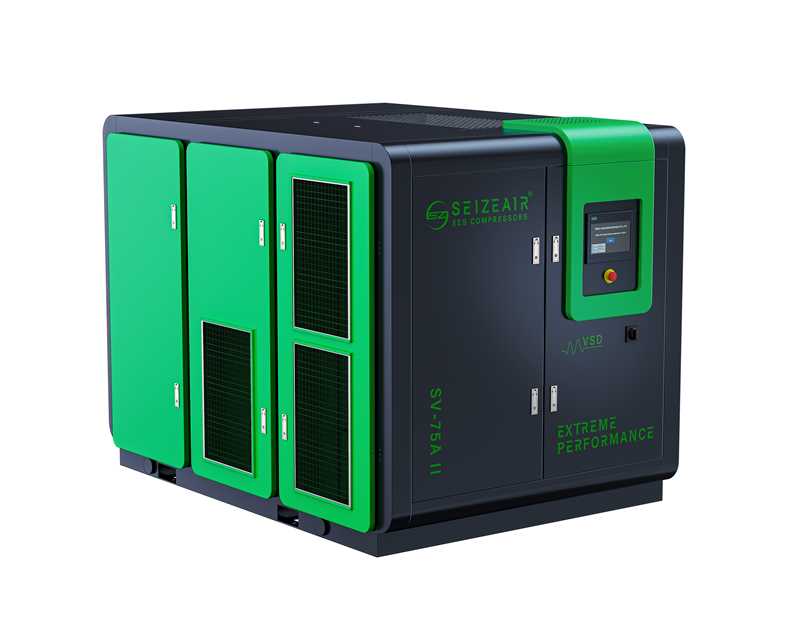
Top Efficient Technologies Defined:
- VFD/VSD (Variable Frequency Drive) Compressors:Traditional fixed-speed units run at 100% capacity regardless of demand, wasting energy during “unload” cycles. VFD technology adjusts the motor speed in real-time to match actual air consumption. For facilities with fluctuating shifts, this can slash energy use by 15-35% and eliminate high-current “soft start” surges.
- Two-Stage Rotary Screw Models:By dividing the compression process into two distinct stages, the internal compression ratio per stage is reduced. This leads to significantly higher volumetric efficiency and a 10-15% energy saving over single-stage models of the same horsepower.
- Premium IE3/IE4 Motors:The “heart” of the compressor. These motors use superior magnetic materials and precision windings to reduce copper and iron losses. Even a 5-10% boost in motor efficiency translates to thousands of dollars in annual savings for heavy-duty industrial applications.
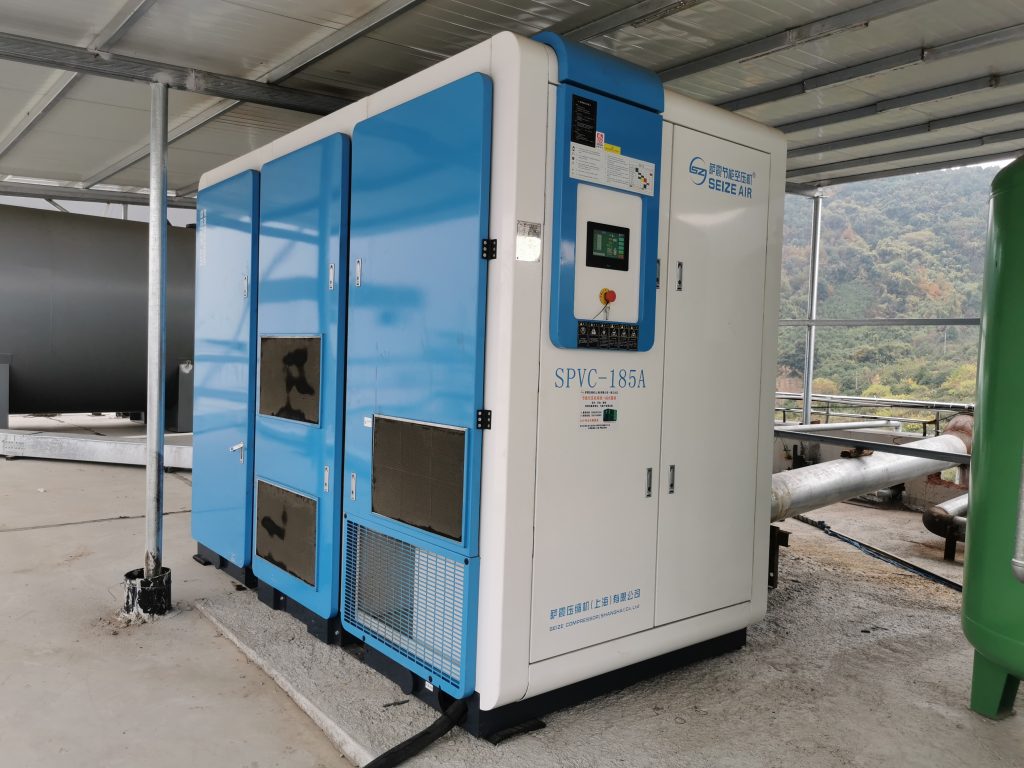
Seize specializes in custom-configured systems, including Permanent Magnet (PM) VFD and Oil-Free models, engineered to eliminate pressure fluctuations and minimize idle waste for your specific production line.
| Compressor Type | Best Application | Energy Savings vs. Standard | Est. Payback Period |
| VFD Rotary Screw | Fluctuating demand, 24/7 use | 15% – 35% | 1.5 – 2.5 Years |
| Two-Stage Fixed Speed | Constant, heavy-load demand | 10% – 15% | 2.0 – 3.0 Years |
2. Smart Controls & Automation
Manual operation often leads to unnecessary runtime and human error. Smart automation can cut waste by 10-30%:
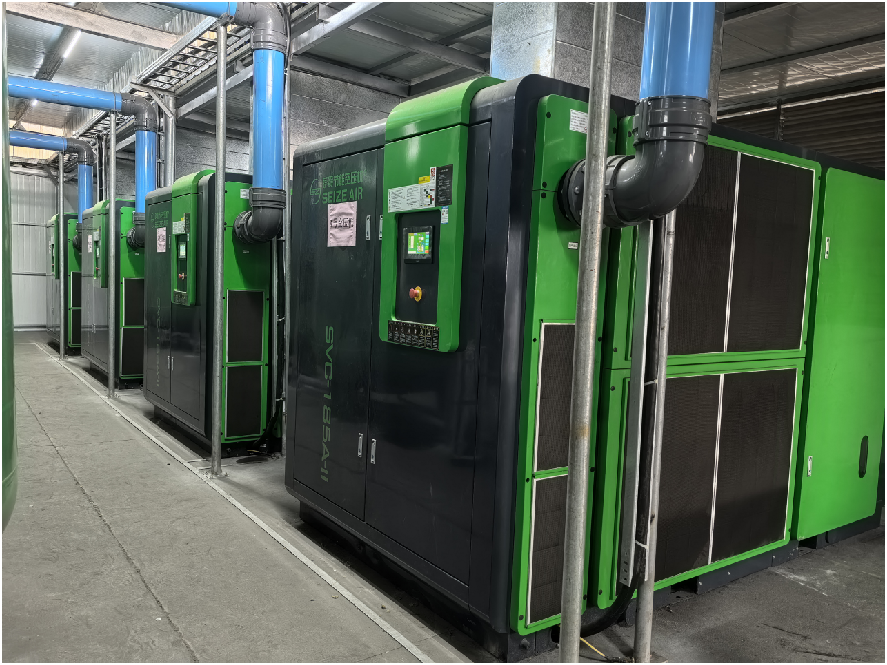
- Master Controllers (Sequence Control): In multi-compressor setups, these units act as the “brain,” ensuring the most efficient machine leads the load while keeping others off or in standby.
- Demand-Based Shutoff: Advanced sensors detect zero-demand periods (e.g., lunch breaks or shift changes) and safely shut down the system rather than allowing it to idle.
- Remote IoT Monitoring: Track kW/CFM metrics via mobile or desktop. Modern systems provide predictive alerts, allowing you to fix efficiency drops before they become costly failures.
3. Proactive Maintenance for Sustained Performance
“Reactive” maintenance (fixing things only when they break) is an efficiency killer. A proactive schedule preserves peak performance and extends equipment life by 30-50%.
The Core Maintenance Routine:
- Air Filters (Monthly): A clogged filter creates a pressure drop. For every 25 mbar of inlet pressure drop, energy efficiency decreases by ~1%.
- Oil & Fluid Management (2,000–4,000 hrs): High-quality synthetic lubricants reduce internal friction and improve the “sealing” of the screw rotors.
- Cooler Cleaning (Quarterly): Excess heat reduces air density and forces the compressor to work harder. Proper heat dissipation prevents “High-Temp” shutdowns and maintains optimal compression.
- Leak Detection (Bi-monthly): Small leaks are silent profit-killers. A single 3mm leak can cost over $2,000/year in wasted electricity.
4. Piping & System Layout Optimization
Poor piping causes friction, forcing the compressor to run at higher pressures to compensate for “Pressure Drop.”
- Material Matters: Switch to Anodized Aluminum or Stainless Steel. Unlike rusted carbon steel, these stay smooth internally, maintaining high flow rates for decades.
- The Loop Layout (Ring Main): Designing the pipe in a loop ensures air reaches any point from two directions, balancing pressure and reducing the need for high-pressure settings.
- Remove “Dead Legs”: Abandoned pipe sections create turbulence and trap moisture. Removing them cleans up the airflow and stabilizes system pressure.
5. Advanced Efficiency Strategies
Waste Heat Recovery
Industrial compressors convert roughly 80-90% of electrical energy into heat. Instead of venting it, heat recovery systems capture this energy to:
- Pre-heat boiler feed water.
- Provide space heating for the warehouse.
- Generate hot water for employee facilities.
- ROI: Most heat recovery kits pay for themselves in 1 year by offsetting natural gas or electric heating costs.
Cut Inappropriate Use
Compressed air is your most expensive utility. Stop wasting it on:
- Personal Cooling: Replace air hoses with high-velocity electric fans.
- Open Blow-offs: Use Venturi-effect nozzles that entrain ambient air, reducing compressed air consumption by up to 50%.
- Electric vs. Pneumatic Tools: For light-duty assembly, DC electric tools are 7x more energy-efficient than air-powered ones.
6. Real-World Case Studies
- Case 1: Metal Fabrication (The “Seize” Solution):A mid-sized plant replaced two aging 75kW units with one Seize 90kW VFD Two-Stage Compressor. Combined with a leak repair program, they reduced annual energy consumption by 32%, saving $32,400 per year.
- Case 2: Small Logistics Warehouse (Operational Fixes):By simply adding a larger storage receiver tank and implementing a scheduled weekend shutoff, the facility cut energy use by 18% with nearly zero capital expenditure.
7. Long-Term Efficiency KPI Tracking
You cannot manage what you do not measure. Track these metrics monthly:
Leakage Rate: Target under 10% of total capacity.
Specific Power: $kW$ per $100$ $CFM$ (The “Gas Mileage” of your compressor).
System Pressure Drop: Target under 5 PSI from tank to tool.
Final Thoughts
Industrial air compressor energy costs don’t have to be a permanent burden. By starting with quick leak and pressure fixes, moving to targeted upgrades, and sticking to proactive maintenance, you can cut energy waste by 20-50% and enjoy consistent cost savings, better uptime and a more sustainable operation. Every efficiency step delivers lasting value for your facility and bottom line.