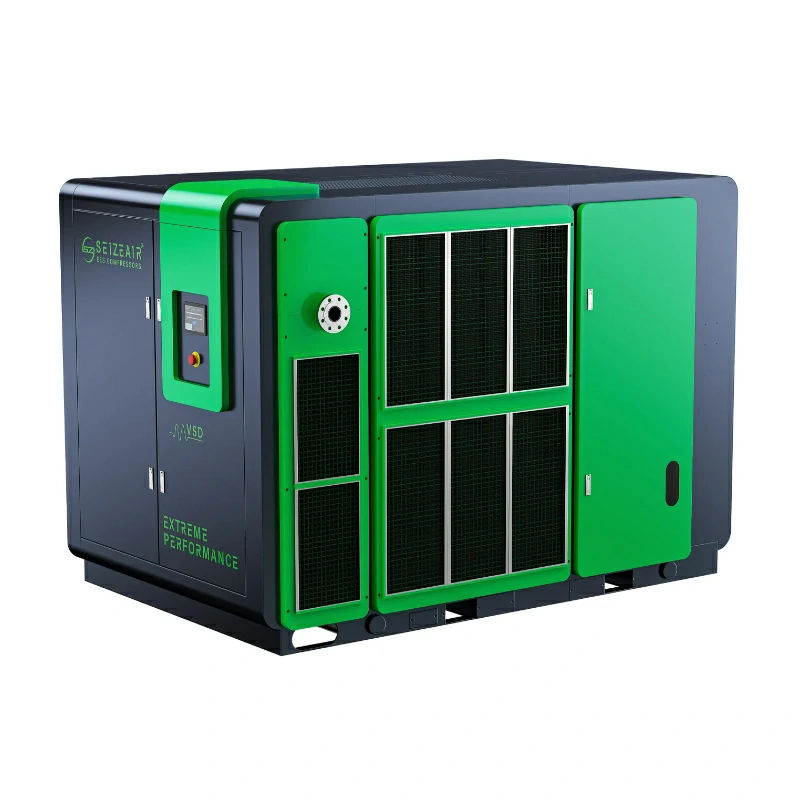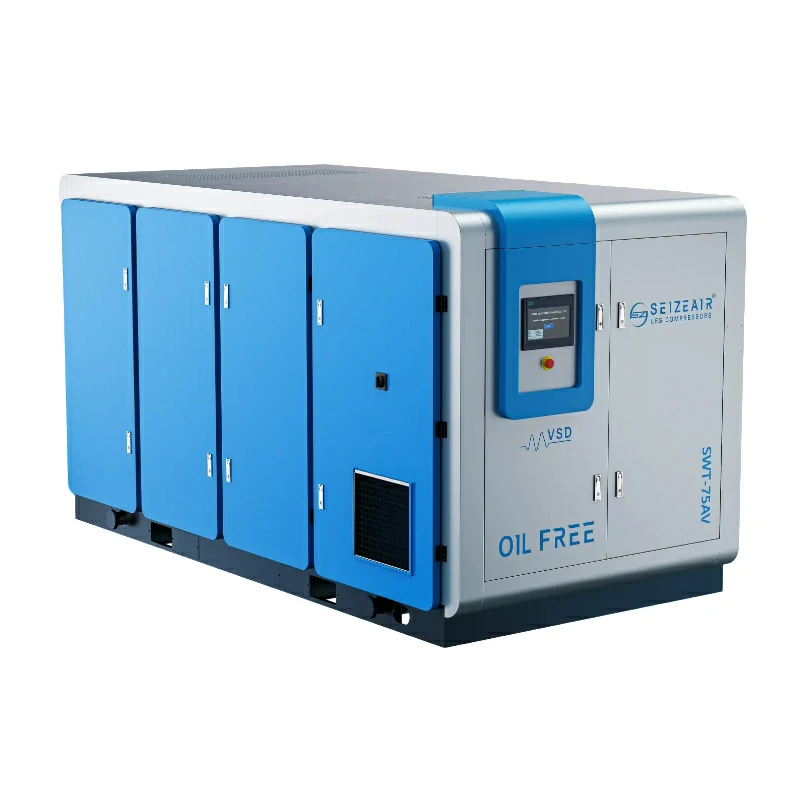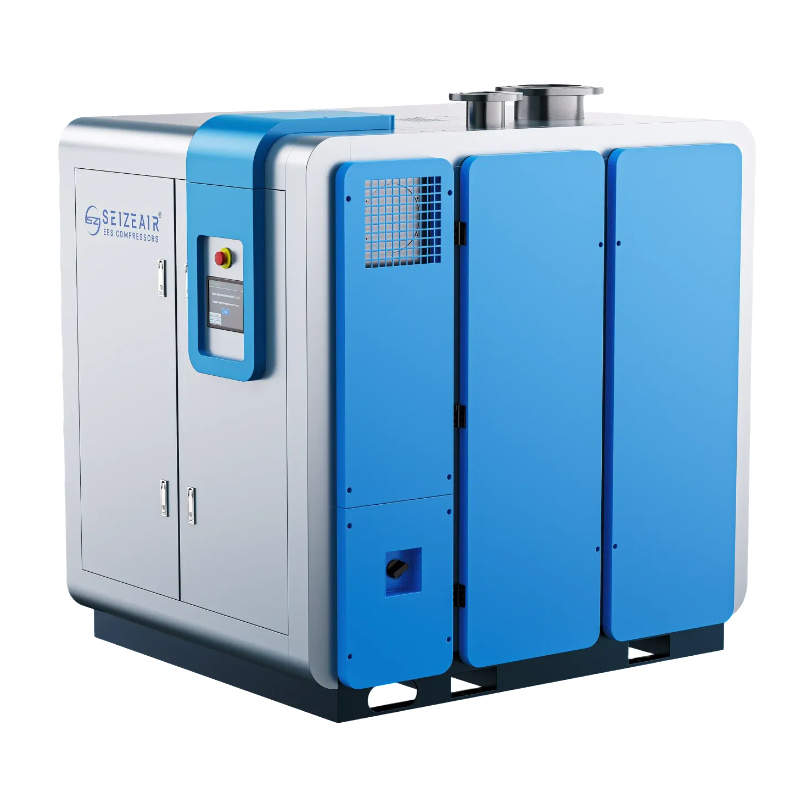


Investing in an industrial air compressor is a strategic decision. Compressed air systems are critical in industries such as manufacturing, construction, food processing, and pharmaceuticals. Selecting the right compressor is not just about upfront cost—it’s about long-term efficiency, maintenance, and reliability.
In this guide, we’ll break down the factors influencing the cost of industrial air compressors, including equipment type, size, energy efficiency, installation, and maintenance. We’ll also include real-world examples and practical insights to help businesses plan their investment wisely. Seize compressors will be highlighted as examples of efficient, reliable solutions.
What Are the Main Factors Affecting Industrial Air Compressor Prices?
Several factors determine the cost of an industrial air compressor, and understanding them can help businesses make smarter investment decisions.
Compressor Type and Size
The type of compressor you choose significantly impacts the price:
| Compressor Type | Typical Price Range | Key Features |
|---|---|---|
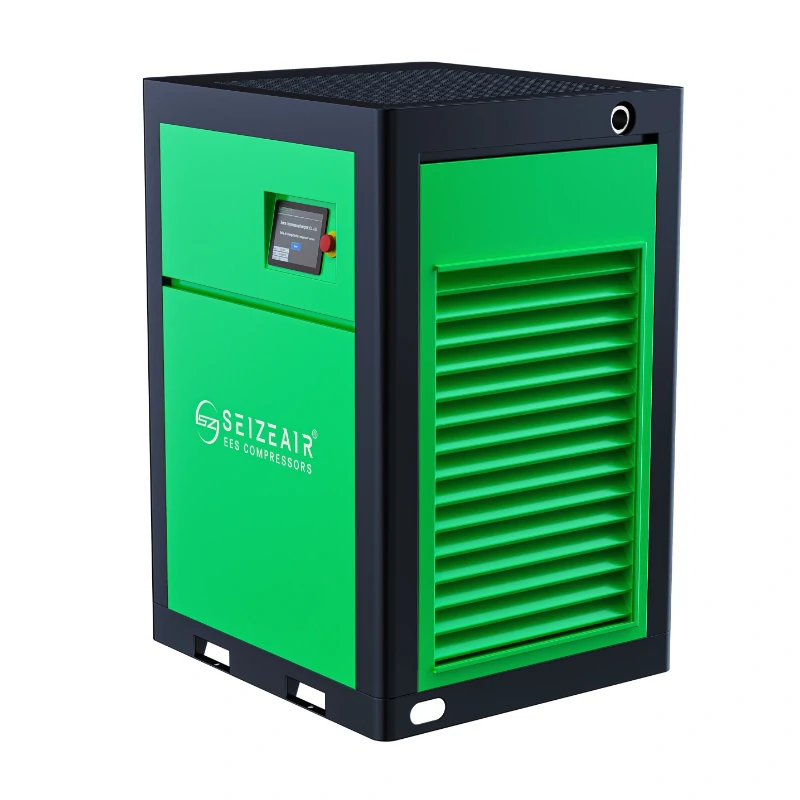
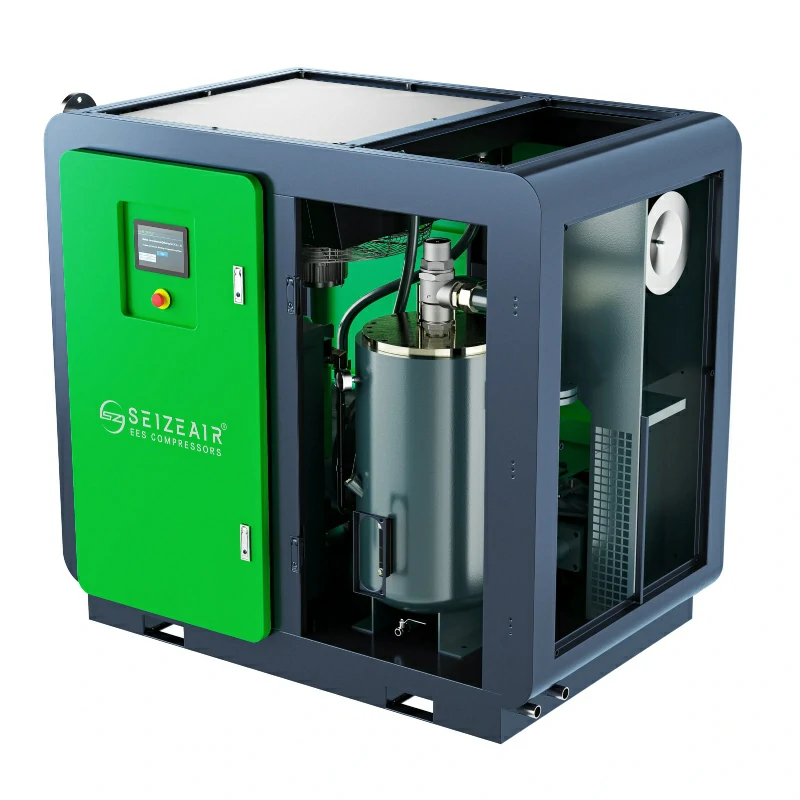
| Screw Air Compressor | $10,000 – $100,000 | Continuous operation, quiet, high efficiency |
| Piston Compressor | $2,000 – $25,000 | Intermittent use, smaller facilities |
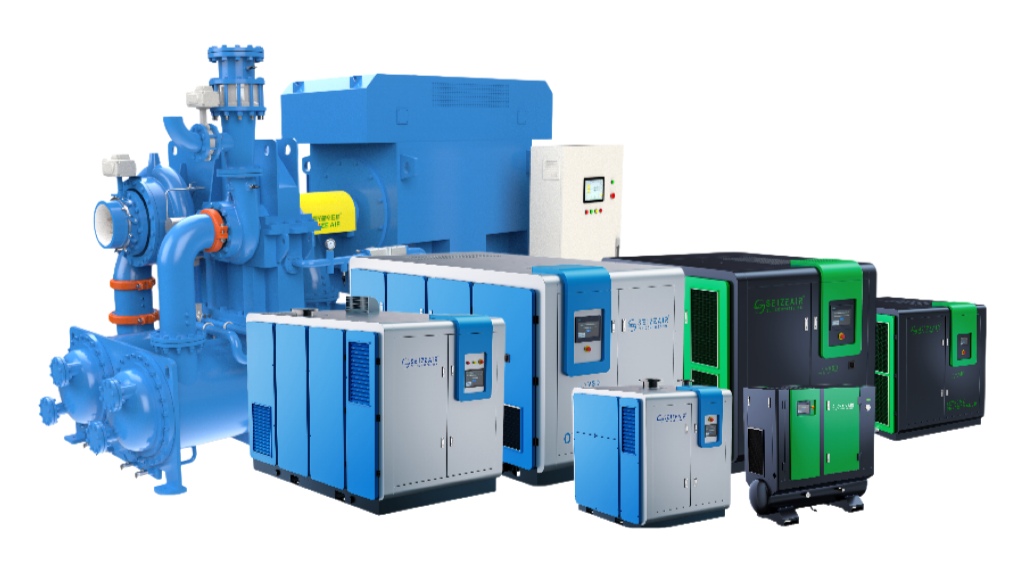
| Centrifugal Air Compressor | $50,000 – $500,000 | High flow, large-scale industrial |
| Portable Compressor | $5,000 – $50,000 | Flexible, mobile for temporary sites |
Screw compressors are popular for continuous industrial applications due to their efficiency and low noise. Piston compressors are ideal for smaller operations or intermittent use, offering a lower upfront cost. Centrifugal compressors suit high-capacity plants, though the investment is significant. Portable compressors are versatile for temporary sites, construction, or maintenance tasks.
Seize offers a full spectrum of compressors across all categories, enabling businesses to select the appropriate capacity and type without overpaying for features they don’t need.
Power and Airflow Requirements
The required horsepower (HP) and airflow (CFM) dictate both the size and cost of a compressor. Higher flow and pressure capabilities demand more robust machinery, which increases upfront investment. It’s essential to match compressor capacity to actual production needs: oversizing can lead to unnecessary energy consumption and higher operational costs, while undersizing risks operational inefficiency or downtime.
A detailed air demand analysis—including peak usage, average load, and future expansion plans—is critical before committing to any purchase.
Energy Efficiency
Energy-efficient models, including VFD (variable frequency drive) compressors or permanent magnet motors, usually have a higher upfront cost but can lead to substantial savings in electricity bills.
- VFD Compressors: Adjust motor speed based on demand, reducing energy waste during low-load periods.
- Heat Recovery: Captures exhaust heat for use in plant heating or process water, reducing overall energy costs.
- Smart Monitoring: Sensors and remote monitoring allow operators to optimize runtime, reducing energy consumption.
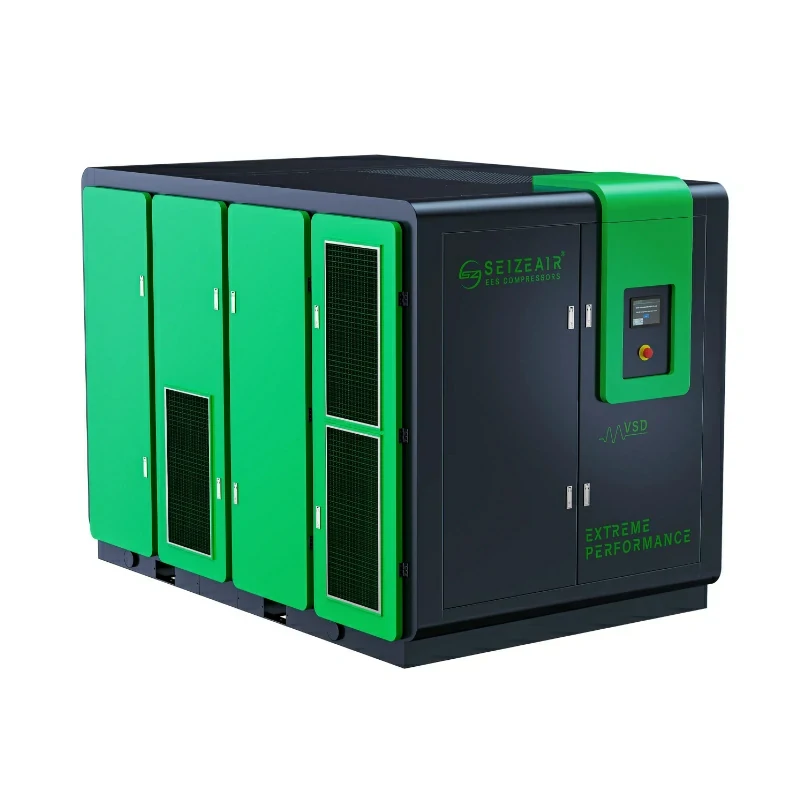
For example, factories using Seize VSD screw compressors have achieved around 15–20% reductions in annual energy consumption. Over a five-year period, these savings can offset the higher purchase price.
How Do Installation and Site Conditions Affect Price?
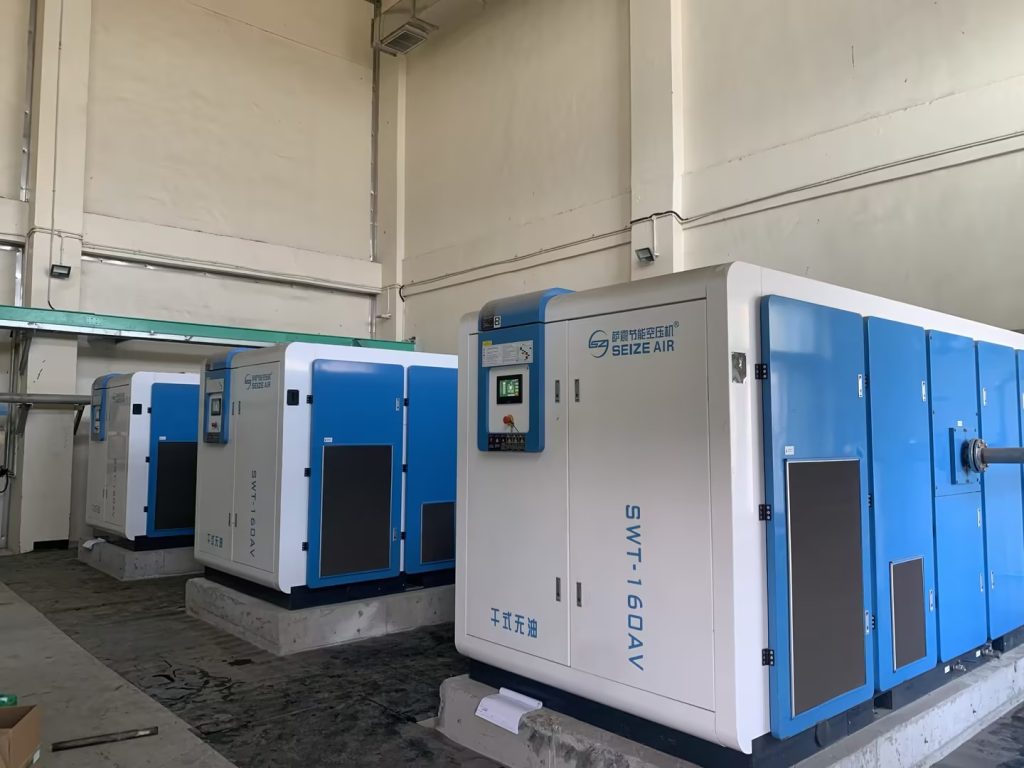
Beyond the equipment itself, installation and site conditions are often underestimated cost factors. Proper installation ensures the system operates efficiently and safely, while poor setup can lead to reduced lifespan and higher energy usage.
- Foundation and Vibration Isolation: Larger compressors may require reinforced concrete foundations, vibration-damping mounts, and precise leveling to prevent excessive wear and noise.
- Piping Layout and Length: Longer pipe runs, sharp bends, or improper diameters can cause pressure drops and increase energy consumption. Optimized piping design is critical for cost-effective operation.
- Electrical Requirements: High-capacity compressors may require dedicated circuits, step-up transformers, or special power distribution equipment, which can add thousands to installation costs.
- Commissioning and Testing: Proper commissioning, including load testing, calibration, and integration with existing plant systems, ensures the compressor operates at peak efficiency.
Practical Tip: Companies that budget for professional installation upfront often save on energy and maintenance costs later. Seize full-service approach includes foundation assessment, installation, and commissioning, helping clients avoid costly mistakes and maximize efficiency from day one.
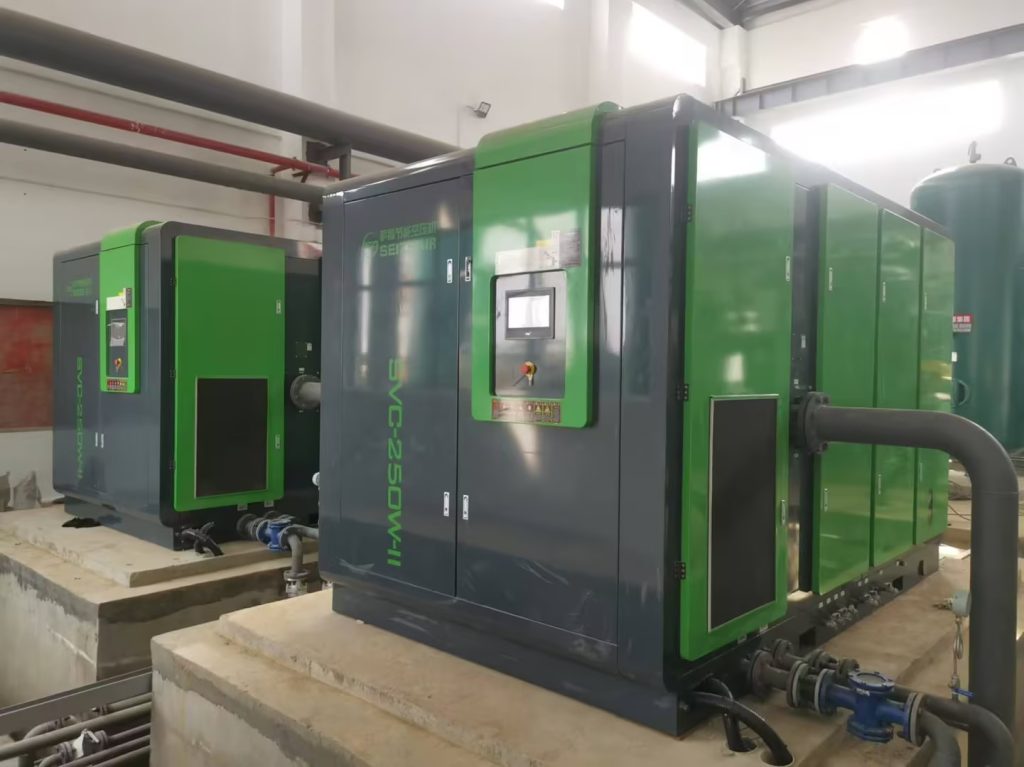
Maintenance and Lifecycle Costs: The Hidden Part of the Price
The total cost of an industrial air compressor goes far beyond the purchase price. Operational expenses, maintenance, and reliability are key factors in long-term budgeting.
- Routine Maintenance: Regular tasks such as replacing filters, lubricating moving parts, and inspecting belts and couplings prevent minor issues from escalating.
- Preventive Maintenance: Using vibration and temperature monitoring tools allows operators to predict potential failures before they occur, minimizing unplanned downtime.
- Parts Replacement and Inventory: Having essential spare parts on hand ensures quick repairs and continuous operation, which is critical for high-production environments.
- Energy Costs: Compressors can account for 10–20% of a facility’s total energy use. Optimizing compressor efficiency can lead to significant annual savings.
For example, a medium-sized manufacturing plant using a conventional screw compressor might spend $4,500 annually on energy. Upgrading to a VSD-enabled Seize compressor and implementing smart monitoring could reduce that by around $700–$1,000 per year, adding up to substantial savings over the life of the equipment.
Additional Consideration: Total cost of ownership (TCO) analysis helps facilities weigh upfront purchase costs against energy savings, maintenance, downtime avoidance, and productivity gains, providing a clearer picture for investment decisions.
Other Factors That Influence Industrial Air Compressor Cost
Brand Reputation and Warranty
Recognized brands often command higher prices, but they offer long-term reliability, parts availability, and service support. A strong warranty mitigates risk and protects the investment. Seize global presence and warranty services ensure that spare parts and technical support are readily accessible.
Optional Features and Upgrades
Investing in optional equipment can increase initial costs but often pays off in efficiency and safety:
- Remote monitoring and automation
- Noise reduction enclosures
- Heat recovery systems
- Customized control panels for specific industrial processes
Market and Supply Considerations
Material costs, global supply chain fluctuations, and demand can affect compressor prices, especially for large-capacity centrifugal units or specialized high-efficiency models. Businesses should consider lead times and potential market variations when budgeting for large-scale purchases.
Real-World Cost Comparison
| Scenario | Equipment Type | Initial Cost | Annual Energy Cost | Maintenance Cost | Notes |
|---|---|---|---|---|---|
| Small workshop | Piston Compressor | $5,000 | $1,200 | $200 | Low usage, intermittent operation |
| Medium factory | Screw Compressor | $35,000 | $4,500 | $800 | Continuous operation, efficiency savings from VFD |
| Large industrial plant | Centrifugal Compressor | $200,000 | $25,000 | $5,000 | High-flow application, long-term energy savings justify higher upfront cost |
This table illustrates that upfront price is only one component; energy use, maintenance, and operational reliability heavily influence total costs over time.
Tips to Optimize Costs Without Compromising Performance
- Conduct a detailed air demand analysis before sizing the compressor. Oversizing leads to wasted energy.
- Consider VFD or energy-efficient models for facilities with high operating hours.
- Include installation, commissioning, and maintenance costs in your budget.
- Partner with suppliers offering full support and spare parts availability.
Seize’s full-service approach—from audit to installation and monitoring—helps clients make informed decisions, ensuring long-term cost-effectiveness.
Conclusion
The cost of an industrial air compressor is influenced by multiple factors: type, size, airflow, energy efficiency, installation, maintenance, brand, and optional features. Considering the total cost of ownership—including energy use, maintenance, and operational reliability—is critical for sustainable savings.
Working with a professional supplier like Seize ensures access to high-quality compressors, expert guidance, and ongoing support, helping businesses achieve efficient, reliable, and cost-effective compressed air systems.