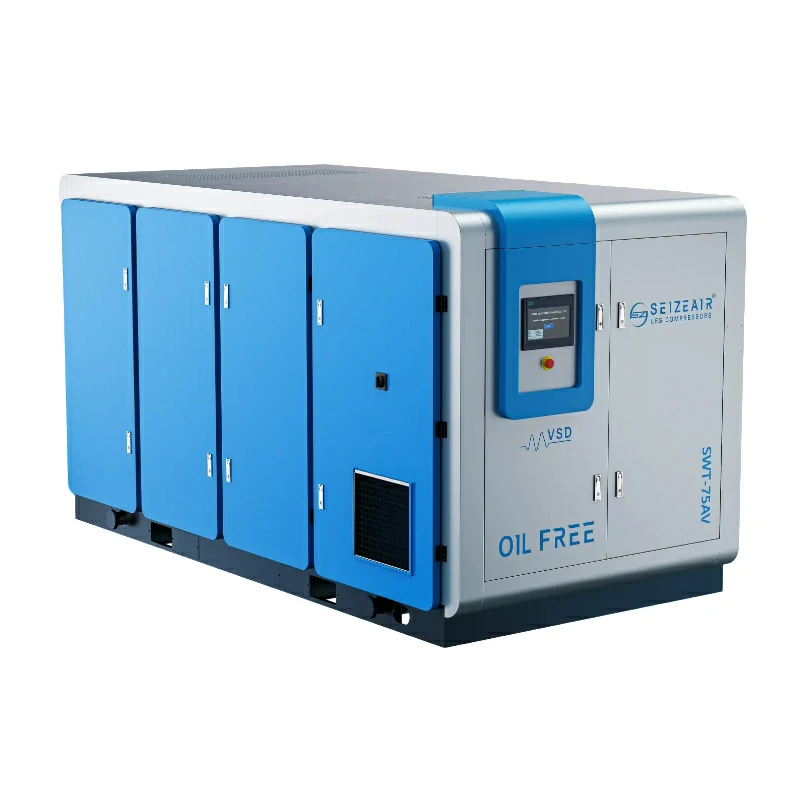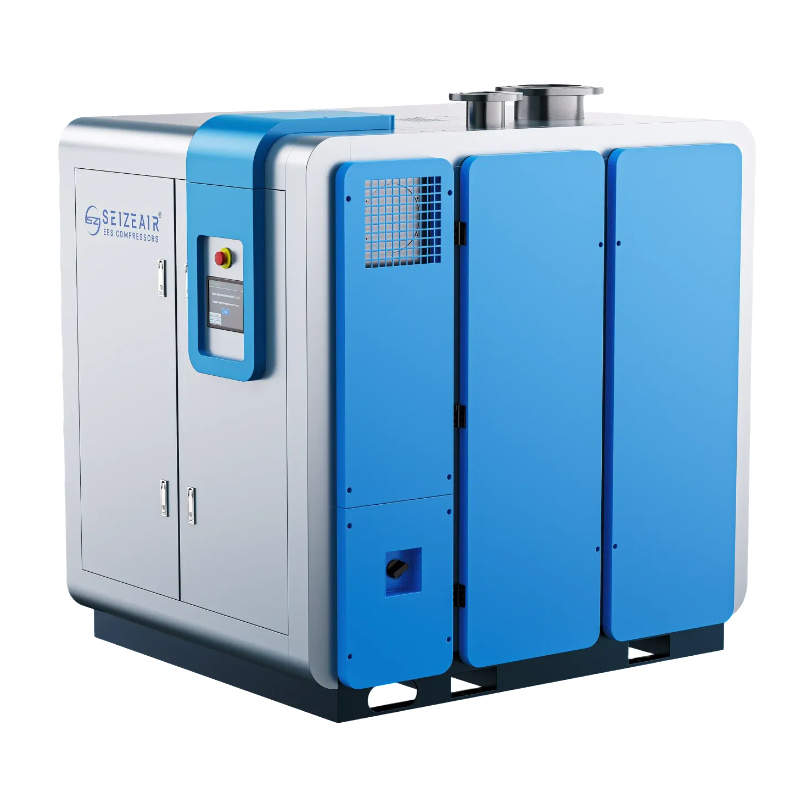


In high-stakes healthcare environments, the quality of air is just as critical as the precision of a surgical scalpel. When we talk about a medical air compressor, we aren’t just discussing a piece of industrial machinery; we are talking about a life-support component. Whether it is powering ventilators in an ICU or driving high-speed dental drills, the purity of that compressed air is non-negotiable.
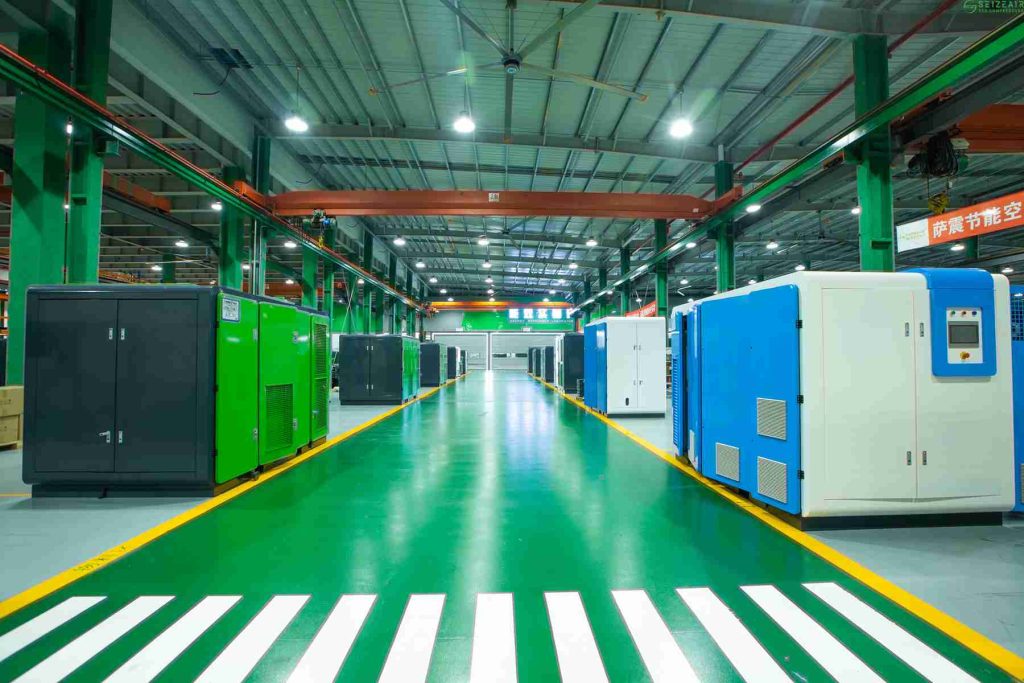
What are the specific requirements for a medical air compressor in a hospital?
If you’ve spent any time on a hospital plant room floor, you know that not all air is created equal. A standard industrial compressor is built for power and grit; a medical air compressor is built for biological safety and NFPA 99 compliant medical air standards. The primary distinction lies in contaminant control. Traditional compressors use oil for lubrication, which inevitably leads to “oil carryover”—microscopic droplets of lubricant entering the air stream.
In a clinical setting, this isn’t just a technical glitch; it’s a catastrophic risk. Oil-free medical grade air systems aren’t just a “cleaner” option—they provide a physical barrier against chemical contamination. By using self-lubricating materials like Teflon-coated pistons or advanced scroll designs, these systems ensure that the air delivered to patients is 100% free of hydrocarbon aerosols. We aren’t just hitting a target; we are eliminating a variable that shouldn’t exist in a clinical environment. For a multi-stage medical air plant, the redundancy must be absolute. If one pump goes down for maintenance, the secondary unit must pick up the load without a millisecond of pressure drop. This is why we focus on duplex oil-free scroll systems for mid-sized clinics; they offer the perfect balance of footprint and fail-safe reliability.
Technical Deep Dive: Oil-Free vs. Oil-Lubricated Performance
| Feature | Oil-Free Medical Compressor | Oil-Lubricated (Standard) | Operational Impact |
| ISO 8573-1 Purity | Class 0 (Guaranteed Zero Oil) | Class 1-3 (Trace Aerosols) | Critical for respiratory health |
| Lubrication Method | Self-lubricating polymers/Dry | Hydrocarbon-based oils | Zero risk of oil carbonization |
| Filtration Burden | Minimal (Dust only) | Heavy (Coalescing filters) | Lower pressure drop, lower energy |
| Risk of Carryover | Absolute Zero | Potential for “slugs” of oil | Prevents clinical contamination |
| Maintenance Cycle | Periodic mechanical checks | Frequent oil/filter swaps | Higher uptime for critical care |
| Noise Levels | 48-60 dB (Scroll models) | 75-85 dB (Piston models) | Patient comfort & staff focus |
Why is oil-free compressed air critical for patient safety?
From a system integrator’s perspective, oil is a nightmare. From a doctor’s perspective, it’s a hazard. To understand why oil-less medical air technology is the gold standard, we must look at the three primary risks that keep facility managers up at night:
- The Biological Threat: Oil provides a “food source” for bacteria. In moist environments (like compressed air lines), oil residue can lead to biofilm buildup. This turns the entire piping system of a hospital into a breeding ground for pathogens like Legionella or Pseudomonas that are incredibly difficult to flush out once established.
- Chemical Pneumonia & Patient Health: When air is delivered directly into the lungs via a ventilator, the body’s natural filters (the nose and throat) are bypassed. Oil vapors can cause acute respiratory irritation or chemical pneumonia. There is zero room for error here.
- The Infrastructure Decay: Oil-laden air doesn’t just hurt people; it eats the system. It degrades the seals in medical gas outlets, gums up the intricate valves of high-end ventilators, and destroys the fiber optics in dental handpieces.
Reliable manufacturers like Seize Air prioritize these safety protocols by engineering systems that exceed international purity standards. By removing the oil, you remove the liability. Furthermore, when considering medical air compressor maintenance costs, the absence of oil disposal fees and the reduced frequency of filter replacements significantly offset the initial investment. We often see facilities struggling with “yellow air” at the terminal units—this is almost always a sign of a failing oil-lubricated system that has saturated its filtration. Moving to an oil-free platform eliminates this “ticking time bomb” from your facility’s infrastructure.
Is a dental air compressor the same as a medical air compressor?
One of the most frequent questions we see in PAA (People Also Ask) searches is regarding the overlap between these two categories. While both fall under the oil-free compressed air umbrella, the requirements differ in scale, pressure, and redundancy.
- Dental Air Compressors: These are often “Point of Use” or small-scale systems. The focus here is on dry, oil-free air to ensure that dental adhesives bond correctly. If there is oil in your air, that $2,000 crown isn’t going to stay in place. Many practitioners look for ultra-quiet dental air compressors because the unit is often located in a closet near the operatory.
- Hospital Medical Air Systems: These are the heavy lifters. We are talking about multiplex systems—Triplex or Quadruplex configurations. They must be designed with “N+1” redundancy, meaning if the largest compressor in the bank fails, the remaining units must still be able to provide 100% of the peak calculated demand.
In a central medical gas system, the compressor is only part of the story. You also have the medical air dryer (typically desiccant) and the filtration stack. For a decision-maker, understanding the difference between a “hobbyist” oil-free pump and a medical-grade scroll compressor is vital. The latter is rated for a 100% duty cycle, meaning it can run 24/7 without overheating or losing efficiency, which is a baseline requirement for any ICU-supportive environment.
What are the ISO 8573-1 and NFPA 99 standards for medical air?
If you’re making the final call on a procurement contract, you need to look past the marketing gloss and look at the certifications. A high-quality medical air compressor must meet specific global benchmarks that aren’t just suggestions—they are legal requirements in many jurisdictions.
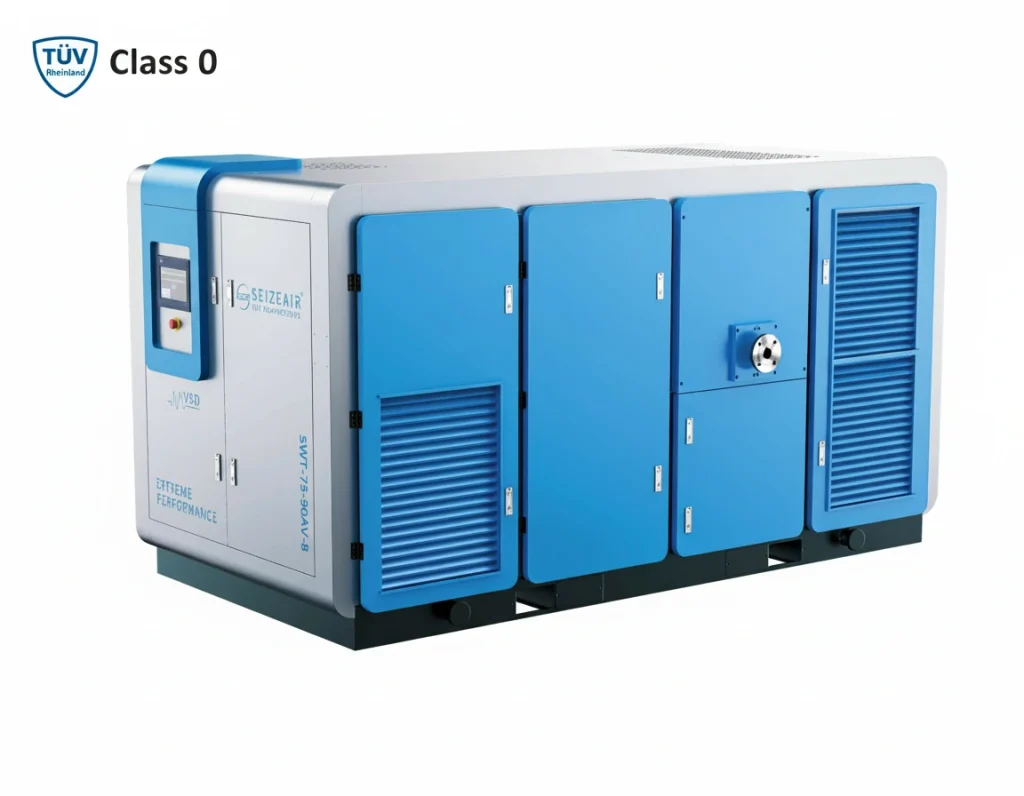
- ISO 8573-1 Class 0: Don’t settle for “Technically Oil-Free.” Class 0 is the most stringent class. It means the manufacturer has been tested by a third party (like TÜV) and proven to have zero oil in the air stream, including vapor. This is the only way to guarantee Class 0 certified oil-free air for neonatal and surgical applications.
- NFPA 99: This is the Bible for US healthcare facilities. It dictates that medical air must be produced by compressors designed specifically for that purpose. It mandates specific source valve locations, redundant dryers, and a sophisticated control cabinet that monitors CO, CO2, and dew point in real-time.
When we integrate a Seize Air system, we look at the entire “purity chain.” It’s not just about the pump; it’s about the medical air receiver tank having an internal epoxy coating to prevent corrosion and the high-temperature alarm sensors that shut the system down before any charred particles can enter the distribution lines. Engineers should also pay close attention to the intake air location—NFPA 99 is very strict about ensuring the compressor isn’t sucking in ambulance exhaust or cooling tower vapors.
Which compressor technology is best: Scroll, Piston, or Tooth?
| Technology | Best For | Noise Level | Maintenance Needs | Efficiency at Partial Load |
| Oil-Free Piston | Dental Clinics / Small Labs | High (75dB+) | Moderate (Valves/Rings) | Poor (Start/Stop only) |
| Oil-Free Scroll | Modern Hospitals / Surgery | Extremely Low (48dB) | Low (Tip seals) | Excellent (Multi-unit) |
| Water-Injected Screw | Large Scale Facilities | Low (65dB) | High (Water treatment) | Good (VSD) |
| Oil-Free Tooth | Industrial Medical Prep | Moderate | Low | Moderate |
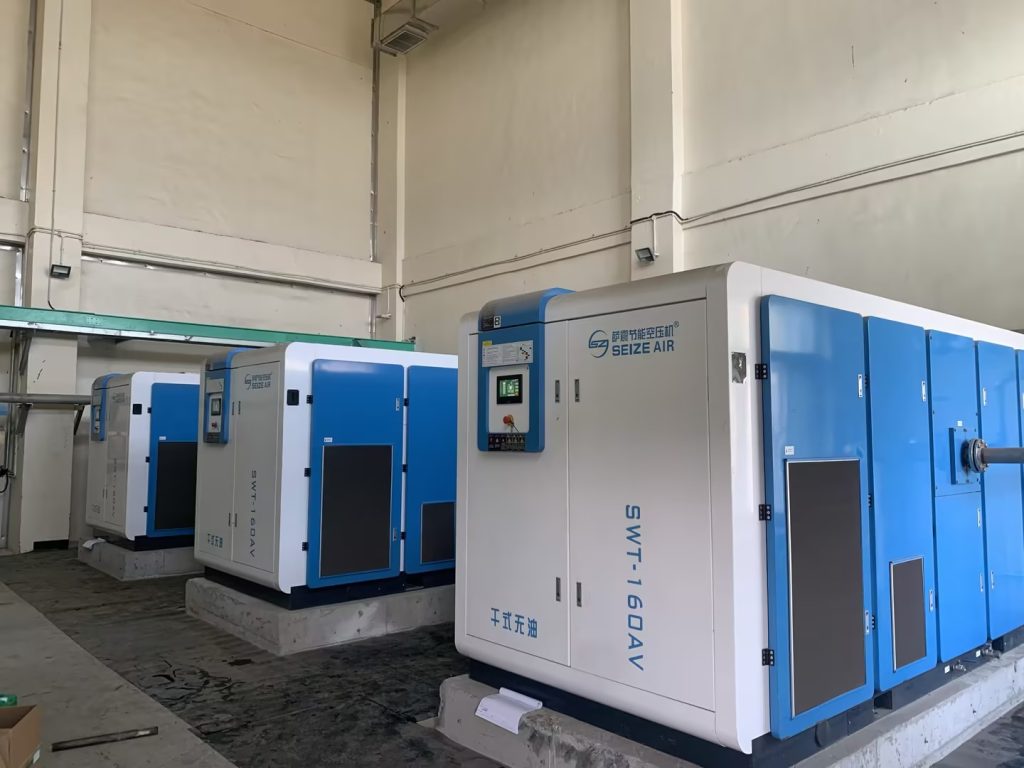
For facilities looking to modernize, Seize Air offers advanced oil-free scroll configurations. From an engineer’s standpoint, the scroll is the “Holy Grail” of medical air. Unlike a piston that hammers away, a scroll uses two interleaving spirals to compress air. This results in fewer moving parts, zero vibration (which saves your piping joints from fatigue), and a noise profile that won’t disturb patients in adjacent rooms. If you are designing a quiet medical air system for a clinic where space is a premium, the scroll technology is your only logical choice.
How to calculate the ROI on a high-efficiency medical air system?
The most common pushback from the finance department is the initial price tag. Yes, a medical air compressor price for an oil-free unit is higher than a standard shop compressor. But if you look at the 10-year lifecycle, the “cheaper” oil-lubricated unit is a fiscal disaster.
- Elimination of Hazardous Waste: You aren’t paying for oil changes or the specialized disposal of oil-contaminated condensate, which is increasingly regulated under environmental laws.
- Energy Savings through VSD: Modern units, like those engineered by Seize Air, often utilize Permanent Magnet Variable Speed Drive (VSD) technology. Traditional compressors are either “on” or “off.” A VSD medical air compressor adjusts its motor speed to match the hospital’s actual air demand. At 3 AM when only the ER is active, the machine slows down, saving thousands in annual electricity costs.
- Protecting Downstream Assets: A $50,000 ventilator can be ruined by $5 worth of oil carryover. The oil-free compressor is effectively an insurance policy for your most expensive medical assets.
Furthermore, consider the uptime reliability. In an oil-free scroll system, if one scroll element requires service, the other three in a quad-system keep running. You don’t have to shut down the whole hospital for a simple seal change. This “fractional redundancy” is what makes Seize Air a favorite among system integrators who hate getting 2 AM emergency calls.
What should I look for in a medical air compressor manufacturer?
Don’t buy a compressor from a company that primarily makes tools for auto shops or construction sites. When sourcing a medical air compressor, evaluate the manufacturer on these three pillars:
- Clinical Specialization: Do they understand ISO 13485? Do they provide the documentation needed for the Joint Commission (JCAHO) or equivalent health inspections?
- Smart Control Logic: Is the control system “smart” enough to rotate lead/lag pumps to ensure even wear? Does it have a BMS (Building Management System) interface for remote monitoring?
- After-Sales Response: When a medical air system goes down, you don’t have 24 hours. You have minutes.
The integration of IoT and smart monitoring is the next frontier. Many modern systems, including the high-performance lines from Seize Air, now include remote monitoring. This allows facility managers to see real-time dew point levels and motor health from their smartphones, shifting from “reactive” to “predictive” maintenance. If the dew point starts to creep up, you get a notification before moisture hits the patient lines. This level of oversight is what differentiates a standard utility from a true medical air solution.
Conclusion
In the healthcare sector, “good enough” is never enough. The transition to oil-free technology is a move toward absolute reliability and patient safety. By eliminating the risk of oil contamination, healthcare facilities protect their patients, their expensive medical equipment, and their reputation. Investing in a high-quality medical air compressor isn’t just a utility purchase—it’s a commitment to the highest standard of care.