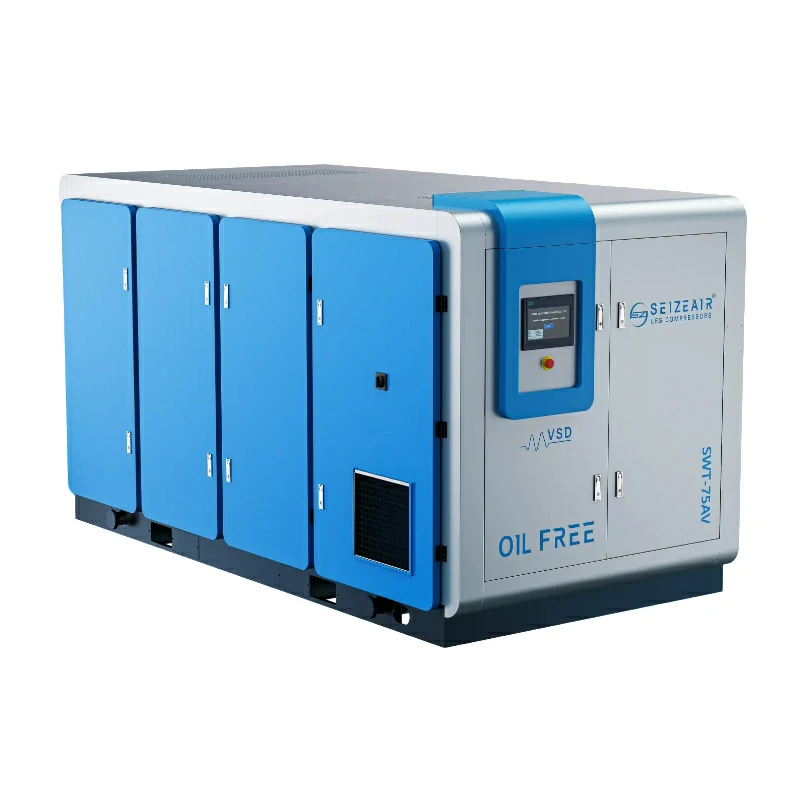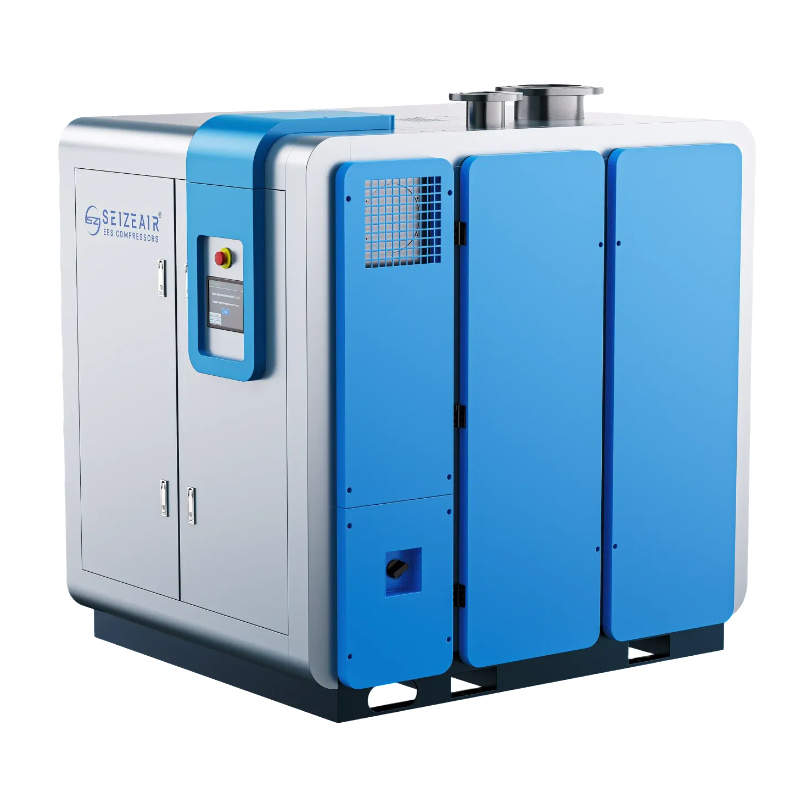


In industries like manufacturing, automotive repair, and construction, air compressors are essential equipment. Choosing the right type can directly impact both operational efficiency and costs. Many companies struggle with the decision: variable speed or fixed speed air compressors? What’s the real difference, which type fits your specific work conditions, and is investing in a variable speed air compressor really worth it?
This article breaks down the key differences, applications, and cost-effectiveness of both types, using real-world data and examples. We’ll also highlight Seize’s expertise and experience with both types of compressors to help you make an informed choice.
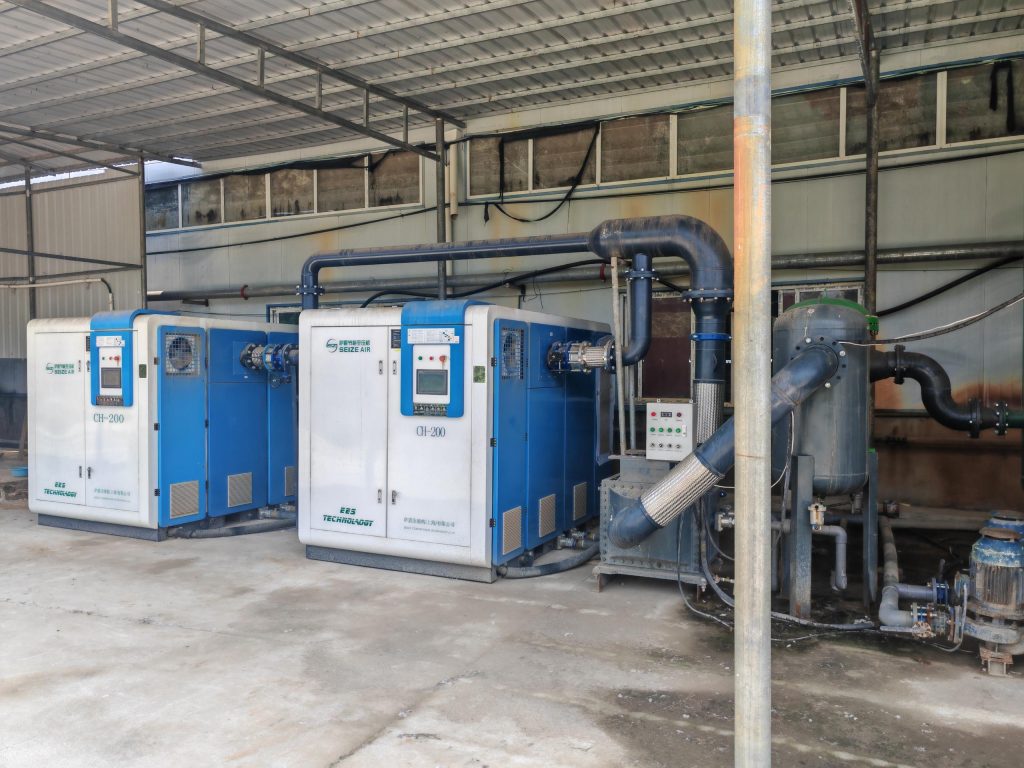
What Is the Difference Between Variable Speed and Fixed Speed Air Compressors?
The most fundamental difference lies in how the compressors control motor speed. This distinction drives variations in energy consumption, adaptability, maintenance requirements, and overall performance.
Fixed Speed Air Compressors
Fixed speed compressors operate in a simple and straightforward way: the motor runs at a constant speed. Air delivery is managed through a load/unload cycle. When system pressure reaches the upper limit, the compressor unloads—meaning the motor keeps running but produces no compressed air, consuming only the “idle energy” needed to stay operational. When pressure drops to the lower threshold, the compressor reloads and resumes full output.
Advantages of fixed speed compressors include:
- Simple structure and mature technology
- Reliable across various production environments
- Lower initial purchase cost
Variable Speed Air Compressors
A variable speed air compressor uses variable frequency drive (VFD) technology to continuously adjust motor speed based on actual air demand. When demand is high, the motor speeds up to increase output; when demand drops, the motor slows down, reducing energy consumption. At low loads, it can maintain very low speeds without frequent load/unload cycles.
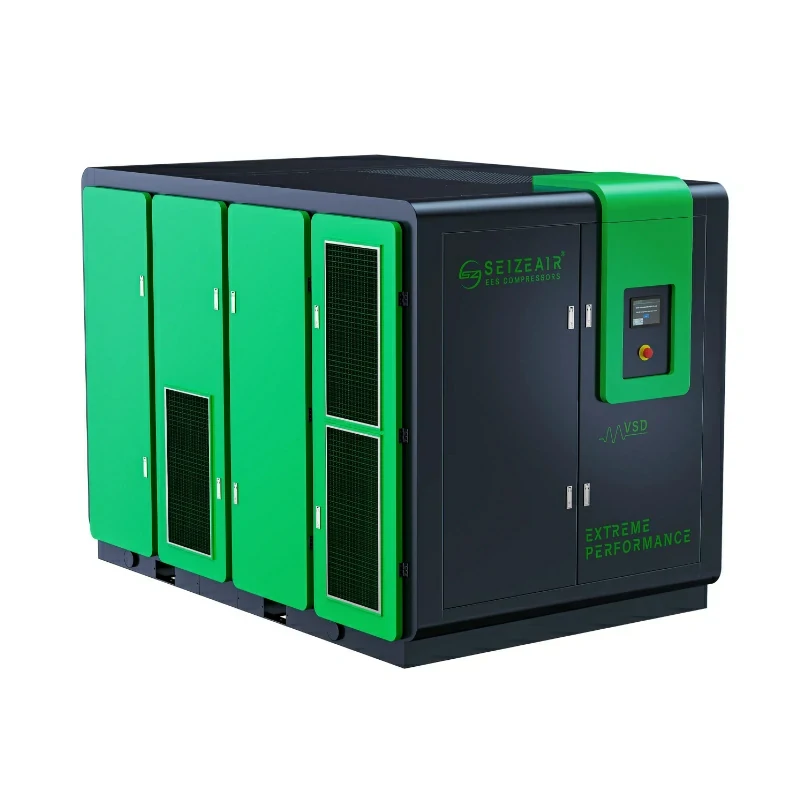
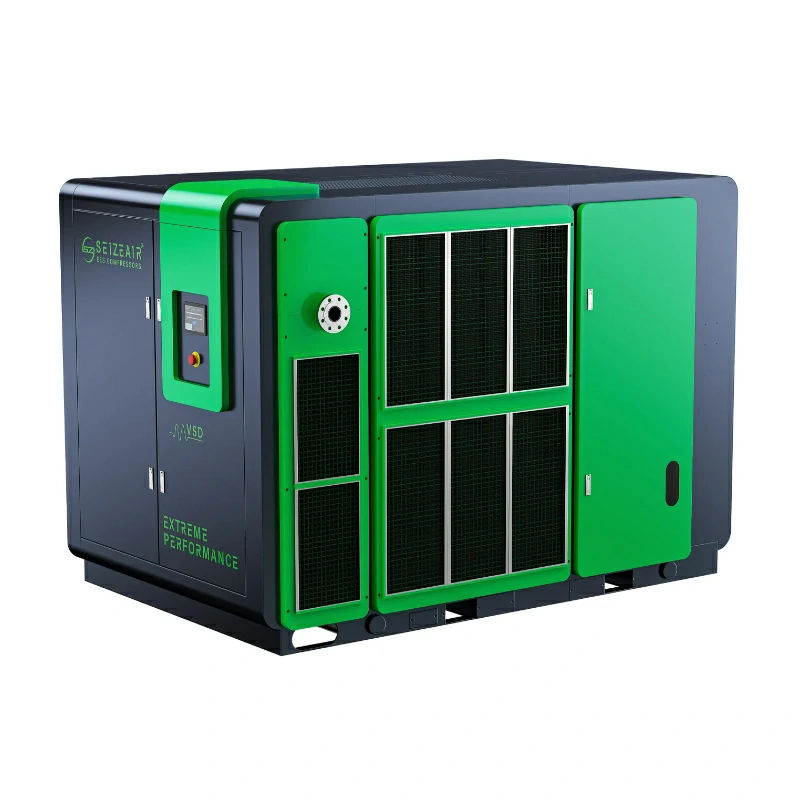
This “on-demand” approach solves the high idle energy problem of fixed speed compressors and provides more precise pressure control. Seize’s variable speed compressors further optimize the VFD system and use high-efficiency permanent magnet synchronous motors, maximizing energy conversion efficiency and operational stability.
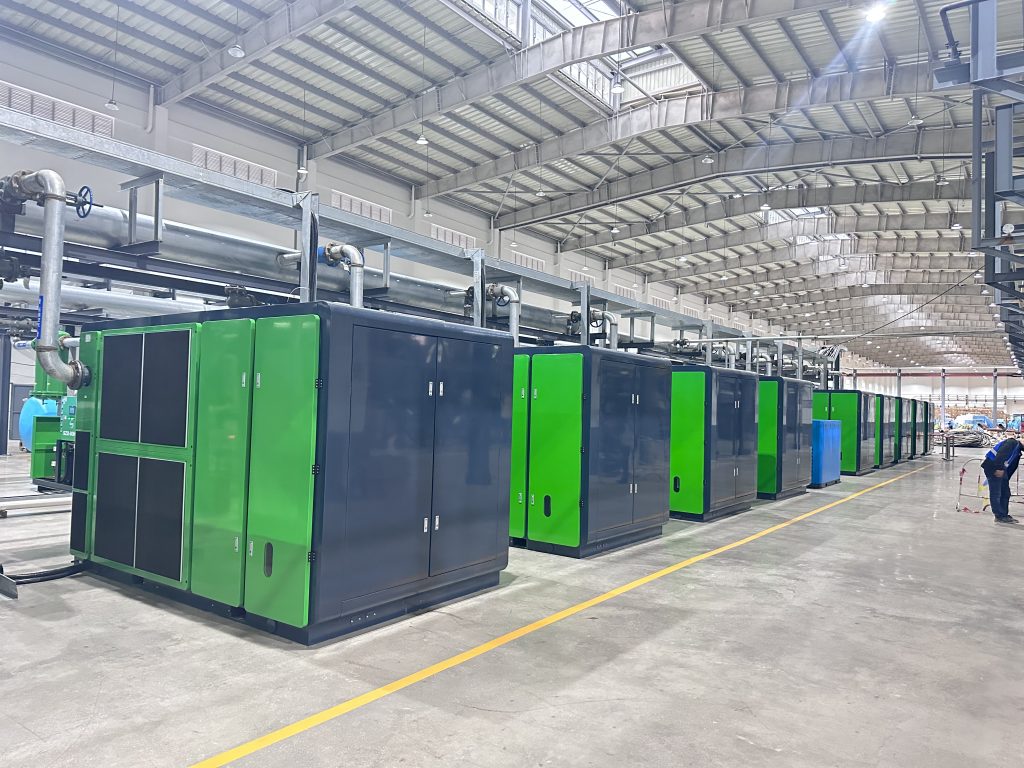
Key Differences at a Glance
| Comparison Factor | Fixed Speed Air Compressors | Variable Speed Air Compressors (Seize) |
|---|---|---|
| Motor Speed Control | Fixed, no adjustment | Variable (20%-100%) |
| Energy Consumption | Idle power 30%-50%, inefficient in fluctuating conditions | Virtually no idle power, average energy savings 30%-50% (measured) |
| Pressure Accuracy | ±0.2–0.5 MPa fluctuation | ±0.01–0.05 MPa, high precision |
| Initial Cost | Lower (60%-70% of comparable VSD) | Higher (more expensive core components) |
| Maintenance Cost | Easy, inexpensive parts; moderate long-term | Slightly higher initially, but lower long-term due to smooth operation |
| Best Fit | Stable demand, ≥70% load, continuous operation | Fluctuating demand, 20%-70% load, high-precision applications |
| Start-up Impact | High inrush current (5-7× rated) | Soft start, smooth current, grid-friendly |
When to Choose Variable Speed Air Compressors
The main benefits of a variable speed air compressor are energy savings and adaptability to fluctuating demand. Seize has numerous successful applications in the following scenarios:
1. Intermittent Production with Highly Variable Air Demand
Typical examples include:
- Automotive parts factories (stamping and welding alternate, air demand fluctuates)
- Furniture manufacturing (intermittent painting, long standby periods)
- Small electronics assembly (air tools used intermittently)
Case Study: A mid-sized automotive parts manufacturer had two 15kW fixed speed compressors for stamping and welding. Daily low-load periods of 4-6 hours caused frequent load/unload cycles, consuming ~280 kWh/day. Replacing them with a single 22kW Seize variable speed compressor allowed motor speed to drop to 30% during low demand. Daily energy consumption dropped to 150 kWh, saving 130 kWh/day. At an industrial electricity rate of 0.8 RMB/kWh, monthly savings were 3,120 RMB, recouping the higher initial investment in just eight months. Pressure fluctuations improved from ±0.3 MPa to ±0.03 MPa, and stamping quality improved, reducing scrap by 2%.
2. Precision Manufacturing with High Pressure Stability Requirements
In industries where air pressure stability directly affects product quality, VSD compressors shine. Applications include:
- Electronics manufacturing (chip packaging)
- Medical devices (high-precision pneumatic assembly)
- Food packaging (vacuum sealing)
Case Study: Seize provided a variable speed solution to a medical device company that struggled with ±0.3 MPa pressure fluctuations using fixed speed compressors, causing defective syringe assembly. With Seize’s VSD compressor achieving ±0.02 MPa pressure control, product yield increased from 95% to 99.8%, and daily energy savings reached 25%.
3. Energy Efficiency and Green Manufacturing Goals
With increasing sustainability regulations, energy efficiency is a top priority. Variable speed compressors eliminate idle power consumption and match output to demand, delivering significant cost savings over long operating hours (>3,000 hours/year).
Case Study: A large chemical plant replaced 10 fixed speed units with Seize 55kW variable speed compressors. Annual electricity savings reached 1.2 million kWh, reducing carbon emissions by nearly 1,000 tons. This not only cut operating costs but also qualified the company for local green energy incentives.
4. Limited Electrical Grid Capacity or High Inrush Concerns
Fixed speed compressors draw high starting current, potentially causing voltage dips that affect other equipment. VSD compressors feature soft start, protecting sensitive systems.
Case Study: A remote agricultural processing co-op experienced lighting flickers and freezer disruptions due to high inrush current from fixed speed compressors. After switching to an 11kW Seize variable speed compressor, startup current was smooth, grid stability improved, and daily energy savings reached 30%.
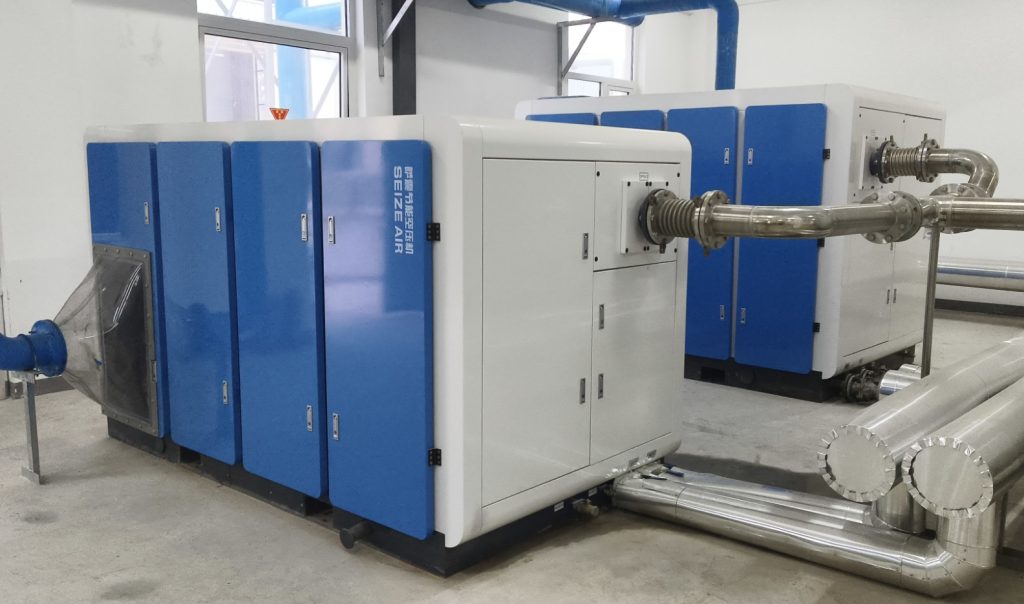
When to Choose Fixed Speed Air Compressors
While VSD compressors offer clear advantages, fixed speed units may be more cost-effective in certain situations:
1. Continuous Production with Stable High Air Demand
- Textile factories (spinning/weaving)
- Steel plants (continuous casting)
- Glass manufacturing
Case Study: A large textile plant operating 24/7 used 15 Seize 75kW fixed speed compressors. Load remained >85%, idle power was minimal, and initial purchase costs were 30% lower than VSD alternatives. Maintenance was simple, with no major failures over 5 years.
2. Limited Budget or Short-Term Projects
- Startups, small workshops
- Temporary construction projects
Case Study: A 6-month construction project used two 18.5kW Seize fixed speed compressors, costing only 65% of a comparable VSD unit. Operation was stable, meeting project demands and allowing quick ROI.
3. Harsh Environments with Minimal Maintenance Capacity
- Dusty, humid, or high-temperature conditions (mining, open-air construction, tunneling)
Case Study: A mining operation used Seize fixed speed compressors designed for dust and heat resistance. Routine maintenance was minimal, with an average MTBF of over 8,000 hours, ensuring uninterrupted operation.
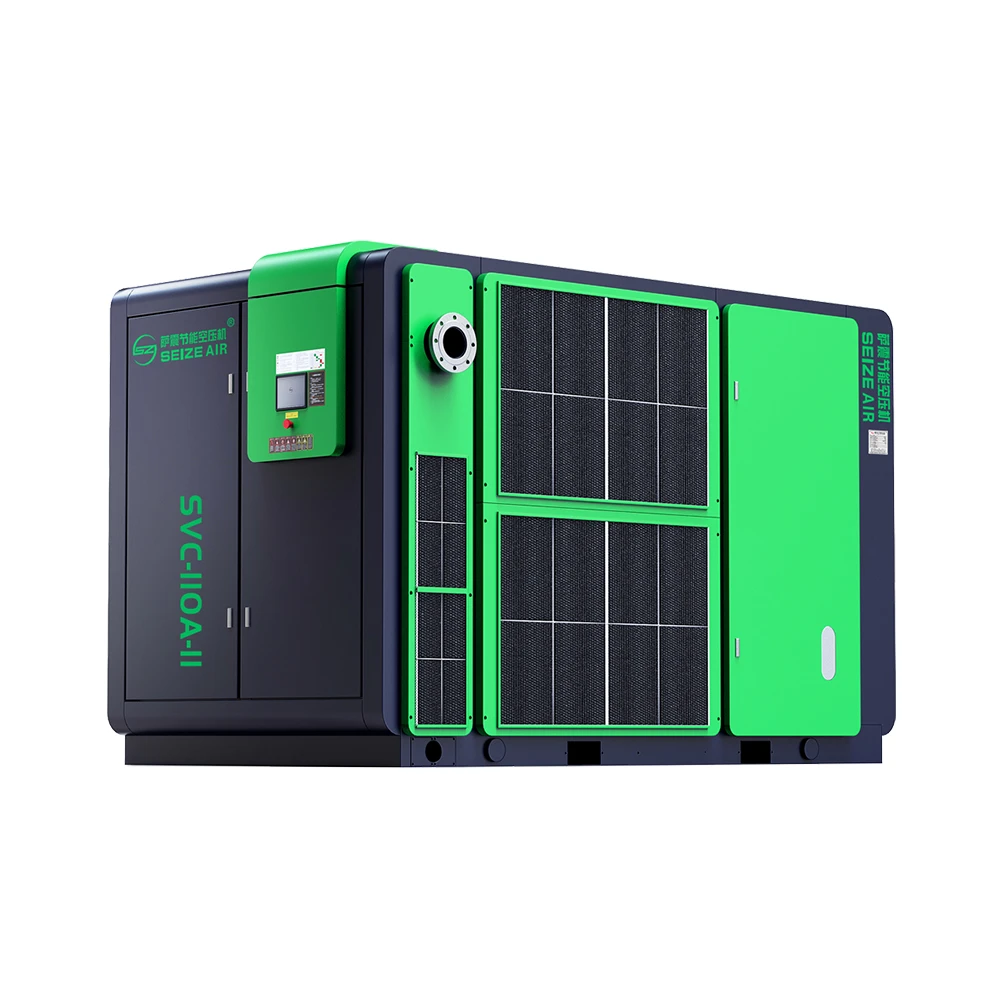
Key Considerations for Choosing Variable Speed Air Compressors
When selecting a variable speed compressor, focus on:
- Motor Type – Permanent magnet synchronous motors (used in Seize VSD units) offer higher efficiency, smaller size, and reduced weight, saving 5%-10% energy compared to asynchronous motors.
- VFD Performance – Choose a reliable brand with precise control, overcurrent/overvoltage protection, and grid adaptability. Seize VSD compressors support remote monitoring and fault alerts.
- Pressure Control Accuracy – Ensure the compressor meets your production tolerance, from general industrial use to high-precision manufacturing (Seize offers ±0.01 MPa accuracy).
- Brand & After-Sales Service – VSD compressors require technical support. Seize provides nationwide service, 24-hour on-site support, and regular inspections to ensure reliable long-term operation.
Conclusion
There’s no absolute “better” between fixed and variable speed compressors; the key is matching the equipment to your needs:
- Variable Speed Air Compressors: Best for fluctuating demand, low load, high precision, energy savings, and long-term use. Seize VSD units deliver measurable energy efficiency and operational improvements.
- Fixed Speed Air Compressors: Best for stable, high-load, harsh, or short-term operations where budget constraints exist. Seize fixed speed compressors offer reliability and practicality.
Before purchasing, analyze your air demand, pressure requirements, and operating hours. If unsure, consult an experienced supplier. Seize has extensive expertise in air compressor solutions and can help design a system tailored to your operation, maximizing both efficiency and ROI.