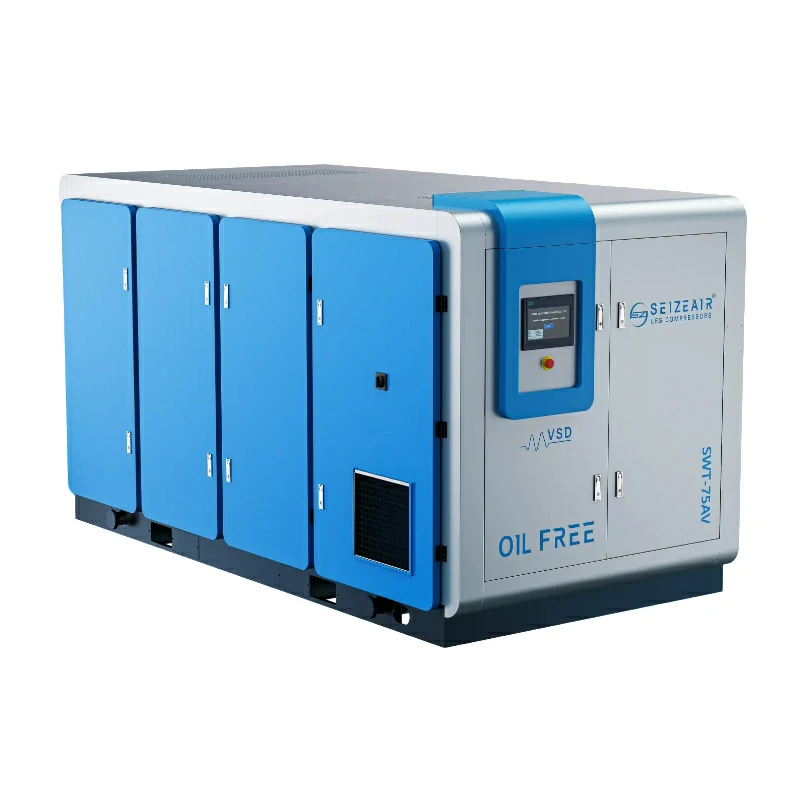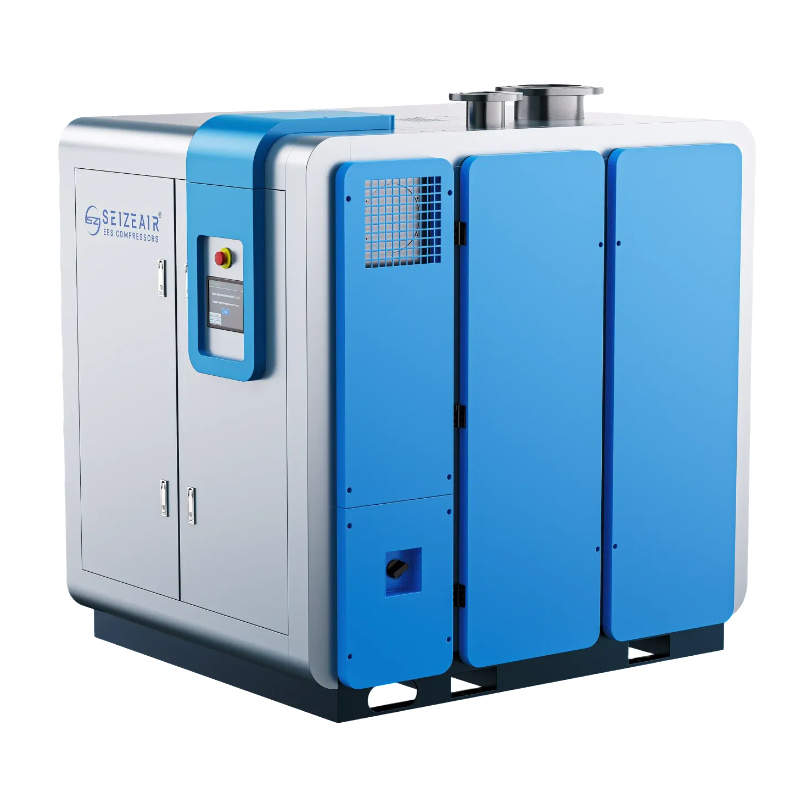


Industrial operations rely on continuous, high-volume compressed air to keep production lines moving, power pneumatic tools, and run heavy machinery. When managing a massive 1500 cfm air compressor, unplanned downtime isn’t just an inconvenience—it is a catastrophic expense.
Proper care ensures efficiency, protects your investment, and keeps your facility running smoothly. This comprehensive guide covers everything required to keep a heavy-duty 1500 cfm air compressor operating at peak performance, maximizing uptime while lowering ownership costs.
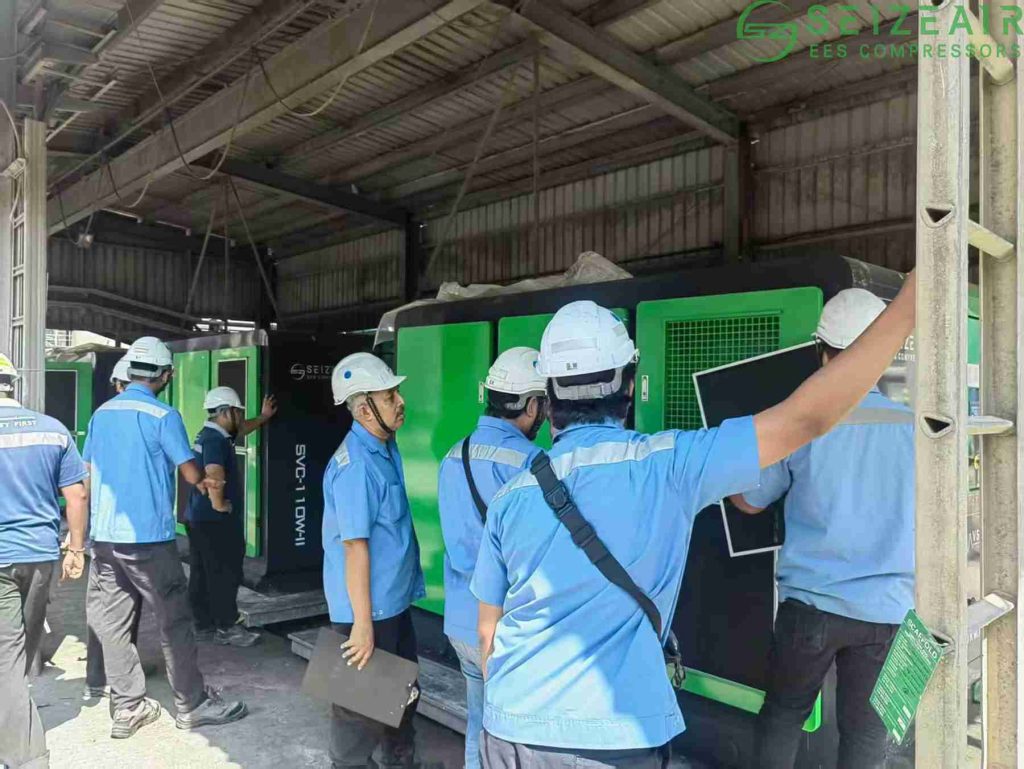
Why 1500 CFM Air Compressor Maintenance Requires a Dedicated Strategy
A 1500 cfm air compressor is a heavy-duty industrial workhorse, delivering 1,500 cubic feet per minute of compressed air. Unlike smaller workshop compressors, these large-capacity machines—often oil-injected rotary screw or centrifugal designs—operate under extreme thermal and mechanical stress.
Skipping minor service tasks creates a compounding effect. A slightly clogged air filter drops pressure, forcing the compressor to run hotter and consume more electricity. Over time, this leads to premature bearing failure or airend thermal shutdown.
Proactive upkeep protects your bottom line. Manufacturers like Seize Air engineer these high-capacity systems for decades of service, but achieving that lifespan depends on structured, preventive maintenance.
Daily, Weekly, and Monthly Maintenance Checklists
Consistency forms the foundation of reliable industrial air management. Splitting tasks into daily, weekly, and monthly routines prevents minor issues from escalating into major operational failures.
Daily Inspection Routine (Every Shift)
Before and during operations, operators should perform quick visual and operational checks:
- Check Fluid Levels: Verify the compressor oil level via the sight glass while running loaded. Top off if necessary using the manufacturer’s specified lubricant.
- Drain Condensate Traps: Ensure automatic drains function correctly. Manually drain moisture separators to prevent water carryover into the air piping system.
- Monitor Running Parameters: Record operating temperature, discharge pressure, and intercooler pressures. Sudden changes indicate internal sealing or cooling issues.
- Inspect for Leaks: Listen for audible air leaks and visually check for oil spots beneath the unit.
Weekly Maintenance Tasks
- Inspect the Air Filter Restriction Indicator: Clean or replace the intake filter element if the indicator shows red or if pressure drop increases.
- Clean the Cooler Surfaces: Dust and debris coat the oil cooler and aftercooler fins, reducing heat transfer efficiency. Blow them out with low-pressure compressed air or wash down if necessary.
- Check the Drive Belt/Coupling: Inspect belt tension and wear, or check direct-drive coupling elements for degradation or misalignment.
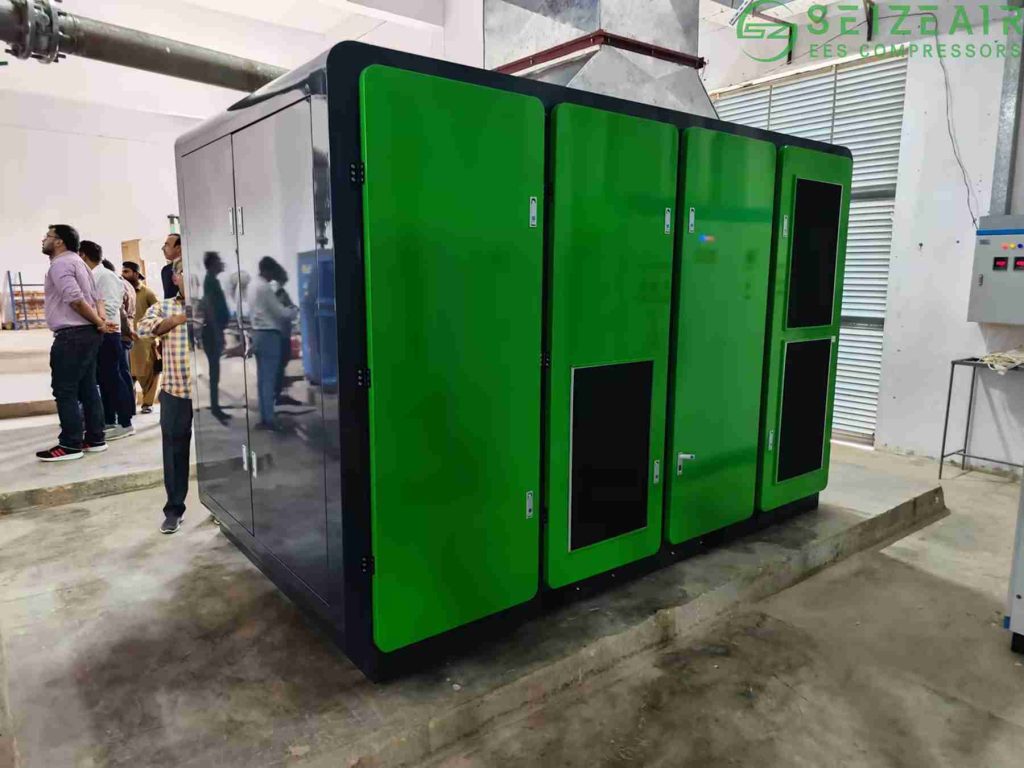
Monthly Maintenance Protocols
- Analyze Oil Filter Differential Pressure: High differential pressure means the filter is clogging and bypassing dirty oil back into the airend.
- Test Safety Relief Valves: Manually trip safety valves to ensure they seat properly and are not seized by varnish or rust.
- Inspect Electrical Cabinets: Turn off power and check for loose terminal connections, signs of overheating on contactors, and dust accumulation on VFD cooling fans.
Quick Reference: Routine Maintenance Schedule
| Frequency | Target Component | Action Required | Expected Outcome |
| Daily | Fluid Sight Glass | Verify oil level and color | Prevents friction and airend overheating |
| Daily | Moisture Traps | Manual / Auto drain verification | Prevents water carryover and pipe corrosion |
| Weekly | Air Intake Filter | Inspect restriction gauge / clean | Maintains optimal CFM delivery and vacuum |
| Weekly | Oil & Aftercoolers | Blow out debris from cooling fins | Lowers operating temperature, prevents varnish |
| Monthly | Safety Valves | Manual ring-pull test | Ensures overpressure protection functions |
| Monthly | Control Panel | Inspect contactors and clean dust | Prevents electrical arcing and VFD faults |
What is the Lifespan of a Large Industrial Air Compressor?
Facility managers often ask: What is the lifespan of a large industrial air compressor? For a heavy-duty 1500 cfm air compressor, the service life typically spans between 40,000 and 60,000 operating hours for the airend (the core compression unit) before requiring a major overhaul. In calendar years, this translates to 10 to 15 years of heavy industrial use.
However, “lifespan” is variable. A machine operating in a pristine, climate-controlled automotive plant outlasts the same unit running in a dusty cement factory or a humid coastal shipyard. The primary differentiator between a unit scrapped at 7 years and one running strong at 20 years is fluid and thermal management.
Advanced engineering, such as the premium airends utilized by Seize Air, provides a robust structural foundation, but routine bearing lubrication and timely oil changes dictate the actual operational lifespan.
Fluid Management: The Lifeline of Rotary Screw Systems
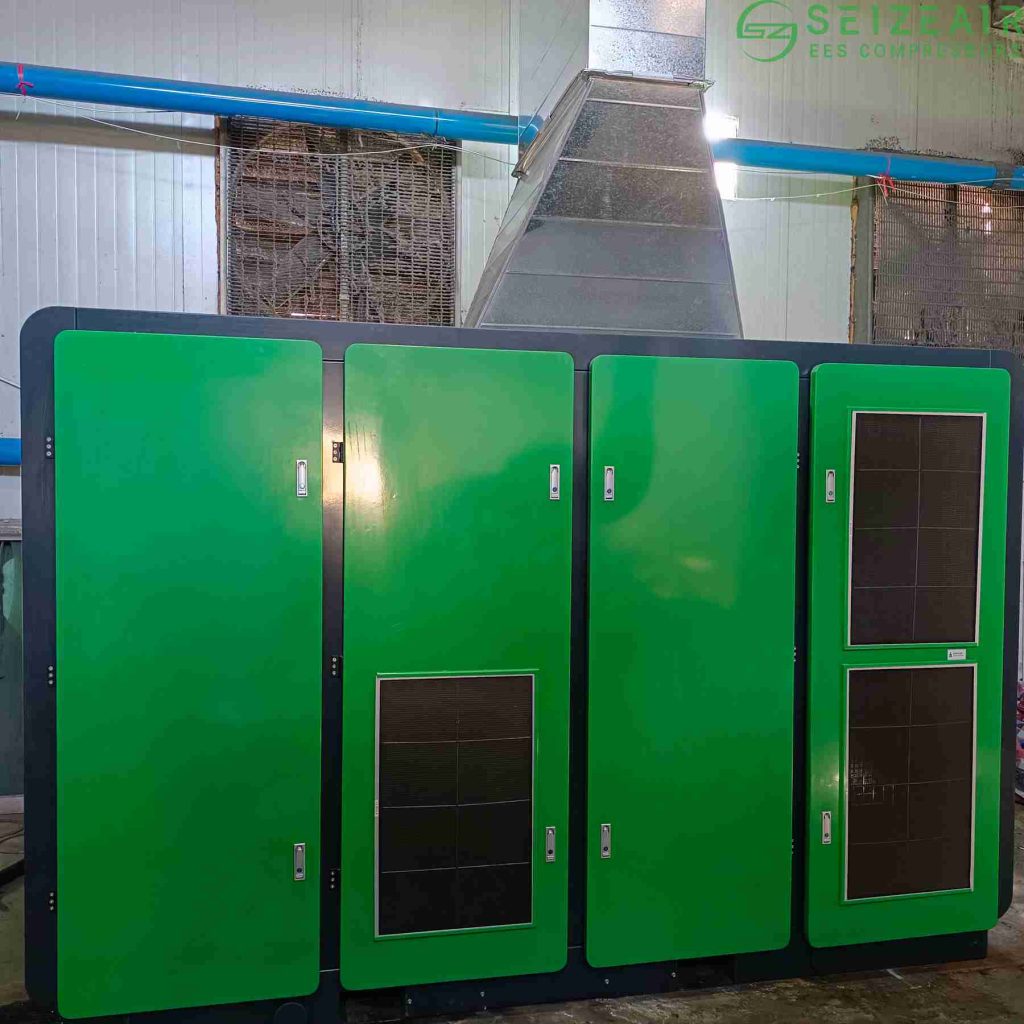
Oil does more than lubricate in an oil-injected rotary screw 1500 cfm air compressor—it seals the rotors, absorbs the heat of compression, and dampens operational noise.
Choosing the Right Compressor Lubricant
Never use standard automotive or hydraulic oil. Heavy-duty compressors require high-grade synthetic lubricants (such as PAO or POE-based formulations) capable of resisting oxidation at temperatures exceeding 90 degrees Celsius. Synthetic fluids maintain stable viscosity and resist the formation of carbon sludge and varnish.
Oil Sampling and Analysis
Treat oil analysis like a blood test for your machinery. Every 1,000 to 2,000 operating hours, draw an oil sample and send it to a certified lab. The results track:
- Total Acid Number (TAN): Indicates fluid breakdown and potential for system corrosion.
- Metal Wear Particles: High levels of copper, iron, or chrome point directly to bearing or rotor wear.
- Silicon Levels: Elevated silicon means dirt bypasses the air intake filter, wearing down internal surfaces.
Replacing the Oil Separator Element
The oil separator splits fluid from the compressed air before it leaves the machine. A failing separator causes “oil carryover,” contaminating downstream equipment and dropping fluid levels rapidly. Replace the separator element when the pressure differential across it reaches 0.8 to 1.0 bar (12 to 15 psi), or at minimum once per year.
How Do I Calculate the Efficiency of My 1500 CFM Air Compressor?
Energy consumption represents over 70 percent of the lifetime cost of an industrial compressor. To avoid overpaying on utility bills, track performance using specific power consumption calculations.
To answer How do I calculate the efficiency of my 1500 CFM air compressor?, use the Specific Power formula written in plain text:
Specific Power = Total Package Input Power (kW) / Compressor Delivered Volumetric Flow (CFM)
Step-by-Step Efficiency Calculation Example:
- Determine the actual power draw from your electrical cabinet or energy monitor under full load. Let’s assume the unit draws 250 kW.
- Verify the actual delivery rate via a flow meter. Suppose the unit outputs its full capacity of 1,500 CFM.
- Apply the formula: 250 kW / 1500 CFM = 0.166 kW/CFM.
Benchmarking Your Efficiency Data
| Specific Power Range (kW/CFM) | Efficiency Status | Action Plan |
| 0.15 – 0.17 | Excellent | System operating optimally. Maintain current PM schedule. |
| 0.18 – 0.20 | Fair / Acceptable | Minor restriction or wear. Check filters and pressure drops. |
| > 0.21 | Poor / Inefficient | High cost of operation. Inspect for leaks, clogs, or worn airend. |
If your specific power exceeds 0.20 kW/CFM, your system wastes electricity. This drop is usually caused by artificial demand from internal pressure drops (clogged filters), high ambient operating temperatures, or internal blow-by within a worn airend. Implementing variable speed drive (VSD) technology, a specialty of Seize Air‘s energy-saving lineup, dramatically reduces these efficiency losses during partial load demands.
Intake Air and Environmental Filtration
A 1500 cfm air compressor consumes an enormous volume of ambient air. If the ambient air contains dust, chemical fumes, or particulate matter, those contaminants mix with the oil, forming an abrasive grinding paste that destroys bearings and rotors.
Optimizing Air Quality:
- Dual-Stage Filtration: Use high-efficiency, heavy-duty dual-stage air intake filters in dusty environments like mining or sandblasting.
- Strategic Intake Positioning: Position the compressor air intake away from cooling towers, boiler exhausts, or localized chemical vents. Moisture and chemical vapors cause acidic fluid breakdown.
- Differential Pressure Monitoring: Install digital differential pressure sensors across your filtration array. This removes guesswork, signaling for service only when the filter element reaches maximum loading capacity.
Troubleshooting Common 1500 CFM Compressor Issues
Even with rigorous maintenance, heavy industrial systems encounter operational issues. Quick troubleshooting reduces diagnosing time and minimizes production halts.
1. High Discharge Temperature (Overheating)
This is the most common reason for automatic compressor shutdowns.
- Root Cause A: Insufficient or degraded cooling fluid. Check levels and verify oil analysis records.
- Root Cause B: Fouled or blocked oil cooler. Clean the external fins and check for internal scaling or varnish buildup.
- Root Cause C: High ambient room temperature. Improve compressor room ventilation; ensure exhaust air exits the building rather than recirculating.
2. Excessive Oil Carryover (Oil in Downstream Air)
- Root Cause A: Ruptured or saturated oil separator element. Replace immediately.
- Root Cause B: Operating pressure is too low. If the system runs below rated pressure, air velocity through the separator increases, stripping fluid into the air line.
- Root Cause C: Overfilled oil sump. Drain fluid until it aligns with the recommended running level indicator.
3. Failure to Load / Low Discharge Pressure
- Root Cause A: Faulty inlet unloader valve. If the valve fails to open fully, the compressor cannot draw in air or build pressure.
- Root Cause B: Defective solenoid valves or broken control lines. Inspect the small pneumatic control lines supplying pilot air to the intake valve.
- Root Cause C: Massive downstream air leaks or open demand valves exceeding 1,500 CFM capacity.
Quick Diagnostics Guide
| Observed Symptom | Likely Cause | Recommended Corrective Action |
| High Airend Temp (> 100 degrees C) | Blocked cooler fins / Low fluid | Clean cooler core; top off synthetic fluid |
| Excessive Oil in Lines | Ruptured separator element | Replace separator; check minimum pressure valve |
| Compressor Won’t Load | Unloader valve stuck closed | Rebuild inlet valve actuator; check control solenoid |
| Excessive Vibration | Motor/Airend misalignment | Realign coupling; check structural anchor bolts |
| Rapid Cycle / Loading | Inadequate storage volume | Increase wet air receiver tank capacity |
Thermal Control and Cooling System Maintenance
A 1500 cfm air compressor generates massive amounts of thermal energy. Roughly 90 percent of the electrical energy consumed by the motor converts directly into heat. If this heat isn’t removed, the lubricant breaks down, viscosity drops, and components experience thermal expansion failure.
Air-Cooled vs. Water-Cooled Systems
- Air-Cooled Configurations: Rely on heavy-duty fans to pull ambient air through a radiator-style cooler matrix. Keep the cooling fins clean. Use soft brushes or low-pressure power washing to remove oil-matted dirt.
- Water-Cooled Configurations: Utilize shell-and-tube or plate heat exchangers. Monitor water flow rates, inlet temperatures, and mineral scaling. Periodically flush the water side with mild descaling acids to prevent calcium deposits from insulating the heat-transfer zones.
Thermostatic Valve Functionality
The thermostatic valve acts as a bypass regulator for the cooling system. When the compressor starts cold, the valve bypasses the cooler, routing oil directly back to the airend to bring the machine up to operating temperature quickly.
If the valve sticks open, the oil never warms up, causing condensation buildup inside the oil sump. If it sticks closed, the machine overheats within minutes of loading. Test and rebuild thermostatic valves every 8,000 operational hours.
Proactive vs. Reactive Maintenance: Cost and Longevity
Running a compressor until it breaks (reactive maintenance) is the most expensive way to operate a facility. Proactive maintenance cuts emergency repair fees, expedites part sourcing, and keeps production schedules on track.
Consider the financial impact of an airend failure on a 1500 cfm air compressor. A complete breakdown involves towing, field rigging, renting a backup unit, and paying expedited shipping for a replacement core.
Implementing routine oil analysis, vibration monitoring, and scheduled filter replacements costs a fraction of an emergency overhaul. Modern systems, including energy-optimized units built by Seize Air, feature smart control panels that monitor pressure differentials, temperatures, and run times, notifying operators before components fail.
Partner with the Industrial Air Experts
Maintaining a complex piece of heavy industrial machinery like a 1500 cfm air compressor requires technical expertise, specialized tools, and a reliable supply of high-grade OEM parts. Don’t leave your facility’s productivity to chance.
Whether you need detailed technical support, customized maintenance schedules, or energy-efficient system upgrades to optimize your air delivery, our engineering team is here to help.
[Contact our compressed air specialists today] Let’s discuss how we can maximize your equipment uptime, reduce energy costs, and streamline your preventative maintenance workflow. Reach out via email or through our inquiry form, and an expert technician will provide a tailored solution for your facility.