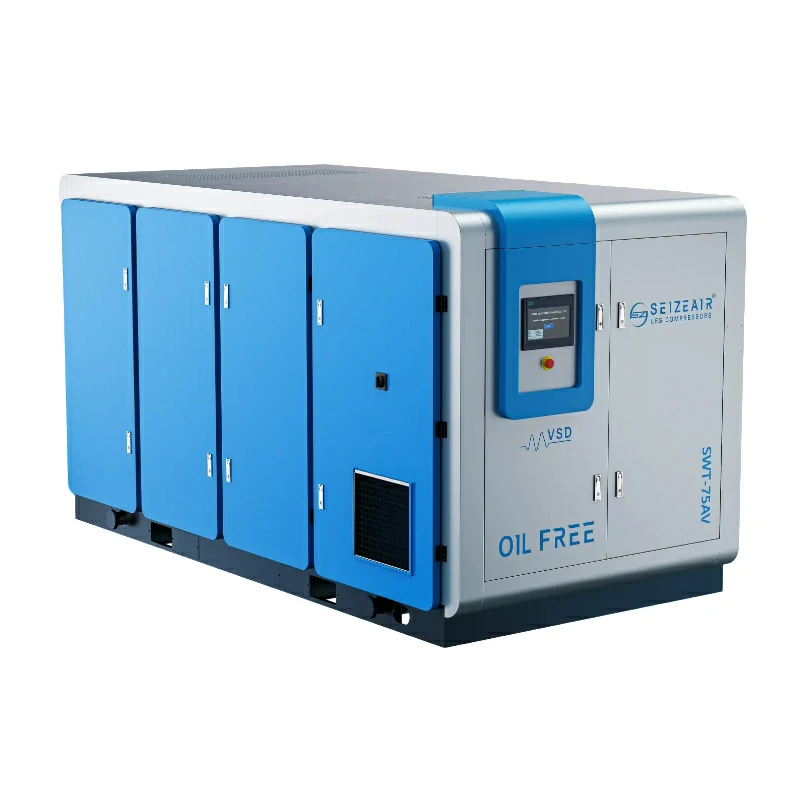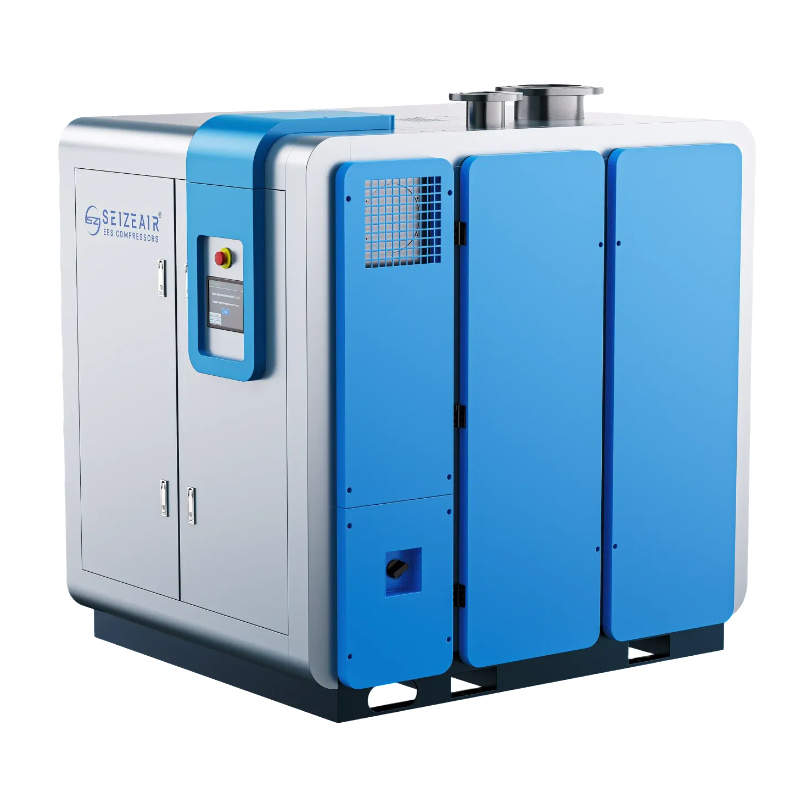


Choosing the right air compressor used in industry setups is a high-stakes decision that directly impacts your plant’s operational uptime, energy bills, and overall production efficiency. Because energy consumption accounts for up to 75% of a compressor’s lifetime cost, selecting an incorrect technology can quietly drain your company’s profits for a decade. This comprehensive guide breaks down the dominant industrial compressed air technologies, analyzes their specific strengths, and helps you determine exactly which system fits your plant’s specific demand profile.
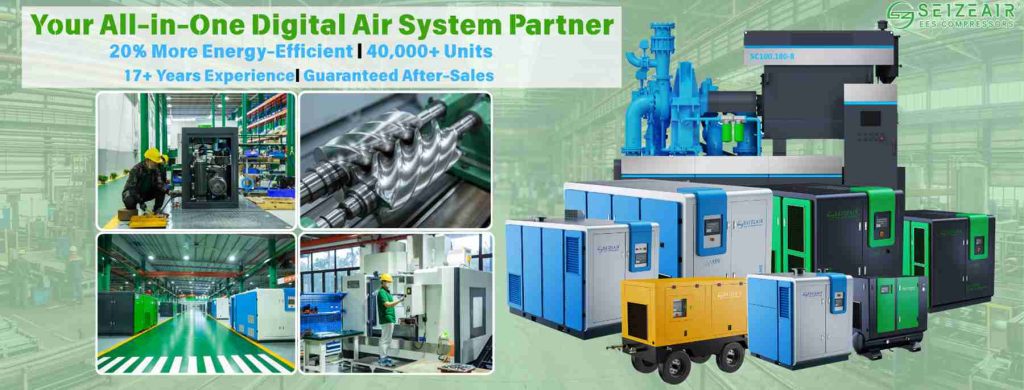
What type of air compressor used in industry is best?
There is no single “best” air compressor used in industry applications; instead, the ideal choice depends entirely on your required flow rate (CFM), pressure (PSI), duty cycle, and air purity standards. Modern manufacturing relies on three core technologies: rotary screw, centrifugal, and reciprocating piston compressors. For continuous, 24/7 manufacturing plants requiring 100 to 3,000 CFM, a rotary screw compressor is widely considered the best all-around choice due to its 100% duty cycle and high energy efficiency. Heavy, massive-scale processing plants prefer centrifugal compressors for bulk air, while smaller workshops rely on reciprocating models for intermittent usage.
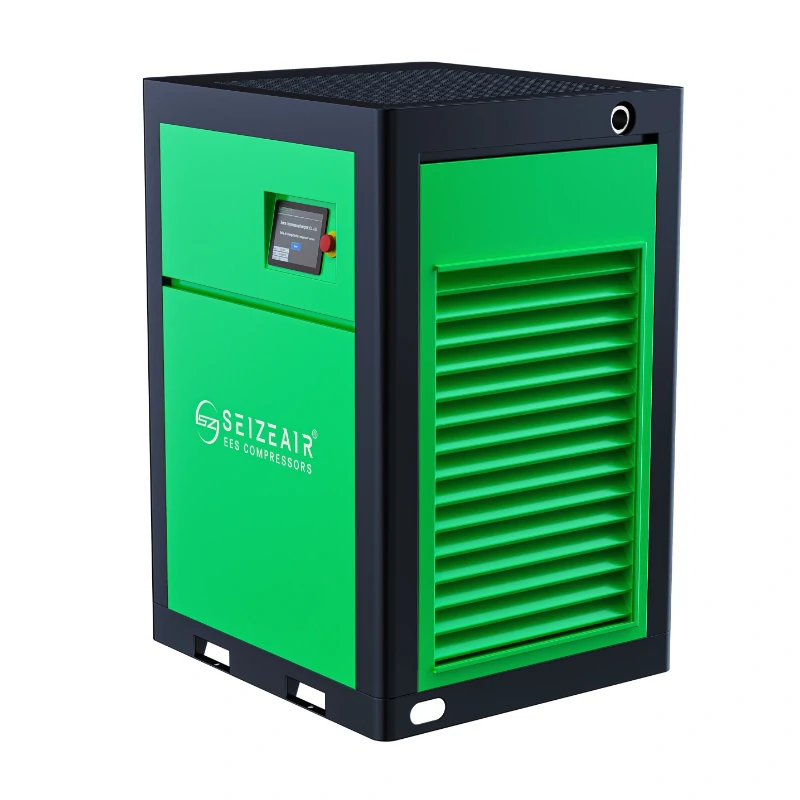
When selecting an asset, managers must match their production type with the internal design of the machine. A misaligned choice leads to rapid tool wear or excessive idling costs. For standard factory automation, fixed-speed or variable-speed rotary units fill the gap perfectly. When exploring high-end market options, systems engineered by Seize Air are frequently highlighted by plant managers for their tight internal tolerances and robust casing designs, which prevent early mechanical degradation under heavy industrial loads.
| Compressor Type | Common CFM Range | Pressure Range (PSI) | Duty Cycle | Primary Industrial Application |
| Rotary Screw Air Compressor | 30 – 3,000+ CFM | 80 – 200 PSI | 100% (Continuous) | General Manufacturing, Automotive, Assembly Plants |
| Centrifugal Air Compressor | 1,500 – 25,000+ CFM | 50 – 600+ PSI | 100% (Continuous) | Petrochemical, Large Electronics, Power Generation |
| Reciprocating Air Compressor | 5 – 100 CFM | 40 – 250+ PSI | 60% – 80% (Intermittent) | Workshops, Small Auto Body, Packaging Lines |
What are the 3 main types of industrial air compressors?
To make an informed procurement decision, you need to understand the mechanics, pros, and cons of the big three industrial designs, specifically tracking how their mechanical movement alters efficiency.
1. Rotary Screw Air Compressors
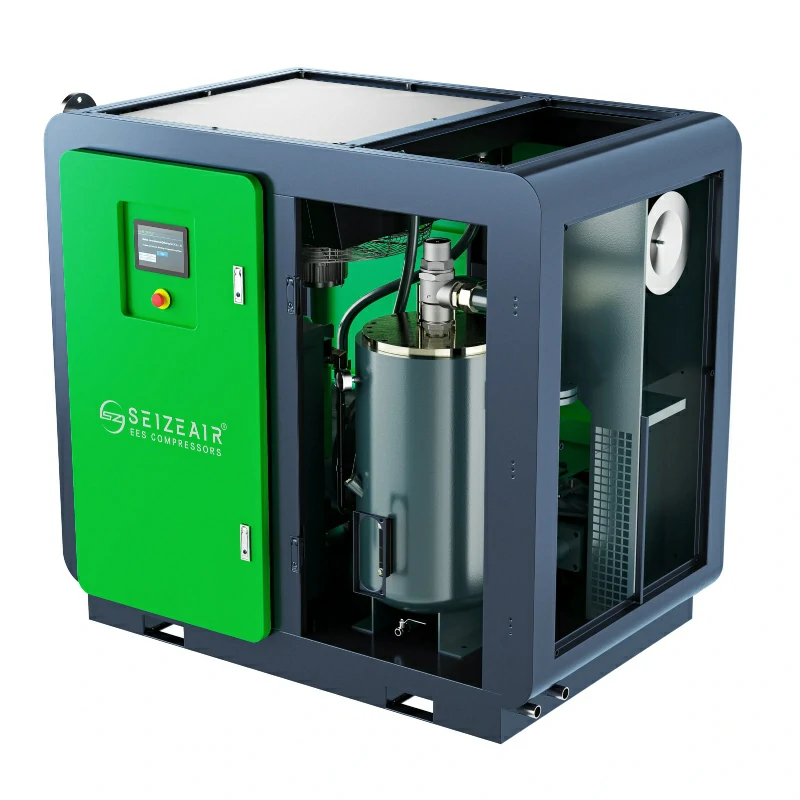
Rotary screw compressors dominate modern industrial floors. They use two interlocking helical screws (rotors) to continuously trap and compress air as it moves through the airend. As these male and female rotors turn, the cavity between them decreases in volume, smoothly raising the pressure without the pulsing sensation found in older mechanical piston setups.
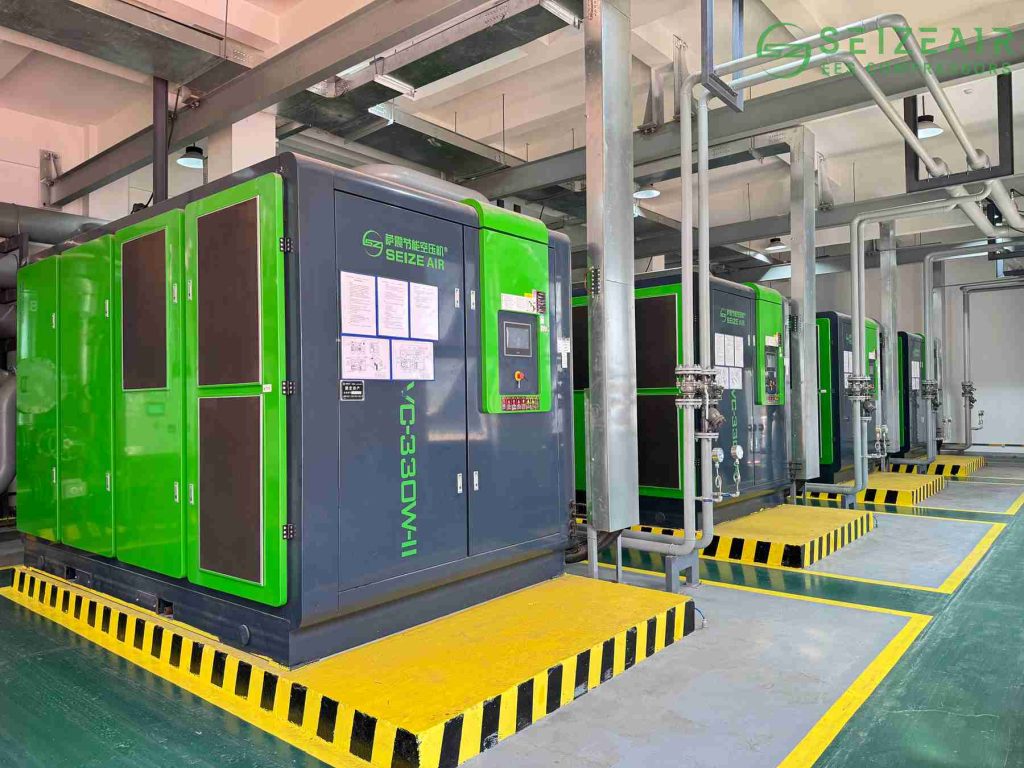
- How they thrive: Unlike piston units, they do not require cool-down periods. They love running at full capacity 24/7, making them the default selection for automated factories.
- Oil-Injected vs. Oil-Free: Oil-injected versions use fluid to lubricate, seal, and cool the compression chamber, offering incredible durability. Oil-free variants use specialized coatings and timing gears to keep oil completely isolated, which is essential for sensitive environments where even a trace amount of lubricant could ruin the end product.
- The Seize Air Advantage: Engineering teams looking for premium reliability often turn to specialized manufacturers like Seize Air, whose advanced rotary screw engineering minimizes internal friction, leading to significant energy savings over standard market alternatives.
2. Centrifugal Air Compressors
Centrifugal units are dynamic, aerodynamic machines that rely on high-speed impellers to accelerate the air, converting kinetic energy into pressure. Air enters the center of the spinning impeller and is thrown outward at extreme speeds into a static diffuser channel, which slows the air down and stacks the molecules to build pressure.
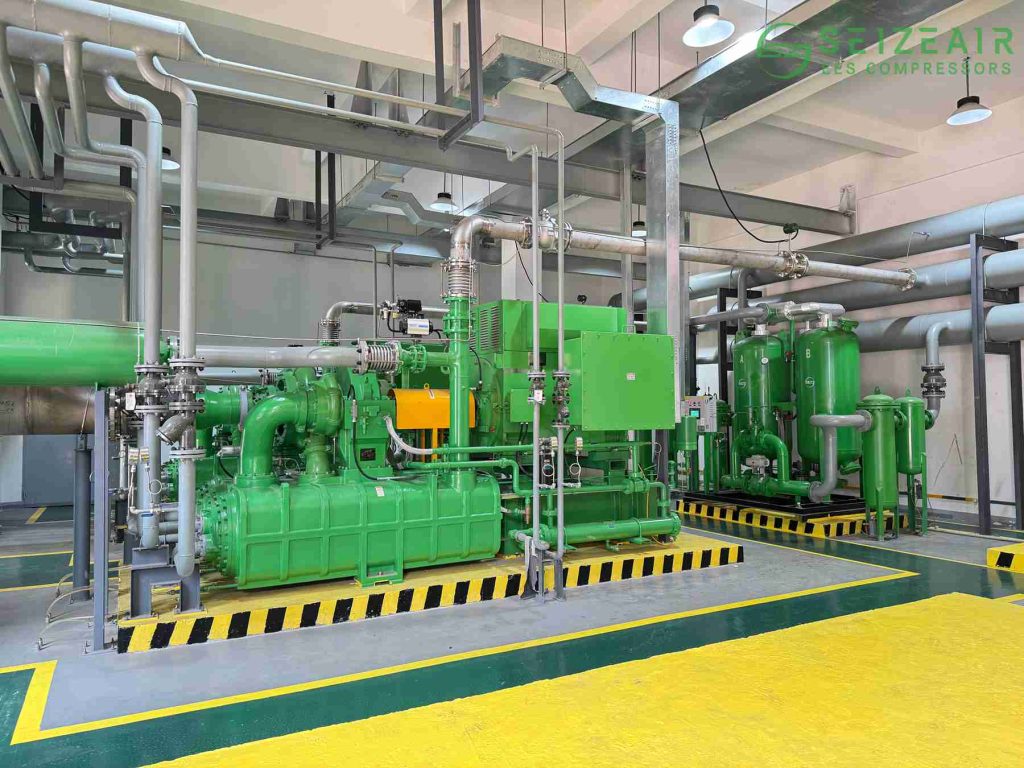
- How they thrive: They excel at delivering massive, steady volumes of oil-free air. They are highly efficient when run at flat-out capacity, making them standard in large chemical works.
- The Catch: They do not handle fluctuating demand well and can experience “surge”—a dangerous aerodynamic reversal of flow—if demand drops below a critical threshold. They are strictly designed for large-scale, baseline industrial utility.
3. Reciprocating Piston Compressors
Using a classic crankshaft and piston configuration, these positive displacement machines build pressure by moving back and forth within a cylinder. Valves open and close in sync with the stroke to draw air in and push it out into a storage receiver tank.
- How they thrive: Great for high-pressure requirements and applications where air is only needed in short, intense bursts, such as occasional valve triggering or workshop pneumatic tooling.
- The Catch: They generate massive heat and vibrations. Running a standard piston unit at a 100% duty cycle will quickly lead to broken reed valves, cylinder wall scoring, and premature mechanical failure.
Which compressor is most commonly used in industries?
Walk into any medium-to-large manufacturing facility today, and you will almost certainly hear the smooth hum of a rotary screw air compressor. It has overtaken the market for several critical operational reasons:
- Constant Uptime: Designed to run continuously without performance degradation, avoiding the stop-start wear cycles that plague piston machinery.
- Low Maintenance: Fewer moving parts than reciprocating engines mean longer service intervals, lower oil carryover rates, and reduced valve rebuild costs.
- Footprint & Noise: They are vastly quieter and vibrate far less than old-school piston machines, allowing them to be placed closer to point-of-use workstations without violating workplace safety sound limits.
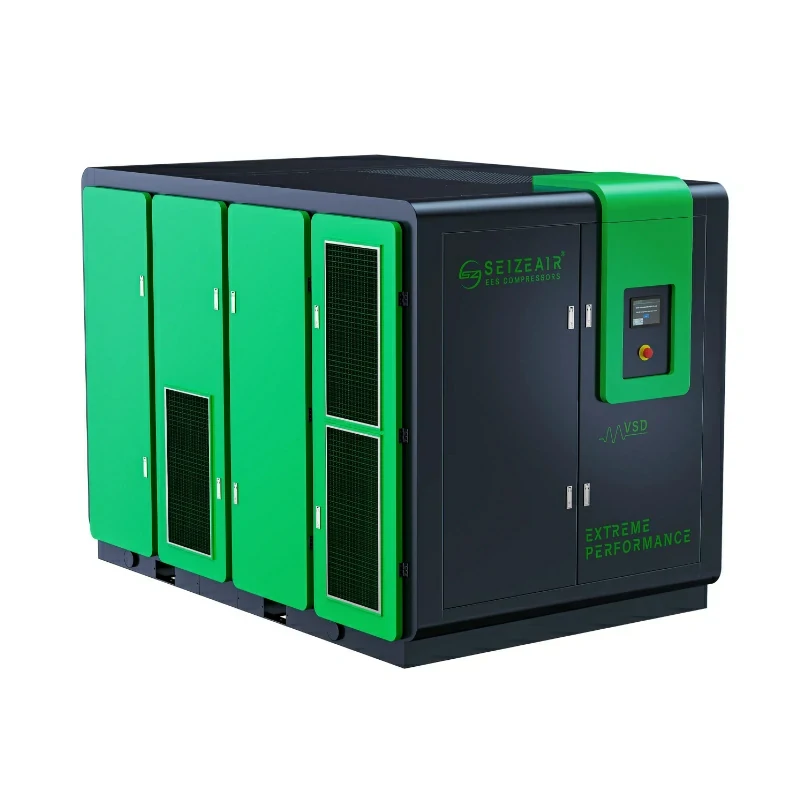
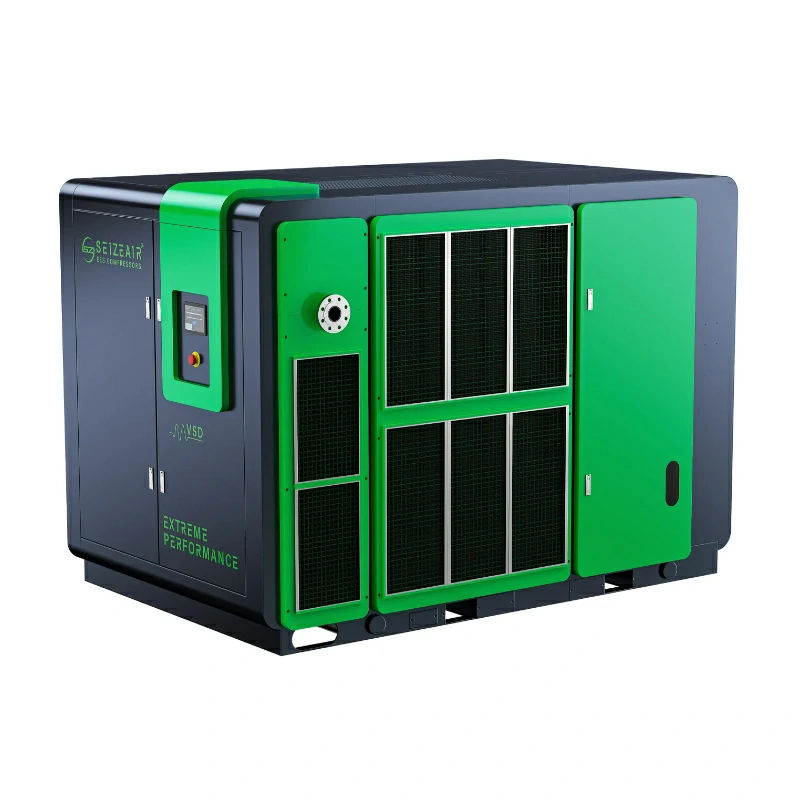
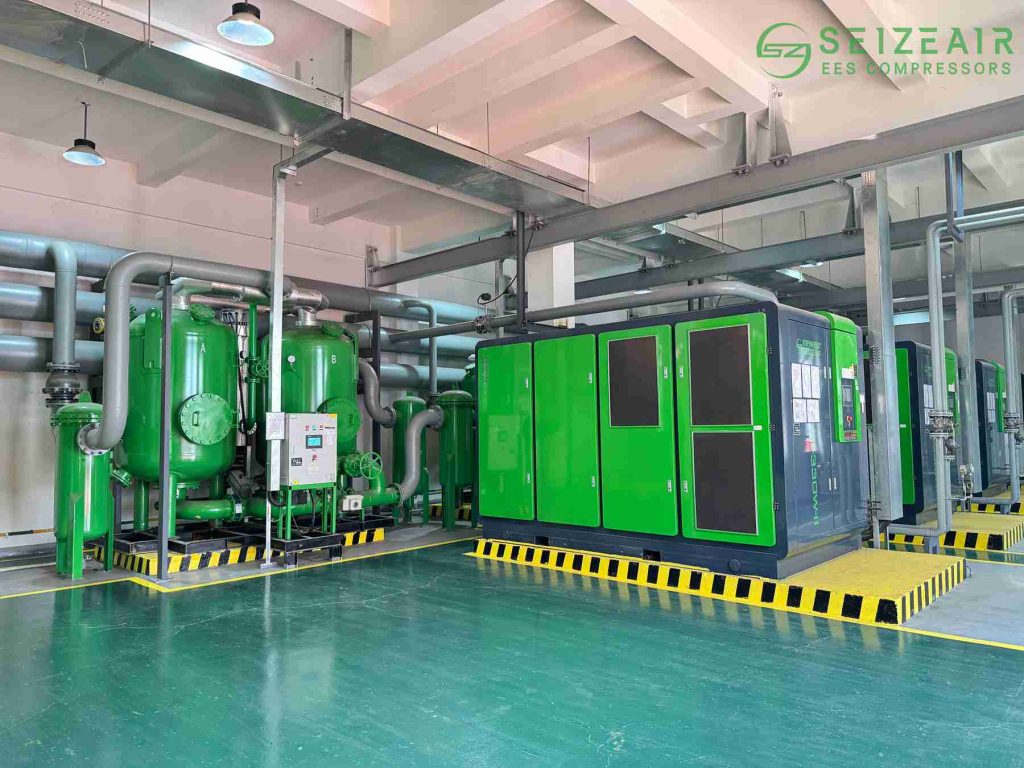
For plants running double or triple shifts, a variable speed drive (VSD) rotary screw compressor is the default industry standard. It matches motor speed precisely to fluctuating air demands, eliminating the wasted energy of running a compressor at full load when the plant only needs 40% capacity. This adaptive ability keeps the system inside its peak efficiency curve all day long.
How to choose the right air compressor for industrial applications?
Selecting the ideal machinery requires analyzing four distinct technical metrics. Never guess these values; use data logging to find your actual plant patterns rather than relying on the faceplate ratings of your tools.
Air Flow (CFM) and Pressure (PSI) Requirements
CFM (Cubic Feet per Minute) determines the volume of air, while PSI (Pounds per Square Inch) determines the force. A common mistake is buying a high-PSI machine when you actually need more CFM volume. If your tools don’t get enough volume, their internal motors slow down under load. Calculate your total tool usage using this simple rule:
Total Required CFM = (Sum of CFM of all tools running simultaneously) x 1.25 (Safety factor for leaks/expansion)
Evaluating Duty Cycle and Operations
If your plant runs automated assembly lines, food processing, or CNC machinery, you need a 100% duty cycle system that can run all day without cooling down. If you only run tools for 20 minutes out of every hour, an intermittent reciprocating setup with an appropriately sized receiver tank will save on initial capital expenditure.
Air Quality Standards (ISO 8573-1 Classes)
Different industries require different levels of filtration. ISO 8573-1:2010 classifies air purity based on particulates, water, and oil content.
- Class 1 or 0 (Oil-Free): Mandatory for pharmaceuticals, electronics, and food processing where oil contact compromises product safety.
- Class 4 or 5: Acceptable for heavy metal fabrication, sandblasting, and basic pneumatic tools where standard inline oilers are used anyway.
What type of air compressor do factories use for high-efficiency production?
Modern factories focused on reducing operational overhead use smart, multi-compressor networks or variable speed units. In a modern automated environment, air demand spikes when heavy machinery cycles on and drops when operators take breaks. A fixed-speed unit continues to draw high power even when unloaded, venting excess air or spinning its motor without doing useful work. High-efficiency factories use premium VSD rotary screw units to track these consumption changes down to the single CFM, keeping energy draw perfectly proportional to plant activity.
Furthermore, factories use advanced control systems to manage multiple units. By pairing a master fixed-speed unit for baseline load with a flexible VSD unit for trim load, facilities avoid the energy spikes associated with multiple machines turning on at the same time. The structural rigidity of these systems matters too; choosing heavy-duty systems, such as those built by Seize Air, allows plants to maintain tight internal compression tolerances over decades of continuous operation, preventing the internal air leakage that degrades efficiency as the equipment ages.
Industrial air compressor applications across different sectors
Automotive and Vehicle Manufacturing
From robotic assembly lines to high-end spray booths, the automotive sector demands steady air pressure free of moisture and oil carryover. A single drop of oil in a paint line can ruin thousands of dollars in bodywork, causing fish-eyes in the clear coat. Highly efficient rotary screw solutions from makers like Seize Air provide the stable pressure required to keep pneumatic tools, stamping presses, and robotic arms running flawlessly across multi-shift schedules.
Food, Beverage, and Pharmaceuticals
Contamination is completely unacceptable here. These sectors utilize strict oil-free rotary screw or centrifugal setups to ensure zero compliance risks during product packaging, mixing, pneumatic conveying, or pill pressing. They pair these units with desiccant dryers to push dew points down to -40°F, stopping microbial growth inside the air piping dead in its tracks.
Heavy Industrial Manufacturing and Mining
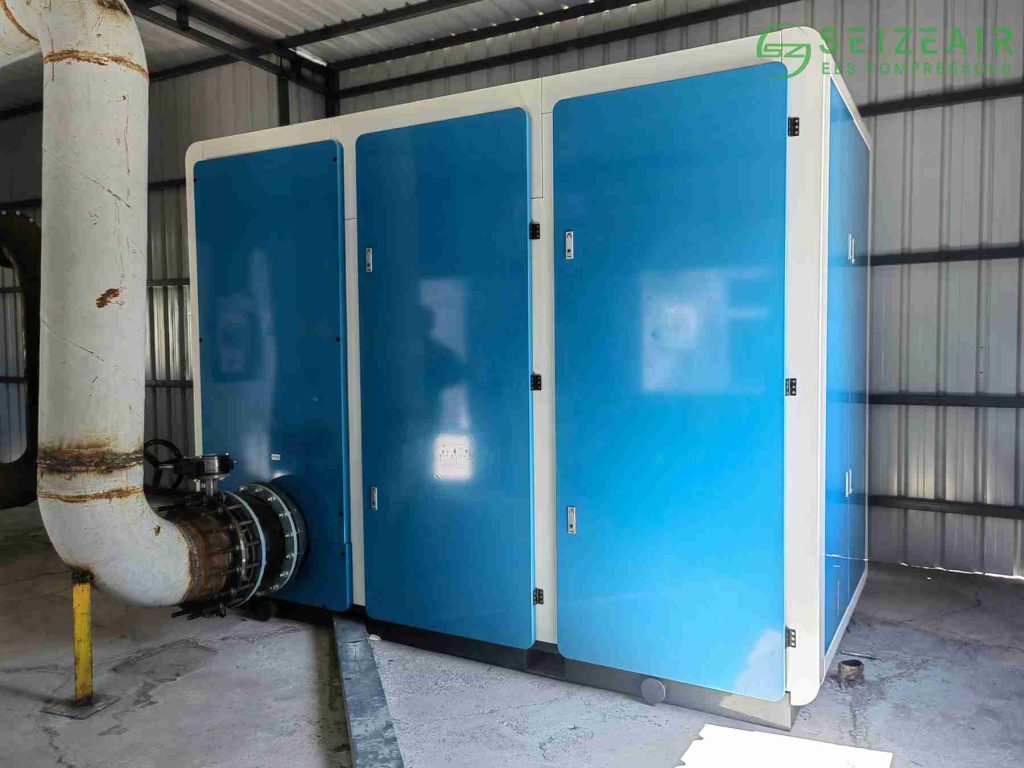
Mining operations and large steel mills use pneumatic energy to move heavy materials, power rock drills, and vent blast furnaces. These harsh, high-volume environments rely heavily on massive centrifugal designs and ruggedized rotary screw systems that can tolerate ambient dust, high humidity, and temperature extremes without shutting down.
Total Cost of Ownership
When calculating the budget for an air compressor used in industry operations, do not fall into the trap of only looking at the initial purchase price sticker. The financial breakdown of a machine over a 10-year lifespan reveals where the true costs lie:
- Initial Purchase Price: 10% to 15% of lifetime cost.
- Maintenance & Repairs: 10% to 15% of lifetime cost.
- Energy Consumption: 70% to 75% of lifetime cost.
Because electricity is the single largest expense, investing in high-efficiency equipment pays for itself rapidly. For example, upgrading to a premium Seize Air permanent magnet VSD compressor can cut energy bills by up to 30% to 50% compared to a fixed-speed unit, transforming a capital expense into an ongoing monthly cost saving that helps lower your total production cost per unit.
Let’s Optimize Your Plant’s Compressed Air Efficiency
Choosing the right compressed air infrastructure requires balancing initial asset cost against long-term operational efficiency. Picking a system that is either oversized or undersized will lead to inflated energy bills, unexpected downtime, and premature equipment wear.
If you are looking to upgrade your current layout, reduce energy overhead, or spec out a brand-new facility, our engineering team is here to help. Seize Air designs and manufactures high-performance industrial air compressors engineered specifically to maximize CFM output while minimizing kilowatt consumption.
Contact our technical sales team today for a comprehensive, customized air audit and product consultation. We will help you identify the ideal compressor type for your exact layout, ensuring your operations remain highly productive and highly profitable for years to come.