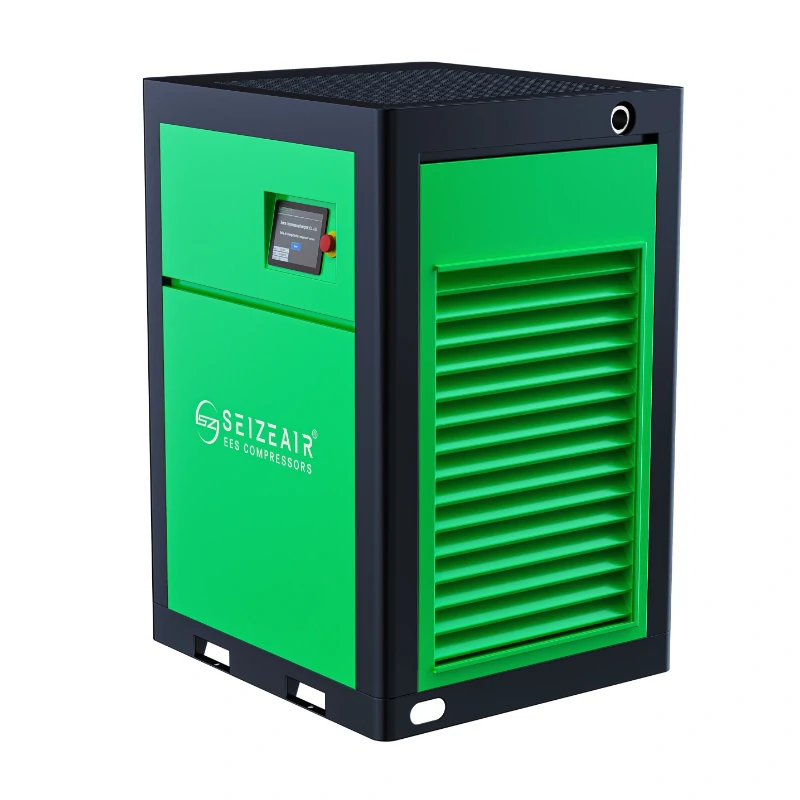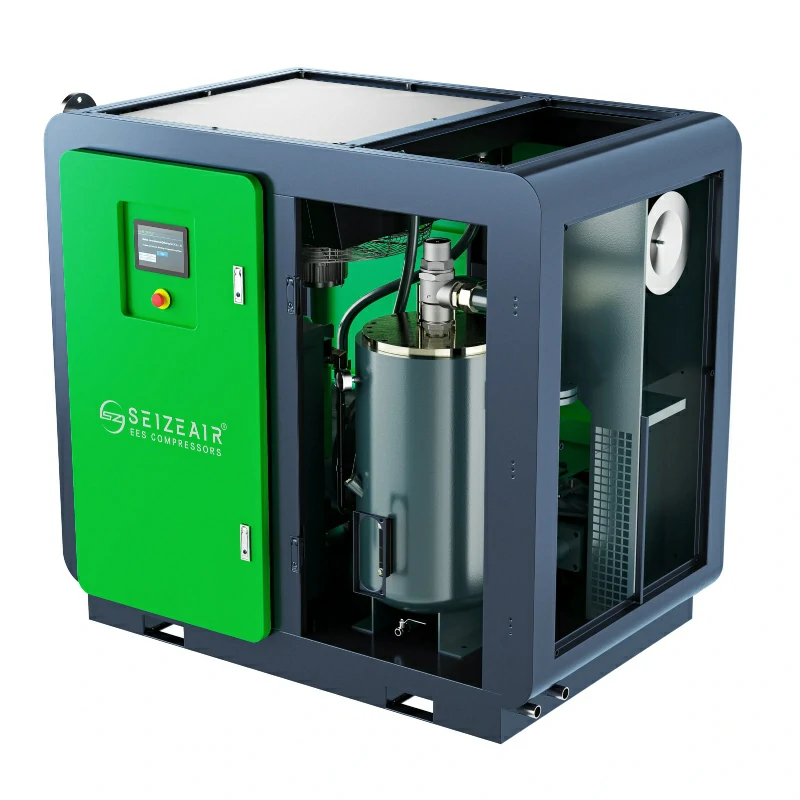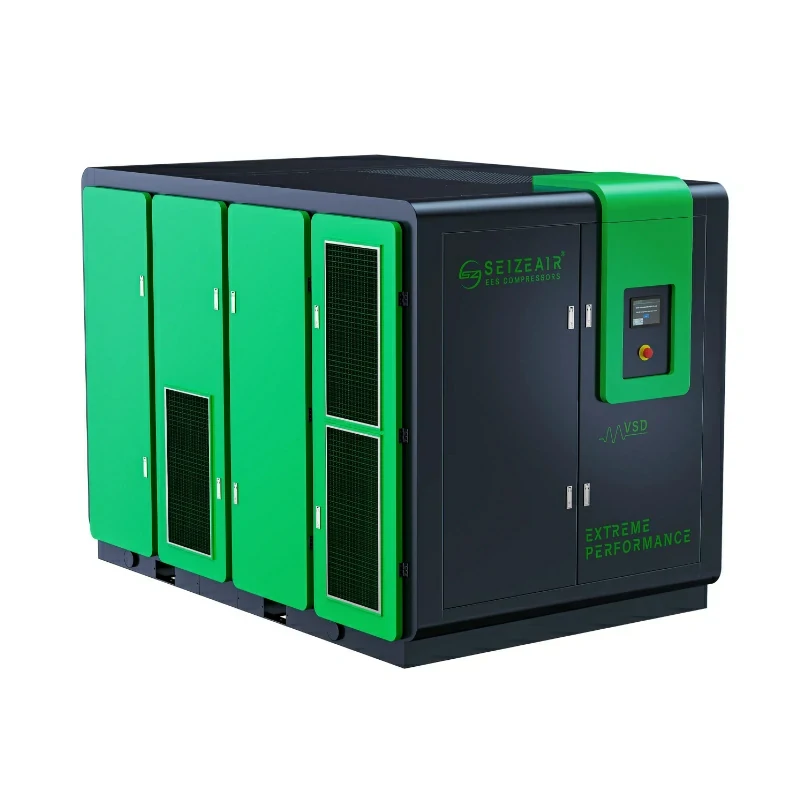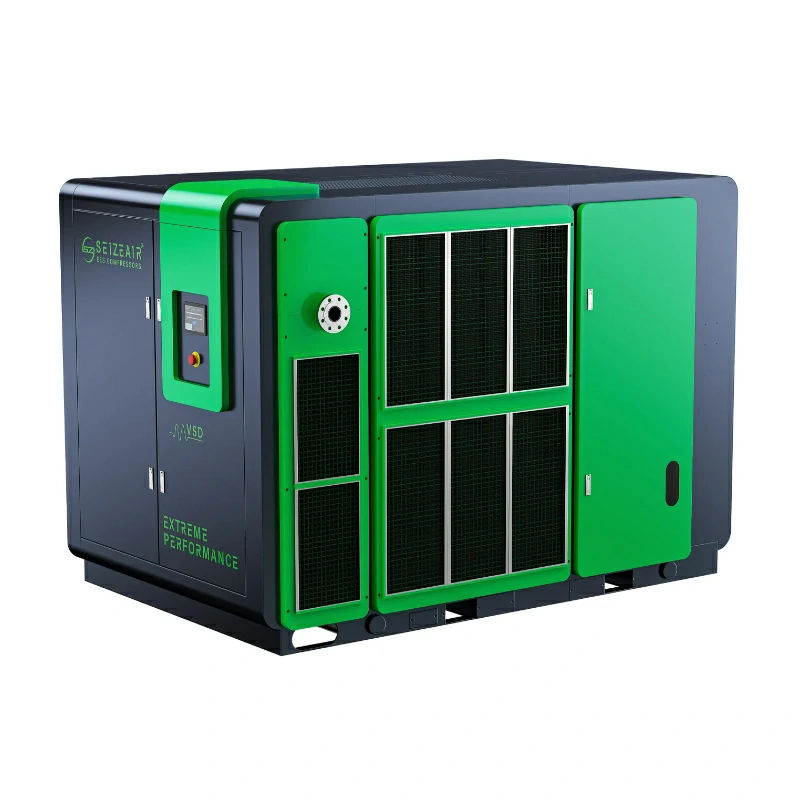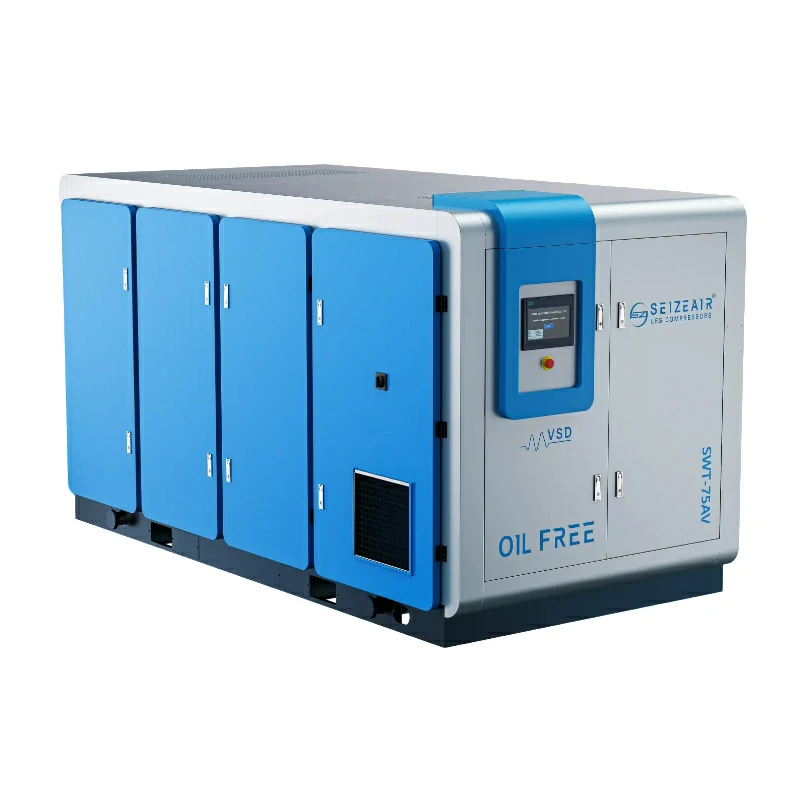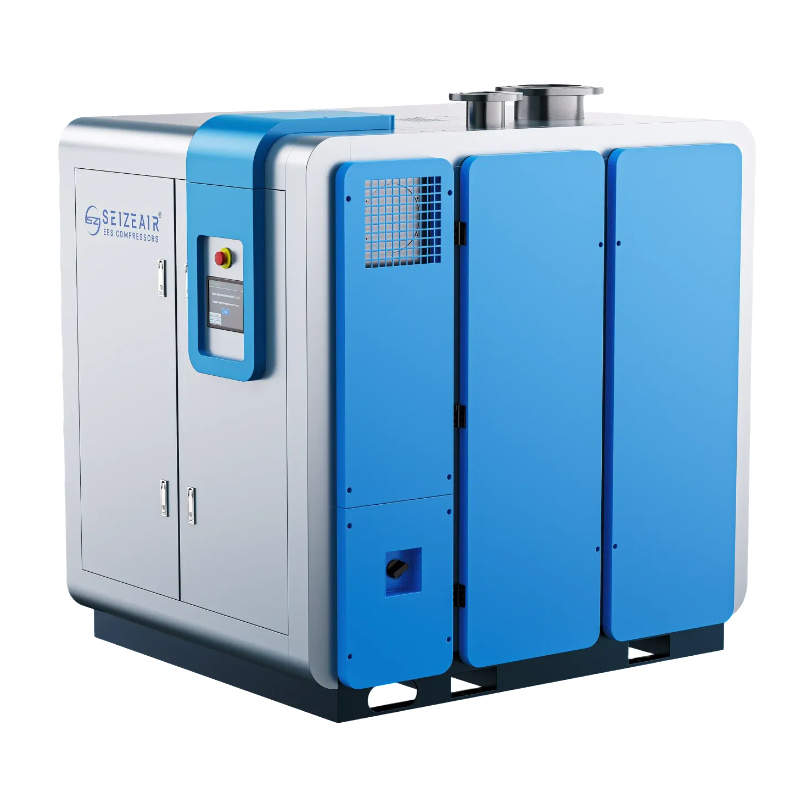


Implementing high-performance class 0 air compressor systems in pharmaceutical manufacturing is essential to prevent product contamination, safeguard cleanroom integrity, ensure strict ISO 8573-1 compliance, and mitigate catastrophic batch recall risks across all sterile production environments.
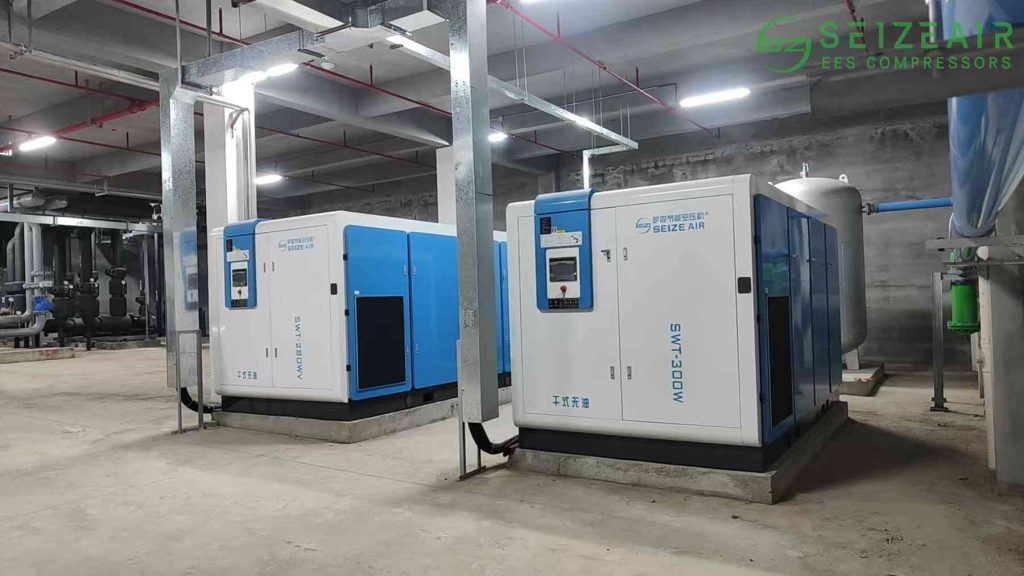
What Is a Class 0 Air Compressor and How Does ISO 8573-1 Define Oil Free Compressed Air in Pharma?
In pharmaceutical production, compressed air directly contacts Active Pharmaceutical Ingredients (APIs), sterile packaging, tablet coatings, and medical devices. ISO 8573-1 serves as the universal standard for compressed air purity, categorizing air quality based on three primary contaminant groups: oil, water, and solid particles.
While Class 1 air permits up to 0.01 mg/m3 of oil concentration, a certified class 0 air compressor goes beyond standard classifications. Class 0 guarantees air purity that exceeds Class 1 limits, requiring custom user-defined purity specifications where total oil levels—including aerosol, liquid, and vapor states—are strictly measured and certified at 0.00 mg/m3 under real-world operating conditions by independent testing authorities like TÜV.
Comparing Technical Oil Free Air vs True Class 0 Systems
Plant managers sometimes mistake standard oil-injected air compressors fitted with multi-stage inline coalescing filters and carbon beds for true oil-free solutions. This setup is known in the industry as “technically oil-free air.” In critical pharmaceutical environments, relying on downstream filtration to capture oil from an oil-lubricated compression chamber introduces unacceptable operational vulnerabilities.
| Feature / Metric | Technically Oil-Free (Oil-Injected + Multi-Stage Filtration) | True Class 0 Oil-Free Air Compressor System |
| Oil Contamination Risk | Continuous risk of filter media breach, drain valve failure, or high-temperature vapor bypass | Absolute zero risk of oil introduction at the compression chamber source |
| Maintenance Burden | High (frequent filter element replacements, liquid condensate disposal, pressure drop monitoring) | Low (no oil coalescing elements required in the direct compressed air path) |
| Energy Consumption | Increases continuously as filters clog, requiring higher compressor discharge pressures to compensate | Stable baseline differential pressure across the entire downstream treatment train |
| cGMP Compliance | Subject to intense FDA regulatory scrutiny due to single-point failure risks | Fully aligned with cGMP cleanroom protocols and ISO 8573-1 Class 0 validation |
| Vapor Phase Protection | Ineffective against ambient hydrocarbon vapor surges without massive activated carbon beds | Eliminates internal oil vapor risk entirely at the compression chamber level |
When running a class 0 oil free air compressor for pharmaceutical industry applications, the air stream remains free from liquid oil, oil aerosols, and oil-based vapors. A filter-based system, by contrast, operates on a delay: it attempts to strip out contaminants after they have already entered the air stream. If a drain clogs or an O-ring degrades under high heat, hundreds of gallons of oil-contaminated air can rush into sterile lines before sensors trigger an alarm.
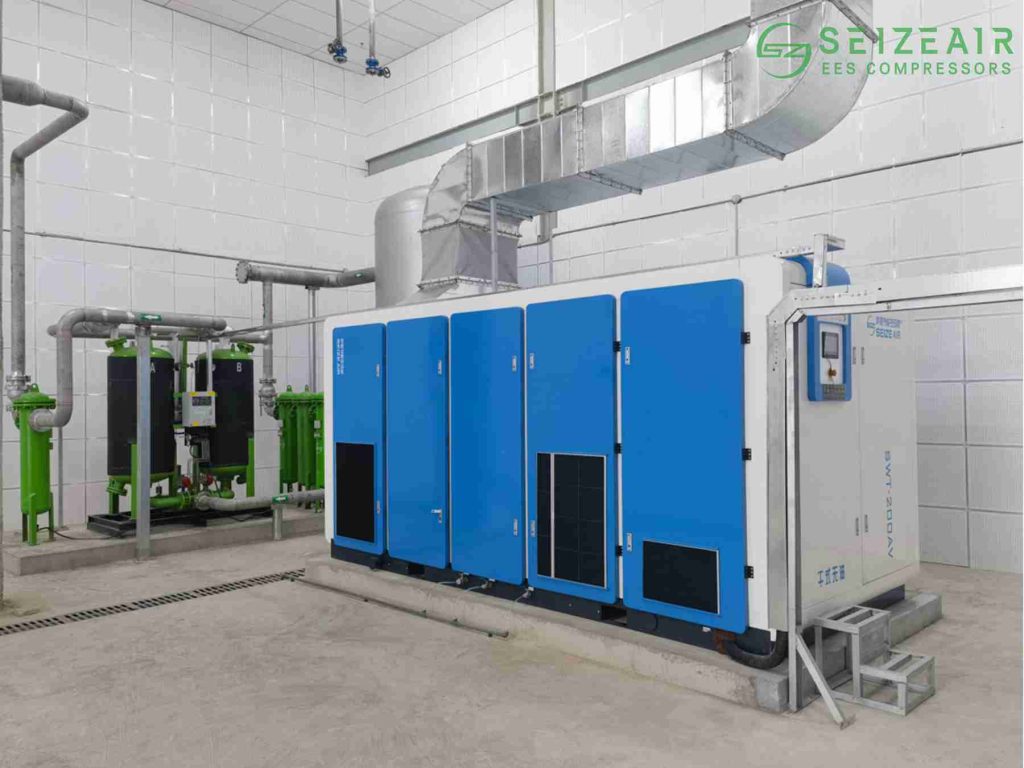
Why Is Zero Contamination Critical for Class 0 Air Compressor Applications in Cleanrooms?
Compressed air acts as both a motive power source and a direct process gas across almost every stage of drug formulation, processing, and packaging. Introducing trace amounts of oil aerosols, vaporized hydrocarbons, or micro-particles into a controlled environment disrupts sterile boundaries and carries severe financial, legal, and public health consequences.
Core Pharmaceutical Process Zones Demanding Oil-Free Air
- Tablet Coating and Fluid Bed Drying Systems: Compressed air atomizes aqueous or organic liquid coating solutions onto tablet beds and suspends granules in high-velocity drying airstreams. Any oil mist present in the air directly pollutes the drug matrix, changing tablet dissolution profiles, altering bioavailability, and causing surface defects like pitting or discoloration.
- Aseptic Filling and Blow-Fill-Seal (BFS) Machines: Form-fill-seal equipment relies on sterile compressed air to mold plastic vials, keep filling nozzles clear, and maintain positive differential pressure barriers inside isolation booths. Oil contamination inside BFS air circuits ruins sterile boundaries, leading to immediate batch rejection and mandatory equipment teardowns.
- Pneumatic Conveying of Dry Powders and Granules: Active ingredients and excipients are transferred through stainless steel piping networks using positive and negative pressure air streams. Trace hydrocarbons react with sensitive chemical compounds, causing particle agglomeration, cross-contamination, or active ingredient degradation.
- Blister Packaging Lines and Onsite Nitrogen Generation: Compressed air drives high-speed blister sealing actuators and feeds air separation membranes in onsite Pressure Swing Adsorption (PSA) Nitrogen plants. Trace hydrocarbon vapors ruin carbon molecular sieves and hollow-fiber membranes, leading to premature nitrogen generator failure and costly plant shutdowns.
Regulatory and Financial Impacts of Compressed Air Hydrocarbon Pollution
Under FDA 21 CFR Part 211 (cGMP for Finished Pharmaceuticals), compressed air used in sterile processing is classified as a critical utility. Any detection of oil vapors inside a cleanroom constitutes an immediate breach of cleanroom environmental controls.
Oil molecules act as an organic substrate for bacterial and fungal growth inside stainless steel distribution piping. Once a biofilm forms on the interior wall of a compressed air header, it cannot be removed through standard air flushing; the entire pipe assembly must be dismantled, chemically passivated, or completely replaced.
Industry Financial Reality: Scrapping a single contaminated batch of biologics, monoclonal antibodies, or sterile injectables costs between $250,000 and over $5,000,000. Beyond direct product loss, plants face FDA Form 483 inspection observations, formal warning letters, consent decrees, and long-term brand damage.
How Do Class 0 Rotary Screw Air Compressor Technologies Prevent Oil Contamination?
Achieving absolute zero oil contamination requires specialized mechanical engineering. Depending on plant flow requirements, operating pressures, and duty cycles, pharmaceutical engineers specify three main oil-free air compressor architectures.
1. Water-Injected Rotary Screw Air Compressor Units
Water-injected oil-free screw compressors use purified water (RO or DI water) as a natural lubricant, dynamic sealant, and heat absorber inside the compression chamber. Water’s exceptional specific heat capacity absorbs compression thermal energy instantly, keeping discharge temperatures low (~45°C to 50°C).
These near-isothermal compression conditions deliver outstanding thermodynamic efficiency without using any synthetic or mineral lubricants near the air seals. The internal water circuit is continuously filtered and monitored for conductivity to ensure no mineral buildup occurs on rotor profiles.
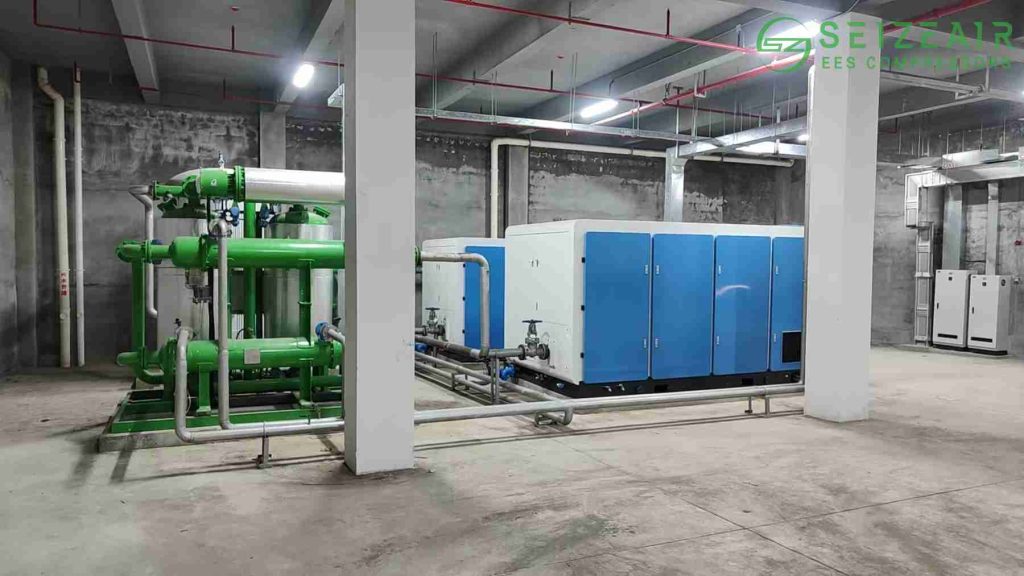
2. Dry Two-Stage Rotary Screw Compressors
Dry screw compressor technology utilizes precision-machined male and female rotors coated with specialized food-grade ceramic or PTFE-based coatings. Because no liquid sealing medium exists inside the compression chamber, air compression is split across two distinct stages with an intermediate air-cooled or water-cooled intercooler to control heat build-up.
Synchronized external timing gears drive the rotors so their surfaces never physically touch, ensuring mechanical longevity and absolute oil-free air delivery. Advanced solutions engineered by manufacturers like Seize Air feature multi-vented labyrinth seals, atmospheric venting zones, and mechanical oil-stop rings along the rotor shafts. This multi-barrier construction makes it physically impossible for gearbox lubricant to travel along the shaft into the compression chamber, even during sudden pressure drops or seal wear.
3. Dynamic Oil-Free Centrifugal Air Compressors
For continuous high-volume baseload air demands (exceeding 1,500 CFM), dynamic centrifugal compressors deliver ISO Class 0 air using non-contacting air bearings or active magnetic levitation bearings alongside stainless steel impellers. Because the rotating assembly floats on air or magnetic fields without liquid lubricant film inside the housing, internal oil contamination is fundamentally engineered out of the machine.
What Components Are Essential in a Pharmaceutical Class 0 Compressed Air Station Setup?
Installing a certified class 0 air compressor is only the first step in building a compliant air utility system. The downstream air treatment equipment must maintain purity standards across variable ambient temperatures, humidity fluctuations, and changing plant demand.
Moisture Extraction and Pressure Dew Point (PDP) Standards
Oil-free air contains ambient moisture vapor that must be extracted to prevent rust, pipe scale, and microbial growth. ISO 8573-1 Class 1 or Class 2 for humidity specifies pressure dew points between -40°C PDP and -70°C PDP.
To achieve this, pharmaceutical plants use twin-tower heatless, blower-reactivated, or heat-of-compression (HOC) desiccant air dryers. HOC dryers use the heat naturally generated during the compression process to regenerate saturated desiccant beds, lowering total energy consumption across continuous 24/7 production runs.
Particulate and Sterile Point-of-Use Filtration Arrays
While a class 0 oil free air compressor prevents lubrication oil from entering the system, downstream air treatment trains must manage environmental dust and desiccant fines. High-efficiency particle filters (0.01 micron) capture desiccant dust downstream of adsorption dryers.
At critical cleanroom discharge points, 0.2-micron hydrophobic membrane sterile filters remove all airborne bacteria and micro-particles. These point-of-use filter housings feature high-grade 316L stainless steel construction with internal surface finishes polished to Ra < 0.4 µm, supporting frequent Clean-In-Place (CIP) and Steam-In-Place (SIP) sterilization cycles.
Energy Management via Variable Speed Drive (VSD) Integration
Air compressors represent one of the largest electrical loads in any pharmaceutical facility. Running fixed-speed compressors during periods of partial plant load causes energy waste through unload cycles and blow-off venting.
Integrating Variable Speed Drive (VSD) technology adjusts motor RPM in real time to match instantaneous plant air consumption, maintaining a stable header pressure (within ±0.1 bar). Systems developed by Seize Air integrate VSD smart-inverter technology with permanent magnet (PM) motors, reducing electrical power usage by up to 35% compared to conventional fixed-speed machines while maintaining strict output air purity.
How Do You Calculate the Total Cost of Ownership for a Class 0 Air Compressor System?
Selecting a class 0 air compressor requires evaluating total Life Cycle Cost (LCC) over a 10-year operating period rather than focusing on the initial purchase price alone.
The Life Cycle Cost Calculation Model
The total cost profile of an industrial pharmaceutical air compressor is expressed as:
LCC = CapEx + OpEx + Maintenance + Risk Mitigation
Where:
- CapEx: Initial capital cost covering compressor unit acquisition, receiver tanks, air treatment plant, and physical installation.
- OpEx: Total electrical power consumed over 10 years of operation.
- Maintenance: Scheduled replacement of air inlet filter elements, desiccant media, shaft seals, valves, cooler flushing, and major stage overhauls.
- Risk Mitigation: Financial reserves set aside to cover potential batch contamination risks, differential pressure energy losses from inline oil filters, and unscheduled downtime events.
Energy Impact of Pressure Drop across Inline Filters
In “technically oil-free” compressed air stations, multi-stage coalescing and carbon filters cause significant internal air pressure drops. A typical downstream filter array creates a pressure drop between 0.5 bar and 1.2 bar over its operating lifecycle.
In industrial compressed air systems, every 1 bar increase in discharge pressure requires approximately 7% more electrical power input at the motor shaft.
By installing a true class 0 air compressor, facilities remove heavy oil-removal coalescing filter stages from the main distribution line, operating at lower system pressures and saving thousands of dollars in annual energy costs.
What Are the Most Common PAA Questions Regarding Class 0 Air Compressor Selection?
How to verify class 0 air compressor ISO 8573-1 certification?
To verify true Class 0 air purity, plant managers should request a third-party certification report executed by an accredited testing body like TÜV, SGS, or BCAS. The test must follow ISO 8573-5 protocols (measuring oil vapor via gas chromatography) and ISO 8573-2 protocols (measuring liquid and aerosol oil content) across a range of ambient operating temperatures, up to at least 40°C to 50°C.
What is the price difference between class 0 oil free vs oil injected compressor options?
A true oil-free class 0 compressor carries an initial capital expenditure (CapEx) roughly 40% to 70% higher than an oil-injected compressor of equivalent airflow capacity. This price difference reflects high-precision rotors, advanced thermal coatings, dual-stage compression air ends, and multi-barrier seal designs. However, when factoring in lower maintenance expenses, reduced pressure drop energy losses, zero coalescing filter replacements, and complete product risk mitigation, the Class 0 system delivers a lower total cost of ownership over its operating lifespan.
How often should a class 0 air compressor be audited in a cGMP environment?
In cGMP facilities, compressed air validation audits occur every 6 to 12 months. Testing involves taking particulate counts, dew point measurements, biological air samples, and total hydrocarbon readings at both critical distribution headers and point-of-use outlets. Many modern pharmaceutical plants also install continuous online Photoionization Detector (PID) monitoring systems to track total volatile organic compounds (TVOC) in real time.
Can a class 0 air compressor reduce cleanroom filter replacement costs?
Yes. Operating an oil-free system like those manufactured by Seize Air prevents hydrocarbon vapor and oil mist from entering cleanroom ventilation trunks and point-of-use lines. This prevents oil fouling on expensive terminal HEPA and ULPA filter media, extending their operational lifespan and significantly cutting cleanroom maintenance costs.
What pressure dew point is required for a class 0 air compressor in pharmaceutical manufacturing?
While Class 0 directly regulates oil content, pharmaceutical specifications usually require combining Class 0 oil purity with ISO 8573-1 Class 1 or Class 2 pressure dew points (-40°C PDP to -70°C PDP). This low dew point prevents moisture condensation inside distribution headers, stopping bacterial growth and rust formation.
Protect Your Pharmaceutical Operations with Verified Class 0 Air Quality
Securing your drug manufacturing line against batch contamination starts with absolute air purity at the utility source. Partnering with experienced air utility specialists allows you to select, install, and validate a compressed air system tailored to your specific process parameters and cleanroom requirements.
Contact our application engineering team today to request a comprehensive compressed air system audit, evaluate your ISO 8573-1 compliance requirements, or configure an energy-efficient Class 0 oil-free compressed air solution designed specifically for your manufacturing facility.