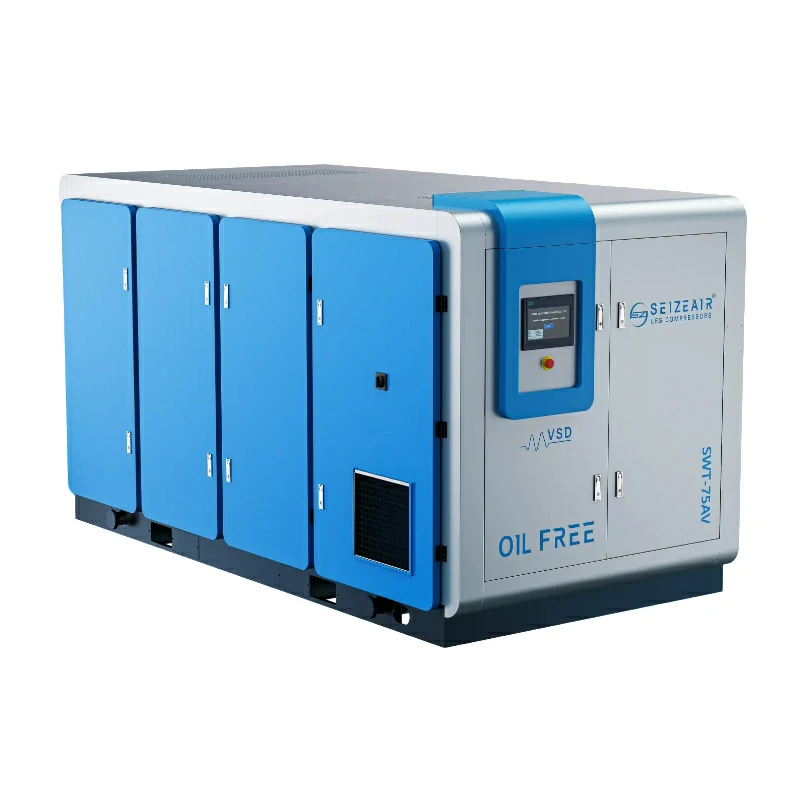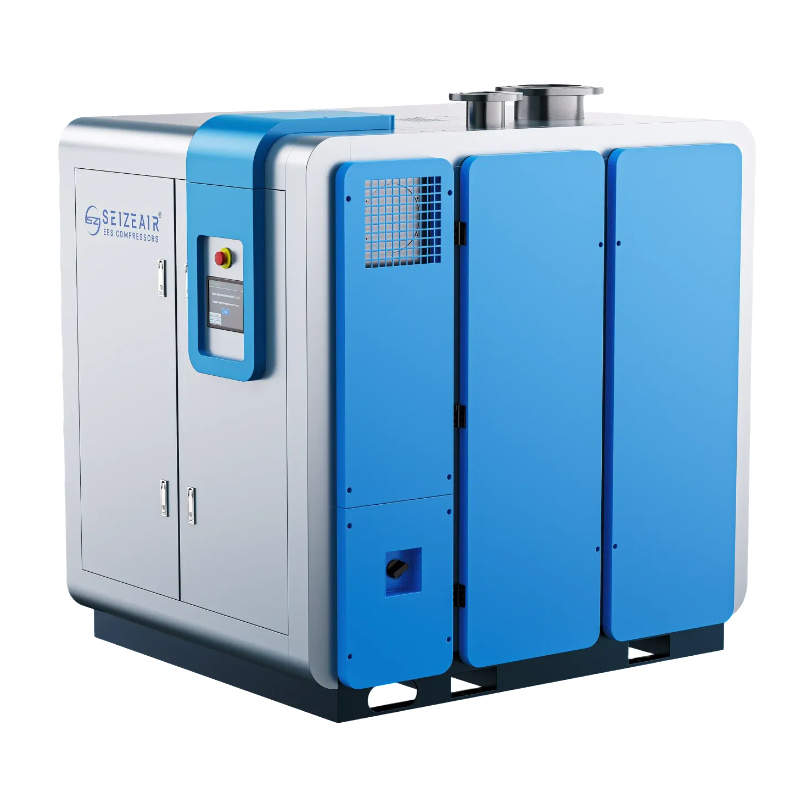


Air compressor parts wear out, and finding the right replacement for your exact model is what separates a 30-minute fix from a week of production downtime. This guide shows you how to identify your machine, read a parts diagram, weigh OEM against aftermarket, and source replacements that actually fit — so the unit goes back to work instead of gathering dust.
What Are the Main Air Compressor Parts?
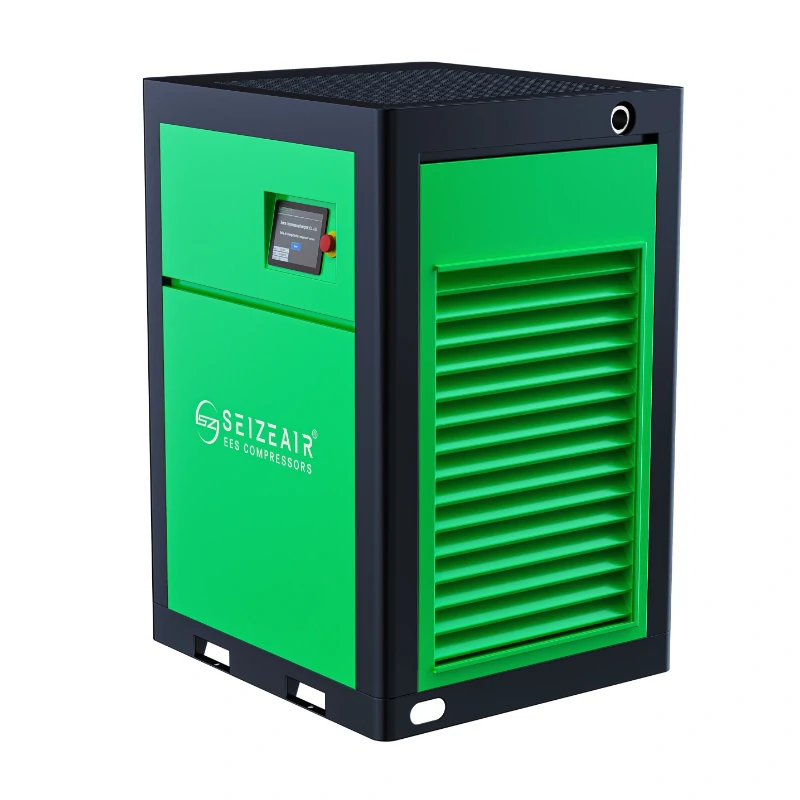
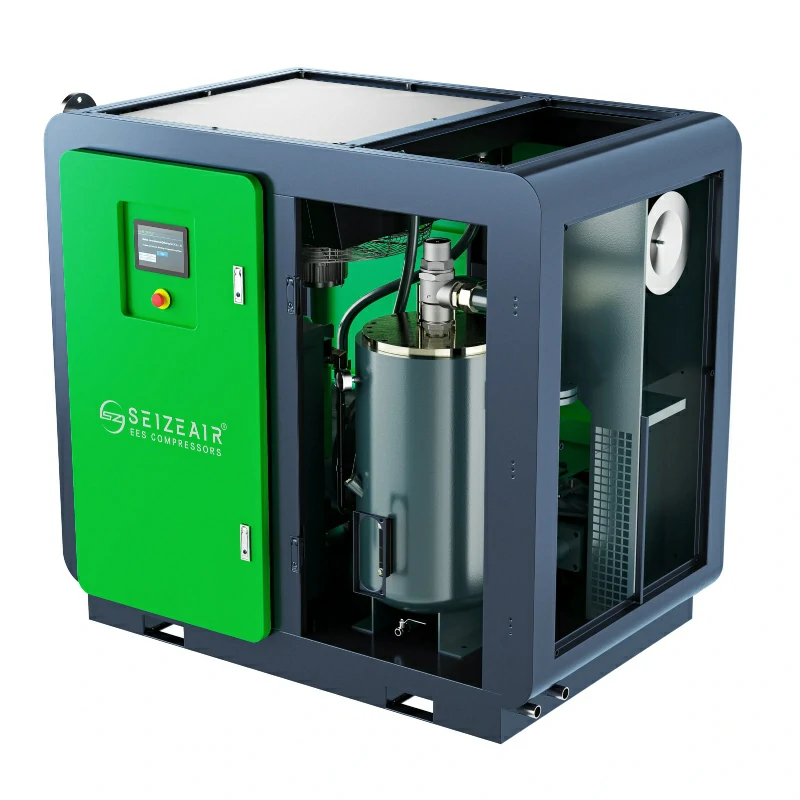
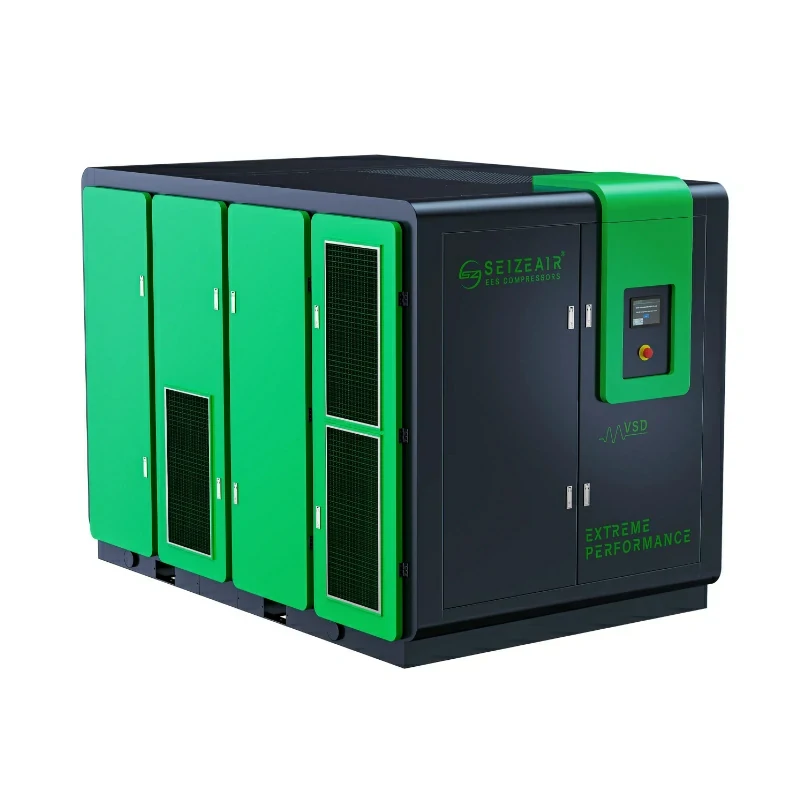
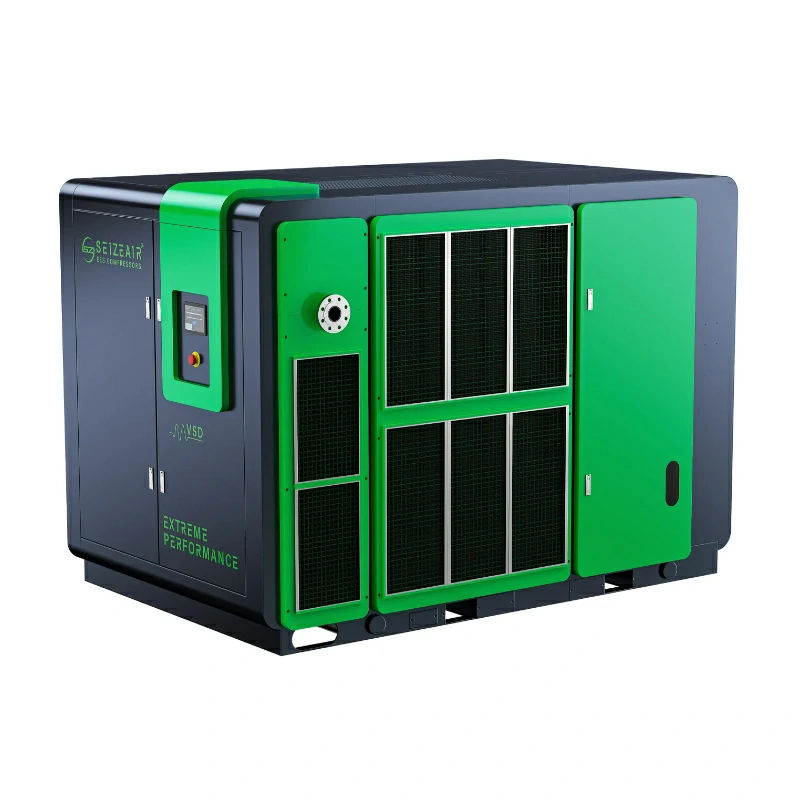
Before you can order anything, you need a working picture of what is inside the cabinet. A compressor is a chain of components, and a failure anywhere in that chain stops the whole machine. On an oil-injected screw air compressor, the air end (or airend) and its rotor pair do the actual compressing, while a motor, drive, and a stack of valves and filters keep the process stable. Piston units swap the rotor pair for a reciprocating pump; centrifugal machines replace it with an impeller spinning at high speed.
The parts that break most often are rarely the big castings. They are the consumables and the small precision items: seals, valves, filters, belts, and the electronics that tell the motor when to start and stop. Knowing which box each part lives in helps you talk to a supplier without guessing.
| Part | What it does | Common failure sign |
|---|---|---|
| Air end / airend | Compresses air via the rotor pair | Loss of pressure, rising discharge temp |
| Motor | Drives the air end | Overheating, trip on start |
| Inlet valve | Controls air intake and loading | Won’t load, hunts at idle |
| Minimum pressure valve | Holds system pressure at the separator | Low downstream pressure |
| Thermostat valve | Routes oil by temperature | High discharge temperature |
| Oil separator | Splits oil from the air stream | High oil carryover in the line |
| Air filter | Cleans intake air | Restricted flow, dusty element |
| Pressure switch | Cuts the motor at set psi | Won’t stop, won’t start |
| Drive (belt / coupling) | Transmits power to the air end | Squeal, vibration, slip |
| Receiver tank | Stores compressed air | Rust, leaks at welds |
That table is a map, not a shopping list. Your specific model uses a subset of these, and the part numbers differ by year, variant, and even by which factory built the unit. The next step is finding the stamp that tells you exactly which subset is yours.
How Do I Find My Air Compressor Model and Serial Number?
Every order for air compressor parts should start at the nameplate. The model number tells a supplier which drawing to open; the serial number tells them which revision of that drawing was built that week. Skip this and you will be guessing, and guesses arrive as the wrong box.
The plate is usually a small metal or plastic tag riveted to the cabinet, the motor, or the air end itself. On skid-mounted and containerized units it is often on the control-panel door. On smaller portable machines it may be under the handle or behind a side panel. The fields you care about are MODEL, SERIAL (or SN), and sometimes a BUILD or REV code.
+-----------------------------+
|  SAMPLE NAMEPLATE           |
|  Model:   SAV-37PM-VF       |
|  Serial:  2026-0412-8831    |
|  Power:   37 kW / 50 HP     |
|  Pressure: 8 bar           |
|  Build:   2026-04  (REV C)  |
+-----------------------------+
Write both numbers down before you call anyone. Photograph the plate too — a fuzzy photo of a stamped serial is still better than a number you misread over the phone. If the plate is gone or unreadable, the motor nameplate and the air-end tag are your backup; a good supplier can often trace the machine from those.
How Do I Read an Air Compressor Parts Diagram?
A parts diagram is just an exploded drawing with numbers pinned to each component. The numbers point to an index at the bottom or on a second page that gives the description, the quantity, and the order code. You do not need to be a mechanic to use one — you need to match the number on the drawing to the number in the index, then read the code beside it.
Most diagrams use the same conventions, and once you know them the drawing stops being intimidating:
| Marking on the diagram | What it means |
|---|---|
| Numbered circle or flag | Item number, matches the index row |
| Dashed outline | Optional or variant part, not on every build |
| “QTY” column | How many of that item per assembly |
| “REF” | Reference only, not sold separately |
| “N/A” | Not used on your variant |
Two practical habits save money here. First, check the QTY column — ordering one when the assembly needs four is a second shipping charge. Second, watch for “REF” items; chasing a part number that the factory never sells separately wastes a week. If your drawing is missing or you only have a photo of the broken part, move to the matching method below.
What Is the Difference Between OEM and Aftermarket Air Compressor Parts?
OEM means original equipment manufacturer — the part made or approved by the company that built your compressor. Aftermarket means a third party made it to fit. Neither is automatically right or wrong, but the gap matters more on some machines than others. A permanent magnet variable frequency screw compressor, for instance, relies on tightly toleranced air-end bearings and a specific rotor coating; a cheap copy of either can cut efficiency and shorten the airend’s life.
OEM pros: guaranteed fit, matched materials, usually covered by the machine warranty when installed to spec. OEM cons: higher price and sometimes longer lead time for obsolete models. Aftermarket pros: lower cost and wider availability, good for non-critical items like generic hose clamps or universal filters. Aftermarket cons: fit and material can drift, and a wrong tolerance on a pressure-bearing part is a real safety issue, not just a nuisance.
The rule we use with customers: buy OEM for anything that touches oil pressure, discharge air, or the rotating group; aftermarket is fine for cosmetic and truly generic items. When in doubt, ask the supplier which way they would run it on their own floor.
Which Air Compressor Parts Fail Most Often?
If you only stock a few spares, stock these. They fail on almost every type of compressor, and they fail on a schedule you can plan around. The table below is a field average, not a promise — your duty cycle and environment move the numbers.
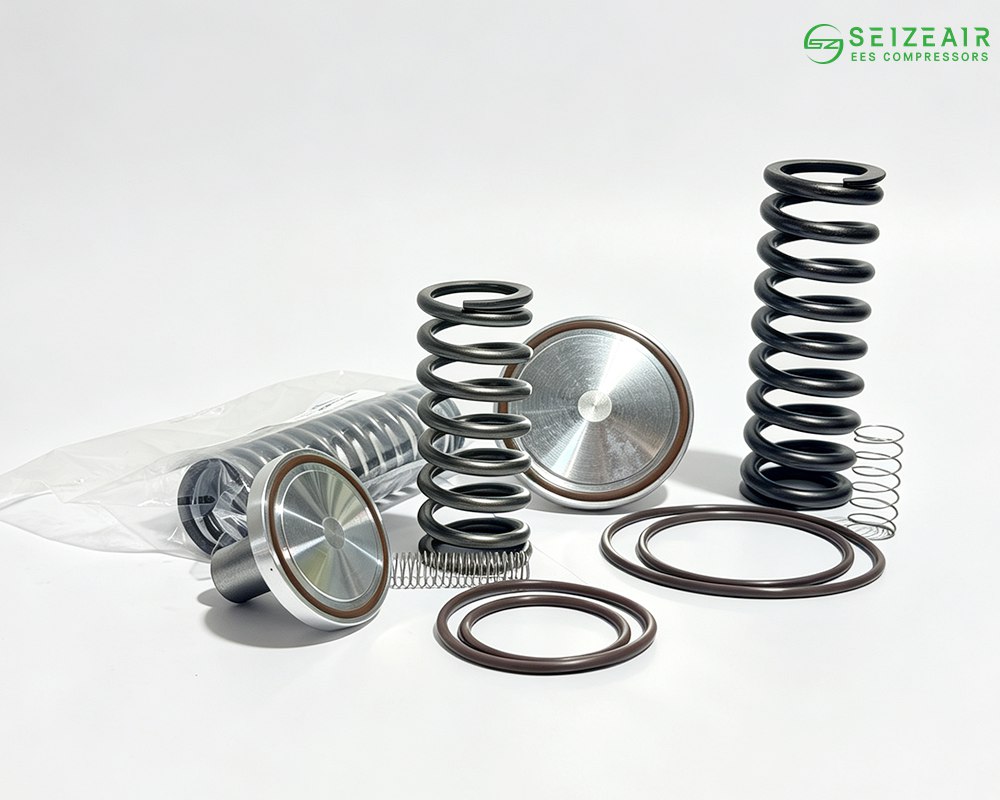
| Part | Typical interval | Why it fails |
|---|---|---|
| Air filter element | 500–2000 operating h | Dust loading, clogged media |
| Oil filter | 1000–2000 operating h | Contamination, bypass |
| Oil separator | 2000–4000 operating h | Pressure differential builds up |
| Drive belt | 2000–4000 operating h | Stretch, glazing, slip |
| Shaft seal | 4000–8000 operating h | Wear and heat cycling |
| Inlet valve kit | 4000–8000 operating h | Carbon buildup, sticking |
| Coupling | 8000–12000 operating h | Fatigue, misalignment |
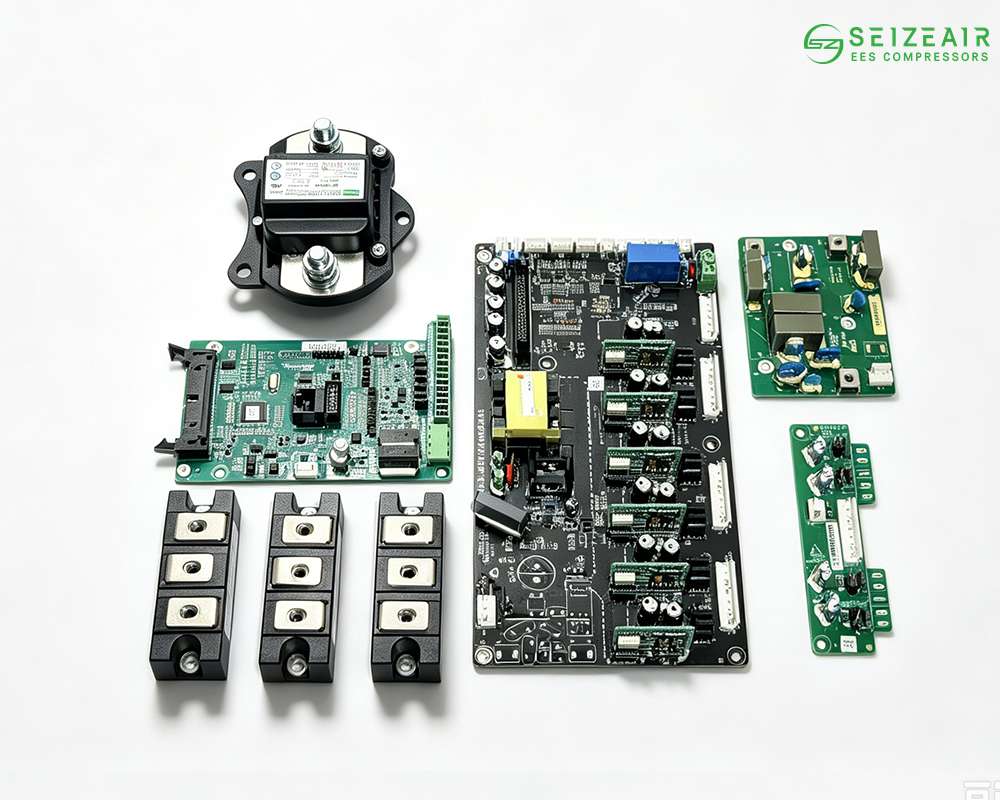
| Contactor / relay | 5–10 years | Arc wear, contact pitting |
Notice the pattern: the cheap, easy items fail often, and the expensive rotating parts fail slowly. A maintenance plan that swaps the cheap items on time is what keeps the expensive ones alive. The parts most likely to strand you without warning are the valve kit and the coupling — both are worth keeping on the shelf for any machine that runs daily.
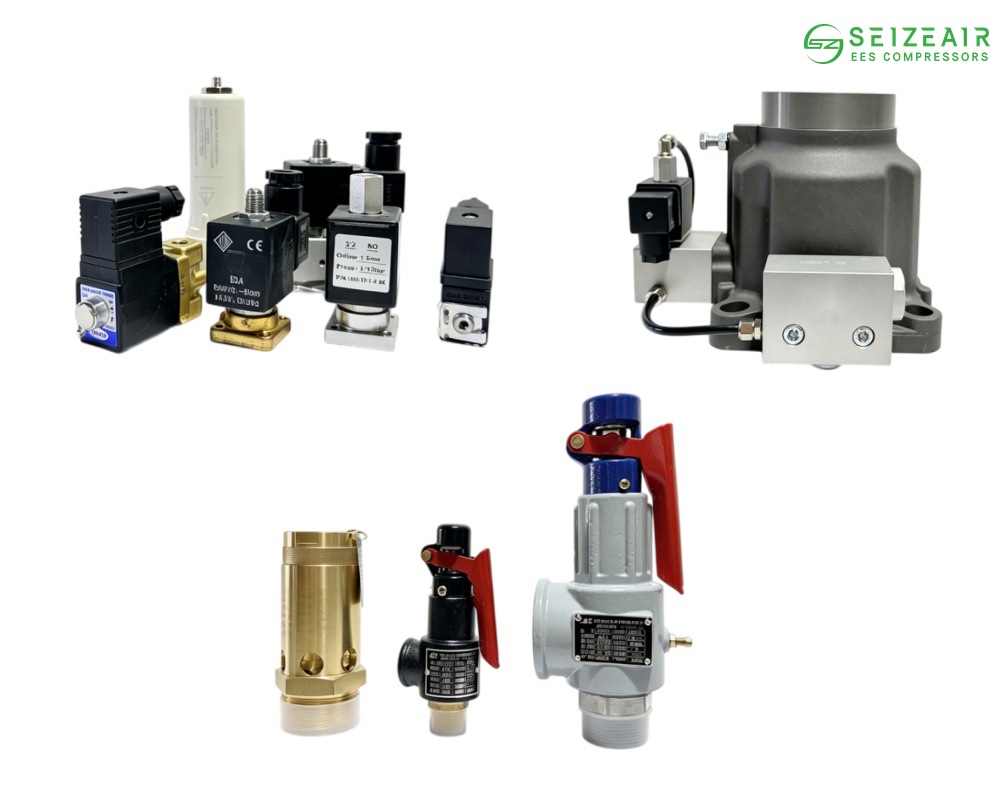
How Do I Match Air Compressor Parts to My Specific Model?
This is the question every buyer actually asks: “how do I know what air compressor part I need?” The answer is a three-step match — model, revision, and dimension.
Start with the model and serial from the nameplate. Open the correct parts diagram and circle the item number. Read its order code. If the code is a bare number with no letters, it is likely an internal fastener and you may need the next assembly up. If it has a prefix, that prefix often points to the subsystem (valve, seal, filter, electrical).
When the drawing is missing, match by dimension and specification instead. For a two-stage screw air compressor, intercooler gaskets and second-stage rotors carry their own codes that the first stage does not use — measure the bore, count the bolt holes, and confirm the stage before ordering. A tape measure beats a guess every time.
You can also lean on a plain formula to set the service window instead of waiting for a breakdown:
Filter_change_hours = base_interval_hours x load_factor, where load_factor = (actual_running_hours_per_day / rated_hours_per_day). If you run two shifts, load_factor is roughly 2, so halve the interval. Oil separator and belt intervals scale the same way.
Cross-reference catalogs help when you are matching a competitor’s part to a replacement. They list the original code next to the equivalent, but treat them as a starting point — confirm the dimension before you commit, because two parts with the same cross code can differ in a gasket or an o-ring that is not in the photo.
Where Can I Buy Genuine Air Compressor Parts?
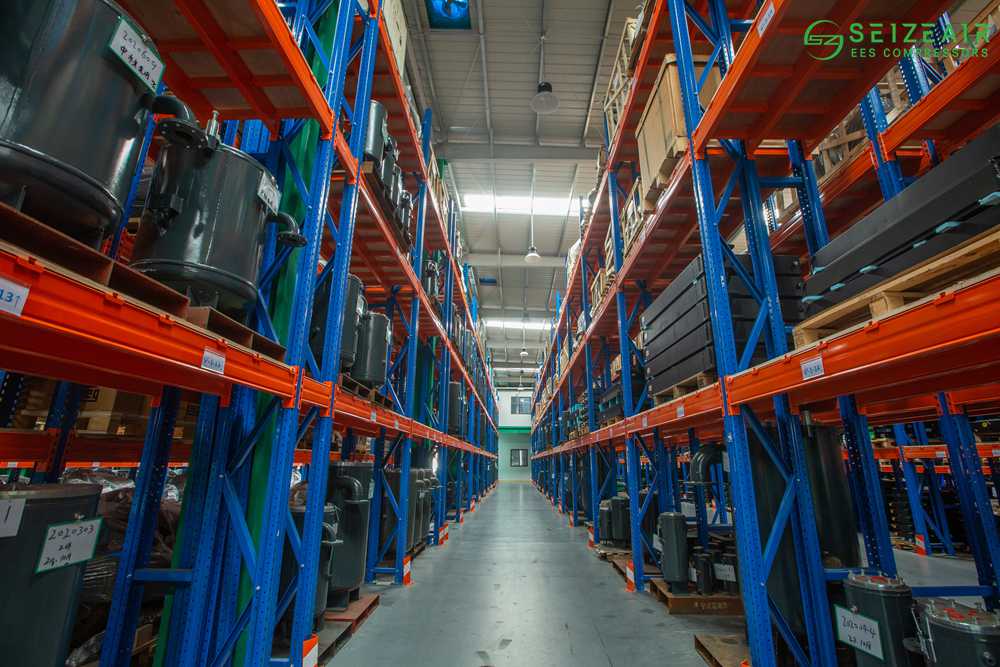
You have three real channels: the original manufacturer, an authorized dealer, and a third-party distributor. The manufacturer or its authorized network is the only place you get a part that is guaranteed to be the current revision. Dealers add local stock and faster delivery but usually at a small markup. Distributors are cheapest for generic items and fastest for common consumables, with the trade-off that fitment is on you.
If you run an oil-free screw air compressor in a food, pharma, or electronics line, this choice stops being about price. Only certified non-lubricated seals and bearings will pass an audit, and a wrong material can contaminate a whole batch. Buy those through the manufacturer’s channel without exception.
Working with an air compressor spare parts source that publishes model-specific lists shortens the whole process: you send the model and serial, they return the exact codes, and you avoid the back-and-forth that turns a same-day fix into a two-week wait. Before you pay, check three things — that the part number matches your revision, that the price includes the correct variant, and that the supplier will take it back if the box is wrong through no fault of yours.
How Much Do Air Compressor Parts Cost?
Costs swing widely by type, so ranges are more honest than a single number. Consumables are cheap: an air filter element runs from a few dollars to twenty for a large industrial element; an oil filter is similar. A separator is the first real expense, often from thirty to a few hundred dollars depending on flow. Valve kits and shaft seals land in the low hundreds. The air-end rebuild kit — rotors, bearings, seals — is the big one, sometimes reaching into the thousands for large industrial machines.
What drives the price is not just the metal. Lead time, revision, and certification push it up. An oil-free certified seal costs more than a standard one because the material and traceability are different. A part for an obsolete model costs more because it is made to order. When a quote looks high, ask whether a suitable alternative revision exists; sometimes a newer code drops the price and improves the part.
How Often Should Air Compressor Parts Be Replaced?
Replace on hours, not on failure. Most compressors log running hours on the controller; if yours does not, fit an hour meter — it pays for itself the first time it prevents an unplanned stop. A precision filter downstream of the compressor should be swapped on a fixed hour meter too, because a clogged element quietly drops air quality and forces every upstream part to work harder.
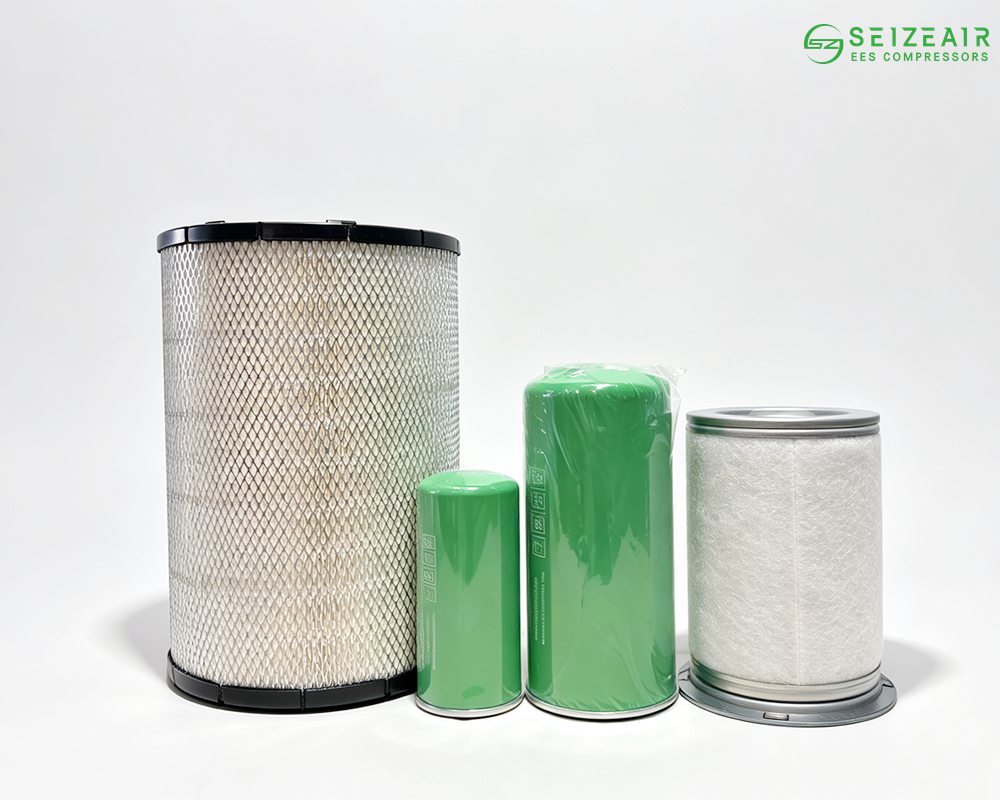
Pair that with a refrigerated air dryer and you protect the downstream valves from moist air that would otherwise rot them from the inside. The dryer has its own service items — a refrigerant filter, a condensate drain valve — and those belong on the same schedule as the compressor consumables.
For the drive, a quick hand check beats a calendar:
Belt_deflection_check: press the mid-span of the belt with about 5 kg of thumb pressure; acceptable deflection is 10–15 mm. More than 20 mm means re-tension or replace. A coupling shows trouble as vibration and a dark powder at the guard, not as a slow drift you can measure.
Can I Use Generic or Aftermarket Air Compressor Parts?
Yes — for the right items. Generic hose clamps, standard nuts and bolts, universal breather filters, and basic gaskets are safe to buy aftermarket because their specs are fixed and their failure is inconvenient rather than dangerous. Where you should not compromise is anywhere the part holds pressure, seals oil, or spins at speed. A bargain minimum-pressure valve that sticks open dumps your system pressure; a cut-rate shaft seal leaks oil onto a hot motor.
The test is simple: if the part fails, what breaks next? If the answer is “just the part,” aftermarket is fair game. If the answer is “the air end” or “the motor,” buy OEM. This is also where build quality varies most between suppliers, so a name you can trace matters more than a price you cannot verify.
How Do Air Compressor Parts Differ Across Compressor Types?
The core idea is the same on every machine — squeeze air, control it, clean it — but the parts that do it are not interchangeable. A centrifugal air compressor uses an impeller and diffuser where a screw machine uses a rotor pair, and the repair skills (and the spare parts) are a different world. Matching the right part starts with knowing which family your machine belongs to.
| Compressor type | Signature parts you will order |
|---|---|
| Rotary screw (oil-injected) | Air-end rebuild kit, oil separator, thermostat valve, inlet valve |
| Oil-free screw | Non-lubricated seals, bearings, rotors, certified gaskets |
| Piston / reciprocating | Piston kit, rings, reed valves, head gasket, unloader |
| Scroll | Scroll set, motor, shaft seals, check valve |
| Centrifugal | Impeller, diffuser, bearings, thrust collar, inlet guide vane |
Cross-shopping between families is the most common ordering mistake we see. A “universal” filter might thread on but pass the wrong micron rating; a “standard” belt might fit the pulley but carry the wrong load rating. Always confirm the family first, then the model, then the revision.
Quick Checklist Before You Order Air Compressor Parts
Run this list before you hit buy, and you will avoid most returns:
• Model and serial written down and photographed.
• Correct parts diagram open, item numbers circled.
• Order codes copied exactly, including letters and revision.
• QTY checked against the assembly, not just the single item.
• Compressor family confirmed (screw, piston, scroll, centrifugal).
• Pressure- and speed-bearing parts set to OEM; generic only for cosmetic items.
• Supplier will accept a return if the box is wrong through no fault of yours.
• Hour meter or service date noted so the next interval is already known.
Need the exact part numbers for your machine?
You do not have to decode the drawing alone. Send us your model and serial and our application team will confirm the correct air compressor parts, match them to the right revision, and tell you whether an OEM or aftermarket option makes sense for your duty cycle. When you are ready, reach our team through the contact page and we will get your compressor back online fast.
Seize Air is a global manufacturer of energy-efficient air compressors, with R&D, production, and service under one roof. The guidance above reflects field practice across screw, oil-free, piston, scroll, and centrifugal installations.