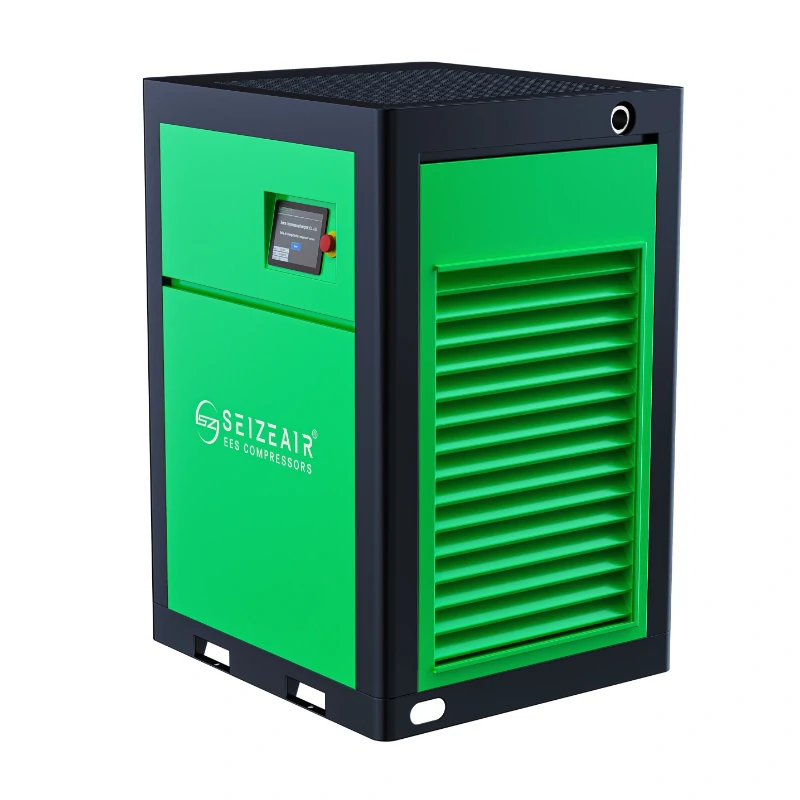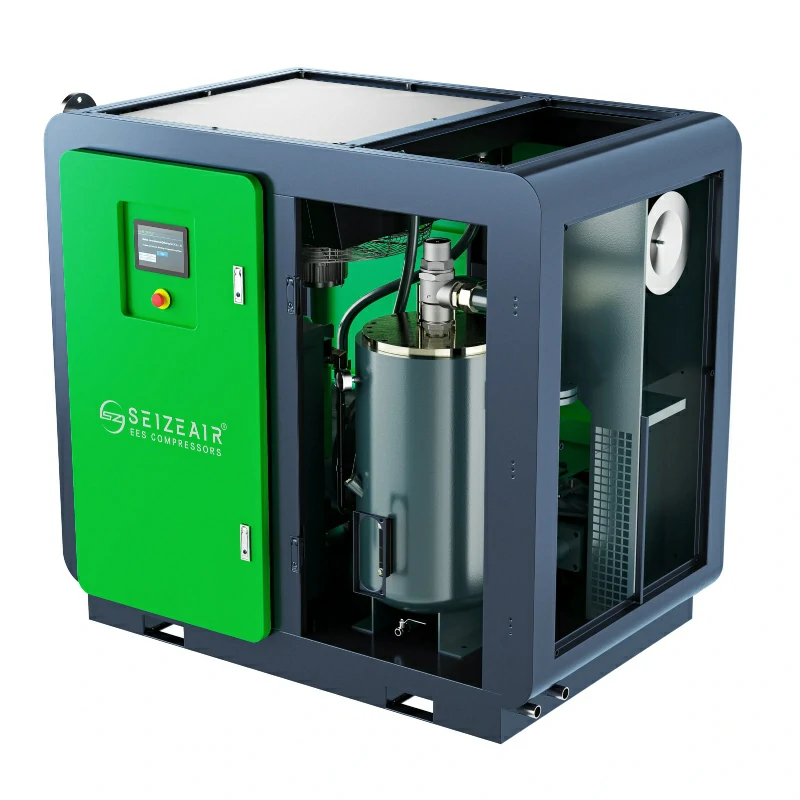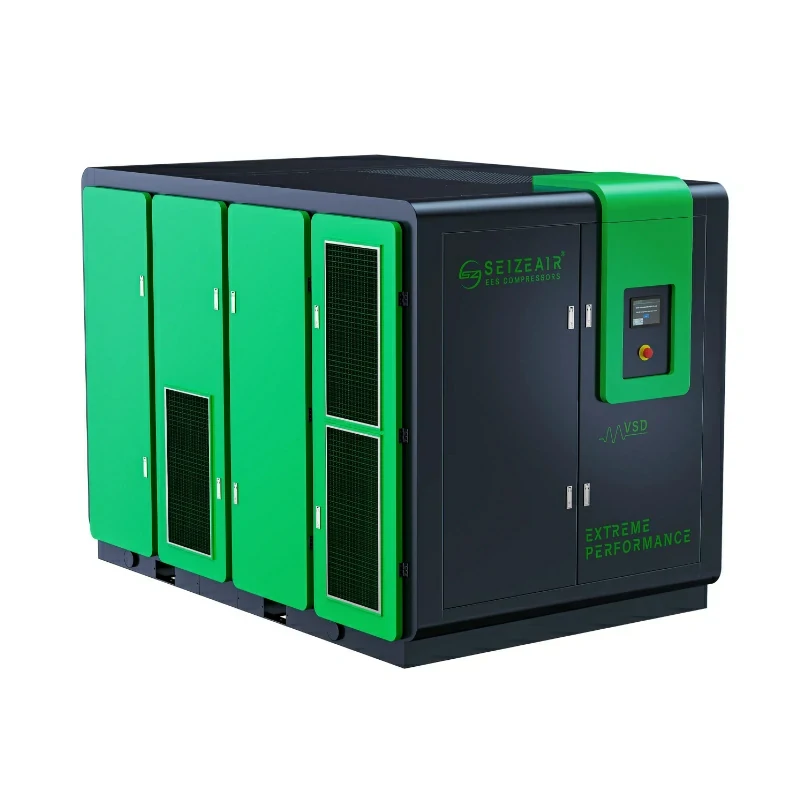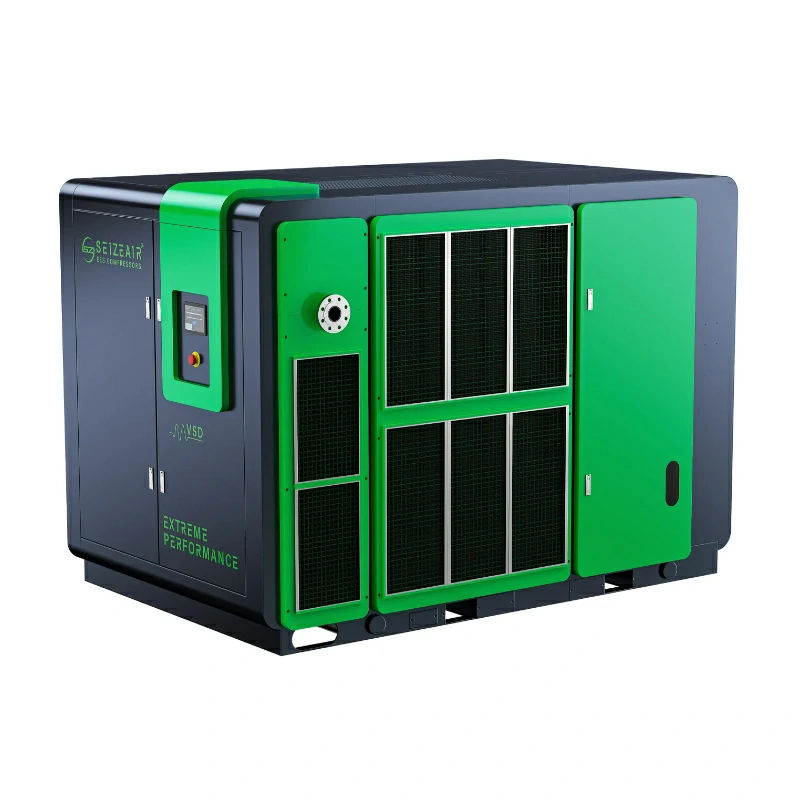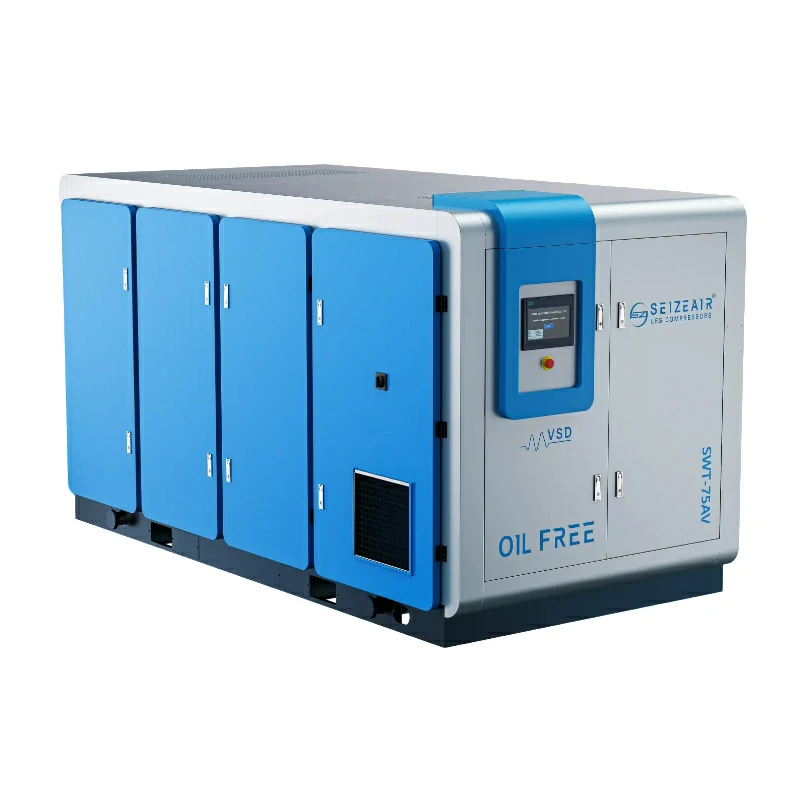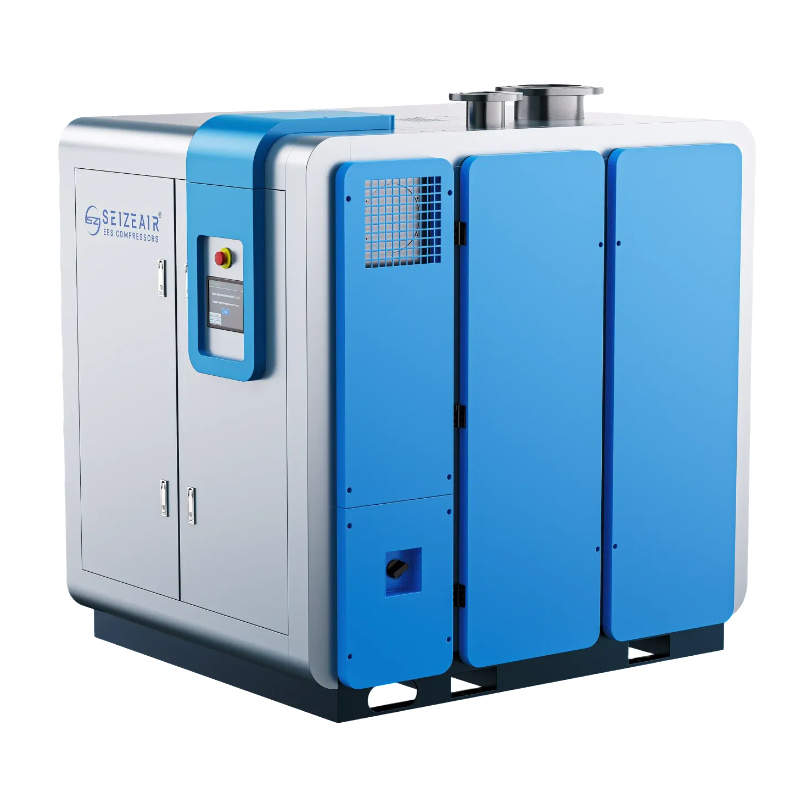


For high-volume collision repair, a commercial-grade 7.5 hp air compressor is the definitive industry sweet spot, delivering the sustained 22 to 30 CFM required to run demanding pneumatic dual-action (DA) sanders and HVLP spray guns simultaneously without pressure drops. Choosing the wrong configuration can lead to overheating pumps, moisture in your paint lines, and costly shop downtime. This comprehensive guide breaks down the absolute top-tier units on the market, analyzes critical electrical and pump specs, and explains how to configure a flawless, fish-eye-free air system.
Why Should an Auto Body Shop Choose a 7.5 HP 2-Stage Air Compressor 80 Gallon System?
In a busy automotive restoration or collision repair facility, air volume is everything. While smaller 5 hp hobbyist units might suffice for intermittent wrenching, a professional shop demands a heavy-duty 7.5 hp 2-stage air compressor configuration to sustain continuous tool operations.
The magic behind a two-stage pump lies in its efficiency. Instead of compressing air to its final pressure in one stroke, a two-stage system compresses air in a primary large cylinder, routes it through an intercooler tube to shed heat, and compresses it a second time in a smaller cylinder up to 175 PSI. Storing air at 175 PSI in an 80-gallon reservoir gives you a massive buffer of usable air. When the air expands through your regulator down to tool operating pressure (typically 90 PSI for sanders or 25 PSI for spray guns), it stays cooler and drier, preventing the condensation issues that plague single-stage pumps.
Ultimate Performance Comparison for Collision Repair Facilities
To help you balance air volume, electrical capacity, and floor space, this table compares the most reliable industrial configurations available today.
| Compressor Engineering Type | CFM Output @ 90 PSI | Tank Style & Footprint | Electrical Requirement | Ideal Shop Application |
| Industrial Cast Iron Piston | 24.00 – 25.50 CFM | 80-Gallon Vertical | 230V / Single or 3-Phase | 2-3 Bay Body & Prep Shops |
| Seize Air Elite Piston Series | 25.80 CFM | 80-Gallon Vertical | 230V / Single or 3-Phase | Continuous Sanding & Painting |
| Premium Rotary Screw Unit | 26.00 – 28.50 CFM | 80-Gallon Horizontal | 230V or 460V / 3-Phase | 3-5 Bay Production Shops |
| Seize Air Silent Screw Series | 27.00 CFM | 80-Gallon Base-Mount | 230V / Single Phase | Noise-Sensitive Commercial Zones |
What are the Main Differences Between a 7.5 HP 3 Phase Air Compressor and a Single Phase Unit?
Before purchasing any heavy machinery, you must verify your facility’s electrical panel. A 7.5 hp 3 phase air compressor is the standard choice for buildings located in commercial industrial parks. Three-phase power delivers a continuous, wave-like flow of electricity using three separate alternating currents, which allows industrial electric motors to start smoother, run cooler, and consume less total amperage.
If your shop operates out of a rural location, residential zone, or mixed-use commercial space without access to utility three-phase power, you will need a single-phase motor. A single-phase 7.5 hp motor pulls significantly more current during startup (often requiring a dedicated 40-amp or 50-amp breaker). Regardless of the phase you choose, a motor of this size cannot be safely operated by a simple pressure switch alone; it must feature a pre-wired magnetic starter to shield the motor windings from voltage fluctuations and thermal overloads.
Is a 7.5 HP Single Phase Rotary Screw Air Compressor Worth the Extra Investment?
For decades, reciprocating piston pumps dominated the automotive repair industry. However, more shop owners are switching to a 7.5 hp single phase rotary screw air compressor due to its superior duty cycle and air cleanliness. Piston compressors are typically rated for a 60% to 70% duty cycle, meaning they need to rest for 20 minutes out of every hour to avoid overheating. If your technicians are block-sanding continuously, a piston pump will run non-stop, shooting scorching hot, moisture-laden air directly down your lines.
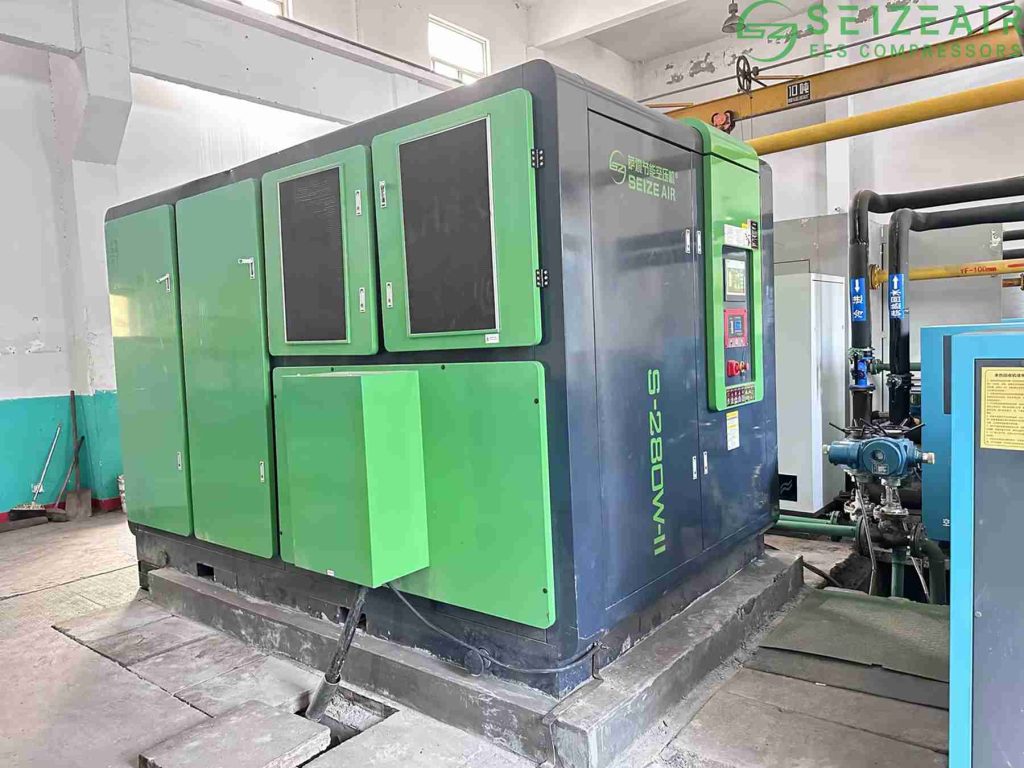
A rotary screw pump uses two intermeshing helical rotors to compress air continuously without any metal-to-metal contact. This allows for a true 100% duty cycle—it can run 24 hours a day, 7 days a week, without breaks. Furthermore, screw compressors carry vastly less oil aerosol downstream than traditional piston rings, giving your paint booth an immediate layer of protection against finish contamination. Brands like Seize Air offer highly advanced, compact single-phase screw options, bringing industrial-grade performance to shops that lack three-phase power.
What is the Quietest 7.5 HP Air Compressor for Garage and Small Shop Layouts?
Noise pollution is a serious issue that leads to technician fatigue and compliance complaints from neighboring businesses. If your compressor lives inside the main workspace rather than a dedicated equipment room, finding a quiet 7.5 hp air compressor for garage environments is essential.
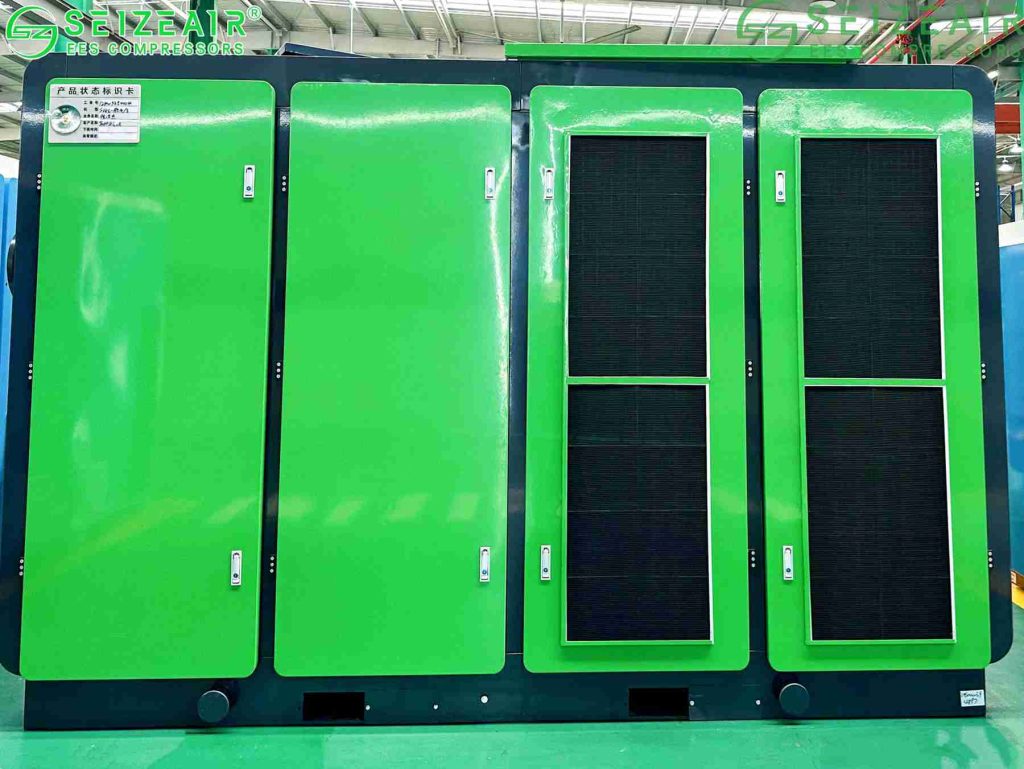
Standard reciprocating piston compressors operate at a loud, jarring 80 to 85 dBA, forcing everyone in the shop to shout to be heard. If you must use a piston unit, look for a low-RPM cast-iron pump. Pumps engineered to run between 700 and 900 RPM produce a much lower, less disruptive pitch than cheap, high-RPM aluminum pumps. For the ultimate in noise reduction, a cabinet-enclosed rotary screw compressor operates between 62 and 68 dBA. That is roughly the same sound level as a split-system air conditioner, allowing you to mount the machine directly next to your prep bays without disrupting production.
Auto Body Shop Tool Air Consumption Matrix
To ensure your new system provides adequate headroom, map out your simultaneous tool usage using the data below:
| Air Tool Type | CFM Required @ 90 PSI | Average Duty Cycle | Simultaneous Use Factor |
| HVLP Paint Spray Gun | 12.00 – 15.00 CFM | High (During spraying) | 1.0 (Must have dedicated air) |
| 6-Inch Dual-Action Sander | 11.50 – 13.00 CFM | Extremely High | 1.5 (Multi-user overlap) |
| Pneumatic File Board | 13.00 – 14.50 CFM | High | 0.5 (Intermittent shaping) |
| Abrasive Sandblast Cabinet | 18.00 – 25.00 CFM | Continuous | 1.0 (Heavy demand) |
| 1/2-Inch Air Impact Wrench | 5.00 – 7.00 CFM | Very Low | 0.2 (Quick lug nut removal) |
How Do You Design a Dry Air Line System for Flawless Auto Painting?
Buying a top-tier compressor is only half the battle; if your plumbing line design is flawed, your paint gun will still spit water and oil onto your fresh clear coat.
The Drop-Leg and Loop Piping Layout
Never run flexible rubber hoses or cheap PVC lines directly from the tank receiver to your workspace. PVC can rupture under pressure, and rubber hoses trap moisture inside. Instead, build a loop system using copper, anodized aluminum, or high-density piping.
- The Pitch: Slope your main overhead lines slightly away from the compressor tank (about 1 inch of drop for every 10 feet of pipe run). This guides condensed water toward your moisture traps rather than letting it pool in the middle of the line.
- The Drop Legs: When dropping lines down to a workstation, always pull the air from the top of the main line using a gooseneck pipe loop. Run the drop leg down past your tool outlet filter and install a simple manual ball valve at the very bottom. This allows you to blow out trapped water every morning before starting work.
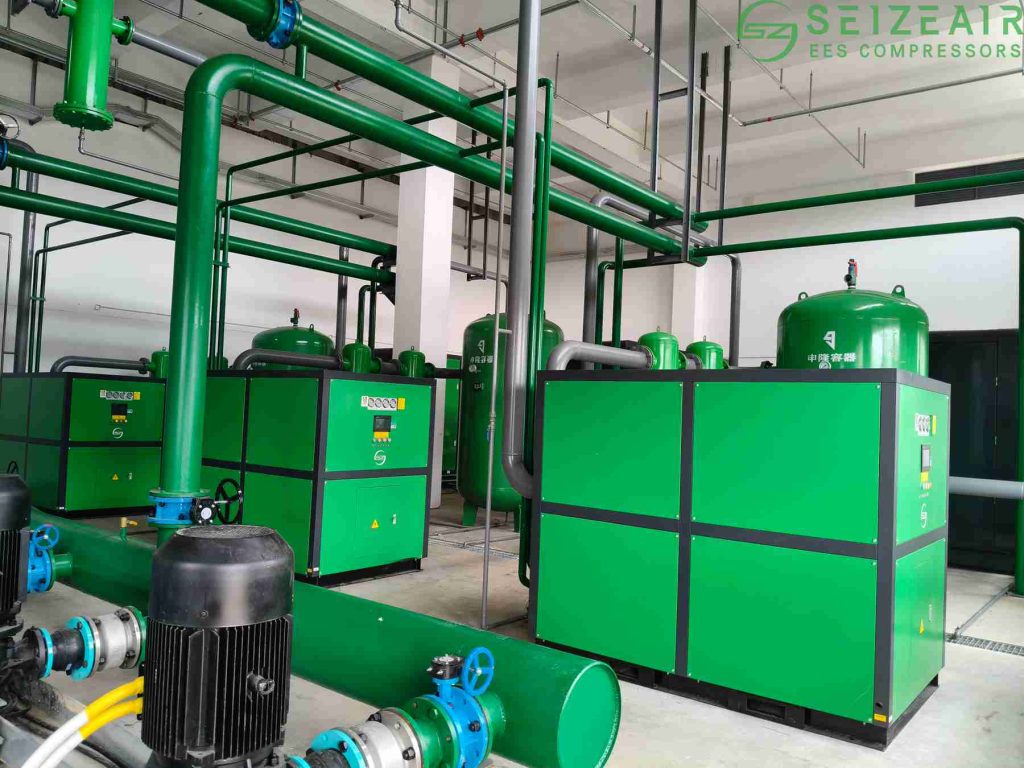
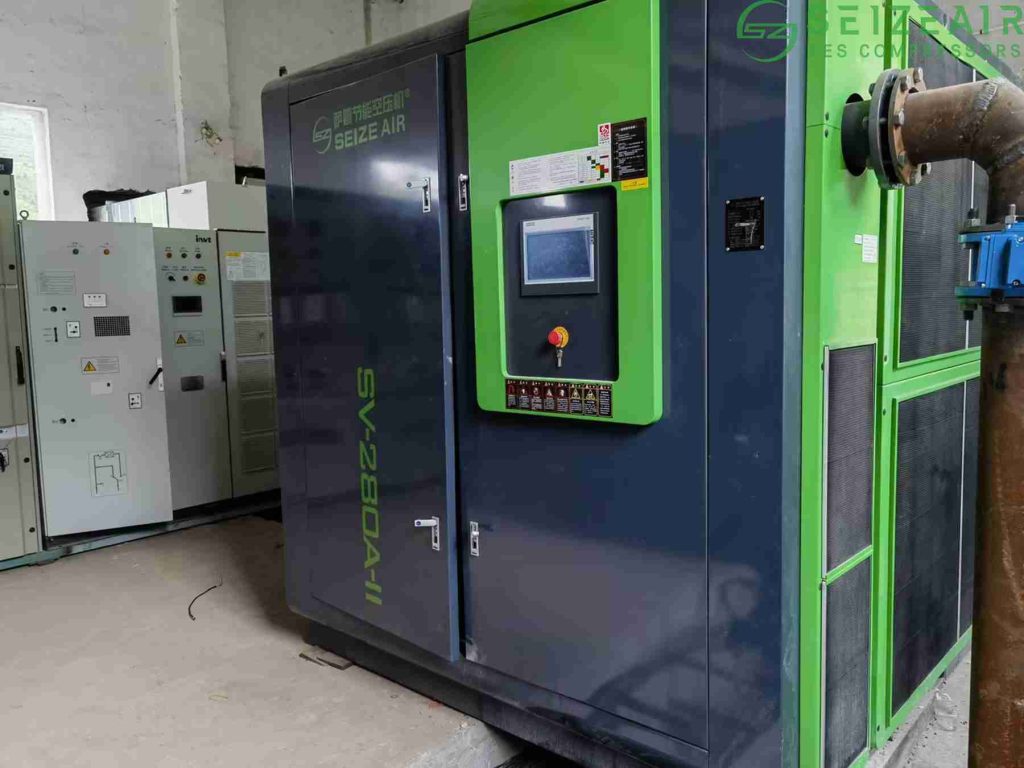
- The Drying System: If you operate a commercial paint booth, an inline refrigerated air dryer is mandatory. This device lowers the air temperature to 35 degrees Fahrenheit, forcing all moisture to turn into liquid so an automatic drain can eject it. For clean, stress-free operations, Seize Air designs fully integrated air stations that combine the 7.5 hp pump, tank, and refrigerated dryer into one pre-piped, ready-to-run package.
Accelerate Your Shop’s Performance Today
Investing in a premium 7.5 hp air system is the single best way to eliminate bottlenecks in your auto body workflow, banish paint defects, and keep your air tools running at maximum power.
If you are ready to upgrade your shop’s infrastructure or need help calculating your exact electrical and CFM requirements, our team of commercial air specialists is here to assist. We can guide you through selecting the ideal pump style, tank configuration, and filtration system for your specific layout. Contact us today to request a comprehensive, tailored quote and discover how a professional air system can maximize your daily shop production!