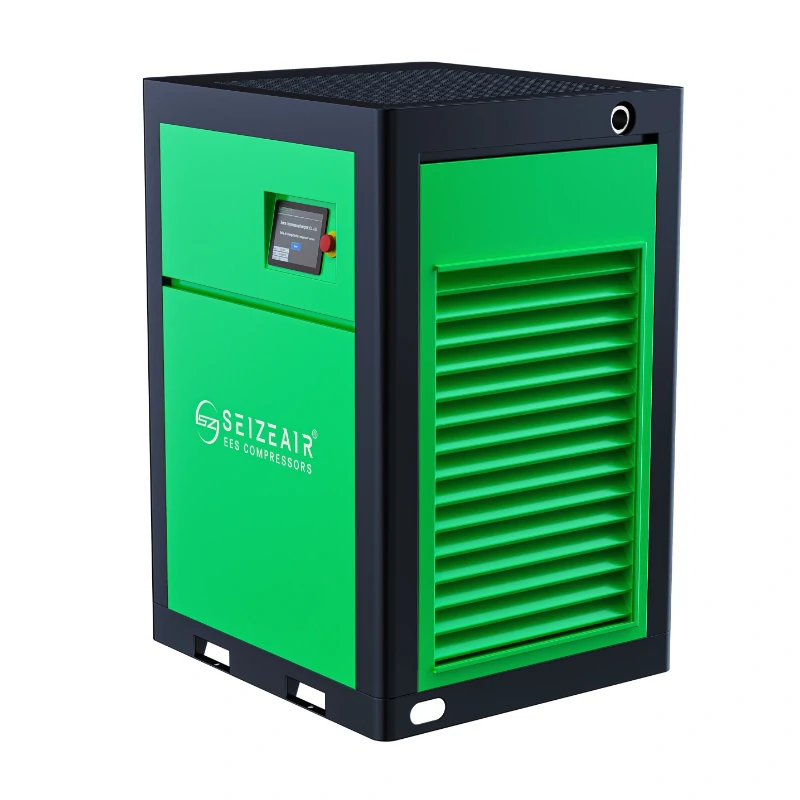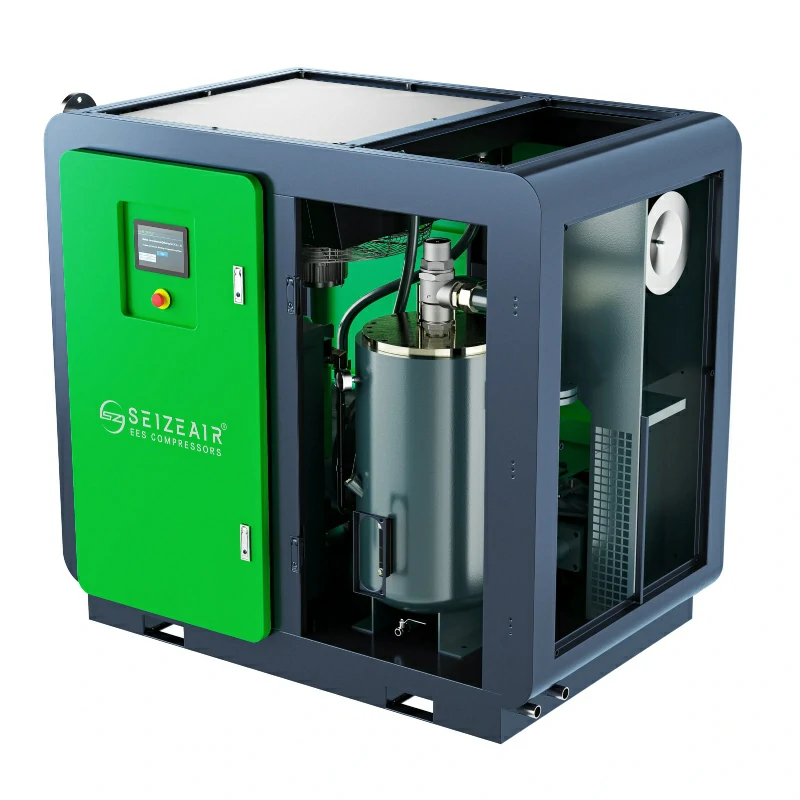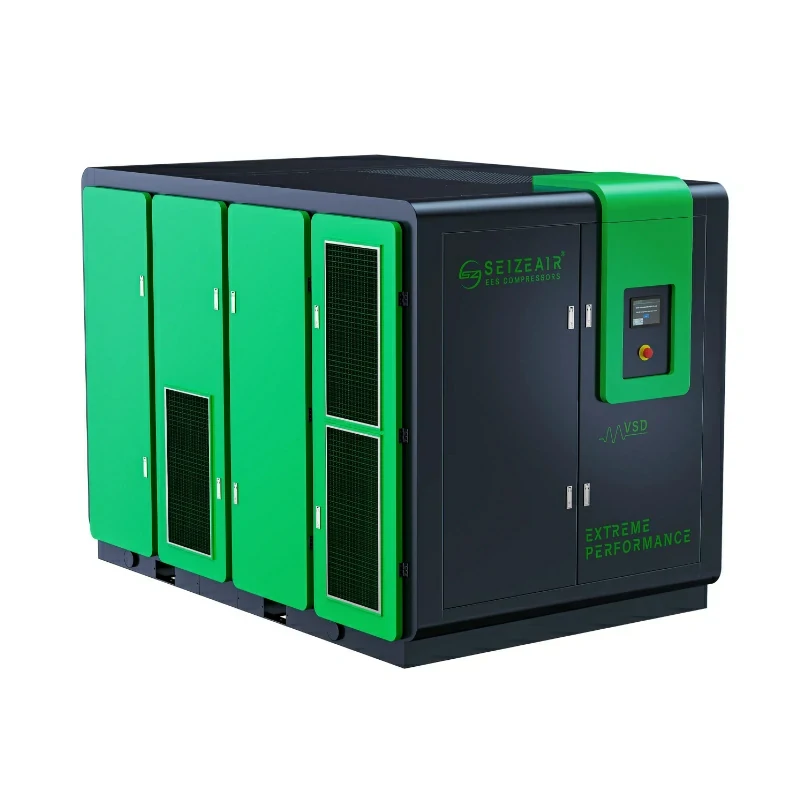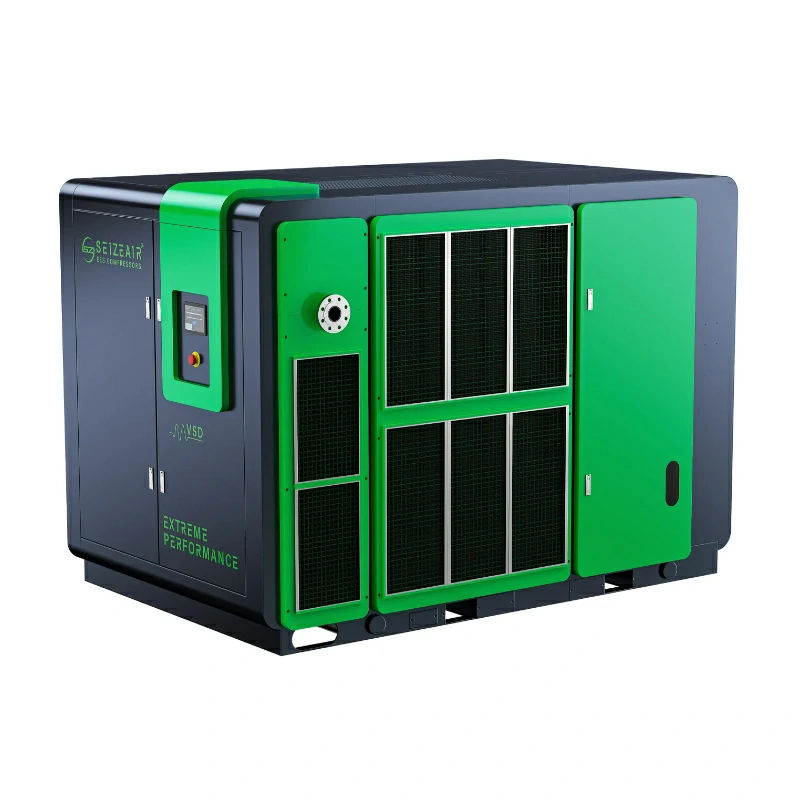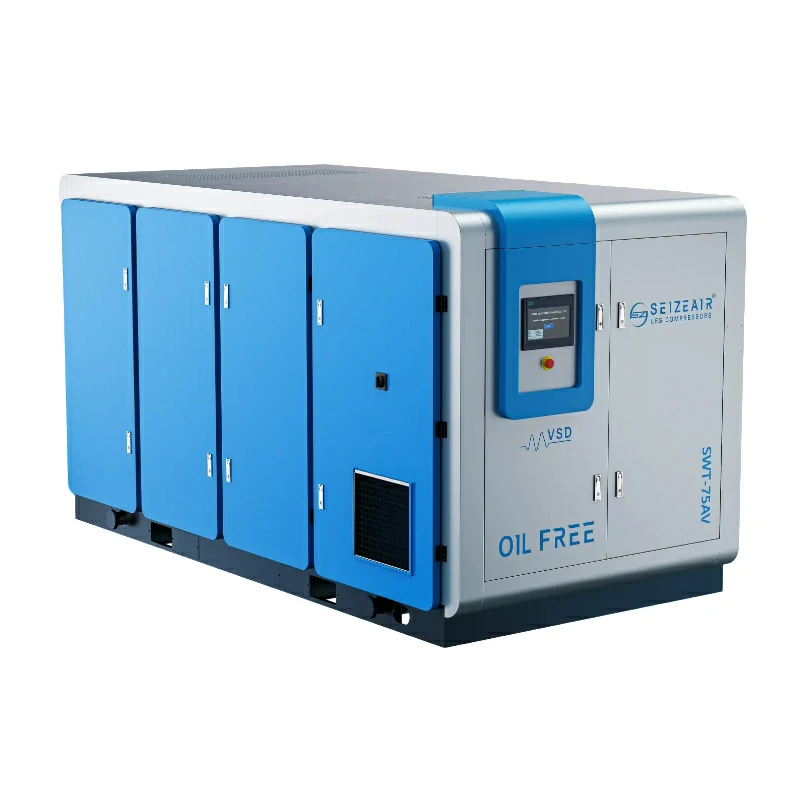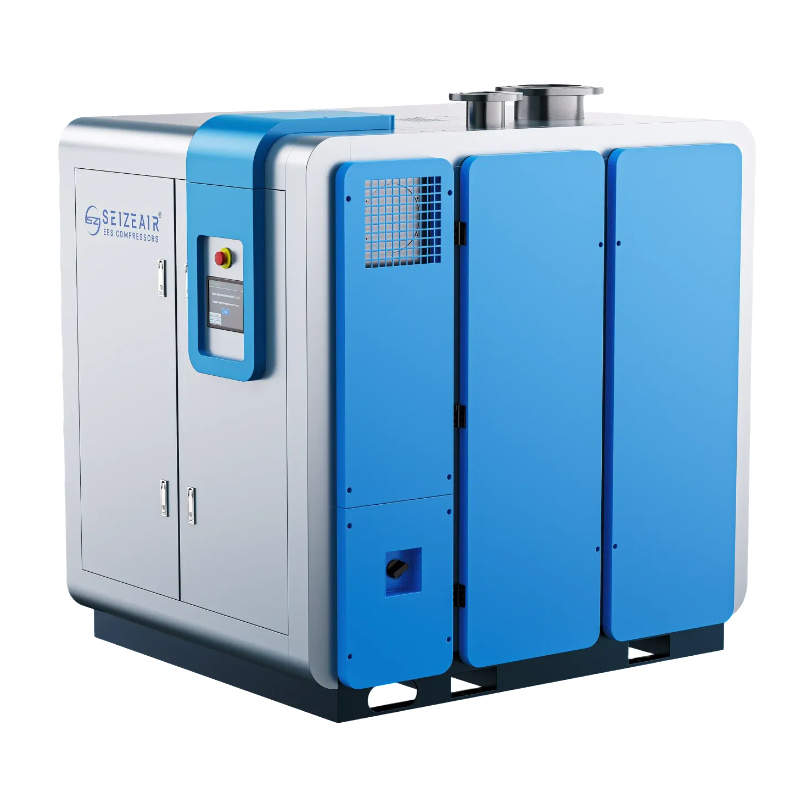


A chemical compressor sits at the heart of nearly every chemical plant, moving and pressurizing the gases that reactors, pipelines, and recovery systems depend on. When the choice comes down to a diaphragm or a screw design, the right answer hinges on your gas, your pressure, and how much purity you simply cannot compromise on. This guide walks through both technologies so you can specify with confidence.
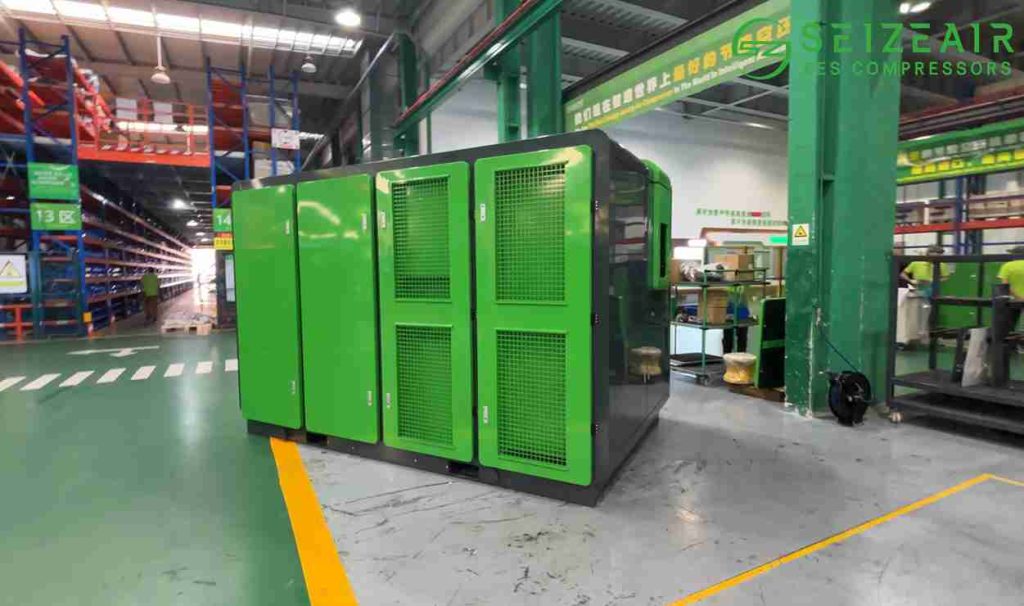
What Is a Chemical Compressor and How Does It Work?
Before comparing designs, it helps to be precise about what we mean. A chemical compressor is any machine built to raise the pressure of a process gas inside a chemical, petrochemical, or specialty-gas facility. That sounds simple, but the job is rarely gentle. The gas might be hydrogen at 200 bar, chlorine that eats through ordinary steel, or a sour mixture of hydrocarbons and hydrogen sulfide that will ruin a standard seal in a week.
Most people outside the industry use the term loosely. Sometimes they mean a chemical gas compressor that actually compresses the product stream, and sometimes they mean the chemical plant air compressor that just feeds instrument air and actuators. Those are different animals, and we will untangle them later. For now, think of the process compressor as the one whose failure stops production, not just the one that powers a valve.
The physics is the same one you learned in school: squeeze a fixed mass of gas into a smaller volume and its pressure climbs. The engineering problem is doing that squeeze without contaminating the gas, without the gas eating the machine, and without burning more energy than the process can justify. That is where diaphragm and screw designs diverge sharply.
Diaphragm vs Screw Chemical Compressor: What Is the Real Difference?
This is the question every procurement manager types into Google, so let’s answer it plainly. A diaphragm compressor squeezes gas between a flexible membrane and a fixed cavity. The gas never touches the crank mechanism, the oil, or anything but the diaphragm and the process head. A screw compressor traps gas between two intermeshing rotors inside a housing and pushes it along the screw threads toward a discharge port.
The practical consequence is enormous. In a diaphragm machine the process gas is physically isolated from the drive, so contamination is essentially impossible. In a screw machine the gas runs through the rotor chamber, which means if you need it clean, you either accept a tiny film of oil or you pay for a water-lubricated or dry variant. Neither is “better” in the abstract. They are built for different problems.
| Factor | Diaphragm chemical compressor | Screw type chemical compressor |
|---|---|---|
| Gas contact with oil | None, fully isolated | Oil-injected or oil-free variants |
| Typical pressure range | Up to 1000 bar plus | Usually 5 to 13 bar, high-pressure builds exist |
| Flow capacity | Low to medium, usually under 100 Nm3/h | Medium to very high, up to 90 m3/min plus |
| Best gas types | Toxic, corrosive, rare, high-purity | Air, nitrogen, inert and general process gas |
| Continuous duty | Good but lower flow | Excellent for 24/7 plant service |
| Upfront cost | Higher per unit of flow | Lower per unit of flow |
How Does a Diaphragm Chemical Compressor Handle Corrosive and Toxic Gas?
The diaphragm design earns its keep the moment the gas turns nasty. Picture a disc of polished stainless steel or a nickel alloy clamped between a process head and a hydraulic chamber. A reciprocating plate pushes hydraulic oil against the back of the diaphragm, and the diaphragm flexes to push the gas on the front side through suction and discharge valves. The gas sees only the diaphragm and the head. That is it.
  hydraulic oil side          gas side
  -----------------          -----------------
       [plate]  --push-->  (  diaphragm  )
                                  |
                            suction valve (in)
                            discharge valve (out)
  gas never crosses to oil side
Because the boundary is a solid metal sheet, a diaphragm chemical compressor can run hydrogen, oxygen, argon, chlorine, and exotic mixtures that would destroy a screw or piston machine within months. The head and diaphragm are usually 316L stainless, Hastelloy, or even a precious-metal clad for the worst offenders. If your process gas is worth more than the compressor, or if a leak means a shutdown and a fine, this is the machine you reach for.
The trade-off is flow. A diaphragm head is small, so these machines are marvelous for purity and pressure but modest on volume. They are the scalpel, not the shovel.
Is a Screw Type Chemical Compressor Better for Continuous Plant Duty?
For the workhorse jobs, a screw type chemical compressor is hard to beat. Twin rotors turn at a few thousand rpm, move a large volume of gas smoothly, and do it for years with little more than filter changes and oil analysis. If your plant needs a steady 20 or 50 m3/min of nitrogen, instrument air, or a reasonably clean process stream around the clock, screws are the default for good reason.
The catch is contamination discipline. An oil-injected screw will always shed a microscopic film into the gas path unless you add separators and coalescing filters, and even then “Class 0” oil-free is a different machine. That is why the water-lubricated and dry oil free chemical compressor variants exist: they strip the oil out of the equation so the gas stays clean while you keep the screw’s throughput and reliability. For most bulk chemical duties that balance is exactly right.
So the honest answer to “is screw better for continuous duty” is: yes, for volume and uptime, provided you have matched the lubrication strategy to your purity requirement. Diaphragm machines run continuously too, but they are doing a different, smaller, cleaner job.
Which Chemical Compressor Is Truly Oil-Free?
This is where marketing language and engineering reality part ways. “Oil-free” can mean three different things, and only one of them is air you would feed a catalyst with.
First, there is the oil-injected screw with downstream filtration. It is cheap and common, but trace oil aerosols remain a real risk in sensitive service. Second, there is the water-lubricated screw, where the rotors ride on a water film instead of oil. Third, there is the dry screw or the diaphragm machine, where the gas path simply contains no lubricant at all.
If your spec literally cannot tolerate oil, the diaphragm and the dry or water-lubricated oil free chemical compressor are the only honest answers. Seize Air’s oil-free water-lubricated screw line is built exactly for plants that need screw-class volume without sacrificing the clean-gas promise, which is why it shows up so often in food, pharma, and high-purity chemical lines.
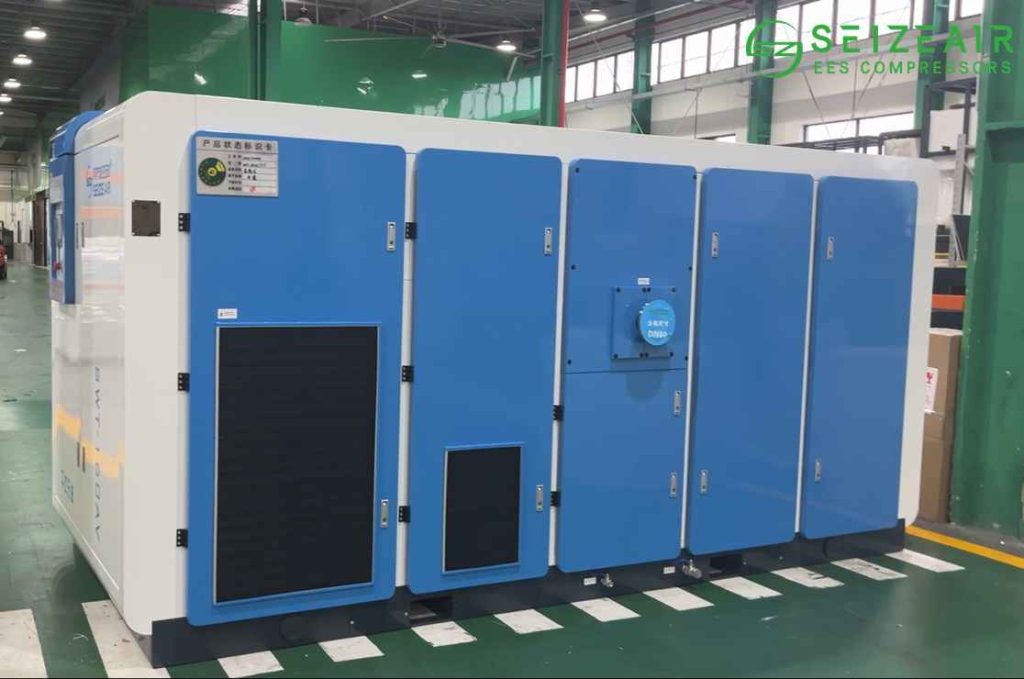
How Much Pressure and Flow Do Chemical Applications Actually Need?
Specifying without numbers is how plants overspend. Pressure and flow are not independent, and the relationship follows the gas laws you already know. For a near-adiabatic squeeze the polytropic relation holds:
P1 x V1^n = P2 x V2^n
where P is absolute pressure, V is volume, and n is the polytropic exponent (roughly 1.2 to 1.4 for most process gases). The shaft power you must supply tracks the pressure ratio, not just the flow, and rises steeply once you push past single-stage limits. A high pressure chemical compressor for hydrogen storage might sit at 300 to 900 bar, while a downstream instrument-air screw rarely leaves the 7 to 10 bar band. Same word “compressor,” completely different machine.
| Application | Common gas | Typical pressure | Preferred design |
|---|---|---|---|
| Instrument and plant air | Air | 7 to 10 bar | Screw |
| Nitrogen blanket and transfer | N2 | 6 to 12 bar | Screw, oil-free |
| Hydrogen make-up | H2 | 50 to 900 bar | Diaphragm, multi-stage |
| Chlorine and toxic transfer | Cl2, phosgene | 10 to 30 bar | Diaphragm, exotic alloy |
| Polymerization feed | Ethylene, propylene | 20 to 100 bar plus | Diaphragm or reciprocating |
Get the pressure class wrong and you either buy a machine that cannot reach setpoint or one that costs twice what the duty needs. Flow sets the frame size; pressure sets the design family.
Are Diaphragm and Screw Chemical Compressors Safe for Hazardous, Explosion-Prone Areas?
Chemical sites are full of zones where a spark is a catastrophe, and compressor selection has to respect that. A explosion proof chemical compressor is not a single feature, it is a package: non-sparking materials, certified motor enclosures, grounded gas paths, and ventilation that keeps any leak below the ignition threshold.
Diaphragm machines score well here because the gas is sealed behind a metal diaphragm and there is no high-speed oil mist to ignite. Screw machines can be built to the same hazardous-area standards, but you must specify the motor, sensors, and panels to the zone rating your site demands. Skipping that step is the kind of shortcut that ends on a regulator’s desk. For a deeper look at rated builds, our guide on explosion proof chemical compressor requirements is worth a read before you write the spec.
Stainless Steel, Special Alloys, and Why Materials Decide Everything
People obsess over the compressor type and forget the material, which is backwards. In chemical service the wetted path is the whole ballgame. A stainless steel chemical compressor with a 316L head handles most acids and solvents, but chlorine, wet H2S, and hot caustic will chew through it. That is when Hastelloy, Inconel, or a titanium-clad diaphragm earns its price.
The point is simple: the right alloy turns a two-month failure into a ten-year asset. The wrong one turns a capital purchase into a recurring emergency. Match the metal to the molecule before you match the mechanism to the flow.
How to Choose a Chemical Compressor for Your Process: A Practical Selection Guide
If you only remember one section, make it this one. A sane chemical compressor selection guide starts with four questions, in this order:
1. What is the gas, and how nasty is it? Toxic, corrosive, or rare pushes you toward diaphragm isolation.
2. What pressure and flow do you actually need? High pressure plus low flow favors diaphragm; high flow at modest pressure favors screw.
3. How clean must the outlet be? Any oil tolerance at all opens up screws; zero tolerance narrows you to oil-free or diaphragm.
4. What does the gas cost, and what does downtime cost? Precious gas and brutal penalties reward the sealed machine.
| If your duty is… | Pick this | Why |
|---|---|---|
| High-purity, toxic, or corrosive, low flow | Diaphragm | Gas fully isolated, exotic alloys OK |
| Bulk air or nitrogen, 24/7, large flow | Oil-free screw | Throughput and uptime, clean outlet |
| Very high pressure, hydrogen or specialty | Diaphragm, multi-stage | Reaches 900 bar plus safely |
| General process gas, tolerant of filtration | Oil-injected screw | Lowest cost per m3/min |
The fuller treatment, including supplier vetting, lives in our chemical compressor selection guide for the chemical industry. Use it alongside the matrix above and you will not spec blind.
Total Cost of Ownership: Maintenance, Energy, and Downtime
Sticker price is the smallest number on the spreadsheet. A chemical gas compressor running around the clock burns more in electricity in a year than it cost to buy, so efficiency is where the money actually is. Screw machines, especially permanent-magnet variable-speed builds, sip far less than fixed-speed or oversized units. Diaphragm machines cost more per unit of flow but protect gas you cannot afford to lose.
Maintenance tells the rest of the story. Screws need oil and filter discipline but rarely stop. Diaphragms need periodic diaphragm replacement, a cheap part and a short job, but you cannot ignore it. Factor in downtime: a diaphragm failure is a leak contained; a screw failure on a shared header can trip a whole unit. Our energy-saving screw air compressor line is engineered around exactly this total-cost math, not just the headline kW.
Can One Chemical Compressor Serve Multiple Gases and Processes?
Short answer: sometimes, and only when the gases are compatible. A screw on a nitrogen header can often swing to another inert gas with a valve and filter change. A diaphragm machine, because it isolates the gas so completely, is genuinely good at switching between nasty streams, provided you flush and the head material suits all of them. What you cannot do is run chlorine today and food-grade nitrogen tomorrow on the same wetted path without a teardown. The “one machine for everything” dream usually dies at the material-compatibility check.
Chemical Plant Air Compressor vs Process Gas Compressor: Don’t Mix Them Up
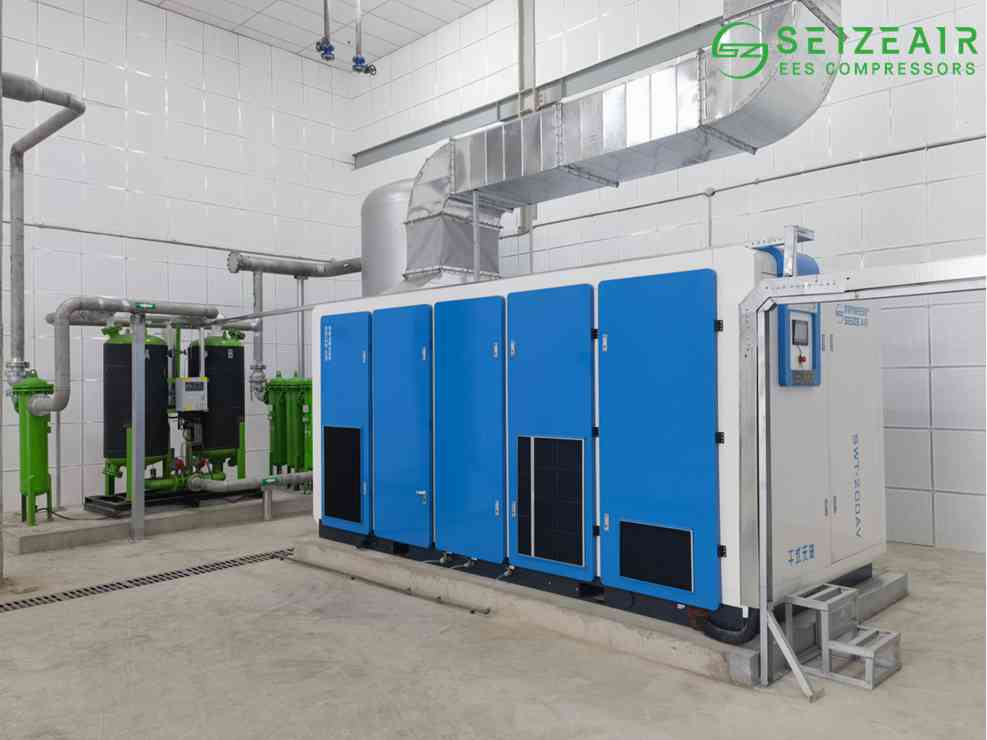
We mentioned this earlier and it is worth its own heading because the confusion is expensive. The chemical plant air compressor feeds instruments, actuators, and pneumatic tools. It is almost always a screw, it tolerates some oil, and its failure is an annoyance. The process gas compressor handles the product itself, demands purity or isolation, and its failure is an incident. Specifying a cheap plant-air screw for a process duty, or over-specifying a diaphragm for mere instrument air, are the two classic ways plants waste capital. Keep the two roles in separate line items.
If you are building out both, our chemical plant air compressor and process-gas notes will help you size each without crossover.
Real-World Scenarios: Which One Would We Specify?
Ammonia plant, hydrogen make-up at 450 bar: diaphragm, no debate. The gas is explosive, high-pressure, and precious. A polyethylene line needing 40 m3/min of clean nitrogen: oil-free screw, every time. A chlor-alkali site moving chlorine: diaphragm with a Hastelloy head, because anything else is a corrosion lawsuit. A tank farm just needing instrument air: a basic oil-injected screw, and spend the saved budget on the diaphragm that actually earns it.
The pattern is consistent. Purity and pressure at low flow point to diaphragm. Volume and uptime at modest pressure point to screw. The screw type chemical compressor family covers the bulk of plant duties; the diaphragm covers the duties that matter most when they fail.
Final Verdict
There is no universal winner, only the right tool for the molecule in front of you. Reach for a diaphragm when the gas is toxic, corrosive, high-pressure, or too valuable to contaminate, and accept the higher cost per unit of flow as the price of safety. Reach for a screw when you need volume, reliability, and a sane energy bill, and choose the oil-free variant the moment purity is on the line. At Seize Air we usually steer plants toward an oil-free screw for bulk duty and a diaphragm for the critical, high-purity streams, then let the numbers confirm it.
If your duty sits on the line between the two, that is exactly the kind of call worth a second opinion. Our chemical gas compressor range and application engineers can model your flow, pressure, and gas cost against both designs so the decision is based on data, not habit.
Conclusion
The diaphragm versus screw decision is really a question about your gas, your pressure, and your tolerance for contamination. Nail those three and the choice makes itself. When you are ready to turn the spec into a machine, talk to our team and we will size the right chemical compressor for your process, not the one that is easiest to ship.
Ready to specify the right machine? Contact the Seize Air team today for a process-based recommendation, transparent pricing, and global delivery and support. Tell us your gas, pressure, and flow, and we will tell you exactly which compressor earns its place in your plant.