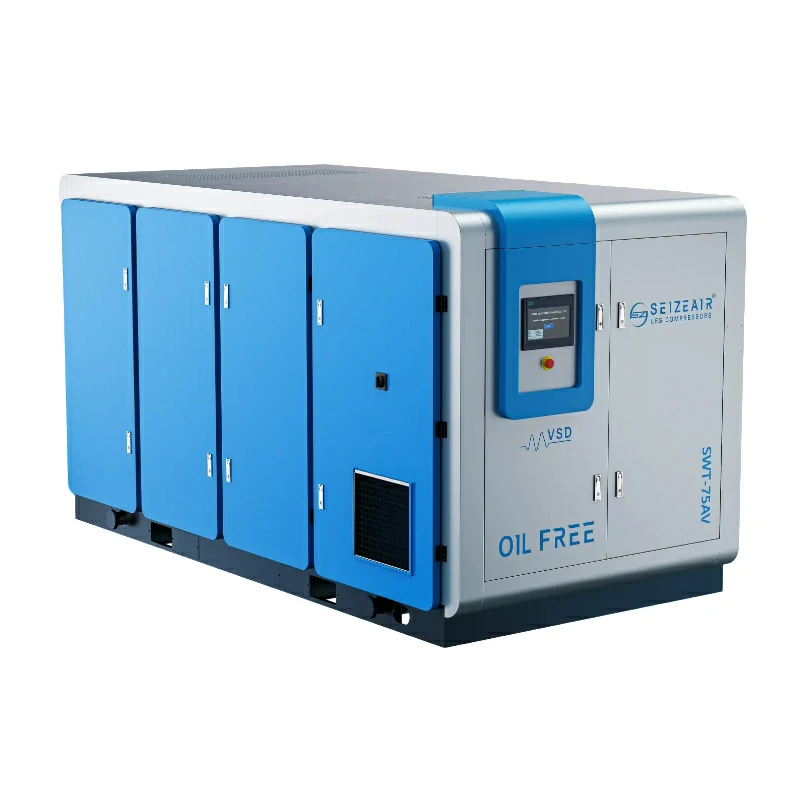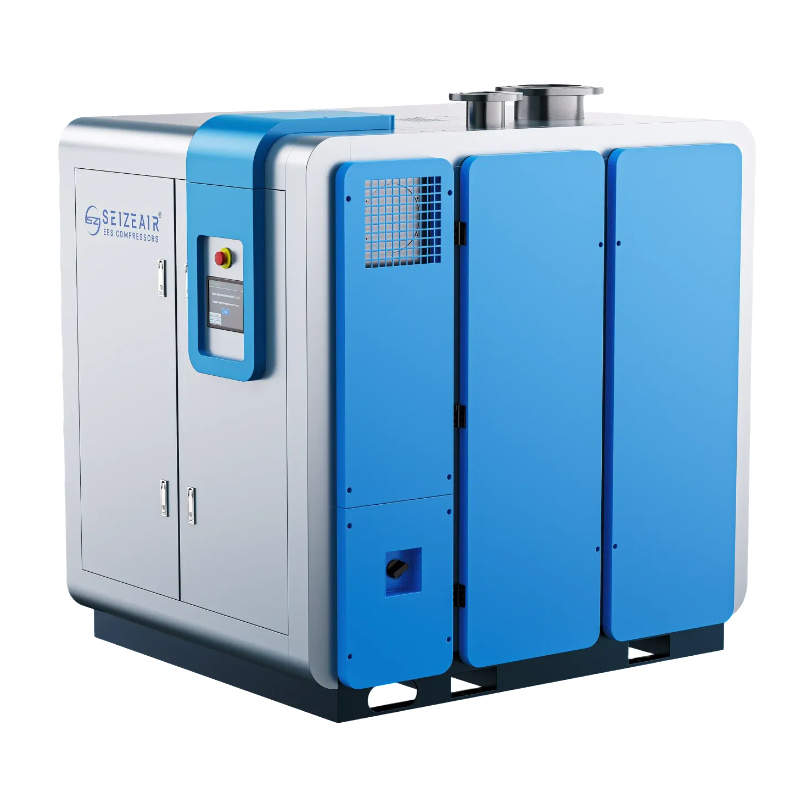


Optimizing a compressed air system isn’t just about cutting your monthly energy bill—though with industrial power costs, that is a massive win. For heavy manufacturing, automotive plants, and processing facilities, a reliable air compressor for industrial use is the actual heartbeat of operations. When system efficiency drops, production slows, tools wear out faster, and operating costs skyrocket.
Achieving peak performance requires a mix of smart hardware choices, meticulous maintenance, and system-level optimization. Here is your definitive, field-tested guide to squeezing every drop of efficiency out of your industrial compressed air infrastructure.
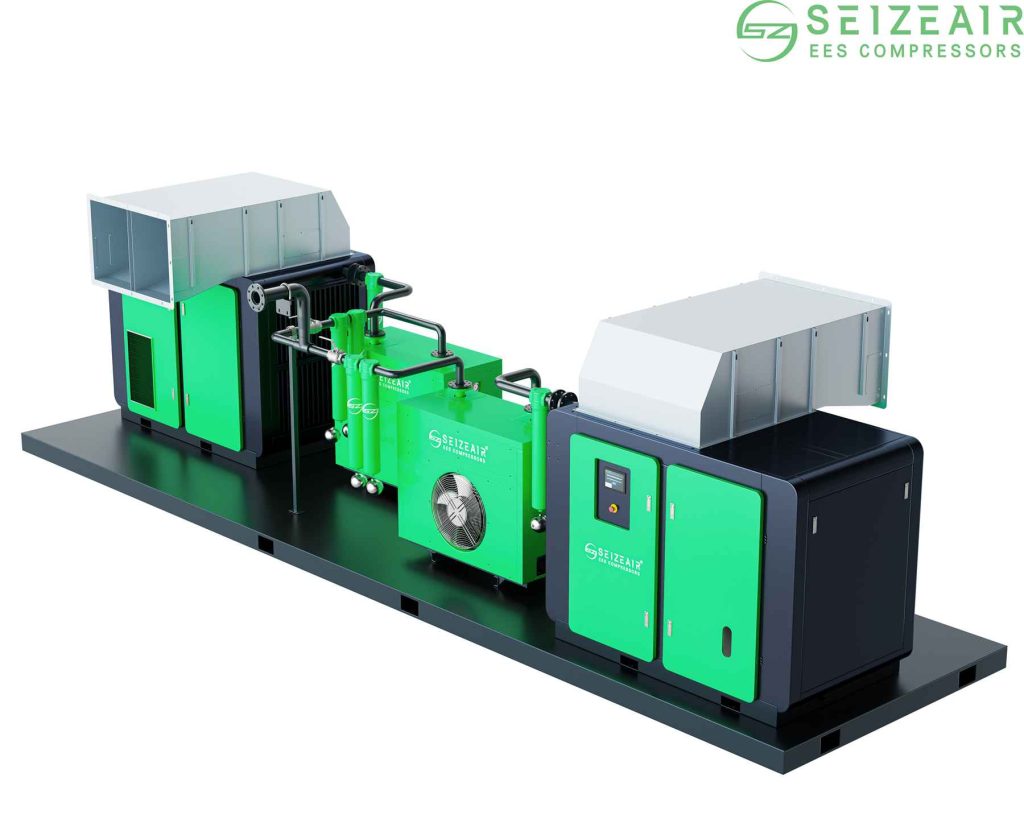
1. Why is Air Compressor Efficiency Important in Manufacturing Plants?
Many plant managers look only at the initial purchase price of an industrial air compressor and assume that is their biggest expense. In reality, electricity accounts for roughly 75% to 80% of the total cost of ownership over a ten-year lifespan.
When your system runs inefficiently, you are quite literally blowing cash out of your exhaust valves. Minimizing energy waste directly improves your plant’s bottom line and reduces overall equipment stress.
| Cost Component | Percentage of Lifetime Cost | Impact of Inefficiency |
| Energy Consumption | 75% – 80% | Exponentially increases with system leaks, pressure drops, and poor controls. |
| Initial Capital Investment | 10% – 15% | Fixed cost, but buying an oversized or unoptimized unit hurts long-term ROI. |
| Maintenance & Spares | 10% | Poorly optimized systems cycle too frequently, doubling wear and tear. |
2. What Type of Industrial Compressor is Best for Fluctuating Air Demand?
If your facility experiences shifting production loads across different shifts, running a traditional fixed-speed compressor is highly inefficient. It is like driving a car with the gas pedal floored all day and using the clutch to control your speed. It wastes an immense amount of energy during partial load conditions because the motor runs at full speed even when demand is low.
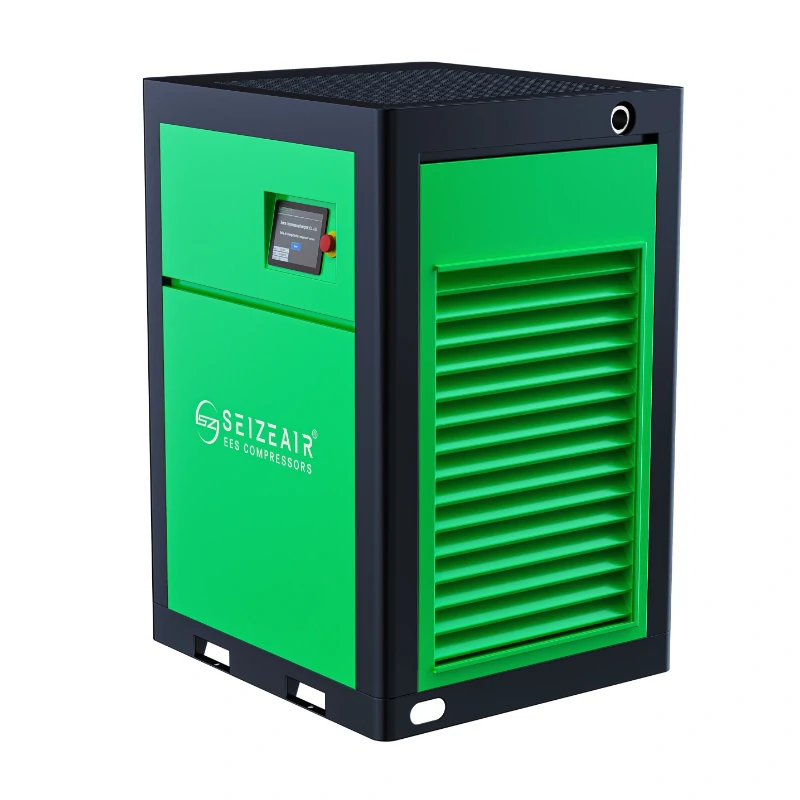
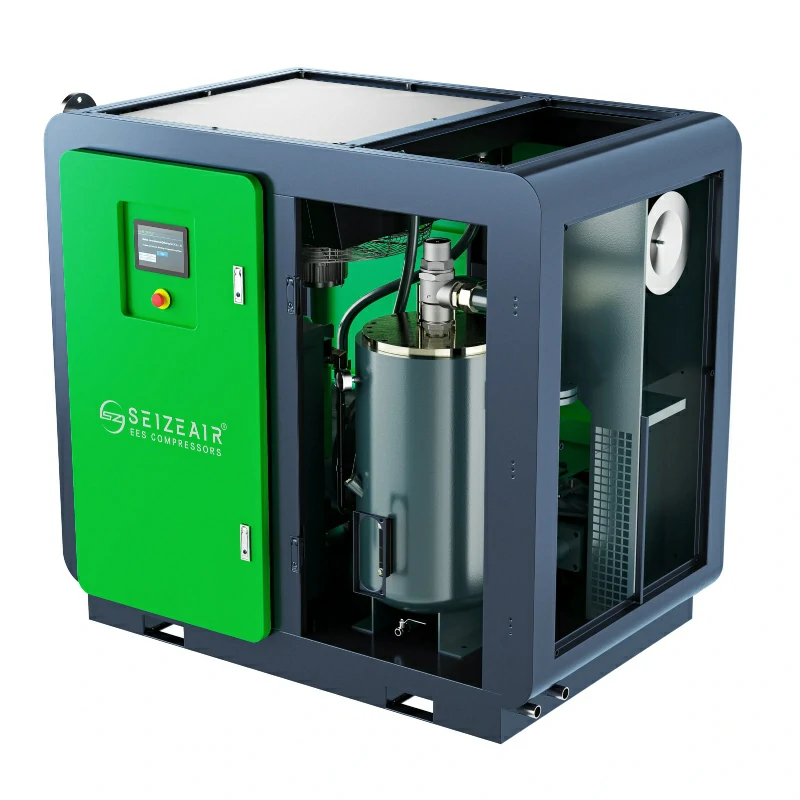
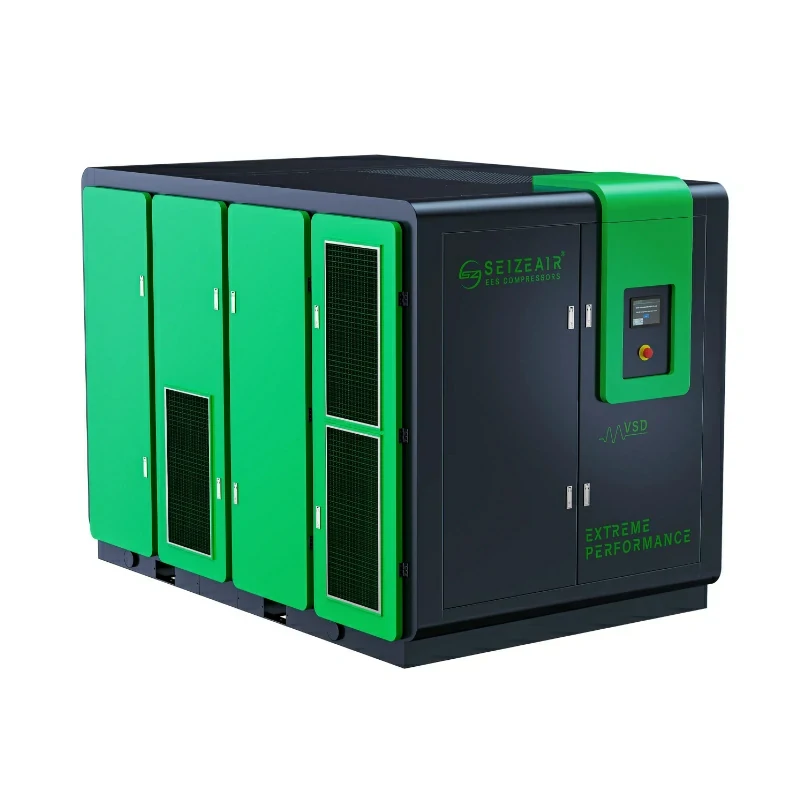
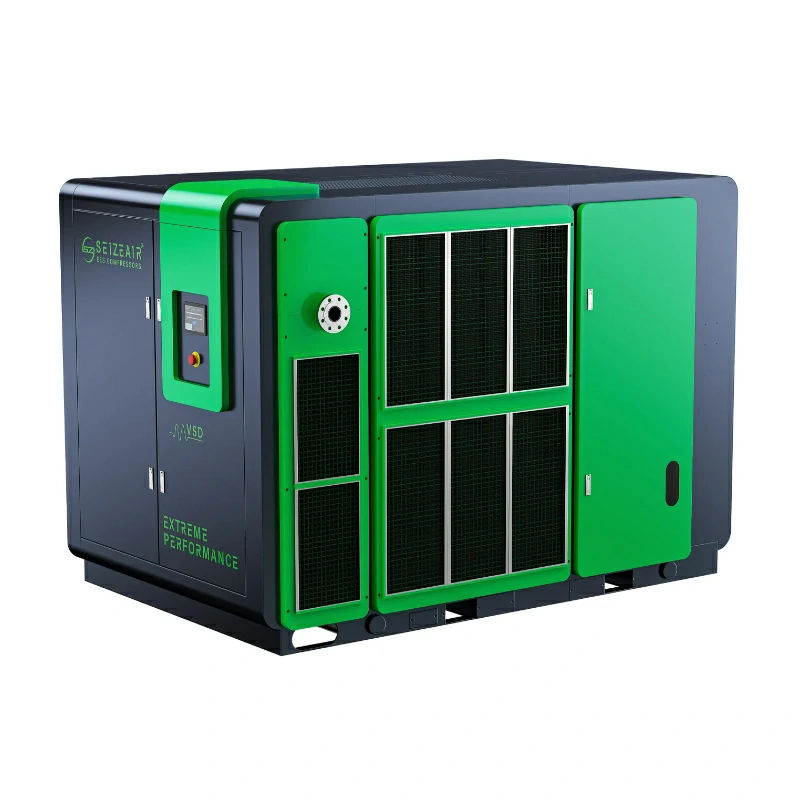
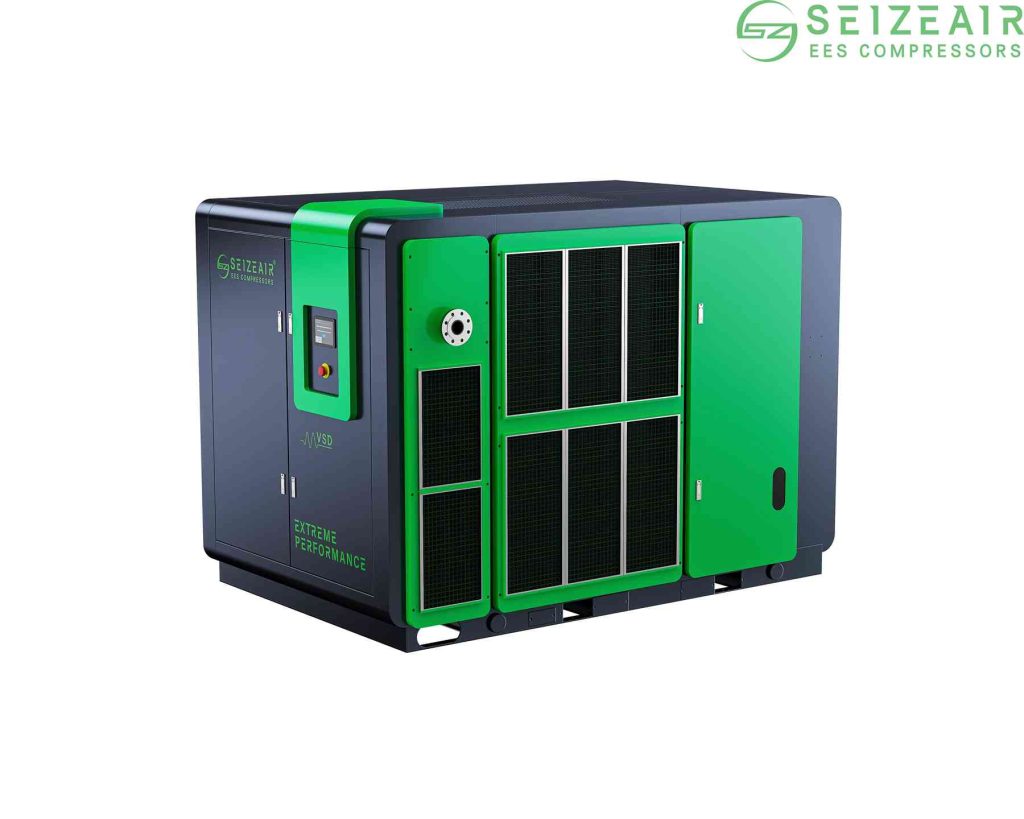
To solve this, integrating a variable speed drive air compressor into your setup changes the game. A VSD compressor matches its motor speed directly to your real-time air consumption, eliminating the wasteful idling periods common in standard machines.
The Power of PM VSD Technology
Standard AC induction VSD motors offer decent savings, but permanent magnet variable speed drive models represent the gold standard for modern energy efficiency. Leading engineering brands like Seize Air have pushed this technology forward by utilizing high-efficiency IE5 permanent magnet motors. These motors maintain incredibly high efficiency even at low running speeds. By eliminating rotor copper losses and bearing friction, a high-performance PM VSD system can cut factory energy bills by up to 30% to 50% compared to a standard fixed-speed unit.
3. How Do You Calculate and Reduce Pressure Drop in Industrial Compressed Air Piping?
Every extra 2 PSI (approx. 0.14 bar) of pressure you force your compressor to generate to overcome pipeline resistance burns about 1% more energy at the motor. This is known as pressure drop, and it is usually caused by undersized piping, clogged filter elements, or restrictive fittings.
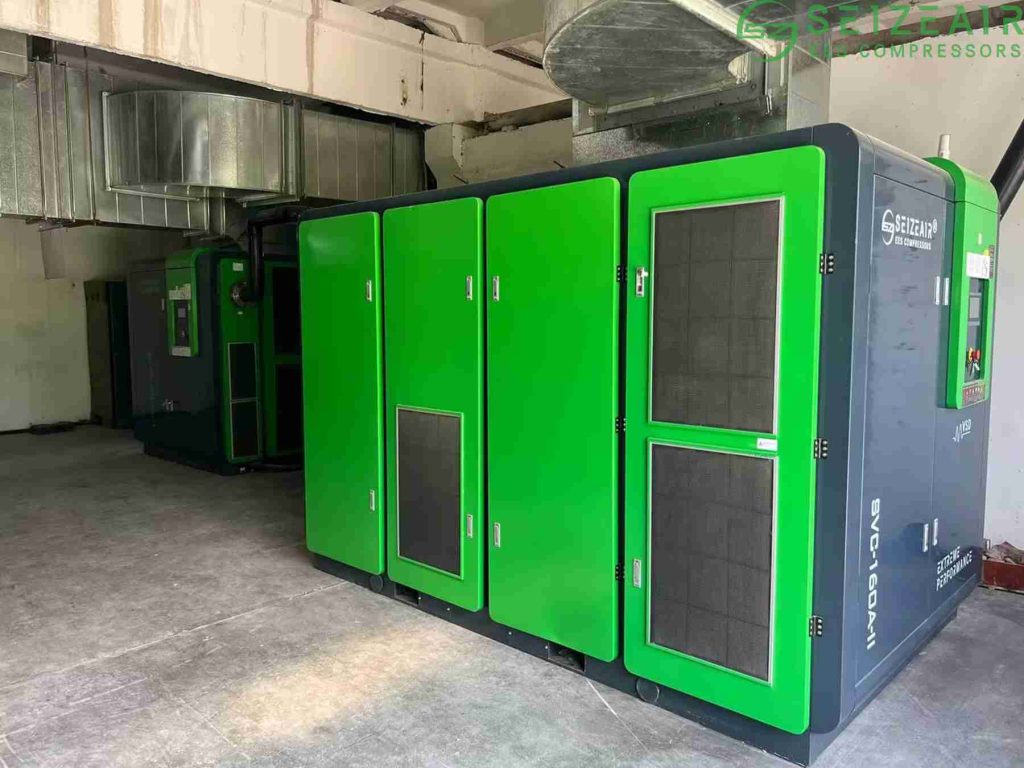
To ensure optimal heavy duty air compressor performance, field engineers must regularly audit the distribution network.
Calculating Pipeline Pressure Drop
While exact airflow dynamics involve complex fluid mechanics, field engineers use a straightforward empirical formula to estimate pipeline pressure drop:
dP = (L * f * Q^2) / (D^5 * P)
Where:
- dP = Pressure drop
- L = Length of the pipe
- f = Friction factor of the piping material
- Q = Flow rate (CFM)
- D = Inside diameter of the pipe
- P = Absolute inlet pressure
To combat this, design your distribution network as a “loop system” rather than a straight dead-end line. A loop allows the compressed air to travel in two directions to reach a high-demand tool, effectively cutting the velocity and the pressure drop in half.
4. How Much Energy is Wasted Due to Compressed Air Leaks in Factories?
In an average industrial plant that hasn’t been audited recently, 20% to 30% of all compressed air produced is lost to leaks. That means a quarter of your energy budget is vanishing into thin air.
If you are trying to lower your industrial air compressor energy consumption, hunting down these silent profit killers is your highest-return activity.
Implementing an Ultrasonic Leak Management Plan
Do not rely on your ears; an industrial floor is too noisy to spot micro-leaks. Invest in a high-quality ultrasonic leak detector. These devices pick up the high-frequency hissing of escaping air even during full production shifts. Tag the leaks, quantify their cost, and fix them during the next scheduled downtime.
Additionally, switching from cheap manual valves to zero-loss electronic drain valves pays for itself in a matter of months by dumping moisture without wasting valuable compressed air.
5. What Size Air Receiver Tank Does an Industrial Compressor Need?
An undersized air receiver tank forces your compressor to cycle on and off rapidly. This frequent loading and unloading causes massive current spikes, wastes energy during the unload cycle, and overheats the motor. Implementing a proper wet and dry storage strategy acts as a vital buffer against sudden spikes in air demand.
| Tank Type | Primary Function | Ideal Placement | Sizing Rule of Thumb |
| Wet Receiver Tank | Knocks out bulk moisture, stabilizes pressure signals into the dryer. | Directly after the compressor, before the air dryer. | 1 to 2 gallons per CFM of compressor capacity. |
| Dry Receiver Tank | Provides a strategic reserve of clean, dry air for sudden downstream spikes. | After the air filtration and purification system. | 3 to 4 gallons per CFM for highly fluctuating loads. |
6. Can You Recover Waste Heat from a Compressed Air System for Factory Heating?
When an air compressor for industrial use runs, roughly 90% to 94% of the electrical energy supplied to the motor is converted directly into heat. In standard setups, this heat is simply blown out of the cooling fans into the atmosphere.
By integrating an energy recovery system, you can capture this thermal energy via heat exchangers and redirect it back into your plant operations.
Practical Applications for Recovered Heat:
- Pre-heating boiler feed water: Reduces natural gas or oil consumption in your main boilers.
- Facility space heating: Routing hot air ducts from the compressor room into the warehouse during winter.
- Process water heating: Perfect for chemical processing, textile dye houses, or industrial wash stations.
Many premium industrial setups, including custom configurations offered by Seize Air, can be ordered with built-in energy recovery modules, transforming your compressor room into a secondary utility plant.
7. How Does Ambient Temperature Affect Industrial Air Compressor Performance?
Your compressor’s efficiency starts at the intake valve. If the intake air is hot, humid, or dirty, the machine has to work significantly harder to compress it, causing a measurable drop in heavy duty air compressor performance.
- Keep it Cool: Cool air is denser than hot air. For every 5 degrees Fahrenheit (approx. 2.8 degrees Celsius) drop in intake air temperature, your energy efficiency improves by roughly 1%. If your compressor room hits over 100 degrees Fahrenheit in summer, consider ducting fresh, cooler outdoor air directly to the compressor intake.
- Keep it Clean: Dust and airborne contaminants plug up air filters quickly. A clogged intake filter creates a vacuum effect, forcing the compressor to consume more power just to draw air into the screws or cylinders.
8. Why Should You Use a Master Controller for Multiple Industrial Compressors?
If your plant relies on three or four large compressors to meet demand, running them independently is highly inefficient. They will often fight each other, with multiple machines running at partial loads or sitting in wasteful unload states simultaneously.
Implementing a master centralized controller sequences the machines intelligently. The controller ensures that only the minimum number of base-load machines run at 100% capacity, while a single flexible unit—ideally a high-precision PM VSD model like those developed by Seize Air—handles the variable trimming load. This prevents unnecessary cycling and keeps the entire network running at its sweet spot.
9. What is the Standard Maintenance Checklist for an Industrial Screw Compressor?
Consistency is the ultimate secret to long-term efficiency. Skipping routine service might save minor maintenance costs today, but it will cost you thousands in elevated energy bills and premature equipment failure tomorrow. Use this checklist to keep your industrial air compressor energy consumption optimized.
Weekly Maintenance Routine
- Inspect for visible oil leaks and check fluid levels.
- Drain moisture manually from manual traps if electronic ones aren’t installed.
- Check the differential pressure indicators on all inline filters.
Monthly Optimization Steps
- Clean or blow out internal air intake filters.
- Clean the external faces of the oil cooler and aftercooler cores to maintain proper heat dissipation.
- Run an ultrasonic scan on accessible piping joints to catch new leaks early.
Annually / Every 4000 Hours Deep Service
- Replace inline air/oil separator elements.
- Change the compressor lubricant with high-grade, synthetic thermal fluids.
- Calibrate pressure sensors and temperature transducers to ensure the controller gets accurate data.
The Bottom Line on Industrial Compressor Efficiency
Maximizing efficiency in your compressed air network isn’t a one-time project; it is a holistic approach combining modern technology, smart piping design, and disciplined maintenance. Upgrading to advanced multi-stage or variable-speed machinery is a massive leap forward, but keeping your filters clean and your lines leak-free is what protects that investment over the long haul.
If you are looking to audit your current system, reduce your factory’s carbon footprint, or configure a highly efficient compressor setup tailored to your specific workflow, our engineering team is here to help. Modern heavy industries worldwide rely on Seize Air for rugged, energy-saving compressed air solutions that cut operating costs without sacrificing reliability.
Ready to optimize your plant’s air system and lower your operational costs? Contact us today to speak with an industrial application specialist and get a customized efficiency assessment for your facility.