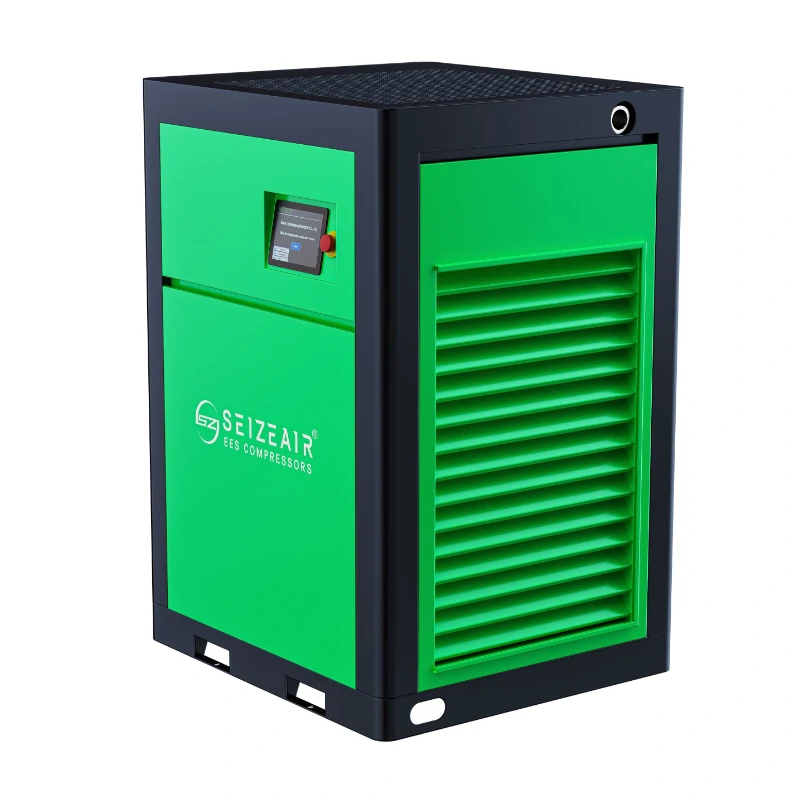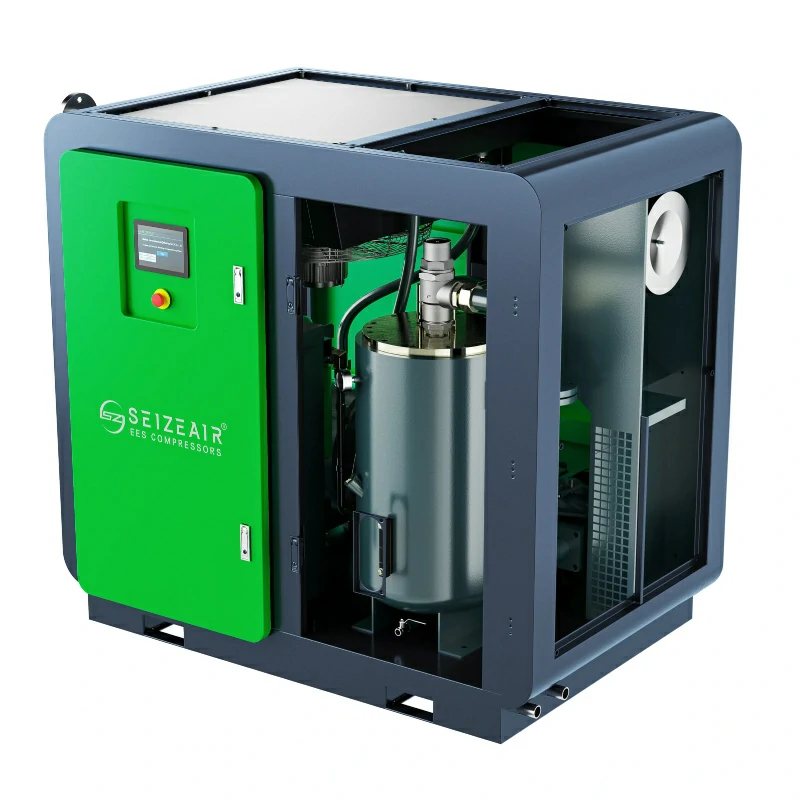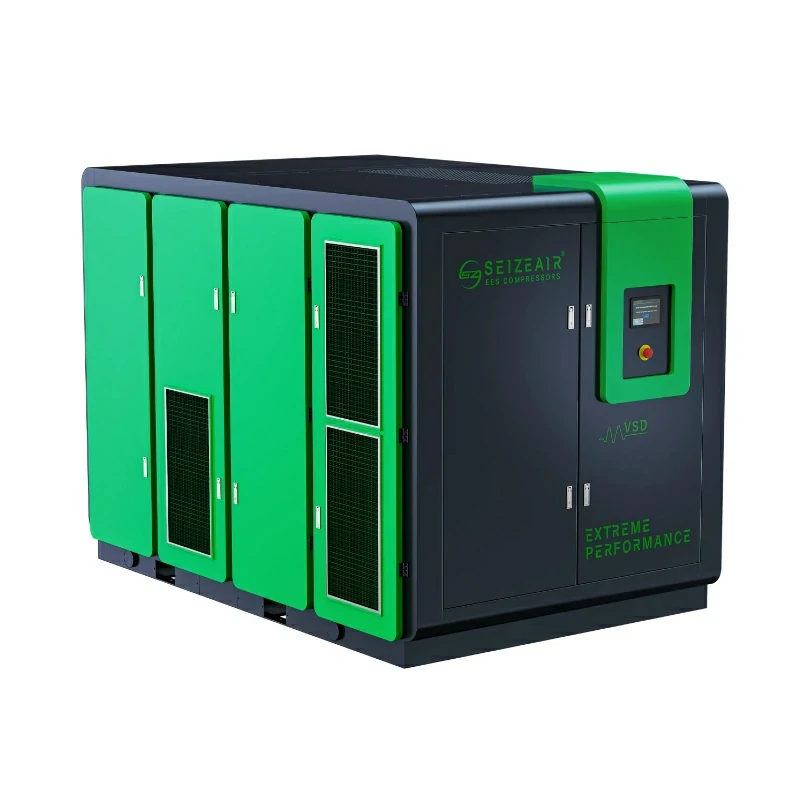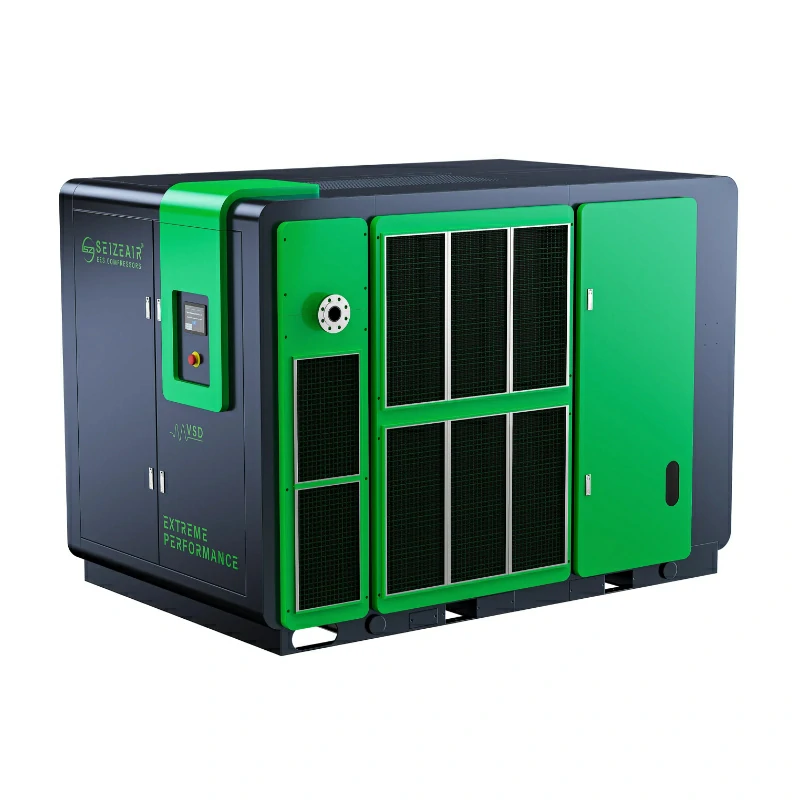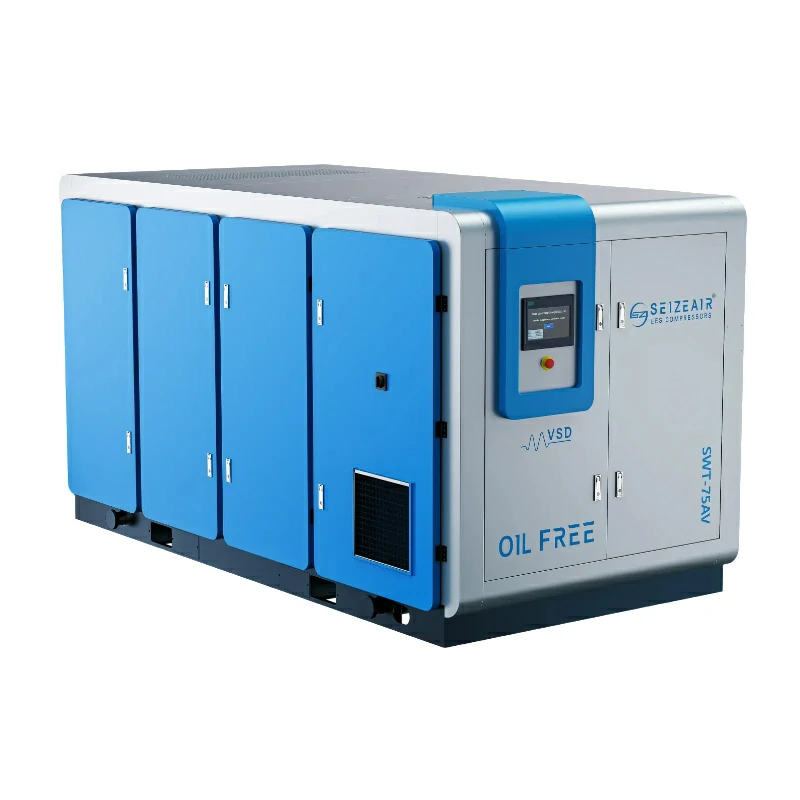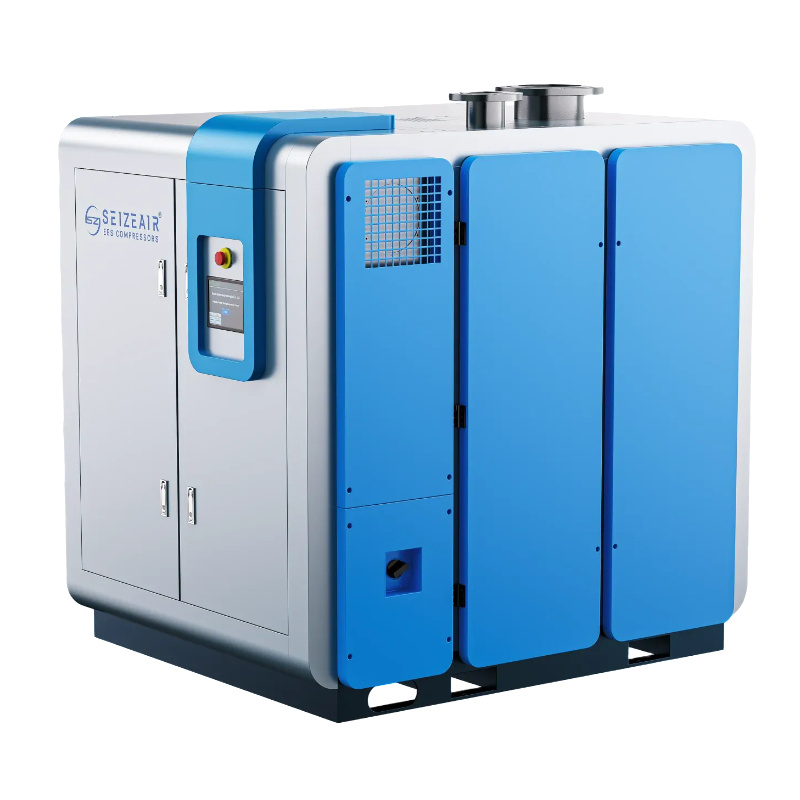


Which compressor is best for dental clinics? For most practices the right answer is a quiet, oil-free scroll compressor sized to the chair count and matched with a dryer, coalescing filter and carbon filter. A lubricated workshop compressor is the wrong tool no matter how cheap it looks, and an oversized screw unit wastes money on a load it will never see. The compressor is only one part of a clean-air system; drying, filtration, siting and redundancy decide whether surgery air stays dry, odour-free and safe for years.
Which Compressor Is Best for Dental Clinics? The Short Answer
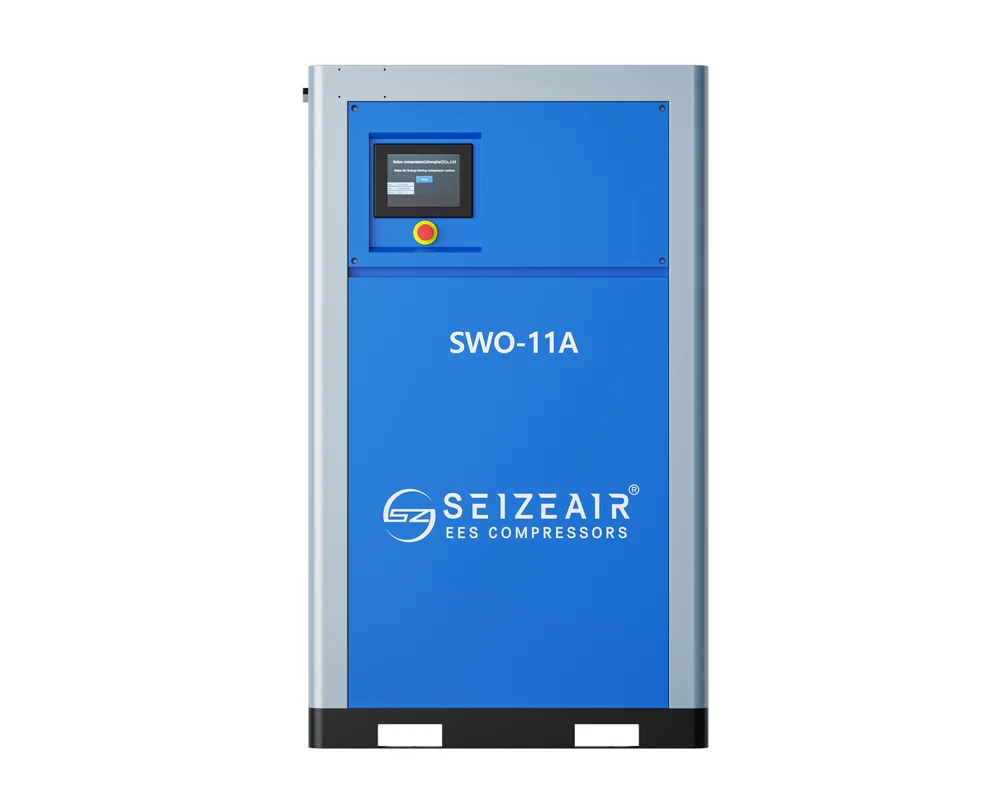
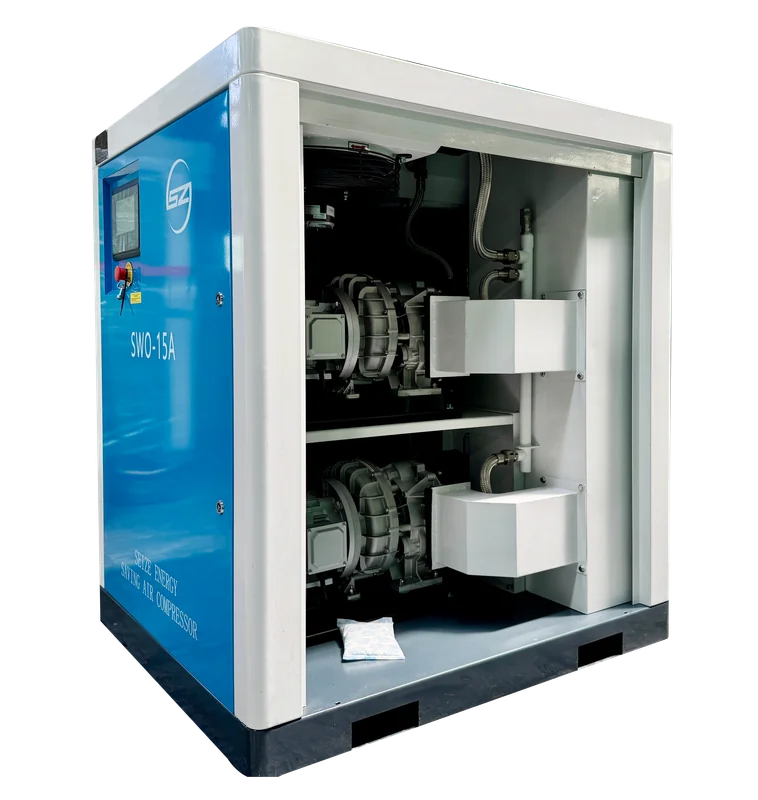
For a single-surgery practice, or a small group of two to six chairs, an oil-free scroll compressor is usually the best balance of air quality, noise and maintenance. Scroll airends compress air with two interleaved spirals, so no oil enters the compression chamber and there is no oil to carry downstream. The SWO range covers 7.5 to 37 kW with free air delivery from 0.8 to 4.0 m3/min at up to 8 bar, and published sound levels run from 55 to 64 dB(A) depending on model — quiet enough to sit in a service room beside the surgeries.
Larger clinics and dental hospitals with many chairs and long distribution runs are a different case. Once demand climbs into the tens of cubic metres per minute, an oil-free screw compressor with variable speed control is more efficient and easier to service than a bank of small scroll units. The dry oil-free screw range runs from 37 to 450 kW at 4.5 to 10.5 bar, with two-stage and three-stage airends for higher pressure ratios. Either way, the compressor must be oil-free; the only real question is scroll or screw.
Why an Oil-Lubricated Compressor Does Not Belong in a Dental Clinic
Dental air touches the patient. Handpieces, syringes, scalers and suction lines all sit close to the oral cavity, and procedures generate aerosols that can carry the air supply into the treatment field. Oil in that air is not a cosmetic problem. It coats tubing, feeds biofilm, damages instrument internals and, in the worst case, reaches the patient. The American Dental Association and most national infection-control guidance treat clean, dry, oil-free air as a basic requirement of the treatment environment rather than an optional upgrade.
What oil-free and Class 0 actually mean
Oil-free describes the compression principle: no oil is injected into the airend. That is necessary but not sufficient, because ambient air still carries traces of hydrocarbons and the system can pick up contamination from piping. ISO 8573-1 classifies compressed air by oil content, and Class 0 is the strictest band — it means the user and supplier agreed a limit tighter than Class 1, with no measurable oil under the agreed test method. In practice, a dental clinic should specify Class 0 oil content together with a defined dew point and particulate level, and ask for the certificate that covers the exact model being quoted.
A lubricated compressor cannot be turned into an oil-free one by bolting on a filter. Filters remove aerosols, not every vapour molecule, and a saturated or bypassed element sends oil straight to the chair. If you want to understand the cost and risk trade-off in detail, this comparison of oil-injected versus oil-free compressors sets out where lubricated units still make sense — and why clinics are not one of those places.
The damage is rarely dramatic at first. Handpiece turbines run slower, syringes spit, and the air develops a faint oily taste that patients notice even when staff have stopped registering it. By the time the fault is obvious, the line may need flushing and the filters replacing several times before the air is clean again. That remediation cost is never in the purchase comparison, which is why the cheapest lubricated unit is often the most expensive decision a clinic makes.
Compressor Types for Dental Clinics
The three families below cover almost every dental enquiry, and the differences that matter are air purity, noise and the flow range each one handles well. If you want to see how the full oil-free range is organised before narrowing down, the oil-free air compressor catalogue groups scroll, dry screw and water-lubricated machines in one place.
| Type | Typical dental fit | Noise | Main weakness |
|---|---|---|---|
| Oil-free scroll | 1–6 chairs, small group practices | 55–64 dB(A) | Higher cost per m3/min at large flows |
| Oil-free screw | Large clinics, dental hospitals, central plants | Enclosed, varies by model | Oversized for a small practice |
| Oil-lubricated piston | Not suitable for patient air | Usually louder | Oil carry-over, moisture, wear |
Oil-free scroll: the default for most clinics
A scroll compressor has two spiral elements that orbit against each other, trapping pockets of air and shrinking them toward the centre. There are no valves in the gas path and no oil in the chamber, which is why scroll units are clean, smooth and mechanically simple. The trade-off is that each scroll module has a practical flow ceiling, so very large duties need several modules or a different technology. For a clinic, that ceiling is rarely a problem. The SWO oil-free scroll range spans the flows a normal practice needs, and the scroll principle keeps vibration and noise low enough for a room next to the operatory.
Scroll units also hold efficiency well across a range of flows, which suits a clinic whose demand changes through the day. Fewer moving parts means less to wear and a simpler service routine, and the smooth compression cycle keeps pulsation low. The practical benefits of an oil-free scroll compressor go beyond noise: stable pressure, no oil analysis, and a smaller spares inventory.
Oil-free screw: for larger clinics and central plants
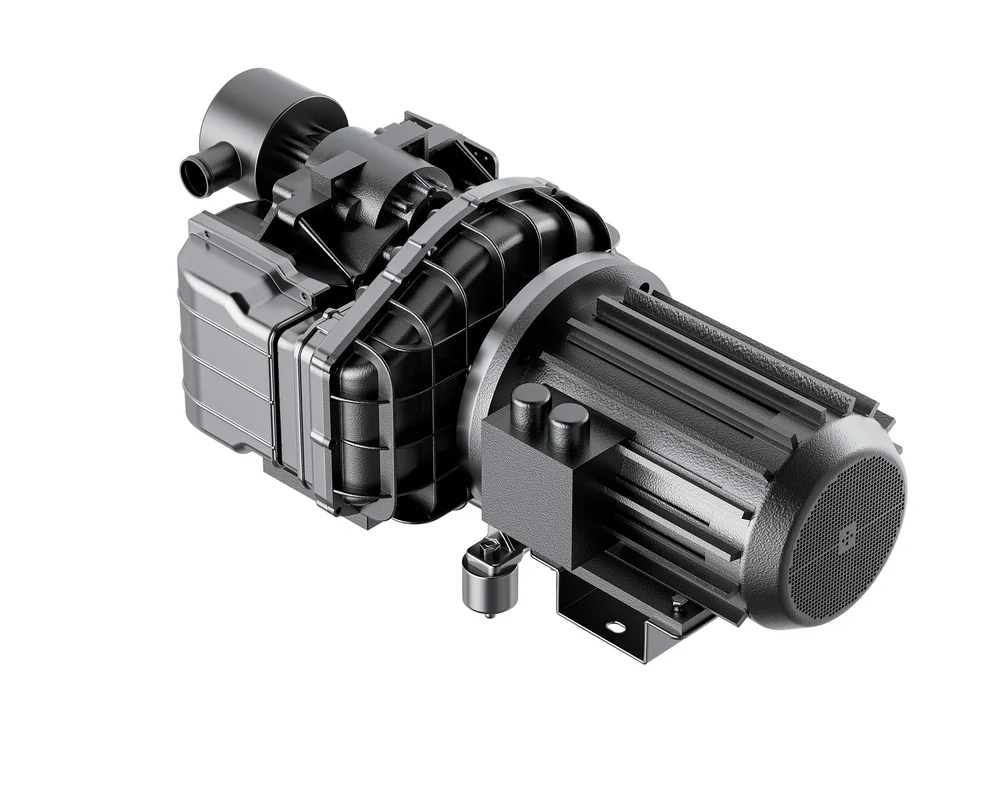
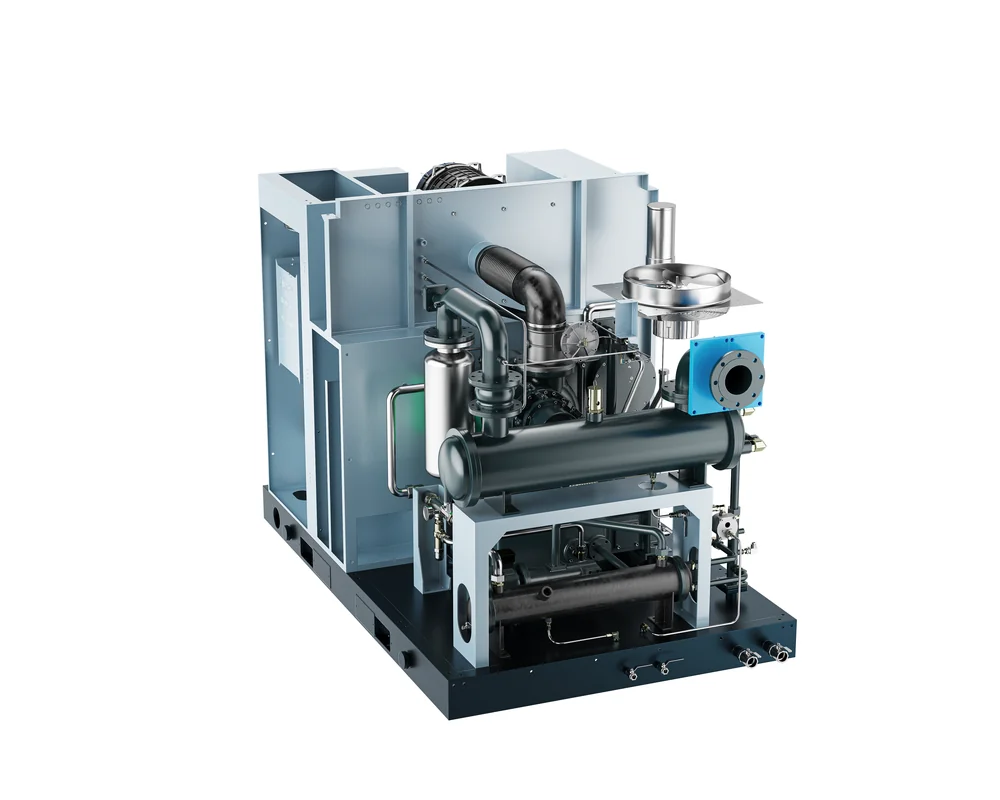
A dry oil-free screw compressor uses two rotors that never touch, timed by precision gears, with a coating that lets them run without lubrication in the gas path. Two-stage and three-stage versions split the pressure rise across several airends, which improves efficiency at higher pressures. These machines are built for continuous duty and high flow. A dental hospital with dozens of chairs, a shared central plant or a clinic that also supplies a laboratory may be better served by one well-sized screw unit than by a wall of scrolls. The dry oil-free screw range starts at 37 kW, so it is the wrong choice for a two-chair practice on size alone.
Piston and rotary vane: where they fall short
Small piston compressors are cheap and familiar, which is exactly why they turn up in clinics that later regret them. Most are oil-lubricated, and the oil that seals the rings also travels downstream unless the unit is a true oil-free design with a dry cylinder. Piston units are also noisy, pulse the line, and need more maintenance per running hour. Rotary vane compressors are smoother but still rely on oil for sealing and cooling in most designs. If a supplier offers an “oil-free piston” for dental use, ask for the Class 0 certificate and the dew-point data before accepting the claim.
For a single chair in a temporary or very low-use setting, a small true oil-free piston unit can be acceptable if it carries the right certificate and a dryer. For anything larger, the noise, duty cycle and maintenance burden make it a false economy.
Dry or Water-Lubricated: A Quick Decision
Oil-free is a family, not a single design. Dry screw and scroll machines keep the compression chamber completely dry. Water-lubricated screw machines use water to seal and cool the rotors, which can suit certain process duties but adds a water circuit and a moisture management task. For a dental clinic, dry is usually the simpler answer: there is no water to treat, no risk of carry-over into the air line, and the dryer has less work to do. A water-lubricated unit can still be Class 0 for oil, but the clinic then has to manage water quality and stagnation as well as air quality. Compare the two approaches in this guide to water-lubricated oil-free screw compressors, and this discussion of water-injected versus dry oil-free compressors if you are weighing them for a larger site.
The Air System Around the Compressor
A clean compressor feeding a wet, unfiltered line still delivers poor air. The dental air system is a chain, and every link has to be right. Compressed air leaves the airend hot and saturated, cools in the aftercooler, gives up water in the dryer, passes through filters and a receiver, then travels to the chair. Skip a stage and the next one has to work harder or fails early.
Aftercooler and dryer
The aftercooler brings the air down to a temperature where water can be removed. A refrigerant dryer then holds the pressure dew point at roughly +3 degrees C, which is adequate for most clinics with indoor piping. A desiccant dryer goes lower, to around -20 to -40 degrees C, and is worth considering where lines run through cold spaces, where the clinic also feeds a laboratory or where the local standard demands a drier supply. The dryer must be sized for the compressor flow at the actual site conditions, not just the nominal rating on the box; a dryer running at its limit passes moisture.
Filtration: coalescing and carbon
Even oil-free air needs filtration to remove particles, pipe scale and any trace hydrocarbon picked up downstream. The usual train is a particulate pre-filter, a high-efficiency coalescing filter rated to 0.01 micron, and an activated carbon filter to take out taste and odour. Carbon is the last stage before the chair, and it is the element most often forgotten at service time. A blocked carbon filter raises pressure drop, starves handpieces and can release what it has collected if it is allowed to load beyond its rating. The principles are the same as those for any medical-grade oil-free air system, just at clinic scale.
Receiver and distribution
The receiver smooths demand spikes when several chairs work at once, gives the compressor room to unload, and lets condensate settle where it can be drained. Size it for the peak draw and the acceptable pressure swing, not as an afterthought. Distribution matters as much: dead legs, undersized tubing, sharp elbows and long runs all cost pressure. Dental units are sensitive to pressure droop at the chair, so a loop layout with short branches usually beats a long single line. Slope the pipe back toward a drain and fit a filter at each chair if the layout allows.
How to Size a Compressor for Your Chair Count
Do not size a dental compressor from a rule of thumb copied from a forum. Use the actual consumption of the dental units you are installing. Each unit’s installation manual states its air demand, usually as a flow at a defined pressure, and that number is the only reliable starting point. Add the demand of every chair that can run at the same time, then add a margin for leaks, future chairs and instrumentation such as a laboratory or a sterilizer that uses air.
A workable method looks like this. List each air-consuming device with its rated flow at the working pressure. Multiply the number of chairs by the per-chair demand, then apply a diversity factor for how often every chair actually works at once. Add an allowance for leakage across the distribution network, which grows silently with every joint and coupling. Add any planned expansion. Convert the total to the compressor’s rated free air delivery at your site’s pressure, and check that the chosen model still delivers that flow at the highest ambient temperature the plant room will see. The formula is simple; the discipline is in using measured data instead of guesses.
Two checks catch most sizing errors. First, compare the result with the compressor’s flow at the actual discharge pressure, because free air delivery falls as pressure rises. Second, confirm the dryer and filters are rated for the same flow at the same conditions. A compressor that is correct on paper but paired with an undersized dryer will deliver wet air and a false sense of security.
Pressure, Dew Point and Air Quality Targets
Most dental units are designed to run in the region of 5 to 7 bar, and the exact figure belongs in your equipment schedule, not in a generic article. Set the compressor to the lowest pressure that still gives stable performance at the furthest chair; every extra bar costs energy and stresses the system. Confirm the dental unit manufacturer’s requirement before you set the cut-in and cut-out points.
Write the air quality target down before you buy. A sensible dental specification covers oil content at Class 0, a pressure dew point appropriate to the climate and piping route, particulate filtration to 0.01 micron at the final stage, and a stated maximum pressure drop across the filter train. Keep the certificates and test reports with the equipment file. If a supplier cannot show a certificate for the exact model, treat the claim as unproven. The same logic applies when comparing Class 0 water-lubricated and dry oil-free designs, because the oil-free label alone does not fix the moisture question.
Moisture deserves its own line in the specification. A cold line, a long run through an unheated space or a dryer working above its rated flow can push water into the chair even when the compressor is dry. Check the dew point at the furthest outlet, not only at the dryer. If the clinic stores instruments or supplies in the same room, keep the air outlet and the condensate drain away from clean storage.
Noise, Heat and Siting
Dental clinics are quiet places, and a compressor that drones through a partition ruins the atmosphere for patients and staff alike. Scroll units are inherently quieter than piston machines, and the published range for the SWO series is 55 to 64 dB(A) depending on model. Treat that figure as a starting point, not a guarantee: distance, enclosure, floor type and pipework all change what people hear in the surgery. Mount the unit on anti-vibration pads, use flexible connections, and avoid fixing pipework to a wall that shares a cavity with the operatory.
Heat is the other siting issue. Compressors produce a lot of it, and a small plant room with no ventilation becomes an oven in summer. Allow adequate free area for intake and discharge, keep the room below the compressor’s rated ambient, and consider ducting the hot air out or recovering it for water heating. If the room is tight, a unit with a higher ambient rating or a remote-cooling option may be the better choice. Quiet operation and reliable cooling usually point to the same layout: a dedicated, ventilated room away from treatment areas. For a closer look at low-noise options, this guide to quiet oil-free compressors for dental and medical settings covers the trade-offs.
If the plant room is landlocked, a ducted discharge or a remote condenser can move the heat without moving the compressor. Do not box a unit into a cupboard and hope; restricted airflow shortens component life and pushes discharge temperature up.
One Compressor or Two? Planning for Redundancy
A single compressor is the cheapest way to meet a clinic’s normal demand, but it is also a single point of failure. If it stops on a busy morning, the chairs stop with it. Clinics that cannot afford downtime should plan redundancy from the start. The simplest approach is two smaller units running as duty and standby, each able to carry the critical load. A more efficient arrangement for a larger site is two units with a sequencing controller, so both share the load in busy periods and either can cover a failure.
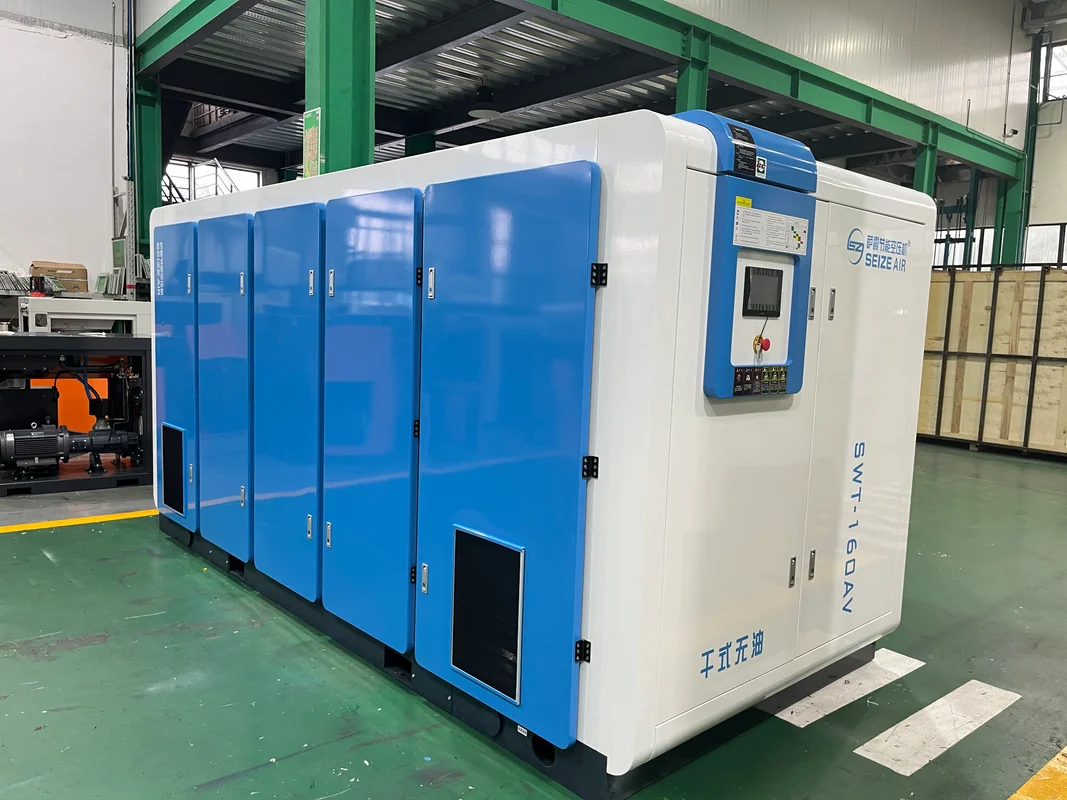
Redundancy also applies to the air treatment. One dryer and one filter train is a single path for the whole clinic. Where the budget allows, duplicate the dryer or at least keep critical spares on site. For a dental hospital or a multi-site group, the central plant should be designed like any other critical utility: metered, monitored and maintainable without shutting every chair. A larger dry oil-free screw package, such as the installed unit shown below, is the kind of equipment that belongs in that central plant rather than in a cupboard behind reception.
Plan the duty/standby changeover before you need it. A manual valve that nobody has been trained to use is not redundancy. Automatic changeover, clear labelling and a short written procedure are what turn two compressors into a resilient system.
Controls, Variable Speed and Monitoring
Dental demand is lumpy. Chairs start and stop, and the compressor spends much of its life at part load. A fixed-speed unit copes by loading and unloading, which is inefficient and wears the inlet valve. A variable speed drive matches motor speed to demand, holding pressure more steadily and cutting energy at low flow. For a clinic with a wide swing between quiet periods and busy lists, variable speed is usually worth the premium. For a small practice with a steady, modest load, a well-sized fixed-speed scroll can be the simpler choice.
Controls matter beyond energy. A modern controller shows pressure, temperature, running hours and fault history, and can raise an alarm before a failure stops the clinic. Remote monitoring over Modbus, Ethernet or a mobile connection lets a service partner see trends and plan maintenance instead of reacting to breakdowns. At minimum, insist on a controller that logs faults and a service plan that reads those logs. A compressor that cannot tell you why it tripped is a compressor that will trip again.
Ask for a controller that records running hours and fault codes and can export them. When a clinic changes hands or a service contract moves, that history is the difference between a planned overhaul and an emergency.
Running Cost: The Calculation Method
Purchase price is the smaller number over the life of a dental compressor. Energy usually dominates, followed by maintenance and the cost of downtime. The calculation is straightforward: annual energy equals motor input power in kW multiplied by annual running hours, multiplied by the local electricity price. Use input power, not nameplate output, and allow for part-load behaviour if the compressor does not run fully loaded. Add the dryer, which runs continuously, and the pressure drop across filters, which quietly adds to the compressor’s duty.
The comparison that matters is specific power — kW consumed per m3/min delivered at the same pressure. A machine with a lower specific power can cost more upfront and still be cheaper over ten years. Use your own electricity tariff rather than a generic figure; the US Energy Information Administration publishes average prices that are useful for a sanity check, but your contract price is what you will actually pay. Ask each supplier for the specific power at your duty point, not just the headline efficiency claim.
Installation Checklist for a Dental Clinic
- Confirm the dental unit air demand, working pressure and simultaneous-use pattern in writing.
- Size the compressor, dryer, filters and receiver for the same flow at the actual site conditions.
- Check the plant room’s ambient temperature, ventilation and free area against the compressor rating.
- Mount the unit on anti-vibration pads and fit flexible connections to the pipework.
- Slope distribution pipe back to a drain and fit a final filter at each chair where possible.
- Install a receiver large enough to smooth peak draw and allow the compressor to unload.
- Provide a condensate drain that discharges safely and legally.
- Label isolation valves so a single chair or the whole system can be shut down for service.
- Record the Class 0 certificate, dryer dew point and filter ratings in the equipment file.
- Commission with a pressure and leak test before the first patient is treated.
Maintenance Schedule That Protects Air Quality
| Item | Interval | Action |
|---|---|---|
| Condensate drain | Weekly | Check discharge, clean strainer |
| Pre-filter and coalescing element | Per pressure-drop limit | Replace, log differential |
| Carbon filter | Per manufacturer | Replace before breakthrough |
| Dryer | Annual service | Check dew point, clean condenser |
| Airend and motor | Per running hours | Inspect bearings, check vibration |
| Leak survey | Annual | Test joints, couplings and chair connections |
Follow the compressor maker’s schedule for the machine, but do not let it replace a clinic-specific routine. Filters are the parts that protect patients, and they are the parts most likely to be skipped when the budget is tight. Keep a simple log of pressure drop and dew point. A rising filter differential or a drifting dew point is an early warning that costs little to fix and a great deal to ignore.
Common Mistakes When Buying a Dental Compressor
- Buying a lubricated compressor and assuming a filter makes it dental-safe.
- Sizing from a rule of thumb instead of the dental units’ stated demand.
- Choosing the compressor alone and leaving the dryer and filters undersized.
- Ignoring the plant room’s summer temperature and ventilation.
- Treating noise as an afterthought, then discovering the surgery can hear the compressor.
- Skipping redundancy because the first unit “never breaks”.
- Comparing purchase price instead of lifetime specific power and maintenance cost.
- Forgetting to check that the Class 0 certificate covers the exact model quoted.
Procurement Checklist
- Written air demand for every chair and air-using device.
- Required pressure, dew point, oil class and filtration at the final outlet.
- Compressor model, flow at duty pressure, input power and specific power.
- Class 0 certificate and test report for the exact model.
- Dryer type, rated dew point and flow at site conditions.
- Filter train specification and replacement schedule.
- Receiver volume and maximum allowable pressure drop.
- Noise data at the intended distance, and a siting plan.
- Redundancy and duty/standby arrangement.
- Service response time, spare parts availability and warranty terms.
Frequently Asked Questions
Which compressor is best for a two-chair dental clinic?
A small oil-free scroll compressor is normally the best fit. It is quiet, compact, oil-free by design and sized for the flow a couple of chairs need. Confirm the exact model against the dental units’ stated demand and add a receiver and dryer.
Can I use an oil-lubricated compressor if I add a filter?
No. A filter removes aerosols but not every oil vapour molecule, and a saturated element can pass contamination. Dental air should come from an oil-free compressor with a Class 0 certificate, not from a lubricated unit with an add-on filter.
What pressure do dental units need?
Most dental units are designed for roughly 5 to 7 bar, but the exact figure is set by the unit manufacturer. Use the lowest pressure that gives stable performance at the furthest chair, and confirm the cut-in and cut-out settings against the manual.
Do I need a dryer in a dental clinic?
Yes. Compressed air leaves the compressor saturated, and moisture in the line feeds biofilm and damages instruments. A refrigerant dryer is adequate for most indoor piping; a desiccant dryer is better for cold routes or laboratory use.
How do I calculate the size I need?
List every air-using device with its rated flow at working pressure, multiply chairs by per-chair demand, apply a realistic diversity factor, add a leak allowance and planned expansion, then convert to free air delivery at your site pressure and maximum ambient.
How noisy is a dental compressor?
Oil-free scroll units typically publish 55 to 64 dB(A) depending on model. Distance, enclosure and floor type change what you hear in the surgery, so site the unit in a ventilated service room and use anti-vibration mounts and flexible connections.
Should I buy one compressor or two?
If downtime would stop treatment, plan duty and standby. Two smaller units, or two units with a sequencing controller, keep the clinic running through a failure and often share load more efficiently than one large machine.
How often should filters and the dryer be serviced?
Check the drain weekly, replace filters at their pressure-drop limit, service the dryer annually and log dew point and differential pressure. Follow the compressor maker’s schedule as well, but never let it replace the clinic-specific filter routine.
Conclusion
Which compressor is best for dental clinics comes down to matching an oil-free machine to the real demand and building a complete air system around it. For most practices that means a quiet scroll compressor, a dryer, a proper filter train and a receiver, installed in a ventilated room with room to grow. Larger clinics and dental hospitals should look at an oil-free screw unit with variable speed control and planned redundancy. Get the air quality, sizing and service plan right, and the compressor becomes the least interesting part of the clinic — which is exactly what a good utility should be. Start with the air quality target and the measured chair demand, then choose the machine that meets both with the least noise, waste and downtime.