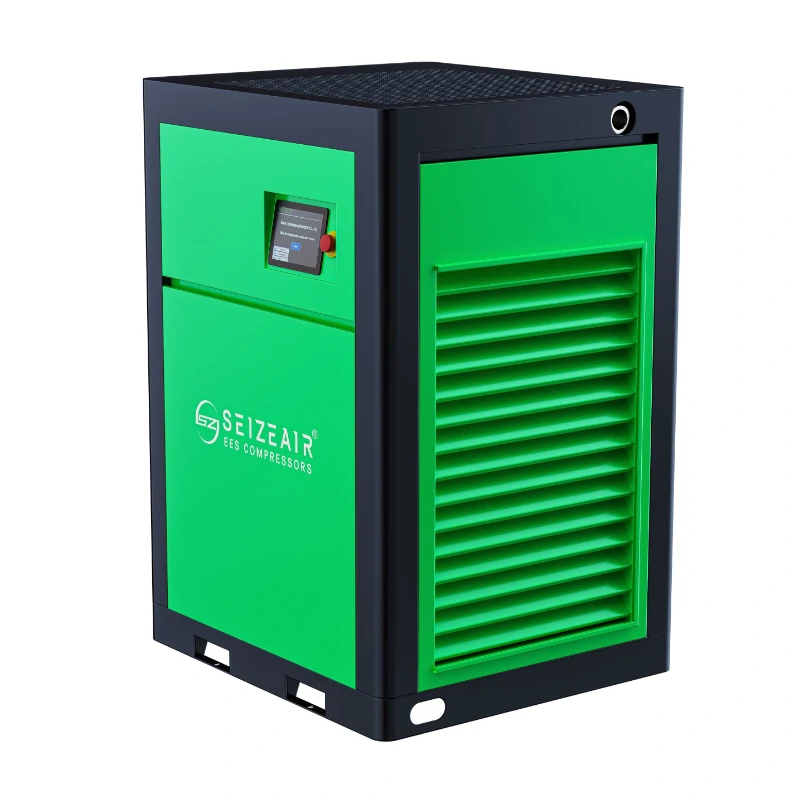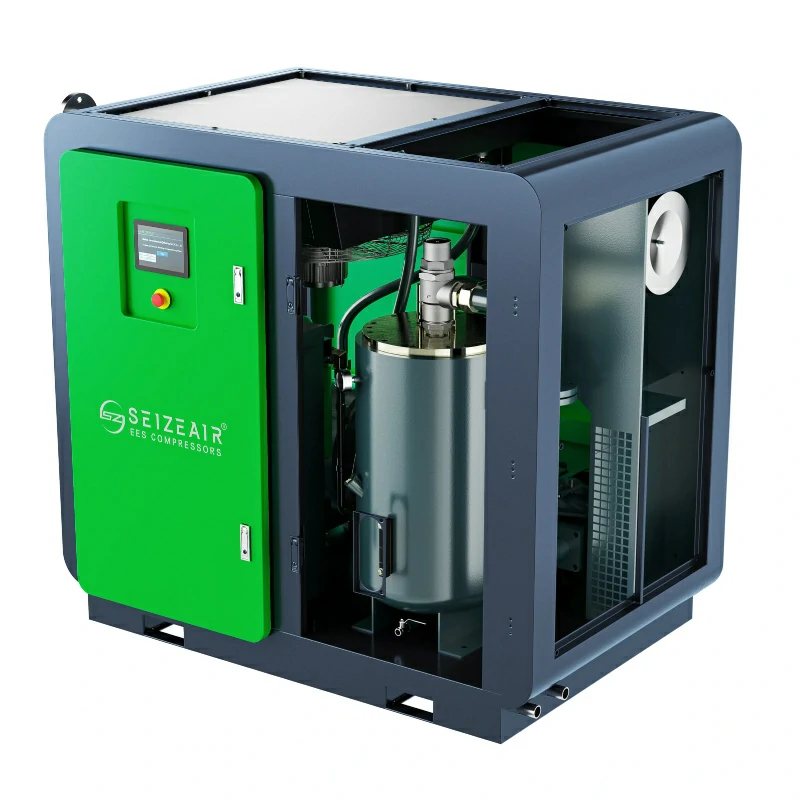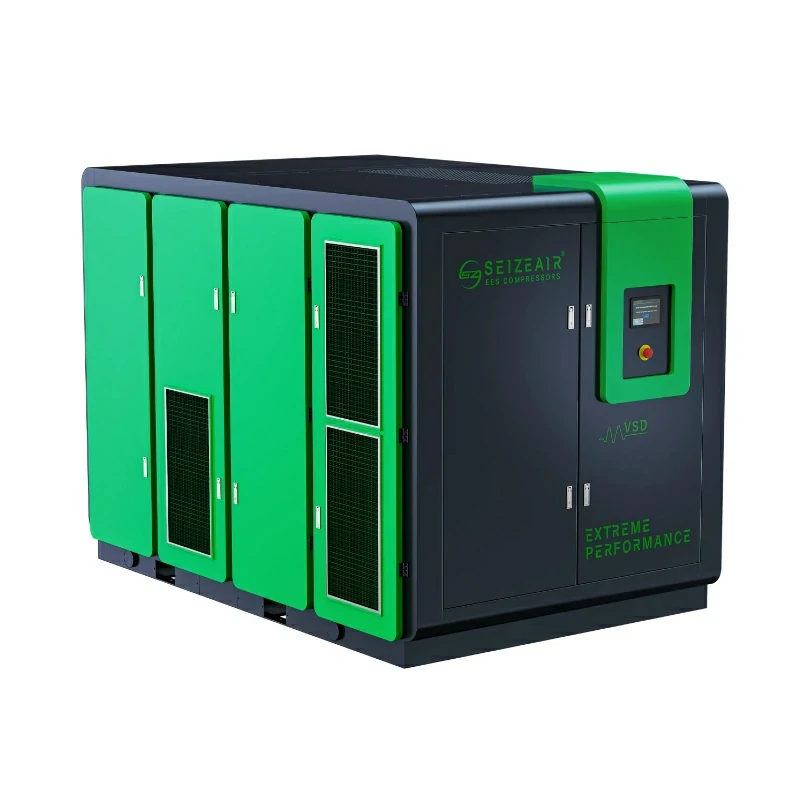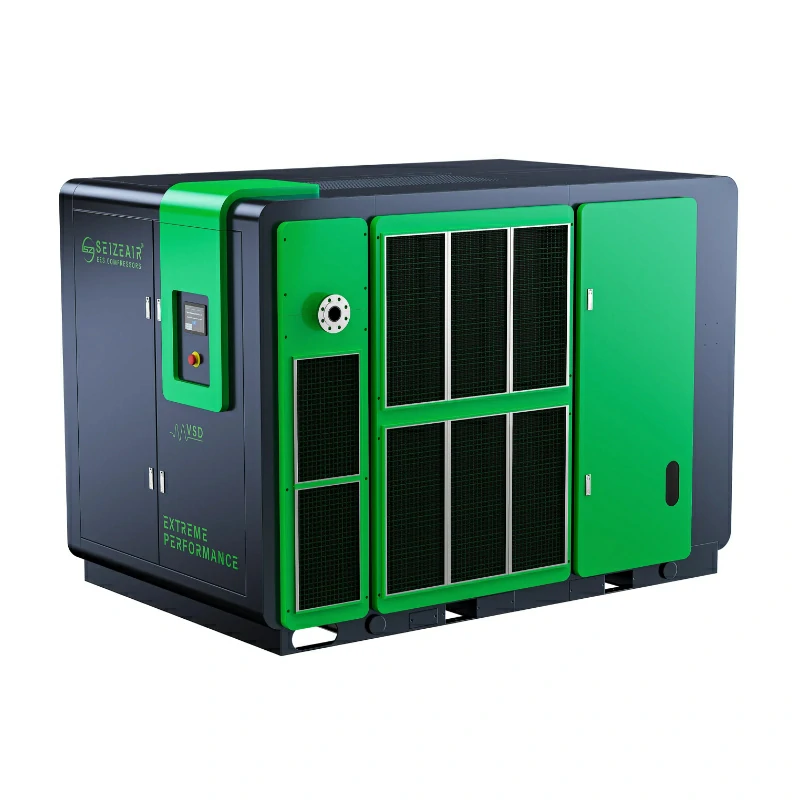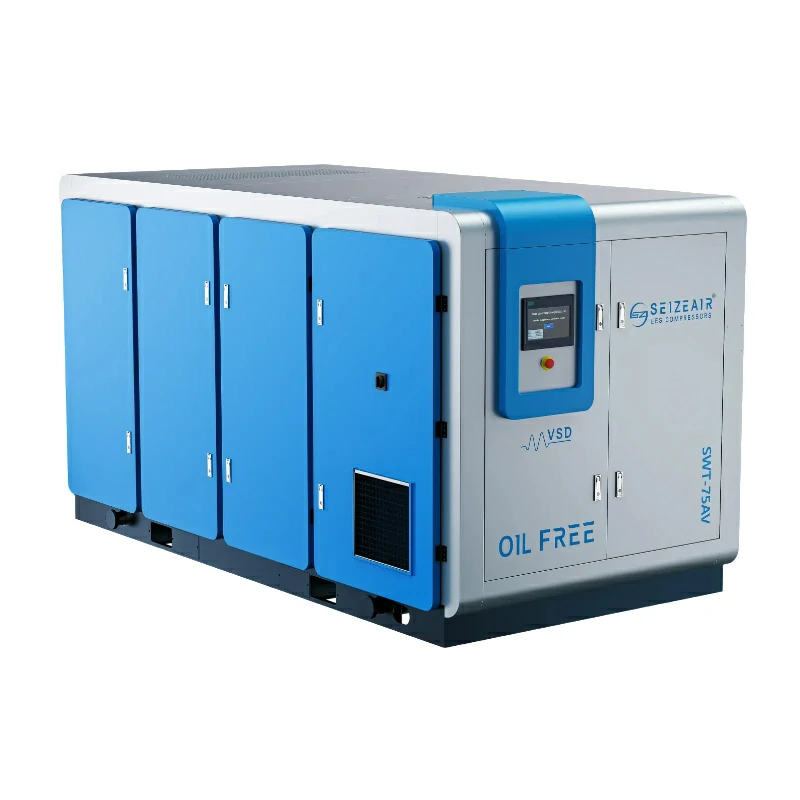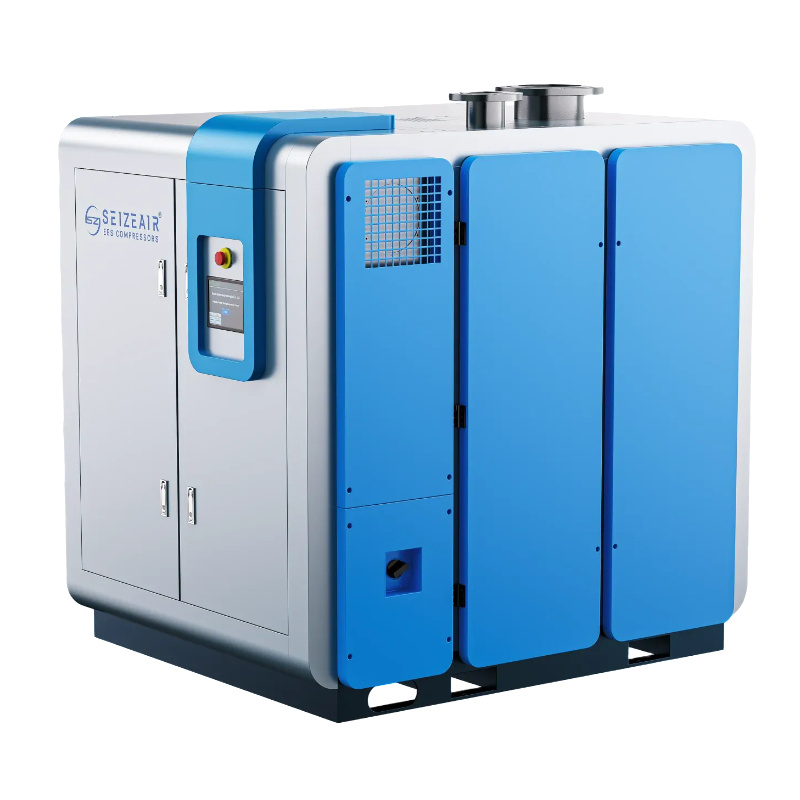


A 10 bar air compressor for sale is one of the most common procurement searches in industrial compressed air, and for good reason: ten bar (1.0 MPa, roughly 145 psi) sits in the sweet spot between baseline seven or eight bar plant air and the high-pressure bands used for specialised tools and blow moulding. If your process needs more than standard low-pressure air but does not justify a dedicated high-pressure booster, a ten bar screw unit is usually the most cost-effective answer. This guide explains what ten bar means in practice, which technologies and drive types suit it, the specifications worth checking, the installation realities, and how to buy one without the usual sourcing risks. It is written for plant engineers, procurement managers, and business owners who need a dependable machine rather than a cheap surprise.
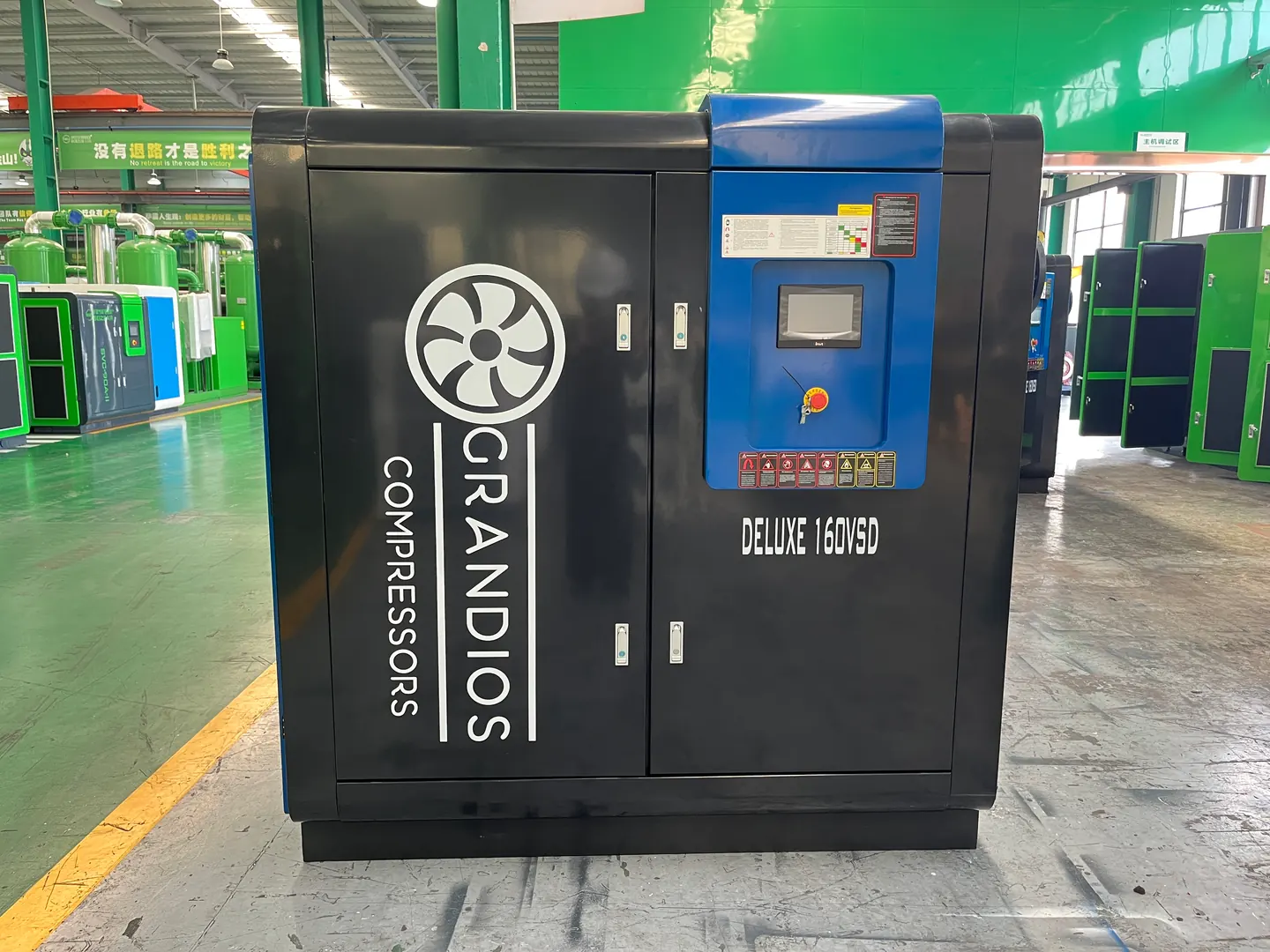
What “10 Bar” Really Means (and Whether It Fits Your Plant)
Ten bar is a unit of gauge pressure. Expressed in the other systems buyers meet, ten bar equals 1.0 MPa and approximately 145 psi. It is a working pressure — the pressure at the compressor outlet after the receiver and before significant line losses — not the same as the pressure your tool actually receives at the point of use. Confusing the two is the most common reason a new compressor underperforms.
Where 10 bar sits on the pressure ladder
Most general plant air runs at seven or eight bar. Many pneumatic hand tools, actuators, and control valves are rated for that range and perform well without extra pressure. A ten bar unit becomes attractive when you need a margin to cover pressure drop through long piping, filters, dryers, and quick-connect fittings, or when the application itself calls for it. Certain packaging machinery, textile air-jet looms, blow guns, and some process blow-offs prefer the higher setpoint because the extra headroom keeps the endpoint stable under fluctuating demand.
When 10 bar is the wrong choice
If every endpoint is happy at seven bar, buying ten bar only adds capital and a small efficiency penalty for no benefit. Conversely, if you need fifteen bar or thirty bar for PET blow moulding or laser cutting assist, a single ten bar machine will not reach it; you would need a high-pressure stage or a separate booster. The first specification step is therefore simple: confirm the real pressure your worst-case endpoint demands, add the expected line drop, and let that number drive the purchase rather than a round number someone quoted.
How to confirm your real pressure need
Walk the plant with a pressure gauge on the actual tool, not the receiver. Record the lowest stable pressure at peak simultaneous demand, then add a safety margin for future expansion and for filter and dryer fouling over time. If the result lands near ten bar, a ten bar machine with a modest setpoint margin is correct. If it lands at eight, do not pay for ten. This five-minute audit prevents the most expensive mistake in compressor buying, which is purchasing capacity and pressure you will never use.
Why Oil-Injected Rotary Screw Dominates the 10 Bar Segment
For continuous industrial duty at ten bar, the oil-injected rotary screw compressor is the default technology, and it is worth understanding why before comparing brands. The rotating screw pair compresses air smoothly and continuously, with no piston pulsation, which suits round-the-clock factory operation far better than a reciprocating unit of similar rating.
How a screw compressor actually works
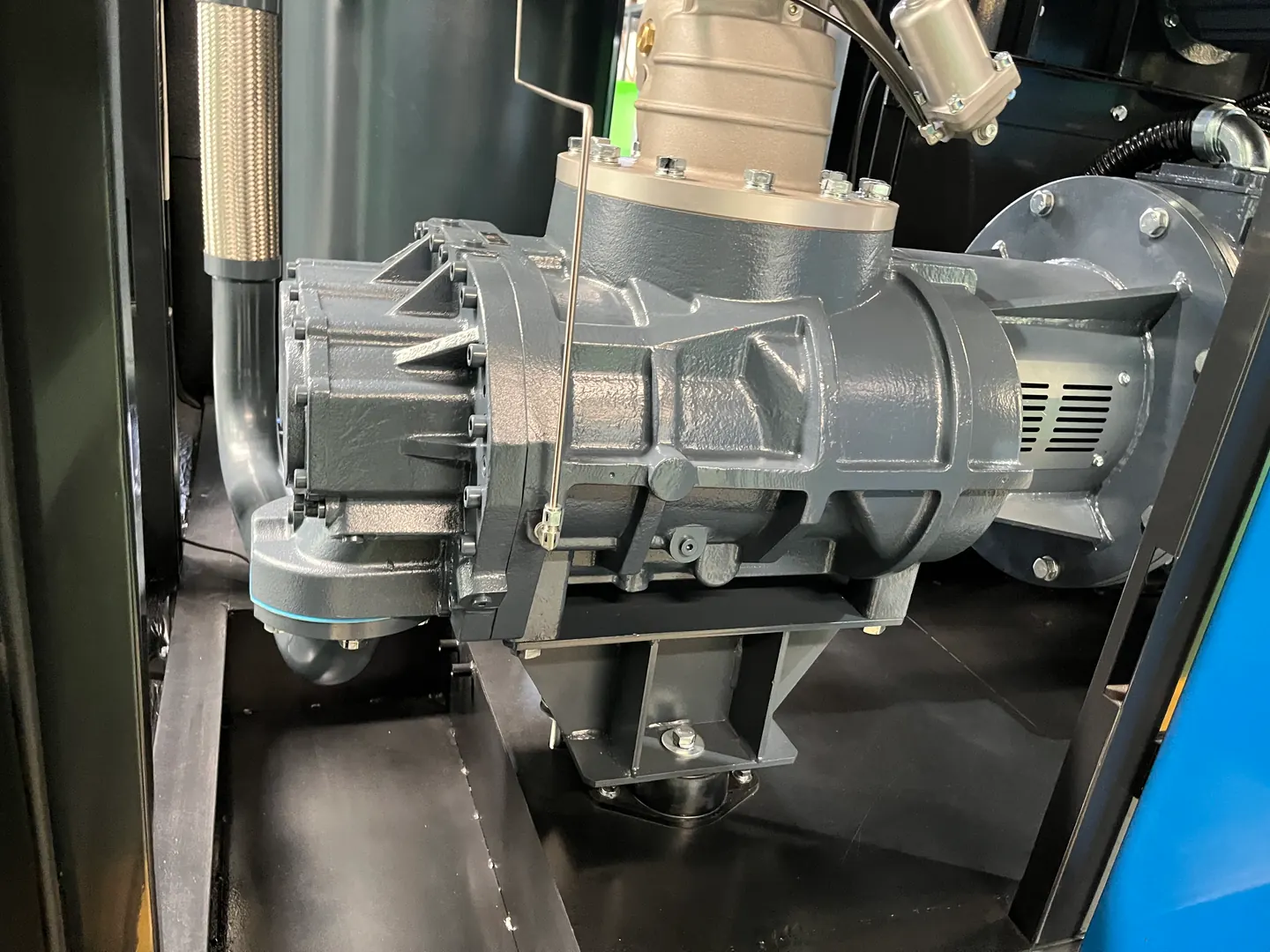
Two intermeshing rotors trap air in a decreasing volume as it moves along the screw, raising pressure quietly and efficiently. Oil is injected to seal the gaps, remove heat, and lubricate the rotors, then separated out so the delivered air is clean enough for the vast majority of plant applications. The simplicity of the rotating assembly is why screws run for years with scheduled service rather than frequent repair, and why they have displaced pistons in most fixed installations above a few kilowatts.
Oil-injected vs oil-free at 10 bar
Oil-injected machines use a small oil film for sealing, cooling, and lubrication inside the compression chamber, then strip the oil out downstream with separators. Oil-injected and oil-free designs differ in cost, lifespan, and air purity, and the right choice depends on what the air touches. When the air contacts a product directly — food, pharmaceutical, or sensitive electronics — Class 0 oil-free is the compliant route. For general plant air, oil-injected screw delivers the same ten bar at lower capital and energy cost, which is why it owns the bulk of the industrial market.
Screw vs piston at this pressure
A rotary screw unit outperforms a piston compressor for continuous ten bar duty on noise, duty cycle, and service interval. Piston machines still earn their place for intermittent, lower-duty work, but a plant running a compressor for a full shift should not be comparing pistons to screws; it should be comparing screws to other screws from different suppliers and drive types.
Single-Stage or Two-Stage at 10 Bar?
Single-stage screw compressors compress air in one pass and cover most ten bar duties economically. Two-stage machines split the work between two airends, intercooling between them, which improves efficiency and lowers discharge temperature at higher pressures.
The verified pressure range
Oil-injected two-stage screw compressors from SEIZE AIR are specified across a working-pressure band of 4.5–12.5 bar (per the English two-stage catalogue cover range), which comfortably includes ten bar. That range is a catalogue envelope, not a promise that every power rating is available at every pressure, so the practical move is to read the selection table for the exact model and pressure you need rather than assuming a number from the brochure cover.
How two-stage compresses in two steps
In a two-stage design the first airend raises pressure partway, the air passes through an intercooler that removes much of the heat of compression, and the second airend finishes the job. Cooler air is denser and easier to compress, so the second stage needs less energy. The benefit grows with pressure and with running hours, which is why two-stage is a familiar sight on larger and hotter installations even when the final pressure is only ten bar.
When two-stage pays off
At ten bar the efficiency gain of two-stage over single-stage is modest but real on larger machines and in hot climates where intercooling helps. The two-stage versus one-stage comparison explains the trade-offs in detail, and the case for upgrading to two-stage is strongest above roughly ten bar and on high-running-hour sites. For a standard ten bar base-load unit, single-stage is usually the value choice; for a hot, high-duty site, two-stage is worth modelling.
Sizing the decision to your duty
A useful rule of thumb: if the machine runs only one shift at partial load in a temperate room, single-stage fixed or VSD is hard to beat on value. If it runs multiple shifts, in a hot summer climate, at the top of its pressure band, two-stage earns consideration. The only way to be sure is to ask each supplier for specific power at your exact flow and pressure, then compare those numbers rather than the stage count alone.
Fixed Speed or Permanent Magnet VSD?
Every screw compressor is driven by a motor, and the motor control strategy is the single biggest lever on your electricity bill — which is the biggest lifetime cost of any compressor. Choosing the drive is therefore as important as choosing the pressure.
Fixed speed basics
A fixed-speed machine runs the motor at full speed whenever it is loaded and unloads or stops when demand drops. It is simple, robust, and cheap to buy, and it suits a plant with a flat, near-constant air demand. If your load barely varies across the day, a fixed-speed compressor is often the better buy over a VSD, because you avoid paying for control complexity you will not use.
Permanent magnet variable speed drive
A permanent magnet (PM) air compressor varies motor speed to track demand exactly, avoiding the energy waste of repeated unload cycles. On sites with variable demand — most factories — a VSD energy-efficient compressor typically pays back its premium through lower power draw during partial load. For a ten bar unit that runs most of the day but not always at full flow, PM VSD is the option to model first, because partial-load hours are where the savings accumulate.
Matching drive type to your load profile
Draw a simple load curve for a typical day: note the minimum, average, and peak flow and how long you sit at each. Flat curve favours fixed speed. Wide swing between minimum and peak favours VSD. Mixed base-plus-peak duty often favours one fixed-speed base unit plus a smaller VSD trim, a combination that several suppliers can configure. The load profile, not the brochure, should decide.
The Specification Sheet: What to Read Before You Pay
A credible ten bar offer arrives as a specification table, not a single headline number. Learn to read it, because the headline power rating can hide as much as it reveals, and the difference between two quotes is rarely where the salesperson points.
Free air delivery and motor power
The two numbers that define capacity are free air delivery (FAD, in cubic metres per minute or cubic feet per minute) and motor power (in kilowatts or horsepower). Do not compare motors alone — a seventy-five kilowatt machine from one maker may deliver more air than a seventy-five kilowatt machine from another because of airend and drive efficiency. Always compare on delivered flow at the same pressure, because that is the only number your tools care about.
Specific power: the honest metric
Specific power (kilowatts per cubic metre per minute) is the efficiency yardstick: lower is better. SEIZE AIR units are validated against ISO 1217:2009, the international acceptance-test standard for displacement compressors. In one SGS-witnessed test report (report number SHES250300470951, dated 2025-04-03), models SVC-75A-II, SV-75A-II, and SZ-100TPM were tested at 0.8 MPa with a measured specific power of 5.90 kW per cubic metre per minute at full flow — a concrete example of how a single model is verified, though that particular test was at eight bar rather than ten bar, so treat it as evidence of method, not as a ten bar figure. Use the specific power on your quoted model at ten bar when comparing offers.
Cooling, drive, and control
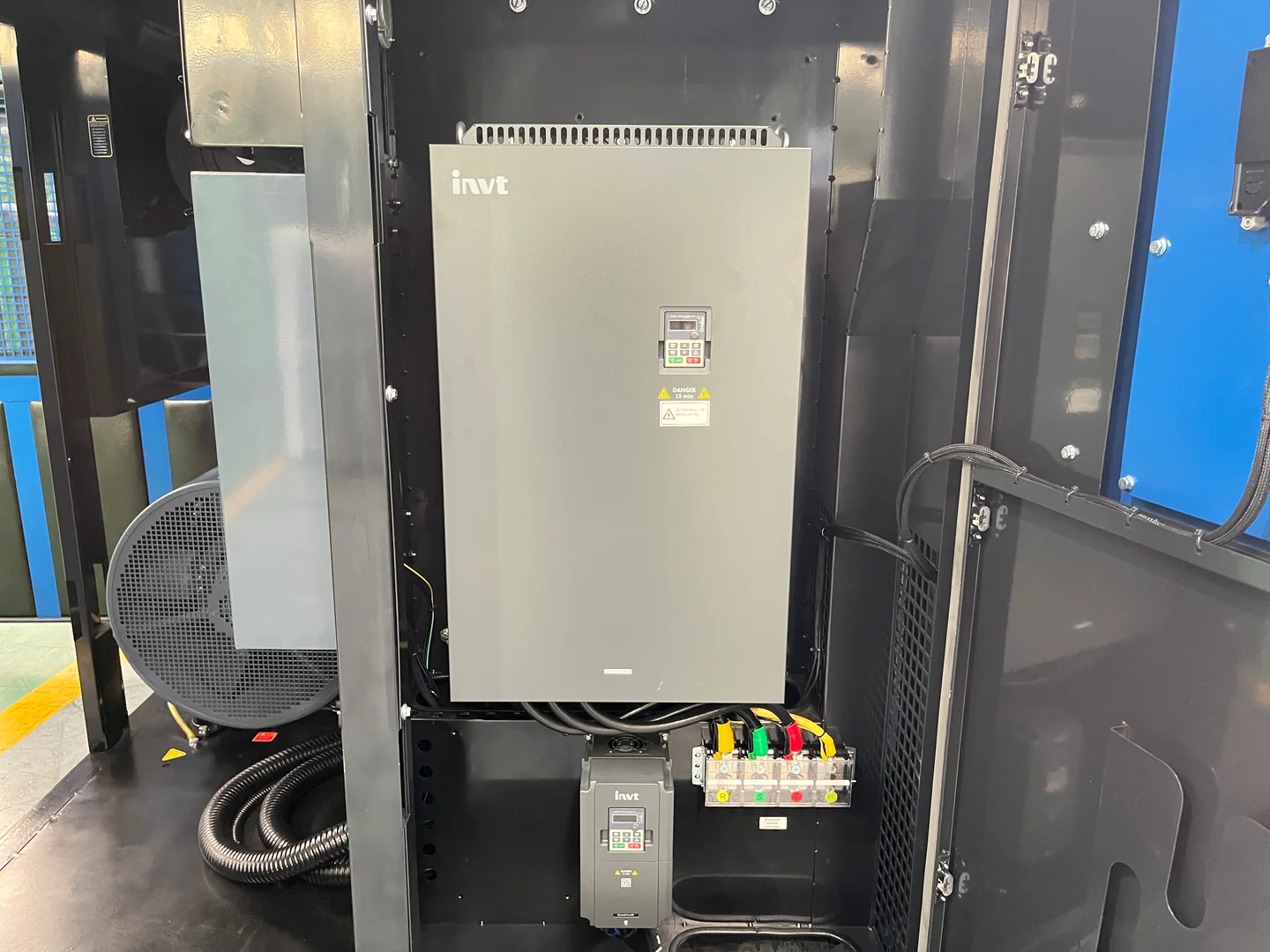
Confirm air- or water-cooled, the type of coupling (direct drive avoids belt losses), and the controller features such as dual-pressure setpoint, sequencing, and remote alarm. These details separate a bare machine from a dependable plant asset, and they are exactly where low-cost quotes quietly differ from complete ones. A good controller also lets the compressor talk to sister units so the fleet shares load instead of fighting over it.
Reading between the lines of a quote
Two quotes at the same price can be years apart in lifetime cost. Look for what is missing: is the dryer included or extra? Are the filters listed by part number? Is the warranty period and what it excludes stated plainly? A quote that bundles matched air treatment, documented test data, valid certificates, a spare-parts list, and a commissioning procedure is complete; one that lists only the bare block is not, regardless of how attractive the number looks on the first line.
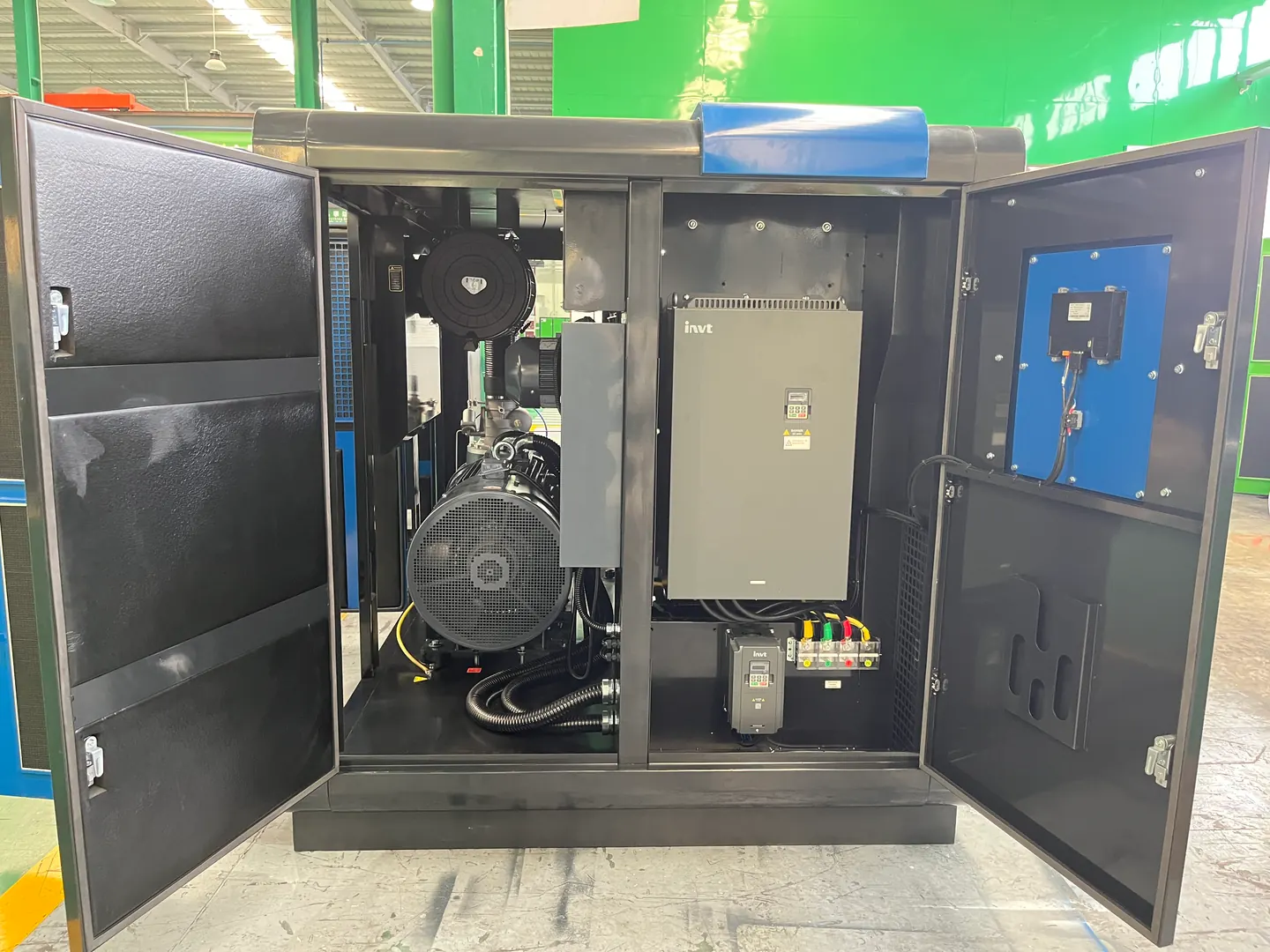
Air Treatment You Cannot Skip at 10 Bar
Compressed air leaving the screw is hot, wet, and oily even on an oil-injected machine, and ten bar magnifies the consequence of skipping treatment because every contaminant is concentrated at higher pressure. Treatment is not optional trimming; it is part of the machine.
Dryer and filter selection
A refrigerated dryer is the standard choice for general plant air; a desiccant dryer is needed where very low dew points are required. Our compressed air dryer selection guide walks through the dew point, flow, and pressure-drop maths. Pair the dryer with coalescing and particulate filters sized for the ten bar flow, because an undersized filter silently robs you of pressure at the tool.
All-in-one packages
If floor space or piping simplicity matters, a compressed air unit that integrates the compressor, dryer, and receiver ships as one skid, wired and tested, which removes a layer of installation risk and is available across the oil-injected screw range including ten bar duties. For a compact plant room or a fast deployment, the all-in-one approach is often the lower-risk purchase.
Why pressure drop matters at 10 bar
Every downstream component costs you pressure. Undersized piping, a clogged filter, or a small dryer can consume one or two bar before the air reaches the tool, so your ten bar machine effectively delivers eight at the nozzle. Specifying components with low pressure drop, and maintaining them on schedule, protects the pressure you paid for. This is why treatment and distribution belong in the original specification, not as an afterthought.
Where the Compressor Lives: Installation and Environment
A ten bar screw unit is not fussy, but it is not location-independent. The environment around it decides how much of its rated capacity you actually keep, and ignoring this is a quiet way to lose performance.
The documented operating window
The operation manual for the oil-injected range specifies an ambient operating window of minus five degrees Celsius to plus forty degrees Celsius, relative humidity not above 85 percent, and site altitude below 1000 metres. Those are the documented limits for that manual edition; confirm the figure for the exact model and firmware you receive, because altitude and heat both reduce delivered capacity and the supplier’s selection software should correct for both before you order.
Airflow and placement
Plan for clean, cool intake air near floor level, short and well-insulated discharge ducting, and enough clearance for maintenance. Hot, dusty, or poorly ventilated rooms quietly rob you of flow and shorten component life. A short pre-installation site survey prevents most field complaints, and it is far cheaper to fix the room than to oversize the compressor to compensate for a bad location.
Maintenance discipline
Reliability is mostly routine care: separator and filter changes on schedule, oil analysis, and belt or coupling inspection. Our air compressor maintenance guide lays out the daily, weekly, and monthly tasks that keep a ten bar machine on line. The cheapest compressor is the one whose service plan you actually follow, because neglect turns a small part into an unplanned shutdown.
How a Manufacturer Proves a 10 Bar Unit Is Built Right
Specs on paper are easy to print; proof is harder. SEIZE AIR (Seize Compressor (Shanghai) Co., Ltd.) has built industrial compressors since 2009 from its Shanghai base, and the ten bar oil-injected screw range sits inside a broad portfolio that also covers low-pressure, oil-free, mobile, centrifugal, and blower products.
Independent verification
Beyond in-house testing, selected models are witnessed by third-party bodies. The SGS test referenced earlier (ISO 1217:2009, SGS as the witnessing laboratory) is one example of documented acceptance testing rather than a marketing claim. When you evaluate a ten bar offer, ask each supplier for the equivalent test evidence at your pressure — a credible manufacturer will produce it. Independent testing organisations such as SGS and standards bodies such as ISO exist precisely so buyers can verify performance claims rather than trust brochures, and a supplier unwilling to share test data is a supplier to avoid.
Build and support
For buyers sourcing from overseas, the practical questions are lead time, spare-parts availability, and who answers the phone after commissioning. Working with an original-equipment manufacturer that controls its airend and control design shortens that loop compared with a trader reselling someone else’s badge, because the people who built the machine are the people who support it.
What the factory should be able to show you
Before ordering, ask for the selection calculation for your duty, the test report for the exact model, the certificate pack with current dates, and references from a similar application. A confident factory answers these without hesitation; a hesitant one reveals the gap you would otherwise discover after delivery. The conversation itself is a quality signal.
Certifications That Should Travel With Your Machine
Compliance paperwork is not decoration; it is what lets your machine clear customs and satisfy your own audit. For a ten bar oil-injected screw unit, look for the core management-system certificates and the market-specific marks.
Management systems and marks
The relevant certificates include ISO 9001 (quality management), ISO 14001 (environmental management), and ISO 45001 (occupational health and safety). Market access marks to check depending on destination include EU CE (for applicable series, tested by SGS), TÜV oil-free certification where air purity requires it, and EAC for the Eurasian Economic Union. Certificate validity dates change as audits renew, so confirm the current effective dates with the manufacturer before you place the order rather than assuming last year’s copy still applies, because an expired certificate can stall a shipment.
Purity where it matters
If any ten bar air touches product, verify the oil-free route and its Class 0 status through the dedicated guides on oil-free compressors for food, beverage, and pharmaceutical use, because the ten bar oil-injected screw described here is the plant-air solution, not the product-contact solution, and mixing the two up is a compliance error rather than a cost saving.
Total Cost of Ownership: Why the Sticker Price Misleads
The purchase price is the smallest number in the whole story. Over a working life of many years, the electricity to run the machine and the cost of any downtime dwarf the invoice, so the buying decision should weigh the whole lifecycle rather than the first line.
Energy as the dominant cost
For a continuously running compressor, electricity is usually the largest single cost across the working life, which is exactly why drive type and specific power deserve more attention than the headline price. A slightly more efficient machine or a correctly chosen VSD can recover its premium over time, while a cheap, thirsty unit quietly bills you every hour it runs. This is why the specific-power comparison at your pressure is the most financially meaningful number on the specification sheet.
The cost of downtime and poor support
An unavailable compressor can stop a production line, and the value of a spare-part held in stock or a responder who answers is measured in recovered production rather than in the part’s price. When comparing offers, weight the support proposition alongside the hardware, because the lowest bid that leaves you stranded during a failure is the most expensive option in retrospect.
Common Mistakes When Buying a 10 Bar Compressor
Most unhappy compressor purchases repeat the same few errors. Naming them upfront helps you avoid joining that group and protects the budget you fought to secure.
Buying on motor power alone
Motor kilowatts are not capacity. Two seventy-five kilowatt machines can deliver different flows because airend and drive efficiency vary, so the motor number is a proxy at best. Always anchor the comparison on free air delivery at ten bar and on specific power, which describe what the machine actually gives your plant rather than what the nameplate claims.
Ignoring air treatment
Buyers sometimes spec the compressor and leave the dryer, filters, and receiver for later, then discover the later never comes and the air is wet and dirty. Treatment belongs in the original order as matched, sized components, because retrofitting later costs more and interrupts production that a planned install would have avoided.
Skipping the site survey
A compressor specified for a clean, cool room but installed in a hot, dusty corner will underperform and the supplier will blame the site. A short survey of intake air, ventilation, altitude, and piping before order prevents the blame game and the lost capacity, and it is the cheapest insurance in the whole project.
A Practical Buyer’s Checklist
Use this list when the quotes land on your desk, and score each supplier against it rather than ranking by price:
- Confirm the true required pressure at the point of use, plus line drop — is ten bar actually needed?
- Compare free air delivery at ten bar, not motor kW, across all offers.
- Check specific power (kW per m³/min) at your quoted model and pressure.
- Match drive type to your load profile: fixed speed for flat demand, PM VSD for variable demand.
- Decide single-stage (value) vs two-stage (efficiency at higher duty or heat).
- Size the dryer, filters, and receiver for the ten bar flow with margin.
- Verify ambient, altitude, and ventilation against the installation limits.
- Request third-party test evidence at ten bar, not just a brochure curve.
- Confirm certifications, current validity dates, and market marks for your destination.
- Clarify lead time, commissioning, spare-parts stock, and warranty terms.
Sourcing a 10 Bar Air Compressor for Sale Without the Risk
Finding a 10 bar air compressor for sale is easy; finding one that arrives on time, complies, and is supported is the real task. Direct sourcing changes the equation in your favour when handled properly.
Buying factory-direct vs through layers
Ordering from a factory-direct supplier removes distributor markup and shortens communication with the people who built the machine. The trade-off is that you own more of the logistics and compliance checking, which is why a clear step-by-step import plan — from verified supplier and Proforma Invoice through to Incoterms, inspection, and customs — protects your investment and keeps the project on schedule.
What a serious offer includes
A serious ten bar offer bundles the compressor, matched air treatment, documented test results, valid certificates, a spare-parts list, and a commissioning procedure. Treat any quote missing these as incomplete regardless of price, because the missing items surface later as downtime and disputed warranty claims that cost far more than the original saving.
Commissioning and First-Run Checklist
The first weeks decide the next ten years. A careful start protects the warranty and sets the maintenance habit that keeps the machine healthy.
Before first start
Confirm the foundation is level, the electrical supply matches the nameplate, the intake is clean and unobstructed, and the cooling path is clear. Check the oil level, verify rotation direction, and confirm the controller alarm contacts are wired to somewhere someone will notice. A signed commissioning sheet from the supplier or your technician closes the loop and documents that the machine entered service correctly.
During the first week
Watch discharge temperature, duty cycle, and pressure stability, and compare them against the quoted values. Record baseline readings so future decline is obvious rather than gradual. Address small anomalies early, because the first week is when shipping damage or setting errors show themselves, and catching them inside the warranty window saves a dispute later.
Frequently Asked Questions
Is 10 bar the same as 145 psi?
Approximately. Ten bar equals 1.0 MPa and about 145 psi. The small difference versus a round 150 psi is normal and within instrument tolerance; just make sure your tools and the compressor share the same gauge reference, gauge versus absolute.
Can one compressor do both 8 bar and 10 bar?
A variable-speed machine can usually be set to deliver anywhere across its pressure band, including both eight and ten bar, by adjusting the setpoint, provided ten bar is within the model’s rated range. A fixed-speed machine is built and valved for a narrower band, so confirm before assuming flexibility, and remember that running at the top of the band costs a little more energy.
Do I need two-stage for 10 bar?
Not usually. Single-stage covers most ten bar base-load duties economically. Two-stage becomes worthwhile on large machines, in hot environments, or where the duty cycle is high and the efficiency gain pays back the premium. Ask each supplier for specific power at your exact duty to decide with data rather than assumption.
What is free air delivery?
Free air delivery is the actual volume of atmospheric air the compressor delivers per unit time at the stated pressure, after all losses. It is the number your tools consume, which is why it outranks motor power when you compare machines.
How long do screw compressors last?
With scheduled service, rotary screw compressors run for many years of continuous duty; longevity depends far more on maintenance discipline and a clean, cool installation than on the brand printed on the enclosure. The maintenance guide above lists the tasks that protect that lifespan.
Air-cooled or water-cooled at 10 bar?
Air-cooled is simpler and suits most sites; water-cooled suits very hot environments or where the heat can be recovered into a process or building. The choice follows the site, not the catalogue default, and a poor choice quietly raises operating cost.
What certifications should travel with the machine?
At minimum the quality, environmental, and safety management certificates and the market access marks for your destination (CE, EAC, and others as applicable), with current validity dates confirmed at order time so a lapsed certificate does not delay customs.
Conclusion
A 10 bar air compressor for sale is a commodity search that hides a specification decision. Match the pressure to your real endpoint, compare delivered flow and specific power at ten bar, choose the drive and stage count for your duty profile, and insist on verified test data and valid certifications. Do those things and the purchase becomes low-risk; skip them and the cheap quote is the expensive one. When you are ready, send your required flow, pressure, and duty profile and request a matched, documented ten bar offer with test evidence and current certificates attached, so the machine that arrives is the machine you specified.