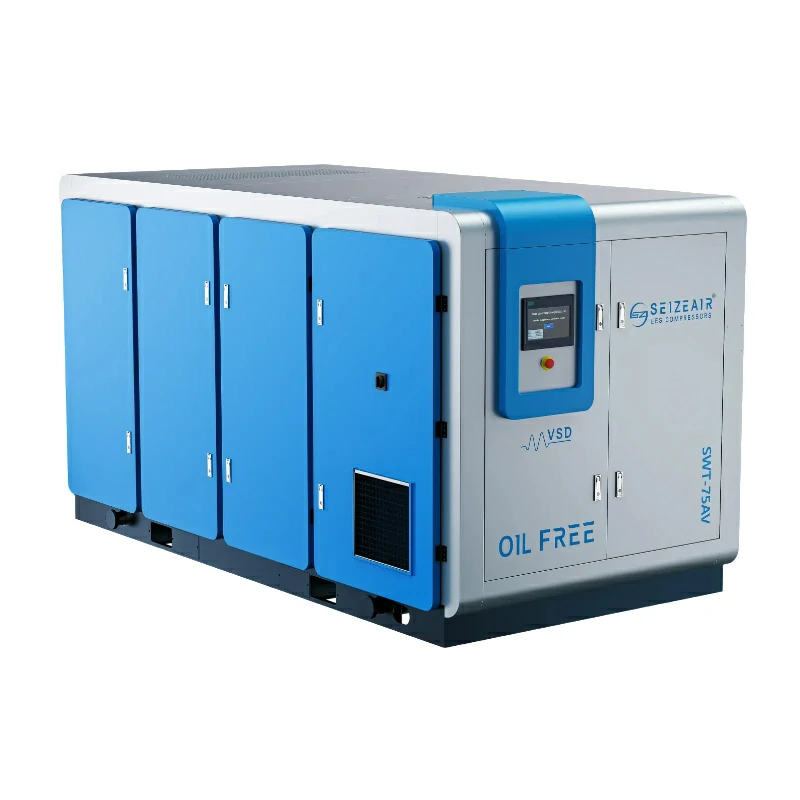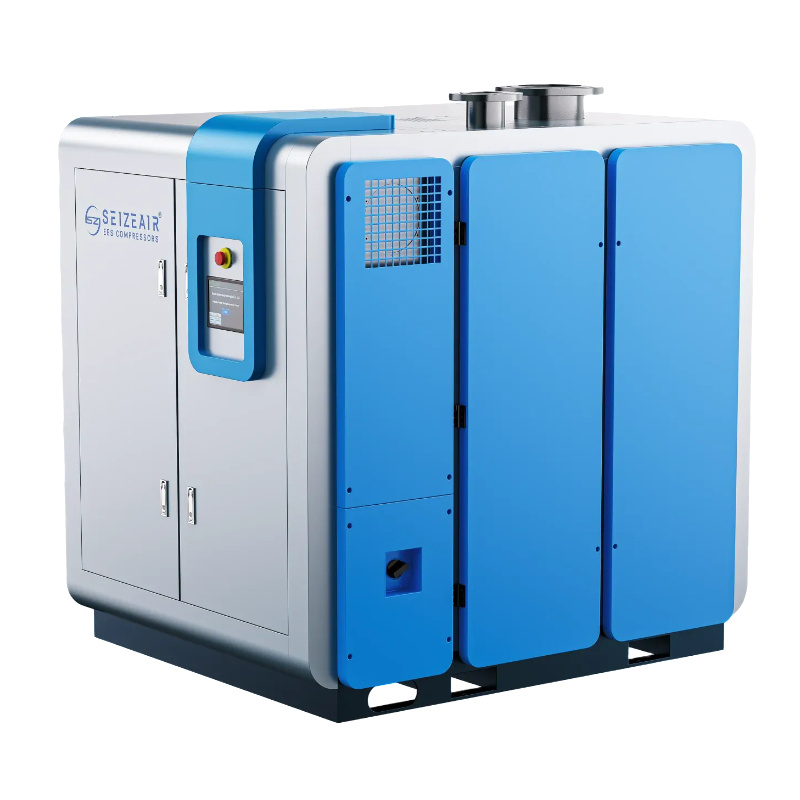


Air booster compressor systems solve a very specific problem: a plant already has compressed air at normal working pressure, yet one process needs substantially more. Instead of raising the pressure of the entire network, a booster takes already-compressed air as its inlet and lifts it further to the target pressure at the point of use. This guide explains how a booster works, which technologies are available, where a booster earns its keep, and how to select one without oversizing the machine or wasting energy.
What Is an Air Booster Compressor?
An air booster compressor is a secondary compression machine. Its inlet is not the atmosphere but air that a primary compressor has already compressed, usually to the plant’s normal working pressure. The booster raises that air to a higher discharge pressure for one process or a small group of processes. The distinction matters because the two machines do different amounts of work. A primary compressor starts from ambient pressure and must produce the whole pressure ratio itself. A booster starts partway up the pressure ladder, so for the same discharge pressure it handles a smaller volume and a smaller pressure ratio.
In practical terms, a factory might run its main header at a moderate pressure suited to the majority of its pneumatic tools and machines. A single operation, such as blowing plastic preforms into bottles, may require far higher pressure. Installing a booster near that operation keeps the main network at its efficient pressure and supplies high-pressure air only where it is actually consumed.
Booster Versus Primary Compressor
The easiest way to tell the two apart is to look at the inlet condition and the pressure ratio across the machine. A primary compressor draws ambient air and is rated by its free air delivery at a given discharge pressure. A booster is rated by the flow it delivers at its outlet pressure, given a specified inlet pressure. That inlet pressure is a design input, not an afterthought: change it and the booster’s delivered flow and power draw change as well. This is why a booster should never be specified from outlet pressure alone.
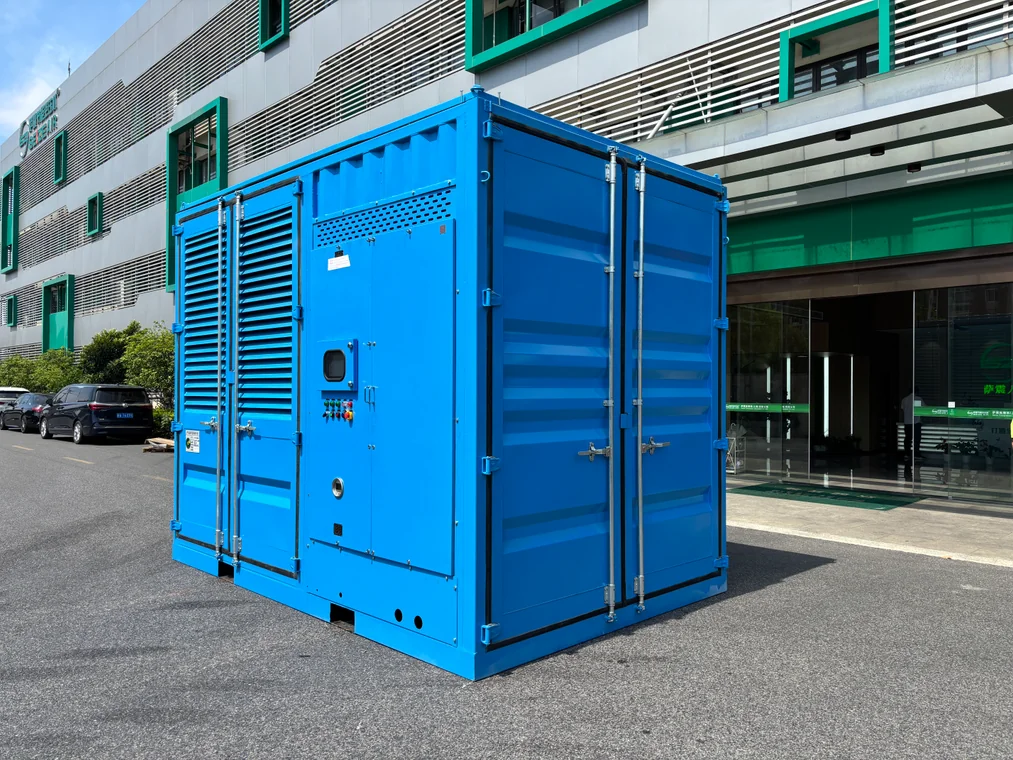
Boosters also tend to be more compact for a given pressure rise, because the air entering them is denser. A machine that would be large if it had to start at atmospheric pressure can be much smaller when it only has to add the final part of the pressure ratio. That compactness is one reason boosters are often supplied as skid-mounted or containerized packages rather than as bare machines.
Typical Pressure Bands
Application pressure requirements are usually described in bands rather than single numbers. Low-to-mid range boosting, roughly in the tens of bar, covers processes such as plastic bottle blowing and general industrial cleaning. Mid-to-high range boosting, from around forty bar upward, serves pressure testing, gas transfer and some laser-cutting tasks. Cylinder filling and breathing-air applications sit higher still and demand careful attention to purity and safety. These are broad industry bands, not product ratings; the correct figure always comes from the equipment manufacturer’s specification and the actual process requirement.
When comparing machines, keep the units straight. Bar, gauge pressure, psi and kilograms per square centimetre are all encountered in booster literature, and a number quoted at the inlet is not the same as one quoted at the outlet. Write both conditions next to every figure in a specification sheet.
Another point worth settling early is whether the quoted figure describes the pressure at the machine flange or the pressure that survives at the process. Real pipework contains bends, valves, filters and flexible connections, each of which consumes a little pressure. On a high-pressure line the absolute loss may look small, but it can represent a meaningful share of the pressure rise the booster was bought to provide. Measure or calculate the drop at the expected flow, then add it to the process requirement. This habit prevents the common outcome of a booster that meets its nameplate rating yet cannot satisfy the machine at the end of the line.
How an Air Booster Compressor Works
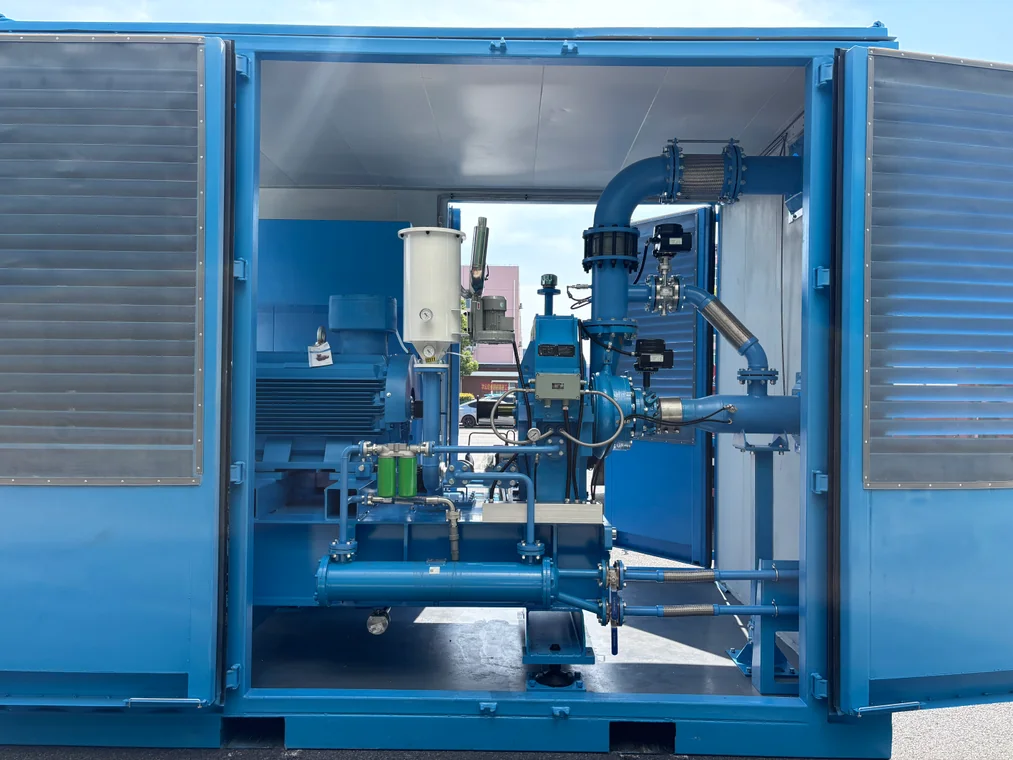
The operating principle is straightforward: compress air that is already above atmospheric pressure, remove the heat of compression, and repeat if the required pressure ratio is large. A single boosting stage can handle a moderate rise. Larger rises are split into two or more stages with intercooling between them, because compressing in stages with cooling between stages reduces the work required and limits discharge temperature.
The Compression Sequence
Air arrives from the primary compressor through an inlet connection and usually passes through a filter and a buffer or receiver before entering the booster. The booster’s compression element raises the pressure. If the machine is multi-stage, the air passes through an intercooler between stages to shed heat before the next compression step. An aftercooler then reduces the discharge temperature, and a separator removes the condensate that forms as the air cools. From there the air goes to a high-pressure receiver or directly to the process.
Cooling is not a minor detail. Compression heats air, and hot air is less dense, carries more moisture and is harder on seals and lubricants. A booster that is correctly sized but poorly cooled will deliver less flow than expected and will spend more time at high temperature. When you review a package, look for the cooler, the separator and the drainage path, not just the compression element.
Why Inlet Pressure Matters More Than Nameplate Power
Booster performance is inseparable from inlet conditions. A drop in inlet pressure reduces the mass of air available to the booster and forces it to develop a larger pressure ratio to reach the same outlet pressure. The result is lower delivered flow and higher specific energy consumption. Long or undersized inlet piping, dirty filters and a primary compressor running near its own limit are all common causes.
This is why a booster should be reviewed together with the upstream system. A plant that is considering a booster to solve a high-pressure problem may first find that a small improvement in the primary system, such as fixing leaks or reducing pressure drop, gives the inlet condition the booster needs to work efficiently.
Altitude and ambient temperature also deserve a mention. Air is less dense at higher elevations and on hot days, so a machine that performs well at sea level on a cool morning may deliver less mass flow at a hot, high-altitude site. Manufacturers usually publish correction factors or reference conditions for their ratings. Ask for the corrected performance at your site conditions rather than assuming the catalogue number applies everywhere. The same caution applies when a booster is specified for an outdoor enclosure: the temperature inside a sunlit container can be well above the ambient reading, which affects both the inlet air and the cooling system.
Main Types of Air Booster Compressors
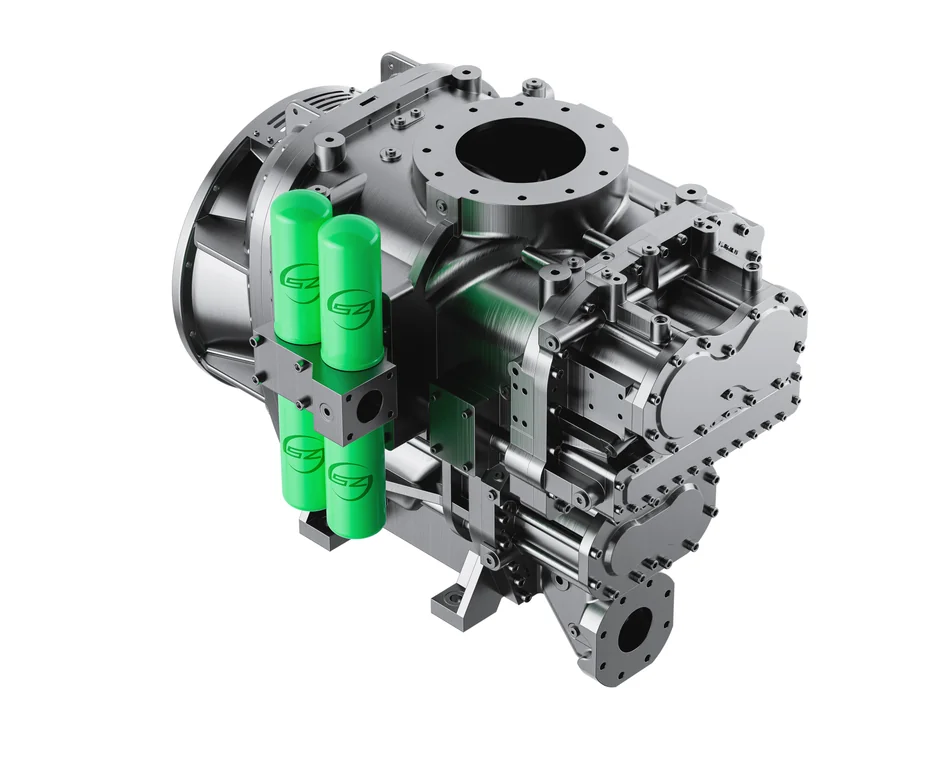
Boosters are usually classified by the compression principle and by the way they are driven. The right combination depends on pressure, flow, duty cycle, air quality and the practical constraints of the site. It helps to evaluate the technologies against the actual process rather than against a generic brand comparison.
Reciprocating Piston Boosters
Piston boosters are the familiar choice for high pressure at relatively modest flow. They tolerate a wide range of inlet pressures, are well understood by maintenance teams, and can reach very high discharge pressures when configured in multiple stages. Their trade-offs are pulsating flow, moving parts that need regular attention, and the need to manage heat and moisture between stages. They suit intermittent high-pressure duties and applications where flexibility matters more than continuous smooth delivery.
Screw Boosters
Screw boosters use intermeshing rotors to deliver a steady flow with less pulsation than a piston machine. They are a good fit for continuous processes and for duties where the pressure rise is moderate. Oil-injected designs offer robust cooling and long service intervals; oil-free versions are chosen when contamination of the product or process is unacceptable. If your application is in food, pharmaceutical or electronics production, start from the required air purity and work backwards to the compression technology, using an oil-free air compressor platform where the process demands it.
Centrifugal and Turbomachinery Boosters
Where flow is high and the pressure rise per stage is moderate, centrifugal machines become attractive. A centrifugal air compressor delivers large volumes with a smooth discharge and no contact between the compression element and the air in oil-free designs. Magnetic bearing machines take this further by removing oil from the bearing system as well; the magnetic levitation centrifugal blower family is aimed at low-pressure, high-volume duties. For a broader comparison of where centrifugal machines fit on a plant, see this centrifugal air compressor high-flow guide.
Air-Driven Versus Electrically Driven Boosters
An air-driven booster uses compressed air to drive a larger piston, needing no electrical supply at the point of use. That is useful in hazardous areas, remote locations or intermittent duties, but energy efficiency is lower because the driving air is itself expensive to produce. An electrically driven booster is generally more efficient for continuous operation. Choose the drive after considering duty cycle, location and whether the site can support the electrical infrastructure.
Key Applications of an Air Booster Compressor
The common thread across booster applications is a local need for pressure that would be wasteful to provide across an entire plant. Understanding the process helps you specify flow, pressure, purity and duty cycle correctly.
PET Bottle Blowing
Stretch blow moulding uses high-pressure air to shape heated preforms into bottles. Low-pressure air handles the pre-blow stage and high-pressure air forms the final bottle shape, so the plant needs two distinct pressure levels. Supplying the high-pressure level from a booster avoids running the whole plant at bottle-forming pressure. Consistent pressure and adequate flow at the machine matter more than peak capability, because pressure sag during the blow phase shows up directly as product quality problems. Air purity is equally important in beverage production, so the boosting package is usually paired with appropriate drying and filtration.
Laser Cutting Assist Gas
Laser cutting uses a high-pressure gas stream to eject molten material from the cut. Stable pressure at the nozzle affects edge quality and cutting speed, which is why boosters are common on laser lines that are supplied from a central compressed-air system. The booster should be selected for the pressure and flow at the cutting head, not at the compressor outlet, and the air must be dry and free of oil and particulates. If the cut quality varies with time, check the booster inlet pressure and the condition of the filtration train before adjusting the laser.
Pressure Testing and Leak Detection
Pressure vessels, pipework, valves and finished assemblies are often tested at pressures far above normal operating levels. A booster lets a workshop generate the required test pressure from its existing air supply instead of installing a dedicated high-pressure compressor. Because test duties are intermittent, piston boosters are frequently used. Safety is the governing concern: test procedures, relief devices and guarding must follow the applicable codes, and the relevant NFPA resources are a useful starting point for safe practices around compressed gases and cylinders.
Cylinder Filling and Breathing Air
Filling cylinders raises pressure from a storage or line condition to the cylinder’s rated filling pressure. This is a demanding duty that combines high pressure with strict purity requirements, especially for breathing air. Oil carry-over, moisture and carbon monoxide are all concerns, and the downstream treatment train must be designed for the specific application. Do not treat a general-purpose industrial booster as a breathing-air machine; the purification and monitoring requirements are different.
Industrial Cleaning and High-Pressure Pneumatics
Boosters supply high-pressure air for cleaning, drying and specialized pneumatic tools that need more pressure than the general network. In these cases the booster serves a single workstation or a small manifold, keeping the rest of the plant at its normal pressure. Air-driven boosters can be convenient here where there is no electrical supply, but the energy cost of the driving air should be considered over the machine’s lifetime.
Booster Compressor or Higher Plant Pressure?
A frequent question is whether to buy a booster or simply raise the pressure of the whole system. The answer depends on how much of the plant actually needs the higher pressure. If almost every consumer can use it, one compressor set at the higher pressure may be simpler. If only a small share of the load needs it, boosting locally usually costs less to operate.
The Energy Argument
Raising the entire header increases the pressure ratio for every machine on it, and leakage grows with pressure. That means the plant pays for the higher pressure on every cubic metre, including the air that goes to tools that never needed it. A booster confines the energy penalty to the air that actually requires high pressure. Compressed air is an expensive utility; the EIA electricity data and analysis is a useful reference when putting a cost on the electricity consumed by compressed-air systems.
When a Booster Is the Wrong Choice
A booster is not a cure for an undersized primary compressor. If the main system cannot hold pressure under normal load, adding a booster will make the problem worse by drawing more air from an already short supply. Likewise, if the high-pressure demand is continuous and large, it may be more economical to install a dedicated high-pressure machine. The high-pressure air compressor sizing guide explains how to approach that comparison, and the discussion of 400 PSI oil-free versus lubricated machines is relevant when purity drives the decision.
How to Select an Air Booster Compressor
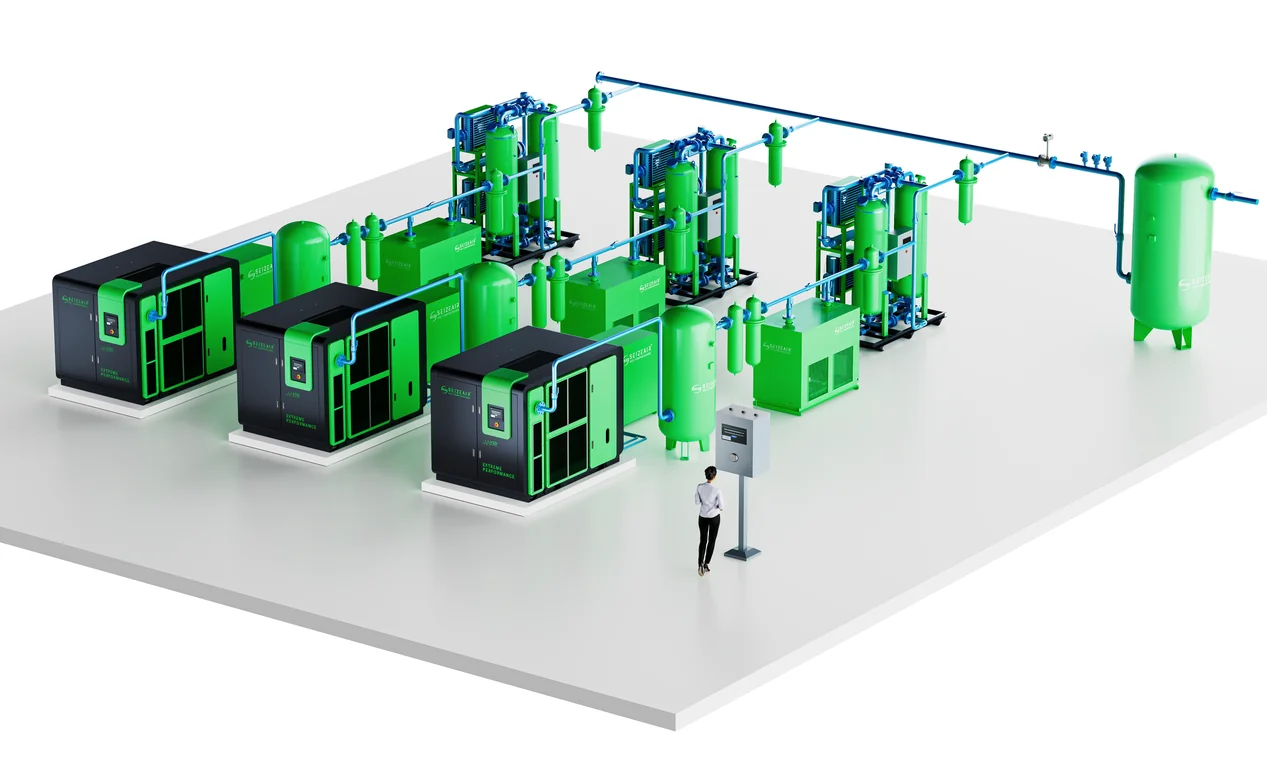
Selection is a sequence of decisions, each of which narrows the field. Work through them in order and document the assumptions, because a booster selected on a single number is rarely the right machine once the process is running.
Step 1: Establish Inlet and Discharge Pressure
Measure the pressure available at the point where the booster will connect, under representative plant load, and record the minimum as well as the average. Then define the discharge pressure the process needs at its own inlet, allowing for pressure drop in the high-pressure piping, valves and filters between the booster and the machine. The difference between the two is the pressure rise the booster must deliver. Be explicit about gauge versus absolute pressure in every figure.
Step 2: Convert Flow to Inlet Conditions
Flow specifications are often quoted at the outlet, but the booster must draw that air as a larger volume at the lower inlet pressure. Ask the supplier to state the inlet volume flow corresponding to the required outlet flow, and confirm the capacity of the upstream piping and primary compressor to supply it. A useful cross-check is whether the plant can deliver that extra air without its own pressure falling below the booster’s requirement.
Step 3: Confirm Duty Cycle and Air Quality
Continuous operation calls for a different design than intermittent filling or testing. State the hours per day, the load profile and the acceptable off-load behaviour. Then specify air quality: maximum oil content, moisture or dew point, and particulate limits. Where the process touches food, beverage, pharmaceuticals or electronics, make purity a primary requirement and select oil-free compression and suitable treatment. The choice between single-stage and two-stage compression often follows from the pressure rise and the duty cycle together.
Step 4: Check Cooling, Controls and Installation Envelope
Confirm how heat will be removed, whether cooling water is available, and how the package will be ventilated. Check the physical footprint, service access and lifting points. For sites that want a single engineered solution, a containerized air compressor station approach can combine compression, treatment and controls in one weather-protected enclosure. For a closer look at compression principles before specifying, the single-stage screw air compressor article is useful background.
Controls, Monitoring and Air Quality
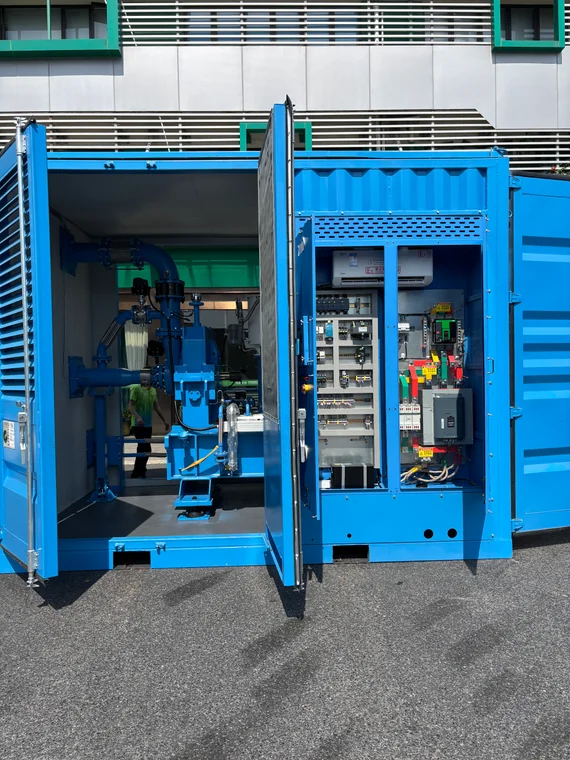
Modern booster packages are expected to hold a stable discharge pressure, protect themselves from abnormal conditions and report their status. The control system is what turns a compression element into a usable machine, and it deserves as much scrutiny as the compressor itself.
Pressure Control and Protection
A booster should start and stop or modulate according to demand, with unloading arrangements that avoid unnecessary energy use. Protection should include high discharge temperature, low inlet pressure, high outlet pressure, lubrication and filter conditions, and motor overload. Where the process cannot tolerate interruption, alarms should be available remotely rather than only on a local panel. Keep the control philosophy simple enough that operators understand what the machine will do in each state.
Filtration, Drying and Aftertreatment
Boosting air does not remove the contaminants already in it; it concentrates the consequences. Moisture and oil that were tolerable at low pressure can cause problems at high pressure and in the cooler parts of the downstream system. Size the filtration and drying equipment for the flow and pressure at the booster outlet, and provide a drain path for condensate. The compressed air dryer selection guide covers the main choices; the air compressor maintenance guide sets out routines that keep treatment equipment working.
Noise, Vibration and the Working Environment
Boosters are often installed close to the process they serve, which may put them in an occupied work area rather than a dedicated compressor room. Noise and vibration then become part of the specification. Piston machines produce pulsation and structure-borne vibration, while centrifugal and screw designs tend to run more smoothly but at higher rotational speed. Enclosures help with airborne noise but only if they are ventilated properly; a hot enclosure quickly becomes a reliability problem. Check the sound data published for the machine, the mounting arrangement and whether flexible connections are needed on the discharge piping. Where several machines share a platform, a short review of vibration isolation at the design stage is far cheaper than retrofitting it after commissioning.
The working environment also shapes the maintenance plan. A booster drawing air from a dusty workshop will consume filters faster than one fed from a clean plant room, and a humid climate places more demand on the drying and separation equipment. If the enclosure is outdoors, protect it from direct rain ingress, allow for condensate disposal in freezing conditions and make sure the ventilation path cannot be blocked by stored materials. These details do not change the compression principle, but they determine whether the machine reaches its expected service life with predictable operating costs.
Installation and Commissioning Checklist
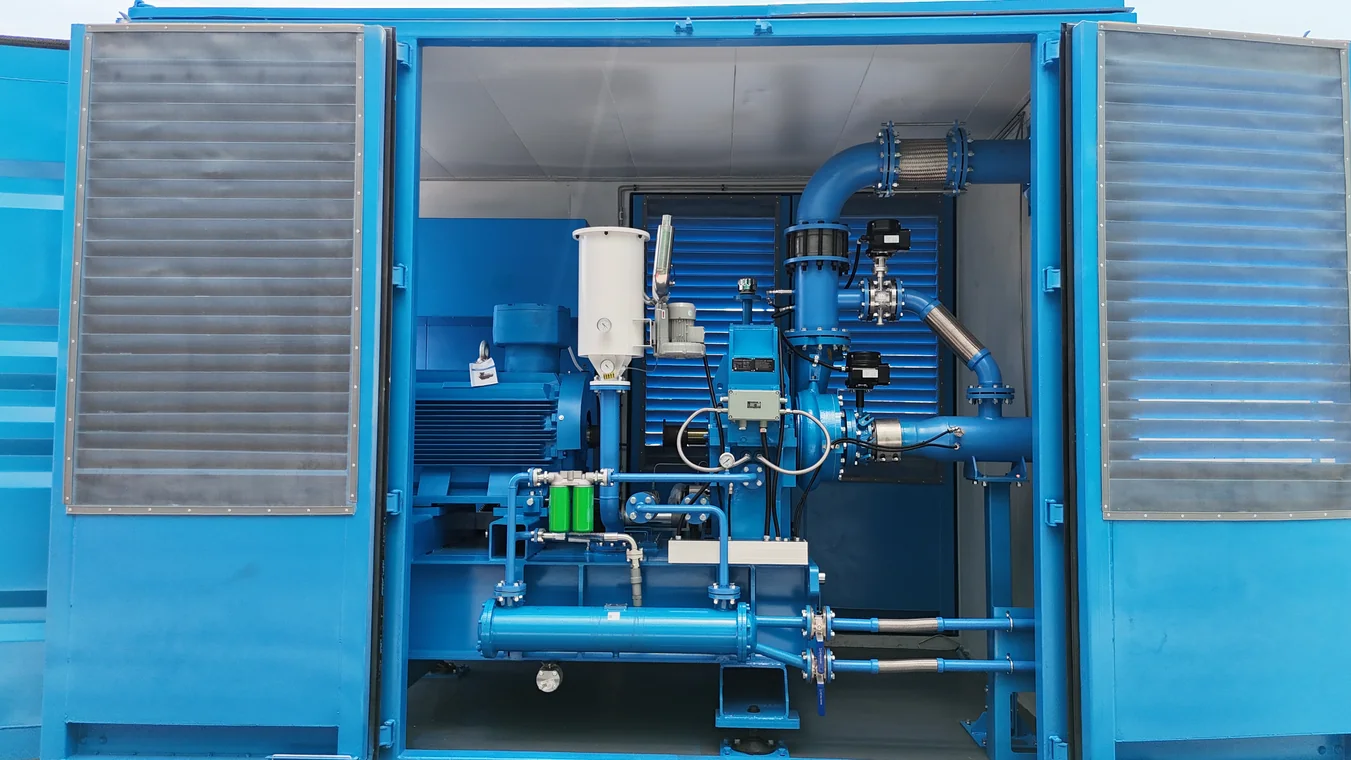
Good installation practice protects the investment and makes later maintenance easier. Use the following checks as a starting point, then adapt them to the machine’s manual and local regulations.
Mechanical and Electrical Checks
Verify that the foundation or skid is level and capable of carrying the operating weight. Confirm that inlet piping is clean, correctly sized and free of debris before connection. Check the direction of rotation, electrical supply, earthing and all protective devices. Confirm that relief valves are set and certified for the system, and that discharge piping is rated for the maximum pressure the booster can produce. Provide enough clear space around the package for filter changes and cooler cleaning.
Commissioning Sequence
Start with a thorough flush of the pipework, then bring the booster up in stages: check rotation and lubrication first, run unloaded, and confirm control responses before applying load. Record inlet pressure, discharge pressure, flow and temperature at several points across the operating range. Verify that safety devices trip correctly and that condensate drains function. Leave a baseline set of readings; they are the reference for deciding later whether performance has drifted.
Operation and Maintenance Essentials
Most booster failures develop gradually. Filters clog, coolers lose efficiency, drains stick and small leaks grow. A disciplined routine is more effective than occasional major interventions.
Routine Checks
Track inlet and discharge pressure, discharge temperature and delivered flow at consistent operating conditions. Inspect filters and separators on a schedule set by the environment rather than by the calendar alone. Check drains, oil level and condition where applicable, and listen for changes in sound or vibration. Keep a short log of readings and interventions; trends are more informative than single measurements.
Common Faults and Likely Causes
- Low discharge flow: inlet pressure below design, clogged inlet filter, or internal leakage.
- High discharge temperature: restricted cooling, dirty cooler, high inlet temperature, or operation beyond the design pressure ratio.
- Pressure fluctuation: undersized receiver, wrong control settings, or a process demand that changes faster than the booster can respond.
- Water in the process: failed separator or drain, saturated dryer, or insufficient aftertreatment for the outlet pressure.
- Rapid oil degradation: excessive temperature, contamination, or diluted oil from condensed moisture.
When a symptom appears, start with the inlet condition and the treatment train before assuming the compression element is at fault. In many plants the booster is blamed for a problem that originates upstream.
Total Cost of Ownership and Energy Considerations
Purchase price is only one part of the cost of a booster. Energy over the operating life usually dominates, followed by maintenance, downtime and the cost of poor product quality when pressure or purity drifts.
What Drives Operating Cost
Specific energy consumption depends on the pressure ratio, the efficiency of the compression element, the drive and the way the machine is controlled. Heat removal also has a cost, whether it is consumed by a cooling fan or by cooling water. Compare machines on delivered flow at the required outlet pressure under the same inlet condition, not on motor rating alone. Electricity is the largest controllable input, so use published local tariffs and operating hours to build a cost model that reflects the way the machine will actually run.
Avoiding Oversizing
Oversizing is a common and expensive mistake. A booster selected for a rare peak spends most of its life cycling or throttled away from its efficient range. Map the real demand profile, including simultaneous operation of the high-pressure consumers, and size for the sustained load with a reasoned allowance for growth. If the demand profile is uncertain, a staged installation is often better than one large machine.
Frequently Asked Questions
Can a booster replace a high-pressure compressor?
Sometimes. If the plant already has adequate compressed air at normal pressure and only a small part of the load needs higher pressure, a booster is usually the more efficient choice. If the high-pressure demand is large and continuous, a dedicated high-pressure compressor is often simpler and cheaper to run.
What inlet pressure does a booster need?
It depends on the machine and the target discharge pressure. The manufacturer will specify a permitted inlet range and the corresponding outlet flow. Measure the actual minimum pressure at the connection point, and include the pressure drop of inlet filters and piping in the calculation.
Does boosting air make it hotter?
Yes. Any compression step raises air temperature. A properly designed package includes intercooling or aftercooling and a separator to remove condensate. High discharge temperature is a useful warning sign that cooling or operating conditions need attention.
Can I use one booster for several machines?
You can, provided the combined demand and the pressure drop in the shared high-pressure header are accounted for. Multiple machines with changing demand often benefit from a receiver and sensible sequencing. Check that simultaneous operation does not pull the pressure below the required level.
Is an oil-free booster necessary for food and beverage production?
When compressed air contacts the product or the packaging process, oil-free compression and appropriate treatment are usually required by the plant’s quality standard. Confirm the specific purity class with the quality team and select the booster and aftertreatment together.
Why did my booster’s output fall after installation?
The usual causes are a lower-than-expected inlet pressure, an undersized or dirty inlet filter, excessive pressure drop in the high-pressure piping, or inadequate cooling. Compare current readings with the commissioning baseline before looking for mechanical faults.
Can a booster be installed outdoors?
Yes, provided it is supplied in a suitable weather-protected enclosure with ventilation, drainage and temperature control sized for the local climate. A containerized package is a common way to achieve this, but the enclosure must still allow enough airflow for cooling and safe access for maintenance.
Does a booster need a receiver tank?
Often, yes. A receiver on the high-pressure side smooths pulsation, buffers short peaks in demand and reduces rapid cycling. The right size depends on how sharply demand changes and how quickly the booster can respond. A receiver on the inlet side can also help protect the booster from fluctuations in the primary system.
How often should a booster be serviced?
Follow the manufacturer’s schedule and adapt it to the operating environment. Dusty or humid conditions shorten filter and cooler intervals. Regular monitoring of pressure, temperature and flow is the best way to move from fixed intervals to condition-based maintenance.
Working With a Booster Compressor Manufacturer
A booster is a system decision, not a single product. The supplier should be able to discuss the upstream pressure, the process demand, air quality and the layout of the package, and should be willing to state performance at clearly defined inlet and outlet conditions. SEIZE AIR builds its compressed-air equipment around primary compressors, treatment and engineered stations; the oil-injected screw air compressor range and two-stage high-pressure designs provide the building blocks that can be combined with boosting duties.
Bring your process data to the conversation: required pressure at the point of use, flow at that pressure, available inlet pressure, duty cycle, air-quality limits and site constraints. With those inputs, a manufacturer can propose a package that fits the application instead of a machine that only looks right on a catalogue page. If you would like to discuss a boosting application, use the contact page to share the operating conditions.